How to Get Clearer Skin: A Dermatologist Guide to Acne-Prone Skin
Clearer skin usually comes from consistent, gentle care rather than harsh scrubbing or frequent product changes. Acne develops when pores become clogged and inflamed, often influenced by hormones, genetics, and skincare habits.
Key Takeaways
- Clearer skin usually comes from consistent, gentle care rather than harsh scrubbing or frequent product changes.
- Acne develops when pores become clogged and inflamed, often influenced by hormones, genetics, and skincare habits.
- Over-the-counter products can help mild acne, while moderate or persistent acne may need prescription treatment.
- Picking, squeezing, and over-drying the skin can worsen inflammation and increase the risk of marks or scars.
- A dermatologist can tailor treatment based on acne type, skin sensitivity, and whether scarring is present.
Acne-prone skin often improves with the right routine, patience, and treatment tailored to the person’s skin type and acne severity. A dermatologist can help identify triggers, protect the skin barrier, and create a realistic plan for clearer skin.
Overview: What Helps Acne-Prone Skin Look Clearer?
Acne-prone skin is skin that tends to develop blackheads, whiteheads, inflamed pimples, or deeper breakouts more easily than other skin types. Clearer skin usually does not come from a single product. Instead, it often depends on understanding why acne forms and following a steady routine that keeps pores clear, reduces inflammation, and protects the skin barrier.
Many people expect quick results, but acne treatment usually takes time. Skin renews itself gradually, and even effective products may need several weeks before visible improvement appears. This is why consistency matters more than trying many strong products at once.
A dermatologist-guided approach often focuses on a few key steps: gentle cleansing, non-comedogenic moisturizers, sun protection, and targeted acne treatments. For some people, lifestyle patterns such as stress, cosmetics, or friction from helmets and masks may also contribute to breakouts.
Acne can affect teenagers and adults alike. It may be limited to occasional spots or involve more persistent breakouts on the face, chest, shoulders, or back. When acne leaves dark marks, causes pain, or begins to scar, medical assessment becomes especially important.
Symptoms and Types of Acne
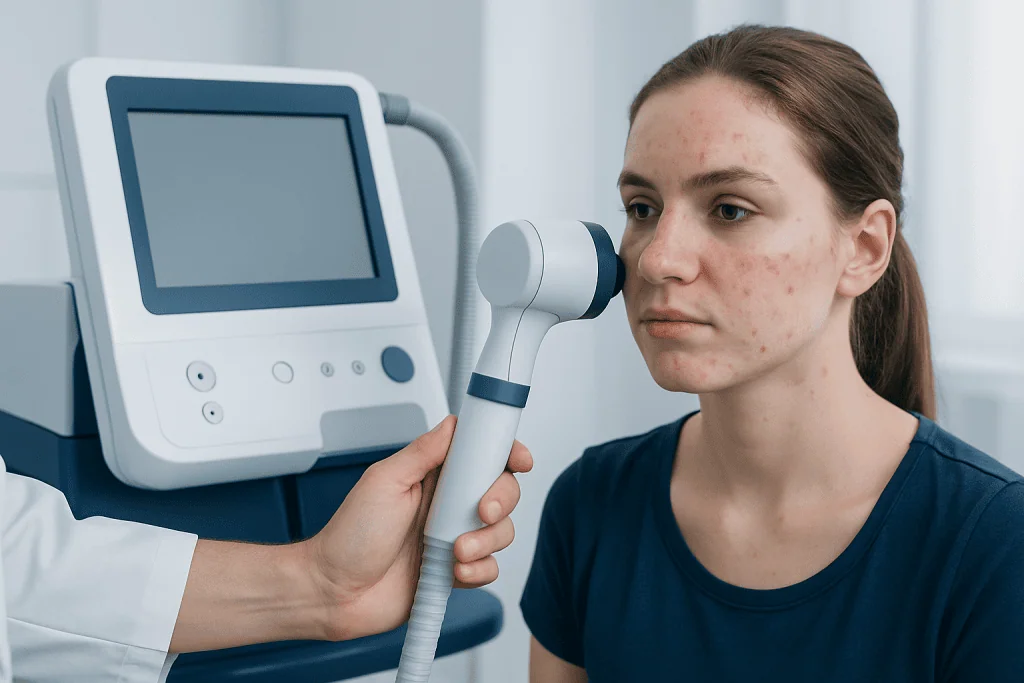
Acne can appear in different forms, and recognizing the type may help guide treatment. Some people mainly have clogged pores, while others develop red, tender, or deeper lesions. The skin may also feel oily, sensitive, or irritated, especially if strong products have been overused.
Common signs of acne-prone skin include recurrent breakouts, rough or congested areas, enlarged-looking pores, and spots that heal slowly. After inflammation settles, some people are left with post-inflammatory dark marks or redness. Others may develop texture changes or permanent scars if acne is severe.
- Blackheads: open clogged pores that look dark at the surface.
- Whiteheads: closed clogged pores beneath the skin.
- Papules and pustules: inflamed red bumps, sometimes with visible pus.
- Nodules and cyst-like lesions: deeper, more painful breakouts that may scar.
If breakouts are frequent, painful, or concentrated around the jawline, chest, or back, a doctor may assess whether there is an underlying pattern such as hormonal acne. In some cases, persistent symptoms may overlap with other skin conditions that also need evaluation.
Why Acne Happens: Causes and Risk Factors
Acne develops when hair follicles, often called pores, become blocked with oil, dead skin cells, and debris. This creates an environment where inflammation can develop. A common skin bacterium, Cutibacterium acnes, may also contribute to the inflammatory process, but acne is not simply caused by “dirty skin.”
Several factors can increase the chance of breakouts. Hormonal changes are a major influence, especially during puberty, menstrual cycles, pregnancy, or conditions associated with androgen excess. Genetics also matter, so people with a family history of acne may be more likely to experience it.
External triggers can play a role as well. Heavy or pore-clogging cosmetics, oily hair products, friction from tight clothing or sports gear, sweating, emotional stress, and certain medications may worsen acne in some individuals. Over-cleansing, abrasive scrubs, and harsh alcohol-based products can irritate the skin and make inflammation more noticeable.
Diet is an area of ongoing research. For some people, foods with a high glycemic load or certain dairy products may be associated with worsening breakouts, but triggers are individual and not universal. It is usually more helpful to notice personal patterns than to follow very restrictive diets without medical advice.
A Daily Skincare Routine for Clearer Skin
A simple routine is often best for acne-prone skin. In the morning, a gentle cleanser can remove excess oil and overnight buildup without stripping the skin. A lightweight, non-comedogenic moisturizer helps support the skin barrier, and sunscreen is important because many acne treatments can increase sun sensitivity and because ultraviolet exposure can worsen post-acne marks.
At night, cleansing again helps remove sunscreen, makeup, and daily impurities. This is often the best time to apply treatment products such as salicylic acid, benzoyl peroxide, adapalene, or other retinoid-based options, depending on what the skin tolerates and what a doctor recommends. Starting slowly can reduce irritation.
Helpful routine principles include:
- Choose fragrance-free, non-comedogenic products when possible.
- Avoid scrubbing, harsh brushes, and frequent exfoliation.
- Remove makeup before sleep.
- Use clean pillowcases, makeup brushes, and phone screens.
- Do not pick or squeeze spots.
People with more stubborn acne may need a dermatologist to build a stronger treatment plan. In some cases, a specialist may also discuss acne scar treatment if earlier breakouts have left marks or uneven texture. If another facial condition is suspected, assessment for related problems such as rosacea may also be useful because redness and bumps can sometimes be mistaken for acne.
Medical Diagnosis and When Dermatology Assessment Helps
Acne is often diagnosed through a skin examination and a discussion of symptoms, triggers, current skincare, and medical history. A dermatologist looks at the type of lesions, where they occur, how long they have been present, and whether there are signs of scarring, pigmentation, or another skin disorder.
Formal tests are not always needed, but in some situations a doctor may investigate possible hormonal influences or medication-related causes. This may be especially relevant when acne begins suddenly, is severe, appears mainly on the lower face in adulthood, or occurs with irregular periods, excess hair growth, or other hormonal symptoms.
Professional evaluation is helpful when over-the-counter products have not improved the skin after a reasonable trial, when acne is painful or widespread, or when it is affecting confidence and quality of life. Early treatment can reduce the chance of long-term marks and scarring.
Some people also have accompanying concerns such as enlarged pores, uneven texture, or leftover discoloration after active acne settles. Dermatologists can help separate active acne from its after-effects and choose the safest next step for both concerns.
Treatment Options for Acne-Prone Skin
Treatment depends on acne severity, skin sensitivity, age, and whether scarring is present. Mild acne may respond to non-prescription products, while moderate to severe acne often needs prescription medicines. The goal is to reduce clogged pores, calm inflammation, prevent new lesions, and limit marks or scars.
Common topical options include benzoyl peroxide, salicylic acid, azelaic acid, and retinoids. Prescription creams or gels may be recommended if breakouts are persistent. For more inflammatory acne, doctors may consider oral treatment. Hormonal approaches may help some women when acne follows a hormonal pattern. Any treatment plan should be personalized, especially for people who are pregnant, breastfeeding, or managing other health conditions.
When skin texture or scars remain after acne improves, procedural treatments may be considered. Depending on the skin type and the nature of the marks, a dermatologist may discuss options such as chemical peels or laser treatment as part of a broader plan. These are usually considered after active inflammation is better controlled.
If breakouts are severe, nodular, or leaving scars, specialist care is important. In appropriate settings, multidisciplinary specialists at Acibadem International and its JCI-accredited hospitals diagnose and treat acne-related skin concerns for international patients, with plans tailored to skin type and clinical needs.
Prevention, Self-Care, and Habits That Support Clear Skin
Although acne cannot always be fully prevented, daily habits can reduce flare-ups. Consistent skincare is more useful than aggressive treatment. Switching products too often may irritate the skin and make it harder to tell what is helping.
Using products labeled non-comedogenic may lower the chance of clogged pores. Hair oils, thick pomades, and heavy makeup can contribute to breakouts in some people, especially around the forehead or hairline. Showering after sweating and changing out of tight workout clothing may help if body acne is a concern.
Self-care also includes realistic expectations. Acne often improves gradually, and temporary dryness or mild irritation can happen when starting active ingredients. Introducing one new product at a time and applying moisturizer regularly can make treatment easier to tolerate.
Emotional wellbeing matters too. Acne can affect self-esteem at any age, and support from a healthcare professional can be valuable when the condition is causing distress. Looking after sleep, stress management, and overall skin health can support treatment, even though these steps alone may not fully control acne.
When to See a Doctor
It is a good idea to see a doctor if acne is not improving after several weeks of consistent over-the-counter care, or if it becomes painful, widespread, or leaves dark marks or scars. Earlier treatment is often easier and may prevent longer-term changes in skin texture or pigmentation.
Medical advice is especially important for deep nodules, cyst-like lesions, sudden severe outbreaks, or acne associated with irregular periods or other hormonal symptoms. A doctor can also help if the skin has become very irritated from trying too many products or if the diagnosis is uncertain.
Children, pregnant individuals, and people with very sensitive skin should be careful with self-treatment because not all acne products are suitable in every situation. A dermatologist can recommend safer alternatives and explain how to use them correctly.
Anyone who feels that acne is affecting confidence, social life, or emotional wellbeing deserves support. Acne is a common medical condition, and effective help is available with the right assessment and treatment plan.
Frequently asked questions
How long does it take to get clearer skin?
Most acne treatments need several weeks before improvement becomes noticeable. Many people begin to see changes after 6 to 8 weeks, but fuller results can take longer. Consistency is usually more important than using many products at once.
Can oily skin still need moisturizer?
Yes. Acne-prone or oily skin still benefits from moisturizer, especially when using drying treatments such as retinoids or benzoyl peroxide. A lightweight, non-comedogenic moisturizer can help protect the skin barrier without making breakouts worse.
Does washing the face more often clear acne faster?
No. Over-washing can irritate the skin and may worsen redness, dryness, and inflammation. Cleansing gently once or twice a day is usually enough unless a doctor recommends otherwise.
Should acne spots be squeezed or picked?
It is best to avoid squeezing or picking acne lesions. This can push inflammation deeper into the skin, delay healing, and increase the risk of infection, dark marks, or scarring. If a lesion is painful or persistent, a dermatologist can advise safe treatment.
Are natural remedies enough for acne-prone skin?
Some home care habits can support skin health, but natural remedies are not always effective or safe for treating acne. Certain oils, scrubs, or homemade mixtures may irritate the skin or clog pores. It is usually safest to follow evidence-based skincare and seek medical advice for ongoing acne.
When should someone see a dermatologist for acne?
A dermatologist should be considered if acne is moderate to severe, painful, leaving marks, or not improving with basic over-the-counter treatment. Specialist care is also helpful when acne begins in adulthood, seems hormone-related, or causes emotional distress. Early care may reduce the chance of scarring.
References
- American Academy of Dermatology
- National Institute of Arthritis and Musculoskeletal and Skin Diseases
- Mayo Clinic
- National Health Service
- British Association of Dermatologists
This article is for general information only and is not a substitute for professional medical advice. Please consult a qualified doctor about your individual situation.
Acne in Turkey — costs, top hospitals & a free quote
JCI-accredited · board-certified surgeons · reply within 24h

More from the Health Library



Related Specialists

Dr. Edvīn Murrja
Internal Medicine
Dr. Davit Çukran
Internal Medicine
Dr. Zehra Elban
Acibadem Life Clinical Service
Prof. Dr. Mehmet Uğur Özbaydar
Orthopedic Surgery & Traumatology