The Cavernous Sinus and Why Its Disorders Affect the Eyes

The cavernous sinus is a normal venous space behind each eye, next to the pituitary gland, that drains blood and carries nerves controlling eye movement. Disorders such as clots, infection, or tumors there can cause eye pain, swelling, or double vision. New eye pain with double vision or fever needs urgent medical assessment.
Key Takeaways
- The cavernous sinus is not a single hollow cavity but a paired venous space near important nerves and the carotid artery.
- Symptoms can include severe headache, eye swelling, bulging of the eye, double vision, and trouble moving the eye.
- Causes range from infection and blood clots to inflammation, tumors, or vascular abnormalities.
- Diagnosis usually relies on neurological and eye examination plus imaging such as MRI, MRV, or CT.
- Treatment depends on the cause and may involve antibiotics, anticoagulation, steroids, surgery, or endovascular procedures.
Ever had one eye suddenly swell, ache, or start seeing double? Symptoms like these can point deep inside the head — to a vein-filled space at the base of the skull called the cavernous sinus. It sits just behind the eyes and helps drain blood from the face and brain.
When something goes wrong there, you may notice eye pain, swelling, double vision, or nerve-related symptoms. That is why getting checked quickly matters.
What the cavernous sinus is and why it matters
The cavernous sinus is a paired venous channel located on each side of the pituitary gland, behind the eyes and deep within the skull. Although the name sounds as if it describes a disease, it actually refers to a normal anatomical structure. It contains veins that help drain blood from the face, eye sockets, and parts of the brain.
What makes this small space so important is its neighbours. Several cranial nerves that control eye movement and facial sensation pass through or along it, and the internal carotid artery runs straight through it. In such a crowded corner, a problem here can affect your vision, eye movement, facial feeling, and blood flow.
When patients hear the term cavernous sinus, it is often in the context of a medical problem such as cavernous sinus thrombosis, inflammation, a tumor spreading into the area, or a vascular abnormality. Symptoms vary depending on the cause, but eye-related signs are common because of the structure’s location behind the orbit.
Common symptoms of cavernous sinus problems
Symptoms linked to the cavernous sinus often involve the eyes, forehead, or nerves that move the eye. People may notice a severe headache, pain around one eye, swelling of the eyelids, redness, or a bulging appearance of the eye. Double vision can develop if the nerves that control eye muscles are affected.
Some patients experience difficulty moving one or both eyes, drooping of the eyelid, or changes in pupil size. There may also be numbness or altered sensation on the forehead, cheek, or around the eye because branches of the trigeminal nerve are nearby. If vision becomes blurred or reduced, urgent assessment is needed.
Symptoms can affect one side at first and later involve the other side, especially if the underlying problem is infection or clotting. General symptoms such as fever, fatigue, or feeling unwell may suggest an infectious cause, while a more gradual course may point toward inflammation, a mass, or another structural condition.
- Headache or deep facial pain
- Eye pain, swelling, or redness
- Double vision
- Bulging of the eye
- Drooping eyelid
- Numbness of the forehead or cheek
- Fever or signs of infection in some cases
Causes and related conditions

One of the best-known cavernous sinus disorders is cavernous sinus thrombosis, a blood clot within the venous space. This can occur as a complication of infection spreading from the sinuses, face, teeth, ears, or orbit. It is uncommon but serious because the clot and associated inflammation can quickly affect nearby nerves and blood vessels.
Not all cavernous sinus problems are caused by clots. Inflammation, autoimmune disease, benign or malignant tumors, pituitary disorders, aneurysms, and abnormal connections between arteries and veins can also affect the area. For example, a carotid-cavernous fistula is an abnormal blood flow connection involving the cavernous sinus that can cause a red, pulsating, or protruding eye.
In some situations, disease begins elsewhere and extends into the cavernous sinus. Severe sinus infection, orbital infection, and nearby skull base disease may spread because venous drainage in this region can allow infection to travel. Related disorders such as sinusitis or brain tumors may therefore be part of the wider diagnostic picture, depending on the individual’s symptoms and scan findings.
How doctors diagnose cavernous sinus disorders
Diagnosis begins with a careful history and physical examination. Doctors ask when symptoms started, whether they progressed rapidly or gradually, and whether there was a recent sinus, dental, facial, or eye infection. The examination usually includes a neurological assessment, an eye examination, and checks of eye movement, vision, pupils, and facial sensation.
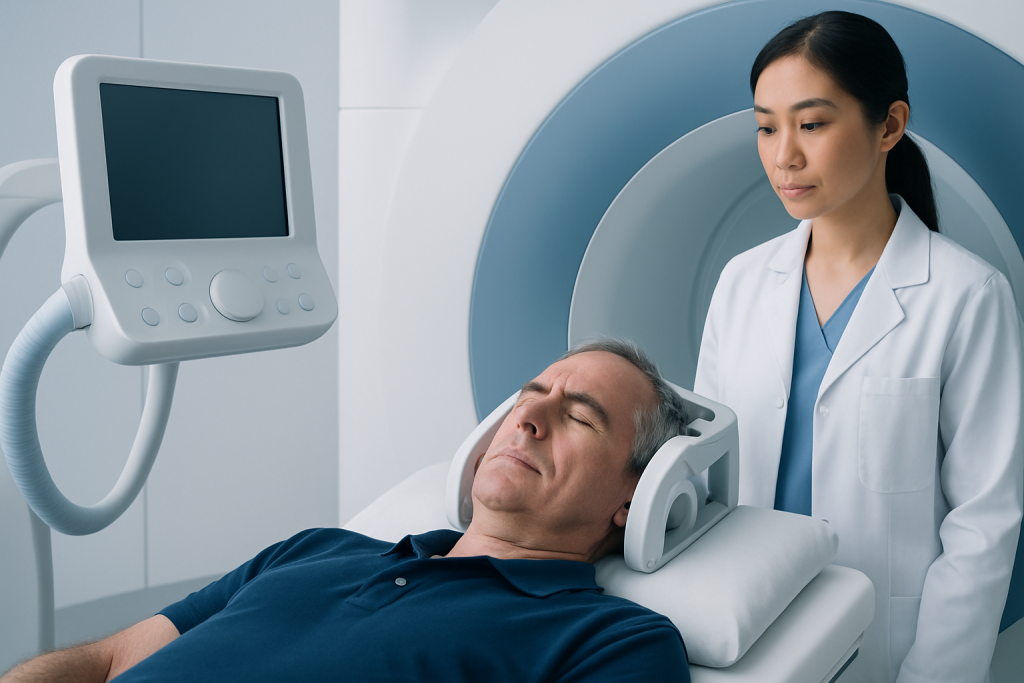
Imaging is central to diagnosis because the cavernous sinus lies deep within the skull and cannot be examined directly. MRI with contrast is often very helpful for showing inflammation, masses, and nerve involvement. MR venography or CT venography may be used when a venous clot is suspected, while CT can also identify sinus disease, bone involvement, or orbital changes.
Blood tests may look for signs of infection or inflammation, and cultures may be needed if an infectious source is suspected. In selected cases, angiographic studies are performed to assess blood vessel abnormalities such as a carotid-cavernous fistula or aneurysm. The goal is not only to confirm that the cavernous sinus is involved, but also to identify the underlying cause so treatment can be directed appropriately.
Treatment options depend on the cause
There is no one-size-fits-all treatment here. What we do depends on whether the problem is infectious, inflammatory, vascular, or related to a tumor. Because important nerves and blood vessels are nearby, treatment is often coordinated among neurology, neurosurgery, ophthalmology, ENT, infectious diseases, and interventional radiology specialists.
If cavernous sinus thrombosis is caused by infection, treatment usually includes prompt intravenous antibiotics and close hospital monitoring. In many cases, doctors also consider anticoagulation to help limit clot progression, though the decision is individualized. Any source of infection, such as severe sinus disease or an abscess, may also need treatment, sometimes including endoscopic sinus surgery.
For vascular problems such as carotid-cavernous fistulas or some aneurysms, minimally invasive catheter-based procedures may be recommended. These can include interventional neuroradiology treatments to close abnormal vessels or restore normal blood flow. When a mass is responsible, treatment may involve neurosurgery, medication, radiation therapy, or observation, depending on the diagnosis. Inflammatory disorders may respond to corticosteroids or other immune-modulating treatment once infection has been ruled out.
The supportive side of care matters just as much. You may need pain control, eye protection if your eyelids do not close properly, treatment for raised pressure in the eye, and follow-up imaging. Symptoms can change quickly, so we keep reassessing as we go.
Prevention and self-care
Not every cavernous sinus disorder can be prevented, but early attention to infections and persistent eye symptoms can reduce the risk of complications. Facial, sinus, dental, or orbital infections should not be ignored, especially if swelling, fever, severe pain, or vision changes occur. Following treatment plans for these conditions matters because incomplete treatment may allow an infection to spread.
General self-care includes seeking medical advice for severe or unusual headaches, double vision, or new difficulty moving the eyes. People with chronic sinus problems should work with a clinician to manage flare-ups appropriately. Good dental hygiene and timely care for dental infections are also sensible preventive measures because oral infections can sometimes spread.
Please do not try to sort this out with a search engine. Home remedies may ease ordinary sinus discomfort, but they are not enough once warning signs appear — eye bulging, nerve symptoms, fever, or facial pain that keeps getting worse. Get examined; that is the safest step.
When to seek medical care
Medical care should be sought promptly if a person develops sudden eye swelling, bulging of one eye, double vision, new drooping of the eyelid, trouble moving the eye, or severe pain around the eye or forehead. These symptoms do not always mean a cavernous sinus disorder, but they can signal a problem that needs urgent assessment.
Emergency evaluation is especially important when symptoms are accompanied by fever, confusion, severe headache, reduced vision, facial numbness, or a recent sinus or dental infection. Fast treatment can help protect vision, nerve function, and overall health. If symptoms are milder but persistent, an appointment with a qualified doctor is still appropriate.
For patients who need multidisciplinary assessment, Acibadem International’s specialists in neurology, neurosurgery, ENT, ophthalmology, and radiology evaluate conditions involving the skull base and cavernous sinus in JCI-accredited hospitals for international patients.
Frequently asked questions
Is the cavernous sinus part of the brain?
The cavernous sinus is not brain tissue itself. It is a venous space at the base of the skull that sits close to the brain, pituitary gland, cranial nerves, and carotid artery.
What is cavernous sinus thrombosis?
Cavernous sinus thrombosis is a blood clot that forms within the cavernous sinus. It is often linked to infection spreading from nearby areas and needs urgent medical treatment.
Can a sinus infection spread to the cavernous sinus?
Yes, in rare cases a severe sinus infection can spread to the cavernous sinus. This is one reason doctors take worsening eye symptoms, fever, and severe facial pain seriously.
What are the first signs of a cavernous sinus problem?
Early signs may include headache, pain around one eye, swelling of the eyelid, double vision, or trouble moving the eye. Some people also develop facial numbness or fever, depending on the cause.
How is a cavernous sinus condition confirmed?
Doctors usually confirm it through examination and imaging tests such as MRI, CT, or venography studies. Additional blood tests or vascular imaging may be needed to find the exact cause.
Can cavernous sinus disorders be treated successfully?
Many cavernous sinus disorders can be treated, especially when diagnosed early. The outlook depends on the underlying cause, how quickly treatment starts, and whether vision or nerve function has been affected.
This article is for general information only and is not a substitute for professional medical advice. Please consult a qualified doctor about your individual situation.
Oncology care in Turkey — second opinion and treatment plan
7 JCI-accredited hospitals · board-certified surgeons · reply within 24h
Add us as a Preferred Source to see more of our trusted health content across Google Search, AI Overviews and Discover.

Medically reviewed by the Acıbadem International Medical Board — August 24, 2026
See our medical review board →
Update history
- PublishedAugust 4, 2026
- Medical review approvedAugust 24, 2026
- Last content updateAugust 24, 2026
References2
- Cavernous Sinus Thrombosis (StatPearls, NCBI Bookshelf) — ncbi.nlm.nih.gov
- Sinusitis - MedlinePlus — medlineplus.gov
Neurology
Diagnosis and treatment of disorders of the brain, spinal cord, nerves and muscles.
51 specialists in this unitNeurology Specialists at Acibadem





Related Treatments
Related Conditions
More from the Health Library

Botox Is a Preventive Option for Chronic Migraine

Hemorrhagic Stroke Means Bleeding in or Around the Brain

Anoxia Cuts Off Oxygen to the Brain Within Minutes
The 12 Cranial Nerves and What Each One Controls

The Facial Nerve Controls Expression, Blinking, and Taste