How to Get Rid of a Headache: What Helps Fast and When to Get Medical Care

Most headaches are not dangerous and improve with simple self-care measures. Fast headache relief may include water, a light meal, rest in a dark quiet room, and suitable over-the-counter medicine.
Key Takeaways
- Most headaches are not dangerous and improve with simple self-care measures.
- Fast headache relief may include water, a light meal, rest in a dark quiet room, and suitable over-the-counter medicine.
- Headaches can be caused by tension, migraine, dehydration, illness, lack of sleep, eye strain, or medication overuse.
- Sudden severe headache, weakness, confusion, fever with stiff neck, or headache after head injury needs urgent medical care.
- Frequent or changing headaches should be assessed by a doctor to confirm the cause and guide treatment.
How to get rid of a headache depends on the type and trigger. Many headaches improve with hydration, rest, regular meals, and appropriate pain relief, but some symptoms need prompt medical evaluation.
Overview
A headache is one of the most common health complaints. It can feel like pressure, throbbing, tightness, or pain on one or both sides of the head, around the eyes, or in the neck. When people ask how to get rid of a headache, the best answer depends on why it started in the first place.
Many headaches are primary headaches, which means the headache itself is the main problem. These include tension-type headaches, migraines, and cluster headaches. Other headaches are secondary, meaning they happen because of another issue such as dehydration, infection, sinus inflammation, high blood pressure, head injury, eye strain, or medication overuse.
Simple steps often help fast: drinking water, eating if a meal was missed, resting in a quiet room, and using over-the-counter pain relief as directed. However, not every headache should be treated at home. Severe, unusual, or repeated headaches deserve medical attention, especially if they come with neurological symptoms or a sudden change from a person’s usual pattern.
What Helps a Headache Fast
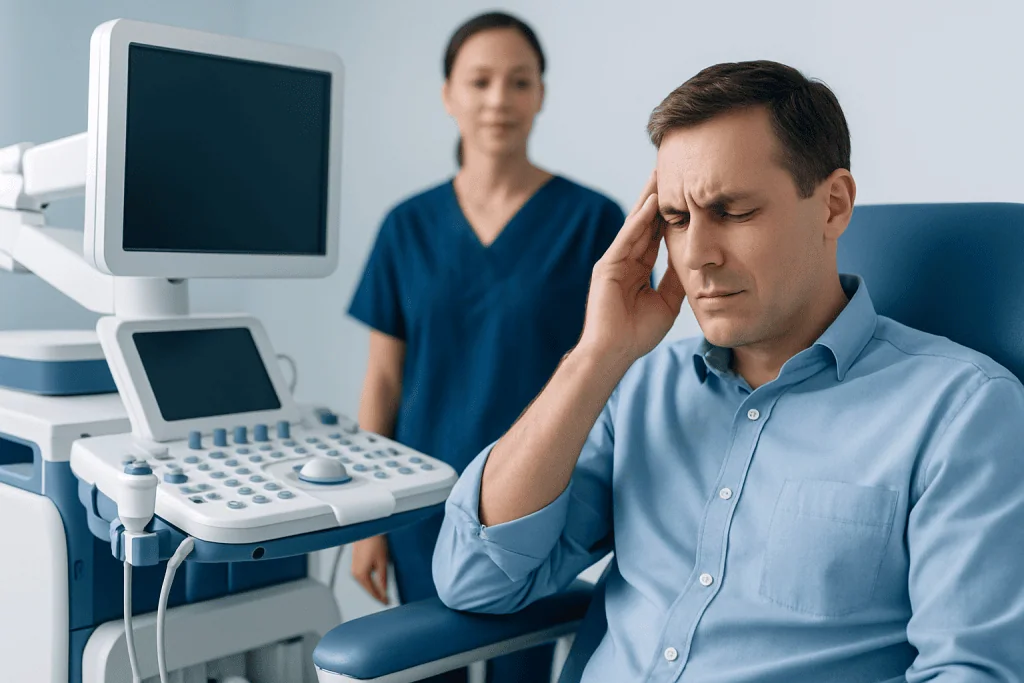
For many people, the quickest headache relief starts with basic self-care. Dehydration, hunger, stress, poor sleep, and too much screen time are common triggers. Addressing these early can shorten the headache and sometimes stop it from getting worse.
Helpful steps may include:
- Drink water or another non-caffeinated fluid, especially if fluid intake has been low.
- Eat a light, balanced snack or meal if one was skipped.
- Rest in a dark, quiet room and reduce screen exposure.
- Place a cool compress on the forehead or eyes.
- Try gentle stretching of the neck and shoulders if muscle tension is present.
- Use over-the-counter pain medicine exactly as directed on the label and only when appropriate for the individual.
If the headache seems related to stress or muscle tightness, slow breathing, relaxation, or a short walk may help. Some people also find that sleep is the most effective remedy, especially for migraine. Caffeine may help some headaches, but too much can trigger headaches or make them rebound later, so it should be used with care.
It is important not to overuse pain medicines. Taking headache medicine too often can lead to medication-overuse headache, in which headaches become more frequent and harder to control. A doctor can help if a person needs pain relievers regularly just to get through the week.
Common Types of Headaches and Their Symptoms

Tension-type headache is often described as a dull, steady pressure or a tight band around the head. It may involve the scalp, neck, or shoulders and is commonly linked to stress, posture, fatigue, or jaw clenching. Nausea is usually absent, and physical activity does not usually make it much worse.
Migraine is often more intense and may cause throbbing pain, usually on one side but sometimes both. It can come with nausea, vomiting, and sensitivity to light, sound, or smells. Some people have warning symptoms called aura, such as flashing lights, tingling, or temporary visual changes. In people with recurring migraine, a doctor may discuss lifestyle strategies, medicines, and, in selected cases, migraine treatment.
Cluster headache is less common but very severe. It usually causes intense pain around one eye, often with tearing, nasal congestion, drooping eyelid, or restlessness. These headaches occur in clusters over days or weeks and need medical assessment because the treatment approach is different from other headache types.
Sinus-related head pain may happen with facial pressure, nasal blockage, fever, or thick nasal discharge, especially during an infection. Headaches can also occur with colds, flu, COVID-19, neck strain, eye problems, and high blood pressure, though high blood pressure alone is not a common cause of routine headache unless it is severely elevated. Understanding the pattern helps decide the most likely type and the safest next step.
Causes and Risk Factors
Headaches have many possible triggers. Common day-to-day causes include dehydration, missed meals, too little sleep, poor posture, stress, excess screen time, and caffeine withdrawal. Alcohol can also trigger headaches, especially if it causes dehydration or poor sleep.
Migraine may run in families and can be triggered by hormonal changes, stress, changes in sleep routine, bright light, strong smells, certain foods, or travel. Tension headaches are often linked to muscle tension in the neck and shoulders. Recurrent headaches may also be worsened by anxiety, depression, sleep disorders, or jaw joint problems.
Sometimes the cause is another medical condition. Examples include sinusitis, infections, fever, concussion, uncontrolled blood pressure, dental problems, glaucoma, and certain neurological conditions. Very rarely, a headache can be a sign of a more serious problem such as bleeding around the brain, meningitis, stroke, or a brain tumor.
Medication use matters too. Frequent use of pain relievers, combination headache medicines, or caffeine-containing products can create a cycle of rebound headache. A doctor can help identify medication-overuse headache and distinguish it from other causes such as migraine or chronic tension-type headache.
How Doctors Diagnose the Cause
Diagnosis starts with a careful history. A doctor will ask when the headache began, where the pain is felt, how severe it is, what it feels like, how long it lasts, and what makes it better or worse. Associated symptoms such as fever, vomiting, light sensitivity, weakness, numbness, speech trouble, vision changes, or neck stiffness are especially important.
A physical and neurological examination can help identify warning signs. The doctor may check blood pressure, temperature, eye movements, strength, sensation, coordination, and neck movement. In many people with a typical history of tension headache or migraine and a normal exam, no scan is needed.
Imaging or other tests may be recommended if the headache is new, sudden, severe, progressively worsening, occurs after injury, or comes with concerning symptoms. Depending on the situation, doctors may use blood tests, a CT scan, or MRI to look for a secondary cause. If sinus disease is strongly suspected, assessment by an ENT specialist and sometimes treatment for sinus problems may be considered in selected cases.
Treatment Options
Treatment depends on the headache type. Tension-type headaches often improve with rest, hydration, gentle stretching, stress reduction, and over-the-counter pain medicine used as directed. Migraine treatment may include early use of specific medicines, anti-nausea treatment, trigger management, and preventive therapy if attacks are frequent or disabling.
For secondary headaches, the underlying cause needs treatment. This may mean fluids for dehydration, infection treatment when appropriate, sleep improvement, medication review, blood pressure management, or care for sinus, eye, or dental problems. If a headache is linked to neck issues or posture, physical therapy and ergonomic changes may help.
Doctors may recommend preventive treatment when headaches happen often, last a long time, or interfere with daily life. Prevention can include prescription medicines, regular sleep, regular meals, stress management, exercise, and limiting caffeine. Keeping a headache diary can help identify patterns and guide treatment decisions.
For people with complex or persistent headaches, care from a neurologist or headache specialist can be useful. Near the end of the care pathway, patients seeking coordinated evaluation may also consult Acibadem International, where multidisciplinary specialists in JCI-accredited hospitals diagnose and treat headache disorders for international patients.
Prevention and Self-care
Preventing headaches is often possible when triggers are recognized early. A regular routine supports the nervous system and can reduce both tension headaches and migraines. Small daily habits may have a meaningful effect over time.
Useful self-care strategies include:
- Drink enough fluids throughout the day.
- Do not skip meals; choose regular, balanced eating times.
- Keep a consistent sleep schedule.
- Take breaks from screens and adjust lighting when possible.
- Improve posture and workspace ergonomics.
- Manage stress with relaxation, exercise, or mindfulness techniques.
- Limit overuse of pain relievers and caffeine.
- Track triggers, symptoms, and medicine use in a headache diary.
People with migraine may benefit from avoiding known personal triggers rather than following a long list of restrictions. Triggers are not the same for everyone, so individualized observation is more helpful than guesswork. A doctor or dietitian can advise if food-related triggers are suspected.
Children, pregnant individuals, older adults, and people with chronic illnesses should be more cautious about self-treatment and should ask a clinician which medicines are safe for them. It is always reasonable to seek advice if headaches are becoming more frequent or are affecting work, school, or sleep.
When to Get Medical Care
Most headaches are not emergencies, but some symptoms should never be ignored. A person should seek urgent medical care for a sudden, explosive headache that reaches maximum intensity within moments, especially if it is the worst headache of their life. This kind of headache may need emergency evaluation.
Immediate medical care is also important if headache occurs with weakness, numbness, confusion, fainting, seizure, trouble speaking, loss of vision, severe dizziness, fever with stiff neck, persistent vomiting, or after a head injury. The same is true for headaches in people with cancer, immune system problems, or pregnancy-related high blood pressure concerns.
A routine medical appointment is a good idea if headaches are frequent, changing, lasting longer than usual, waking a person from sleep, or requiring pain medicine often. New headaches after age 50 also deserve evaluation. Getting the right diagnosis can improve symptom control and help rule out less common but important causes.
If a person is unsure whether a headache is serious, it is safest to contact a qualified doctor. Early assessment can provide reassurance, guide treatment, and reduce the chance of missed warning signs.
Frequently asked questions
What is the fastest way to get rid of a headache?
The fastest relief depends on the cause, but many headaches improve with water, a light meal, rest in a dark quiet room, and appropriate over-the-counter pain relief. If the headache is severe, unusual, or comes with neurological symptoms, self-care is not enough and medical evaluation is needed.
Does drinking water help a headache?
Yes, it can help if dehydration is the trigger. Water is especially useful when a headache follows exercise, heat, illness, alcohol, or not drinking enough during the day.
When should someone worry about a headache?
A headache needs urgent attention if it starts suddenly and severely, follows a head injury, or happens with weakness, confusion, fever with stiff neck, seizure, or vision or speech changes. Frequent headaches or a clear change from the usual pattern should also be discussed with a doctor.
What is the difference between a tension headache and a migraine?
Tension headache usually feels like pressure or tightness across the head and may be linked to stress or muscle tension. Migraine is often throbbing, more intense, and may cause nausea or sensitivity to light and sound.
Can too much headache medicine make headaches worse?
Yes. Using pain relievers too often can lead to medication-overuse headache, sometimes called rebound headache. A doctor can help create a safer treatment plan if headaches are frequent.
Is it safe to sleep with a headache?
Sleep often helps, especially for migraine or headaches linked to fatigue. However, a person should not simply sleep it off if the headache is sudden, severe, follows an injury, or comes with alarming symptoms such as confusion, weakness, or fever.
References
- World Health Organization
- National Institute of Neurological Disorders and Stroke
- American Migraine Foundation
- Mayo Clinic
- National Health Service
This article is for general information only and is not a substitute for professional medical advice. Please consult a qualified doctor about your individual situation.
Explore treatments in Turkey — costs, top hospitals & a free quote
JCI-accredited · board-certified surgeons · reply within 24h
Check your numbers in seconds
BMI, calories, due date, blood pressure and 30+ more clinical calculators — free, instant, doctor-reviewed ranges.

More from the Health Library



Related Specialists

Prof. Dr. Çetin Vural
Ear Nose & Throat
Dr. Bilgiye Ergin
Gynecology & Obstetrics
Dr. Yusuf Hakan Abacı
Orthopedic Surgery & Traumatology
Dr. İskender Dik
Internal Medicine