How to Get Rid of E Coli in Urinary Tract? A Doctor-Reviewed Answer

E. coli is the most common cause of urinary tract infections. Most cases need medical assessment and targeted antibiotic treatment rather than home remedies alone.
Key Takeaways
- E. coli is the most common cause of urinary tract infections.
- Most cases need medical assessment and targeted antibiotic treatment rather than home remedies alone.
- A urine test, and sometimes a urine culture, helps confirm the infection and guide treatment.
- Red flags include fever, back or side pain, nausea, vomiting, blood in the urine, pregnancy, and worsening symptoms.
- Drinking fluids and following the full treatment plan can support recovery and reduce recurrence.
How to get rid of E. coli in the urinary tract usually means confirming the infection with a urine test and treating it with an appropriate antibiotic prescribed by a doctor. Many lower urinary tract infections are common and treatable, but fever, flank pain, vomiting, pregnancy, or symptoms in men and children should prompt medical review.
Overview: the clearest way to get rid of E. coli in the urinary tract
How to get rid of E. coli in the urinary tract is a common question because E. coli is the leading cause of urinary tract infections, especially bladder infections. In most people, the infection is treatable and not dangerous when it is recognized early and managed properly.
The usual way to clear an E. coli urinary infection is to see a doctor, provide a urine sample, and take an antibiotic that matches the likely or confirmed bacteria. Drinking enough fluids may help the urinary system flush more regularly, but fluids alone usually do not reliably cure a bacterial UTI.
What matters most is making sure the symptoms really are coming from a urinary infection and not another condition. Burning with urination, urgency, and frequent small-volume urination often point to a lower UTI, while fever, chills, nausea, or pain in the back or side can suggest the infection has moved upward toward the kidneys and needs prompt attention.
Why E. coli causes urinary tract infections
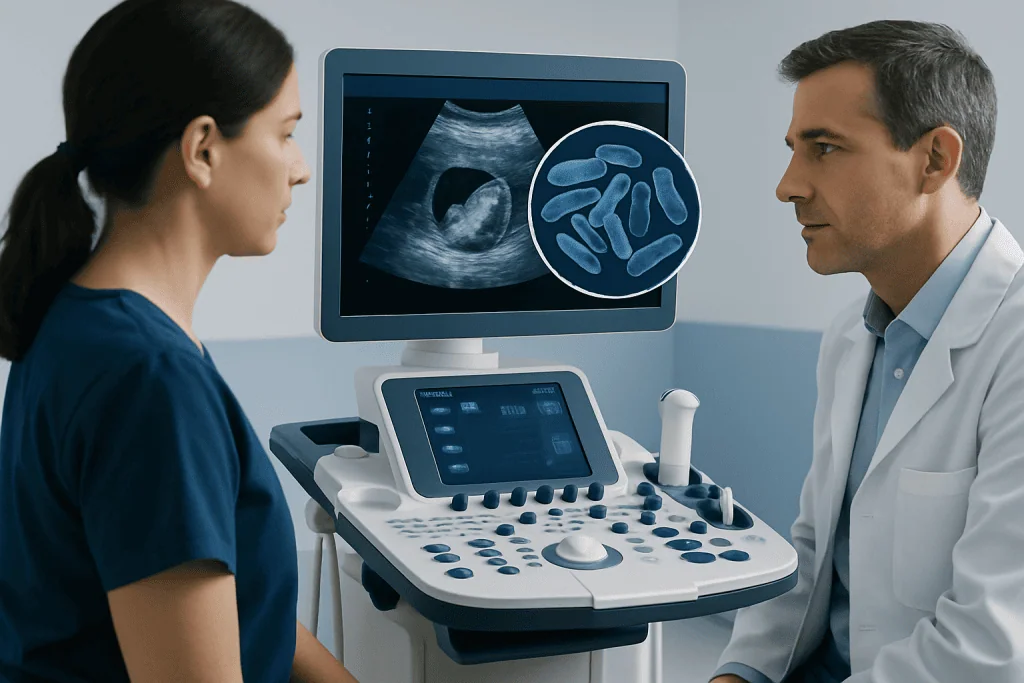
E. coli normally lives in the intestines and is usually harmless there. A urinary tract infection happens when some of these bacteria enter the urethra and travel into the bladder, where they can multiply and irritate the lining of the urinary tract.
This is more common in women because the urethra is shorter, which gives bacteria a shorter distance to travel. Sexual activity, changes after menopause, dehydration, constipation, and anything that prevents the bladder from emptying well can also increase the chance of infection.
Not every urinary symptom is caused by E. coli, and not every positive urine test means active disease. Sometimes symptoms may relate to irritation, vaginal infections, bladder pain conditions, stones, or other problems. That is why a doctor looks at the whole picture rather than relying on symptoms alone.
When urinary infections occur repeatedly, doctors may also look for contributing factors such as urinary retention, kidney stones, enlarged prostate, or structural urinary problems. In some cases, recurrent infections may be discussed alongside related conditions such as urinary tract infection.
Common symptoms and warning signs

The most typical symptoms of an E. coli bladder infection are burning or pain when passing urine, needing to urinate more often, feeling a sudden strong urge to urinate, and passing only small amounts. Some people notice cloudy or strong-smelling urine, pressure in the lower abdomen, or mild blood in the urine.
Symptoms can vary by age and sex. Older adults may have less typical symptoms, though confusion alone should not automatically be assumed to be a UTI without testing. Men, children, and pregnant people usually need more careful assessment because urinary infections in these groups may have different causes or a higher chance of complications.
Red flags that need timely medical review include fever, chills, pain in the back or side below the ribs, nausea, vomiting, visible blood in the urine, dehydration, or symptoms that are severe or rapidly worsening. These can suggest a more serious infection, including possible kidney involvement, such as pyelonephritis.
- Burning urination
- Urgency and frequency
- Lower abdominal discomfort
- Cloudy or blood-tinged urine
- Fever or flank pain as warning signs
How a doctor confirms the cause
Doctors usually begin with symptoms, medical history, and a urine sample. A simple urinalysis can look for white blood cells, nitrites, blood, and other signs that support the diagnosis of infection.
A urine culture may be recommended when symptoms are severe, the person is pregnant, the infection may be complicated, symptoms keep returning, or initial treatment has not worked. A culture identifies the bacteria and shows which antibiotics are more likely to work well against that specific strain of E. coli.
Additional tests are not needed for every person. However, if there are signs of kidney infection, urinary blockage, stones, repeated infections, or unusual anatomy, a doctor may request blood tests or imaging. In selected cases, evaluation may include urology care to look for an underlying reason the infection keeps coming back.
This step matters because antibiotic resistance is increasingly common. Choosing treatment based on the clinical picture and, when needed, culture results can improve recovery and reduce the chance of persistent or recurrent infection.
Treatment options that help clear E. coli
The main treatment for an E. coli urinary tract infection is an antibiotic prescribed by a qualified clinician. The exact medicine and duration depend on the person’s age, pregnancy status, allergies, kidney function, how severe the symptoms are, and local patterns of antibiotic resistance.
Many uncomplicated bladder infections improve within a few days of starting the right antibiotic, but it is still important to complete the prescribed course unless a doctor advises otherwise. Stopping early can allow some bacteria to remain and may increase the risk of recurrence or resistance.
Doctors may also suggest measures to ease discomfort, such as good hydration and simple pain relief that is appropriate for the individual. However, home care should be seen as supportive, not as a replacement for proper treatment when a bacterial infection is suspected.
If the infection is more severe, affects the kidneys, or causes vomiting or dehydration, treatment may need closer monitoring and sometimes hospital-based care. In complicated or recurrent cases, a specialist may consider further evaluation and treatment planning through nephrology or urinary tract assessment, depending on where the infection is and what may be contributing to it.
What not to rely on, and what may support recovery
Many people search for natural ways to clear E. coli from the urinary tract, but it is important to be realistic. Cranberry products, probiotics, and increased fluid intake may help some people with prevention or symptom support, but they do not reliably eliminate an established bacterial infection on their own.
Delaying appropriate care can allow the infection to worsen or spread. This is especially important if symptoms are persistent, if there is fever or back pain, or if the person is pregnant, immunocompromised, or has kidney disease, diabetes, or a urinary catheter.
Supportive steps during recovery usually include drinking fluids regularly unless a doctor has advised fluid restriction, urinating when needed rather than holding urine for long periods, and avoiding products that can irritate the area, such as harsh soaps or douches. Rest and careful follow-up can also help the body recover.
When infections are frequent, the answer is not always “more antibiotics.” A doctor may look for patterns, triggers, and underlying causes, and may recommend prevention strategies tailored to the person rather than repeated self-treatment.
Prevention and self-care to lower the risk of recurrence
Preventing future E. coli urinary infections often involves small daily habits. Staying well hydrated, urinating regularly, and emptying the bladder after sexual activity may help reduce the amount of time bacteria stay in the urinary tract.
Wiping from front to back after using the toilet can reduce transfer of bowel bacteria toward the urethra. Managing constipation, controlling blood sugar well in people with diabetes, and addressing urinary retention or enlarged prostate can also make a meaningful difference.
Some people with recurrent UTIs benefit from a more structured prevention plan. This can include reviewing contraception methods, postmenopausal vaginal health, or whether an anatomic or functional issue is making infections more likely. If urinary blockage, stones, or poor bladder emptying are suspected, a doctor may recommend targeted evaluation and, when appropriate, kidney stone treatment.
Near the end of the care journey, some international patients choose evaluation at centers with multidisciplinary expertise. Acibadem International’s specialists at JCI-accredited hospitals diagnose and treat urinary conditions and can coordinate care when infections are recurrent, complicated, or linked to other urinary tract problems.
When to seek medical care
Medical care is recommended if urinary symptoms are new, bothersome, or lasting more than a short time, because treatment is usually more effective when started early. A doctor should also be consulted if symptoms return soon after treatment or if there have been several infections over time.
Urgent assessment is important for fever, chills, side or back pain, vomiting, pregnancy, severe weakness, inability to keep fluids down, or if the person is a child, male, older adult with significant illness, or someone with a weakened immune system. These situations may signal a more complicated infection and should not be managed with home remedies alone.
People with catheters, kidney disease, urinary tract abnormalities, or recent urinary procedures should also seek timely medical advice. If there is any uncertainty about symptoms, a qualified healthcare professional can help confirm the cause and guide the safest treatment plan.
Frequently asked questions
Can E. coli in the urinary tract go away without antibiotics?
A few very mild urinary symptoms may improve on their own, but a true E. coli urinary tract infection often needs antibiotics to clear reliably. Because symptoms can worsen or spread to the kidneys, it is safest to discuss suspected infection with a doctor.
How long does it take to feel better after starting treatment?
Many people begin to feel improvement within a few days after starting the right antibiotic. Even if symptoms improve quickly, the full prescribed course should usually be completed unless a doctor advises a change.
What is the best test for E. coli in a urine infection?
A urinalysis is commonly the first test because it can quickly show signs of infection. A urine culture is especially helpful when symptoms are severe, recurrent, complicated, or not improving, because it identifies the bacteria and helps guide antibiotic choice.
Does drinking lots of water flush out E. coli?
Good hydration may support the urinary system and can help some people feel better, but it does not reliably cure an established bacterial infection. Water is supportive care, not a substitute for evaluation and appropriate treatment.
Why do E. coli urinary infections keep coming back?
Recurrent infections can happen for several reasons, including sexual activity, menopause-related changes, constipation, stones, urinary retention, catheter use, or underlying urinary tract problems. A doctor may recommend further evaluation if infections are frequent or return soon after treatment.
When is an E. coli UTI considered an emergency?
Urgent care is needed if there is fever, chills, side or back pain, vomiting, confusion with significant illness, dehydration, or pregnancy with UTI symptoms. These can suggest a kidney infection or a more serious problem that needs prompt medical attention.
References
- Centers for Disease Control and Prevention
- National Institute of Diabetes and Digestive and Kidney Diseases
- American Urological Association
- National Health Service
- Mayo Clinic
This article is for general information only and is not a substitute for professional medical advice. Please consult a qualified doctor about your individual situation.
Explore treatments in Turkey — costs, top hospitals & a free quote
JCI-accredited · board-certified surgeons · reply within 24h

More from the Health Library


Related Specialists

Dr. Erbil Aydemir
Pediatrics
Assoc. Prof. Dr. Betül Mazlum
Pediatric & Adolescent Psychiatry
Dr. Nezihi Ün
Ophthalmology
Prof. Dr. Mehmet Veli Karaaltın
Aesthetic Plastic & Reconstructive Surgery