Hypopituitary Treatment: How It Works, Results and What to Expect

Hypopituitarism occurs when the pituitary gland does not make enough of one or more hormones. Treatment usually replaces the hormones that are deficient and addresses the cause, such as a pituitary tumor or prior surgery.
Key Takeaways
- Hypopituitarism occurs when the pituitary gland does not make enough of one or more hormones.
- Treatment usually replaces the hormones that are deficient and addresses the cause, such as a pituitary tumor or prior surgery.
- Cortisol deficiency requires urgent attention because it can lead to adrenal crisis, particularly during illness or injury.
- Blood tests, symptom review and sometimes MRI scans guide treatment and ongoing dose adjustments.
- Most people need long-term follow-up with an endocrinologist and should not stop prescribed hormone medicines without medical advice.
Hypopituitary treatment is individualized hormone replacement combined with care for the condition affecting the pituitary gland. With regular monitoring and prompt treatment during illness or stress, many people can lead active lives while managing hypopituitarism safely.
Hypopituitary Treatment: How It Works
Hypopituitary treatment works by replacing hormones the pituitary gland is no longer producing adequately and by treating the underlying cause when possible. The pituitary is a small gland at the base of the brain that helps regulate the adrenal glands, thyroid, ovaries or testes, growth, breastfeeding, and water balance. A deficiency in one or several pituitary hormones is called hypopituitarism.
Care is tailored to the hormones affected, a person’s age, symptoms, medical history and future plans such as fertility. Replacement therapy can improve energy, blood pressure, metabolism, sexual health, fertility and quality of life, while also preventing potentially serious effects of untreated hormone deficiency. If imaging identifies a pituitary growth or another structural cause, treatment may also involve observation, medication, surgery or radiotherapy.
Because the pituitary controls several body systems, care often involves endocrinology alongside neurosurgery, ophthalmology, reproductive medicine and other specialties when needed. Treatment is usually long term, but the plan can change if pituitary function recovers after an injury, inflammation, pregnancy-related condition or successful treatment of the cause.
What Treatment May Include
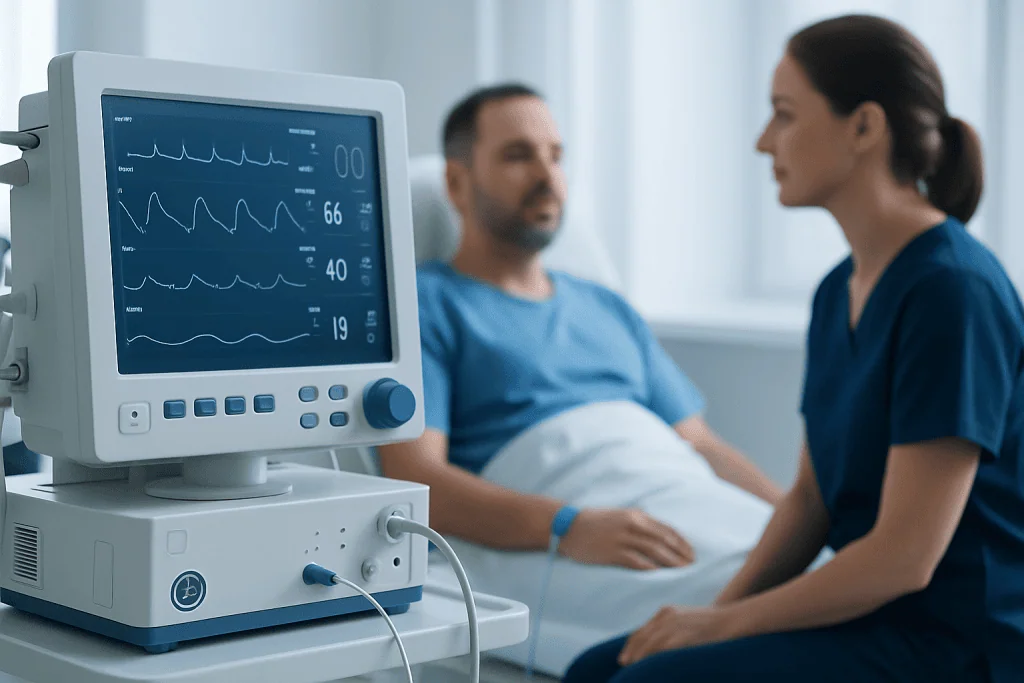
The main part of hypopituitary treatment is replacing the specific missing hormones. When adrenal hormone production is low, doctors prescribe glucocorticoid replacement. This is particularly important because cortisol helps the body respond to infection, injury, surgery and other physical stress. People taking this treatment are usually taught sick-day rules, may need an emergency injection plan, and should carry medical identification.
Low thyroid stimulation is treated with thyroid hormone replacement. In central hypothyroidism caused by pituitary disease, doctors monitor free thyroid hormone levels rather than relying on thyroid-stimulating hormone alone. If both cortisol and thyroid hormones are low, cortisol replacement is generally started first to reduce the risk of triggering adrenal crisis.
Other options may include sex-hormone replacement for low estrogen or testosterone, fertility medicines to stimulate ovulation or sperm production, growth hormone replacement for selected children and adults, and desmopressin for diabetes insipidus caused by insufficient antidiuretic hormone. Treatment decisions are individualized because not every hormone deficiency needs the same approach.
- Medication: replaces deficient hormones or treats certain pituitary tumors.
- Surgery: may be recommended for a tumor causing pressure on nearby structures, hormone overproduction, or worsening vision.
- Radiotherapy: may be considered when a tumor remains active or returns after other care.
- Monitoring: regular blood tests, symptom review, vision assessment and repeat imaging when appropriate.
Who May Need Hypopituitary Treatment?

People may need treatment when tests show low pituitary hormone activity together with low levels of the hormones controlled by the pituitary. Symptoms can be gradual and nonspecific, such as fatigue, weakness, reduced appetite, feeling cold, unexplained weight changes, low mood, loss of libido, menstrual changes or erectile difficulties. In children, poor growth or delayed puberty can be important clues.
Common causes include pituitary adenomas, surgery or radiotherapy near the pituitary, head injury, bleeding into the pituitary, inflammation, infections, autoimmune disease and some genetic conditions. A difficult delivery with major blood loss can rarely damage the pituitary. Some people develop deficiencies after treatment for brain tumors or other conditions affecting the area around the gland.
Not all people with a pituitary finding need the same intervention. For example, a small nonfunctioning lesion with no hormone deficits or pressure symptoms may be monitored. In contrast, a lesion affecting vision, causing severe headaches, or producing significant hormone disruption needs more urgent specialist assessment. Hypopituitarism evaluation helps identify both the missing hormones and the reason they are low.
Diagnosis and Step-by-Step Treatment Planning
Diagnosis begins with a detailed review of symptoms, medicines, previous brain treatment, pregnancy history and family history. An endocrinologist performs a physical examination and orders targeted blood tests. These commonly assess morning cortisol, thyroid hormones, sex hormones, prolactin, growth hormone-related markers and electrolytes. Dynamic stimulation tests may be needed when baseline results do not clearly show whether the adrenal or growth hormone axis is functioning normally.
An MRI scan of the pituitary may identify a tumor, inflammation, bleeding or another structural explanation. Formal visual field testing is often arranged if a lesion is near the optic nerves. The diagnostic process is important because treatment depends on which hormonal pathways are affected and whether there is a cause that requires direct treatment.
Once results are available, the treatment plan is usually developed in stages. First, potentially urgent deficiencies, especially cortisol deficiency and major water-balance problems, are addressed. Next, clinicians add or adjust other replacement hormones. Follow-up testing checks that treatment is safe and effective, while symptoms, blood pressure, weight, bone health, fertility goals and scan results help guide longer-term decisions.
When pituitary surgery is required, it is commonly performed through the nose using minimally invasive techniques. The surgical team evaluates hormone levels before and after the procedure because pituitary function may improve, remain unchanged or occasionally require new replacement treatment. Pituitary tumor surgery may be considered when a tumor is responsible for pressure symptoms or significant hormonal effects.
Recovery, Benefits and Possible Risks
Recovery depends on the cause of hypopituitarism and the treatments needed. People starting hormone replacement may notice improvement in symptoms over days to weeks, although some changes, such as improved bone health, body composition or fertility, can take longer. Dose adjustments are common early in treatment, since the safest effective dose varies between individuals.
After pituitary surgery, hospital recovery and follow-up needs differ according to the procedure and overall health. Doctors monitor for changes in vision, headaches, cerebrospinal fluid leakage, infection, sodium imbalance, diabetes insipidus and changing hormone requirements. Repeat hormone testing is often needed because the gland’s function can evolve during healing.
The benefits of appropriate treatment include relief of symptoms caused by hormone deficiency and protection against complications such as dangerously low blood pressure, low sodium, reduced bone density and impaired fertility. Risks mainly relate to untreated deficiencies, incorrect replacement doses, medication side effects and complications from treating the underlying cause. Regular follow-up helps reduce these risks.
People should never independently stop or substantially alter steroid replacement. Missing doses during illness, vomiting, injury or surgery can be dangerous. A clinician can provide personalized instructions on emergency management, travel planning and when extra medication may be required.
Daily Self-Care and Long-Term Monitoring
Living well with hypopituitarism involves consistent medication use, planned monitoring and knowing when to seek help. Keeping an up-to-date medication list, wearing medical alert identification and sharing the diagnosis with close family members can be especially useful for people with adrenal insufficiency. Those prescribed emergency steroid medication should learn how and when it is used.
Regular appointments allow the care team to review symptoms and blood results, adapt treatment after weight changes, pregnancy, menopause, new medicines or other health conditions, and assess the need for imaging. Bone density testing may be recommended for some people with long-standing sex-hormone deficiency or other risk factors. Children need close growth and puberty monitoring.
Healthy routines support overall wellbeing but do not replace prescribed hormones. Balanced nutrition, regular activity suited to the individual, sleep, avoiding smoking and limiting alcohol can support heart and bone health. Before starting supplements, herbal products or restrictive diets, people should discuss them with their clinician because they can affect medicines or test results.
Acibadem International’s multidisciplinary specialists and JCI-accredited hospitals provide assessment and treatment planning for international patients with pituitary and hormonal conditions.
When to Seek Medical Care
Anyone with persistent symptoms suggesting hormone deficiency should arrange a medical assessment, especially if there is a history of pituitary disease, brain surgery, head injury or radiotherapy. New visual changes, double vision, severe or persistent headache, marked fatigue, loss of periods, sexual dysfunction, excessive thirst or frequent urination also deserve timely evaluation.
Urgent medical care is needed for severe weakness, fainting, confusion, repeated vomiting, severe abdominal pain, very low blood pressure, fever with worsening illness, or inability to keep down prescribed steroid medication. These may be signs of adrenal crisis or another urgent endocrine problem. People known to have cortisol deficiency should follow their emergency plan and seek immediate professional help.
Sudden severe headache with visual disturbance, nausea or reduced consciousness can rarely indicate bleeding into a pituitary tumor, known as pituitary apoplexy. This requires emergency assessment. Prompt care is reassuringly effective at identifying and treating serious complications when they occur.
Frequently asked questions
What is the life expectancy of someone with hypopituitarism?
Life expectancy can be close to normal when hypopituitarism is recognized early, hormone deficiencies are treated appropriately, and follow-up is maintained. Outcomes depend on the underlying cause, the hormones affected and whether a person can safely manage stress-dose treatment for cortisol deficiency. Regular endocrinology care is important because untreated or poorly controlled hormone deficiency can cause serious complications.
How to know if the pituitary is working?
Pituitary function is assessed through symptoms, blood tests and, when needed, dynamic hormone stimulation tests. Doctors measure both pituitary hormones and the hormones made by target glands, such as the thyroid, adrenal glands and ovaries or testes. An MRI scan may be used to look for structural changes in or around the pituitary gland.
Which hormone is lost first in hypopituitarism?
There is no single hormone that is always lost first, because the pattern depends on the cause and location of pituitary damage. Growth hormone and gonadotropins, which control sex-hormone production and fertility, are often affected early in gradually enlarging pituitary lesions. However, cortisol deficiency is the most urgent deficiency to identify because it can become life-threatening during physical stress.
How serious is hypopituitarism?
Hypopituitarism can range from mild and manageable to serious, depending on which hormones are deficient and how quickly the condition develops. Deficiency of cortisol or antidiuretic hormone can require urgent treatment, while other deficiencies may develop gradually. With individualized replacement therapy, education and monitoring, many people manage the condition effectively.
Can hypopituitarism be cured?
Some cases improve when the underlying cause is treated, such as after recovery from certain inflammatory conditions or successful treatment of a reversible pituitary problem. However, many people need long-term or lifelong hormone replacement because damaged pituitary tissue may not fully recover. Follow-up testing helps determine whether hormone needs have changed over time.
What happens if hypopituitarism is left untreated?
Untreated hypopituitarism may lead to persistent fatigue, low blood pressure, low sodium, infertility, sexual and menstrual changes, reduced bone strength and impaired growth in children. Untreated cortisol deficiency can lead to adrenal crisis, particularly during infection, surgery or injury. Medical assessment is important if symptoms suggest a pituitary hormone problem.
References
- Endocrine Society
- National Institute of Diabetes and Digestive and Kidney Diseases
- National Health Service
- Merck Manual Consumer Version
- Mayo Clinic
This article is for general information only and is not a substitute for professional medical advice. Please consult a qualified doctor about your individual situation.
Explore treatments in Turkey — costs, top hospitals & a free quote
JCI-accredited · board-certified surgeons · reply within 24h
Add us as a Preferred Source to see more of our trusted health content across Google Search, AI Overviews and Discover.
Check your numbers in seconds
BMI, calories, due date, blood pressure and 30+ more clinical calculators — free, instant, doctor-reviewed ranges.