Infrared vs Ultraviolet Radiation: Differences Explained

Infrared has longer wavelengths and lower energy than visible light, while ultraviolet has shorter wavelengths and higher energy. Infrared radiation is commonly felt as warmth and may cause burns or heat stress at high intensity.
Key Takeaways
- Infrared has longer wavelengths and lower energy than visible light, while ultraviolet has shorter wavelengths and higher energy.
- Infrared radiation is commonly felt as warmth and may cause burns or heat stress at high intensity.
- Ultraviolet radiation can damage DNA in skin cells and increase the risk of sunburn, premature skin aging, cataracts, and skin cancer.
- Night-vision devices generally detect infrared radiation, not ultraviolet light.
- Red light therapy and infrared therapy are different approaches; suitability depends on the goal, device, and individual health factors.
- Persistent skin changes, burns, vision symptoms, or heat-related illness should be assessed by a healthcare professional.
Infrared and ultraviolet are invisible forms of electromagnetic radiation found on opposite sides of visible light. Infrared is associated mainly with heat, while ultraviolet has higher energy and can cause sunburn, eye injury, and long-term skin damage with excessive exposure.
Overview: Infrared vs Ultraviolet Radiation
Infrared vs ultraviolet radiation refers to two invisible parts of the electromagnetic spectrum with very different wavelengths, energy levels, and health effects. Infrared radiation has longer wavelengths than visible light and is commonly experienced as heat. Ultraviolet (UV) radiation has shorter wavelengths and more energy, which is why excess UV exposure can damage the skin and eyes.
Sunlight contains infrared, visible light, and ultraviolet radiation. The visible portion is the light people can see; infrared lies beyond the red end of visible light, and ultraviolet lies beyond the violet end. Although both can come from the sun and from artificial sources, their practical safety measures are different.
Understanding these differences can help people use heat-based devices sensibly, protect themselves outdoors, and recognize when symptoms following an exposure need medical attention.
What is the difference between infrared and ultraviolet radiation?
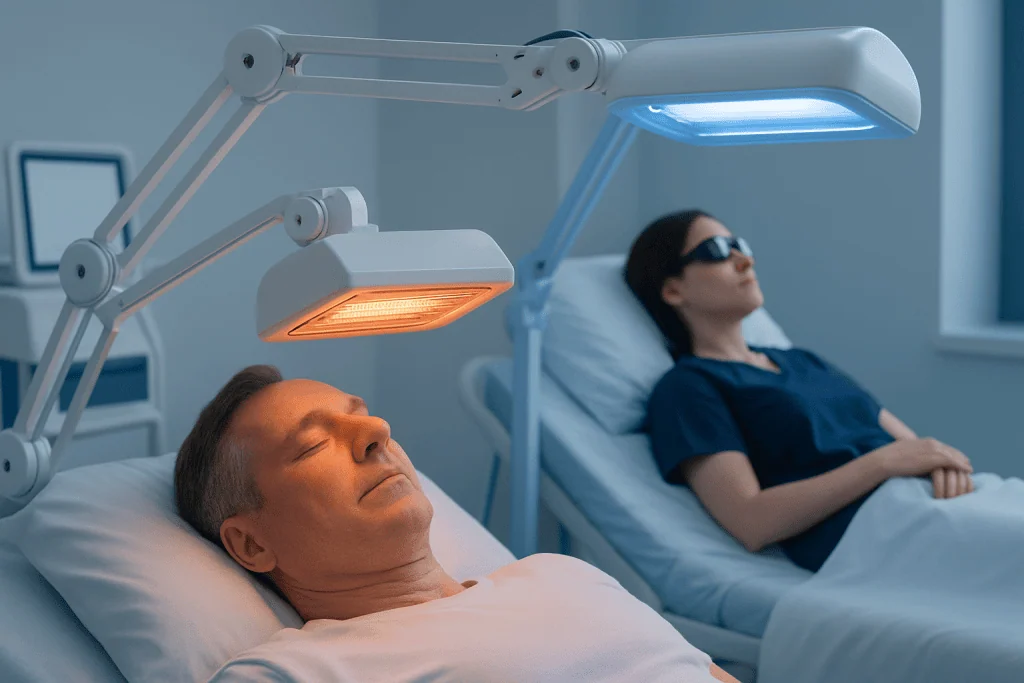
The central difference is position on the electromagnetic spectrum. In an infrared vs ultraviolet vs visible light comparison, infrared has the longest wavelengths, visible light is in the middle, and ultraviolet has the shortest wavelengths. Shorter wavelengths carry more energy, so UV radiation is generally more capable of causing chemical changes in cells and tissues.
In terms of infrared vs ultraviolet frequency, ultraviolet has a higher frequency than visible light, whereas infrared has a lower frequency. The same pattern applies to energy: UV photons carry more energy than infrared photons. Infrared energy is more readily converted to heat in the skin and other materials.
- Infrared: often emitted by warm objects, heaters, heat lamps, and the sun; primarily produces warming effects.
- Visible light: enables vision and includes the colors people see.
- Ultraviolet: includes UVA, UVB, and UVC; UVA and UVB reach the earth’s surface, while most UVC is absorbed by the atmosphere.
Infrared vs ultraviolet wavelengths therefore matter clinically. Prolonged, intense infrared exposure may lead to overheating or thermal burns. UV exposure may cause sunburn in the short term and contribute to skin aging, eye damage, and skin cancer risk over time.
What does infrared radiation do to the body?
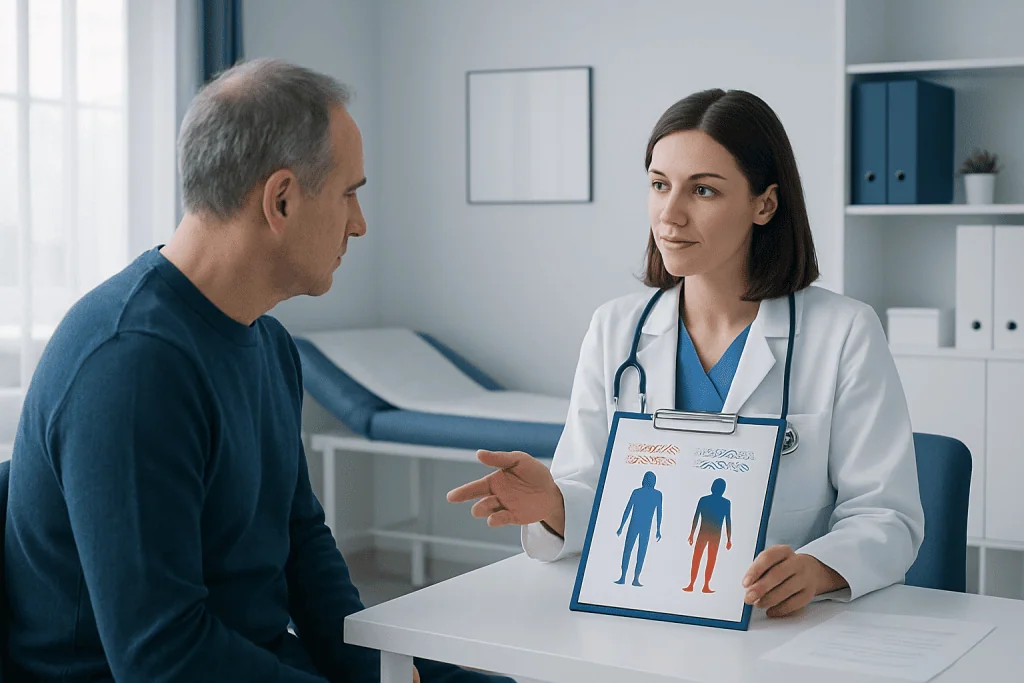
Infrared radiation transfers energy that is commonly felt as warmth. Everyday exposure from sunlight or a warm environment is usually well tolerated when a person stays hydrated, avoids excessive heat, and takes breaks as needed. The body also produces and releases infrared energy as part of normal heat regulation.
At higher intensity or with prolonged close contact, infrared can raise skin temperature enough to cause redness, dehydration, heat exhaustion, burns, or heat stress. The risk is greater with hot lamps, industrial equipment, saunas, heating pads, and devices used too close to the body or for longer than instructed. People with reduced sensation, poor circulation, diabetes-related nerve damage, or difficulty recognizing heat may be at higher risk of burns.
Some infrared-based devices are used in healthcare and wellness settings, including devices intended to warm tissue or support comfort during rehabilitation. Their benefits and limitations depend on the device type, the condition being addressed, and appropriate supervision. Heat should not be used over an acute injury with significant swelling, an area of reduced sensation, or unexplained pain without professional advice.
Is night vision UV or IR?
Most night-vision systems use infrared (IR), not ultraviolet radiation. Some devices detect naturally occurring near-infrared light reflected from objects, while others use an infrared illuminator that is not visible to the human eye. The device then converts that information into an image that the viewer can see.
Thermal imaging is related but not identical to conventional night vision. Thermal cameras detect longer-wave infrared energy emitted as heat by people, animals, vehicles, and other objects. This allows an image to be created even in complete darkness, although the image does not show normal visual detail or color.
Ultraviolet imaging has specialized uses, such as examining certain materials, detecting fluorescence, or supporting forensic and industrial work. It is not the usual technology for seeing in the dark because UV light is not typically the most useful source of nighttime scene information.
What is better for you, red light therapy or infrared?
Neither red light therapy nor infrared therapy is universally “better.” They use different parts of the spectrum and may be promoted for different purposes. Red light therapy typically uses visible red light, while near-infrared therapy uses wavelengths just beyond visible red light that may reach somewhat deeper into tissue.
Research is ongoing for selected uses of photobiomodulation, the term often used for low-level red and near-infrared light treatments. Evidence and device quality vary by condition, and these treatments should not replace established medical care for significant pain, skin disease, infection, injury, or other health concerns. Claims that a home device can cure disease, detoxify the body, or replace professional treatment should be viewed cautiously.
Suitability depends on the intended goal, skin type, medications, eye safety, and medical history. A clinician can help determine whether light-based therapy is reasonable and whether another approach may be more appropriate. People considering treatment for a skin concern may benefit from a dermatology assessment, particularly if a lesion is new, changing, painful, or bleeding.
Safety, prevention, and everyday exposure
Protection from ultraviolet exposure is an important part of skin and eye health. Practical measures include seeking shade when UV levels are high, wearing protective clothing and a broad-brimmed hat, using UV-blocking sunglasses, and applying broad-spectrum sunscreen as directed. Tanning beds expose the skin to UV radiation and are not a safe alternative to sunlight.
Infrared safety is mainly about preventing excessive heat. Follow device instructions, avoid falling asleep with heating pads or heat lamps, keep a safe distance from heat sources, and stop use if the skin becomes painful, intensely red, numb, or blistered. Children, older adults, and people with impaired sensation may need closer supervision around heat-producing devices.
Workplace exposures may require specific protective equipment. For example, welding, manufacturing, glasswork, and laboratory environments can involve intense light, heat, or UV sources. Employers should provide safety training and appropriate eye and skin protection for the task.
For persistent sun-related skin concerns, a clinician may recommend assessment and monitoring. Information about skin cancer can help patients understand why regular skin checks and timely evaluation of suspicious lesions are important.
When to seek medical care
Medical advice is appropriate for a severe sunburn, blistering burn, signs of heat illness, eye pain after intense light exposure, or a burn that is large, deep, or located on the face, hands, feet, genitals, or over a major joint. Urgent assessment is needed for confusion, fainting, chest pain, trouble breathing, seizures, or a very high body temperature in a hot environment.
A doctor should also assess a mole or skin spot that changes in size, shape, color, or sensation, as well as a sore that does not heal or a lesion that bleeds without a clear reason. Early review is reassuring for many people and supports prompt treatment when needed.
Acibadem International’s multidisciplinary specialists and JCI-accredited hospitals support international patients with assessment and treatment for skin, eye, and heat-related health concerns. A qualified healthcare professional can advise on safe use of light- or heat-based devices and investigate symptoms that do not improve.
Frequently asked questions
Is infrared radiation harmful?
Infrared radiation is not automatically harmful; ordinary exposure from sunlight and warm objects is part of daily life. However, intense or prolonged exposure can overheat tissue and cause burns, dehydration, or heat illness. Safe distance, limited exposure time, and correct use of heat-producing devices reduce risk.
Why is ultraviolet radiation more harmful than infrared?
Ultraviolet radiation has shorter wavelengths and higher energy than infrared radiation. This higher energy can cause changes in skin cells and damage structures in the eyes, especially with repeated or unprotected exposure. Infrared mainly produces heat, although high-intensity infrared can still cause thermal injury.
Can infrared light cause skin cancer?
Infrared is not considered a primary cause of skin cancer in the way ultraviolet radiation is. Its main hazard is heat-related injury, particularly from intense sources or repeated exposure to high temperatures. People should still protect their skin from excessive heat and seek advice for any persistent skin changes.
Does glass block infrared and ultraviolet radiation?
The answer depends on the type of glass and the wavelength involved. Standard window glass blocks most UVB but allows much of UVA and visible light to pass through; it can also transmit some infrared radiation. Special coatings, laminated glass, and protective films may reduce selected UV or infrared wavelengths.
Can ultraviolet radiation damage the eyes?
Yes. Excessive UV exposure can contribute to short-term eye irritation and, over time, may increase the risk of conditions such as cataracts and damage to the eye surface. Sunglasses labeled as providing UV protection and a brimmed hat can help reduce exposure outdoors.
Are red light and infrared light the same thing?
They are related but not the same. Red light is visible, while infrared light is invisible and lies just beyond the red portion of the visible spectrum. Some therapeutic devices combine red and near-infrared wavelengths, but the expected effects and evidence may differ by device and intended use.
References
- World Health Organization
- U.S. Food and Drug Administration
- American Academy of Dermatology Association
- National Institute for Occupational Safety and Health
- International Commission on Non-Ionizing Radiation Protection
This article is for general information only and is not a substitute for professional medical advice. Please consult a qualified doctor about your individual situation.
Explore treatments in Turkey — costs, top hospitals & a free quote
JCI-accredited · board-certified surgeons · reply within 24h
Add us as a Preferred Source to see more of our trusted health content across Google Search, AI Overviews and Discover.

More from the Health Library



Related Specialists

Dt. Doğa Baysal
Oral and Dental Health
Dr. Feyyaz Kabadayi
Pulmonology
Prof. Dr. İbrahim Bildirici
Gynecology & Obstetrics
Dt. Müge Tiralı Türkkan
Oral & Dental Health