Psif Surgery: Procedure, Recovery and Results
PSIF is a spinal fusion approach performed through the back of the body, often using screws and rods for stability. It may be considered for spinal instability, deformity, certain fractures, spondylolisthesis or nerve compression that has not improved with nonsurgical care.
Key Takeaways
- PSIF is a spinal fusion approach performed through the back of the body, often using screws and rods for stability.
- It may be considered for spinal instability, deformity, certain fractures, spondylolisthesis or nerve compression that has not improved with nonsurgical care.
- Bone fusion takes months, while early movement, wound care and guided rehabilitation begin much sooner.
- Pain, stiffness and fatigue are common during recovery, but severe or worsening symptoms need prompt medical assessment.
- Following individual lifting, bending, twisting and activity instructions helps protect the healing fusion.
PSIF surgery, or posterior spinal instrumented fusion, stabilizes an unstable or painful part of the spine with implants and bone graft so the involved vertebrae can heal together. Recovery is gradual and varies with the spinal level treated, the reason for surgery, the number of levels fused and a person’s overall health.
PSIF Surgery: What It Is and How It Works
PSIF surgery means posterior spinal instrumented fusion. “Posterior” refers to reaching the spine through an incision in the back, “instrumented” means implants such as pedicle screws and rods are used, and “fusion” means bone graft is placed to encourage two or more vertebrae to grow together into one stable unit.
The aim is not simply to place hardware. The screws and rods provide support while the bone heals, but long-term stability depends on a successful biological fusion. The procedure may be performed in the cervical, thoracic or lumbar spine, depending on the condition being treated. It can also be combined with decompression, such as removing bone or soft tissue that is pressing on nerves.
PSIF is an umbrella term rather than one identical operation. In the lower back, surgeons may use a posterior lumbar interbody fusion (PLIF) or transforaminal lumbar interbody fusion (TLIF) when an interbody spacer and graft are placed between vertebral bodies. The exact surgical plan is individualized after clinical assessment and imaging.
Who May Be a Candidate for Posterior Spinal Instrumented Fusion?
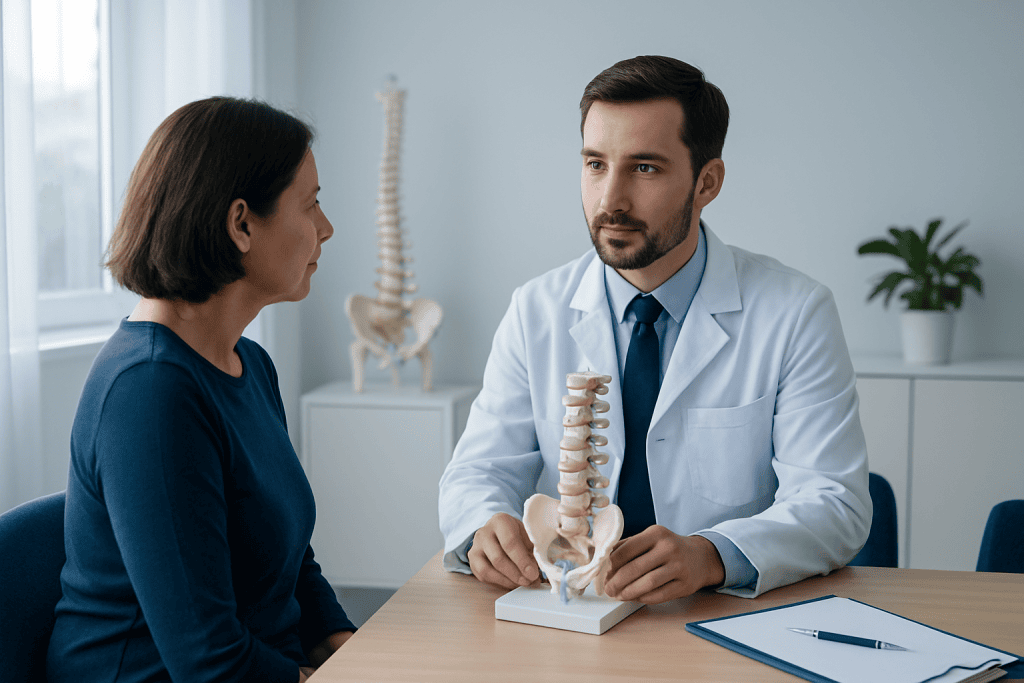
PSIF surgery may be considered when a spinal segment is unstable, misaligned or severely damaged and symptoms remain significant despite suitable nonsurgical treatment. Depending on the individual situation, this may include physical therapy, activity modification, medicines, injections or management of underlying bone-health concerns.
Conditions that can lead to consideration of fusion include spondylolisthesis, spinal deformity, some spinal fractures, recurrent disc problems, degenerative instability, infection or tumors affecting stability. Fusion is sometimes performed with decompression when nerve pressure causes persistent leg pain, weakness or difficulty walking. Not every person with back pain or a disc problem needs fusion; many improve without surgery.
Assessment usually includes a medical history, physical and neurological examination, and imaging such as X-rays, MRI or CT. The surgical team also considers smoking or nicotine use, diabetes, osteoporosis, nutritional status, infection risk, previous operations and the person’s goals. Stopping nicotine before and after surgery is especially important because it can impair bone healing.
For people considering a surgical discussion, spinal fusion surgery should be explained alongside reasonable alternatives, expected benefits, limitations and the recovery commitment.
PSIF Surgery Step by Step
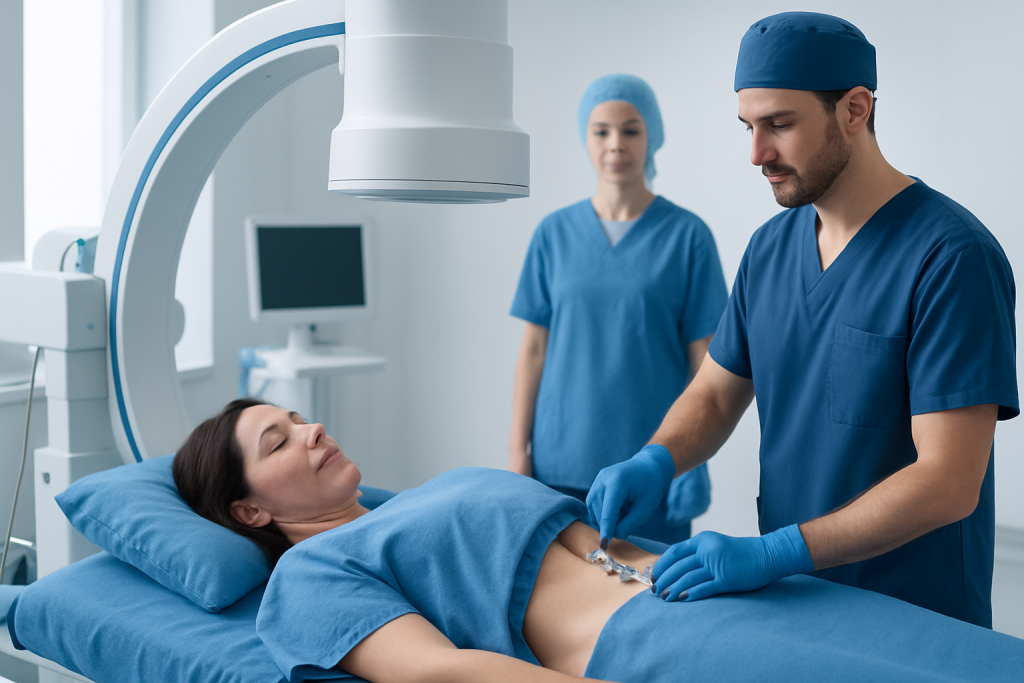
Before surgery, the team reviews imaging, medications, allergies and anesthesia needs. Some medicines may need to be adjusted before the procedure, but patients should only do this under guidance from their own clinicians. Surgery is performed under general anesthesia, so the person is asleep and does not feel the operation.
The surgeon makes an incision over the planned area of the spine and carefully exposes the relevant bones. If needed, decompression is performed to create more room for compressed nerves. Pedicle screws are inserted into selected vertebrae using anatomical landmarks and, in many centers, imaging or navigation technology to support accurate placement. Rods are connected to the screws to stabilize the spine and, when appropriate, improve alignment.
Bone graft is then placed along the prepared spinal surfaces. In PLIF or TLIF procedures, the surgeon may also place a spacer containing graft material into the disc space after removing damaged disc tissue. The wound is closed, and some patients may have a temporary drain. Procedure length, blood loss and hospital stay vary considerably according to the diagnosis, number of spinal levels and whether other procedures are performed at the same time.
Afterward, patients are monitored for pain control, circulation, neurological function and early recovery from anesthesia. The team encourages safe movement as soon as medically appropriate, often with help from nursing and physiotherapy staff.
Benefits, Limitations and Possible Risks
The potential benefits of PSIF surgery are improved spinal stability, relief of pain caused by instability or nerve compression, protection of neurological function in selected situations and better ability to take part in daily activities. Where a deformity or slip is contributing to symptoms, restoring or preserving alignment may also be part of the goal.
Results are influenced by the original condition, nerve damage before surgery, the number of levels treated, general health and adherence to postoperative guidance. Fusion does not guarantee that all back pain will disappear. Some symptoms may take time to improve, particularly when nerves have been irritated or compressed for a long period.
All major spine operations carry risks. These include bleeding, blood clots, wound problems, infection, reactions to anesthesia, nerve injury, fluid leak around the spinal cord, ongoing pain, implant problems and failure of the bones to fuse fully, called nonunion or pseudarthrosis. Adjacent spinal segments may also experience increased stress over time. The surgical team discusses the risks most relevant to the planned operation and explains how they are reduced.
Contacting the care team promptly about concerning symptoms can make recovery safer. Patients should follow their surgeon’s instructions for activity, wound care, medicines and follow-up imaging rather than relying on a generic online recovery plan.
Recovery Timeline and PLIF Surgery Rehab Protocol
Recovery after PSIF begins in hospital with pain management, breathing exercises, wound monitoring and short, supported walks. Depending on the surgery and individual health, discharge may occur after several days or require a longer stay. A brace is used for some procedures, but not for all; its use depends on the surgeon’s plan.
During the first several weeks, fatigue, incision discomfort and stiffness are common. A PLIF surgery rehab protocol typically emphasizes frequent gentle walking, safe ways to sit, stand and get out of bed, and gradual increases in activity. Early rehabilitation is usually focused on mobility rather than intensive strengthening. Formal physical therapy may start in hospital, after discharge or later, based on the procedure and recovery progress.
PLIF surgery precautions often include avoiding heavy lifting, repetitive bending, twisting at the waist and high-impact activity until the surgeon advises otherwise. Patients may be taught to move their body as one unit when getting in and out of bed and to avoid prolonged sitting. Specific restrictions differ by operation, so an individual care plan takes priority over general guidance.
PLIF surgery recovery time is often measured in months rather than days. Many people resume light daily activities progressively over the first 6 to 12 weeks, while bone fusion commonly continues for several months and can take up to a year or longer. Follow-up appointments and imaging help the surgeon monitor healing, alignment and implant position.
What to Expect 2 Weeks After Spinal Fusion?
At two weeks after spinal fusion, many patients are still in the early healing stage. Incision tenderness, muscle tightness, tiredness and a need for regular rest are expected for many people. Walking short distances several times a day may be encouraged, but activity levels should remain within the limits set by the surgical team.
A follow-up visit may be scheduled around this time to check the wound, discuss symptoms and review mobility. Some people are still using prescribed pain medicine, while others are reducing it gradually according to medical advice. Numbness, tingling or nerve-related discomfort may improve slowly and can fluctuate as irritated nerves recover.
New or worsening weakness, severe uncontrolled pain, fever, wound redness that is spreading, drainage, calf swelling, chest pain, shortness of breath or new bladder or bowel problems should be assessed urgently. These symptoms do not necessarily mean there is a serious complication, but they should not be managed by waiting at home.
How Painful Is Recovery From SI Joint Fusion?
Recovery from sacroiliac, or SI joint, fusion can involve pain around the surgical site, buttock and pelvis, especially during the first days and weeks. The experience differs from posterior lumbar fusion because the location, surgical technique and weight-bearing guidance are different. Some people require temporary use of crutches or another walking aid to limit stress across the healing joint.
Pain is managed with a personalized plan that may include prescribed medicines, ice or other non-drug measures, gradual movement and sleep-position advice. It is helpful to distinguish normal postoperative soreness from pain that is rapidly worsening, accompanied by fever or wound changes, or associated with new neurological symptoms.
People with pelvic or lower-back pain may need careful diagnosis because symptoms can overlap with lumbar spine, hip and nerve conditions. A clinician can determine whether the SI joint is likely to be the pain source and whether nonsurgical measures or a procedure are appropriate.
Is Spinal Fusion the Hardest Surgery to Recover From? What Is Life Like After TLIF Surgery?
Spinal fusion is a substantial operation, but it is not possible to rank it as the “hardest” surgery to recover from. Recovery difficulty depends on the extent of surgery, the spinal region, pre-existing pain or neurological symptoms, age, physical condition, emotional wellbeing, support at home and complications. A one-level minimally invasive procedure and a complex multilevel reconstruction can have very different recovery experiences.
Life after TLIF surgery is usually a gradual return to daily routines rather than an immediate return to previous activity. In the early phase, people often balance short walks and gentle activity with rest. As healing progresses, they may build endurance, return to work at a pace appropriate for its physical demands and begin more structured rehabilitation when cleared.
Many people can sit, travel, sleep and exercise more comfortably over time, although some degree of stiffness may remain because the fused segment no longer moves. Protecting the spine with good lifting technique, regular movement, healthy weight management and avoiding nicotine supports long-term spinal health. The treating surgeon can provide individualized expectations for driving, work, sports and sexual activity.
Acibadem International’s multidisciplinary spine specialists at JCI-accredited hospitals can assess spinal conditions and coordinate surgical, rehabilitation and follow-up care for international patients.
When to Seek Medical Care
Medical evaluation is appropriate for back or neck pain that is persistent, limits usual activities, radiates into an arm or leg, or is associated with numbness, tingling or weakness. A prompt assessment is also important after trauma, particularly in older adults or people with osteoporosis.
Urgent care is needed for new loss of bladder or bowel control, numbness around the groin or inner thighs, rapidly progressing weakness, inability to walk safely, fever with severe back pain, or severe pain after a significant injury. These symptoms require timely assessment because they can indicate conditions needing urgent treatment.
After PSIF surgery, patients should contact their surgical team for increasing wound pain, redness, warmth, drainage, fever, new weakness, worsening numbness, severe headache, calf swelling, chest pain or shortness of breath. The team can advise whether symptoms require an urgent visit, emergency care or routine follow-up.
Frequently asked questions
What does PSIF stand for in spine surgery?
PSIF stands for posterior spinal instrumented fusion. It describes a spinal fusion performed through the back, using implants such as screws and rods to stabilize the treated vertebrae while bone graft heals.
How long does it take to recover from PSIF surgery?
Early recovery generally takes weeks, while recovery of strength and function continues over months. Bone fusion itself commonly takes several months and may take a year or longer, depending on the surgery and individual healing factors.
Can a person walk after posterior spinal fusion?
Many patients are encouraged to walk with assistance soon after surgery, as medically appropriate. Walking plans vary, and some people may need a brace or walking aid temporarily.
What should be avoided after PLIF surgery?
Patients are commonly asked to avoid heavy lifting, repeated bending, twisting and high-impact activities early in recovery. The exact restrictions, including when to drive, work or exercise, should come from the operating surgeon.
Is a spinal fusion permanent?
The goal of fusion is permanent bone healing between the treated vertebrae. The rods and screws may remain in place long term, although they can occasionally require further attention if a complication develops.
Will nerve pain disappear immediately after spinal fusion?
Nerve symptoms may improve gradually rather than immediately, especially if a nerve was compressed or irritated for a long time before surgery. Some people experience temporary fluctuations in tingling or discomfort during recovery, and persistent or worsening symptoms should be discussed with the surgical team.
References
- American Academy of Orthopaedic Surgeons
- American Association of Neurological Surgeons
- North American Spine Society
- National Institute of Arthritis and Musculoskeletal and Skin Diseases
- MedlinePlus
This article is for general information only and is not a substitute for professional medical advice. Please consult a qualified doctor about your individual situation.
Joint and spine care in Turkey — expert assessment & treatment
JCI-accredited · board-certified surgeons · reply within 24h
Add us as a Preferred Source to see more of our trusted health content across Google Search, AI Overviews and Discover.