Ir Surgery: Procedure, Recovery and Results
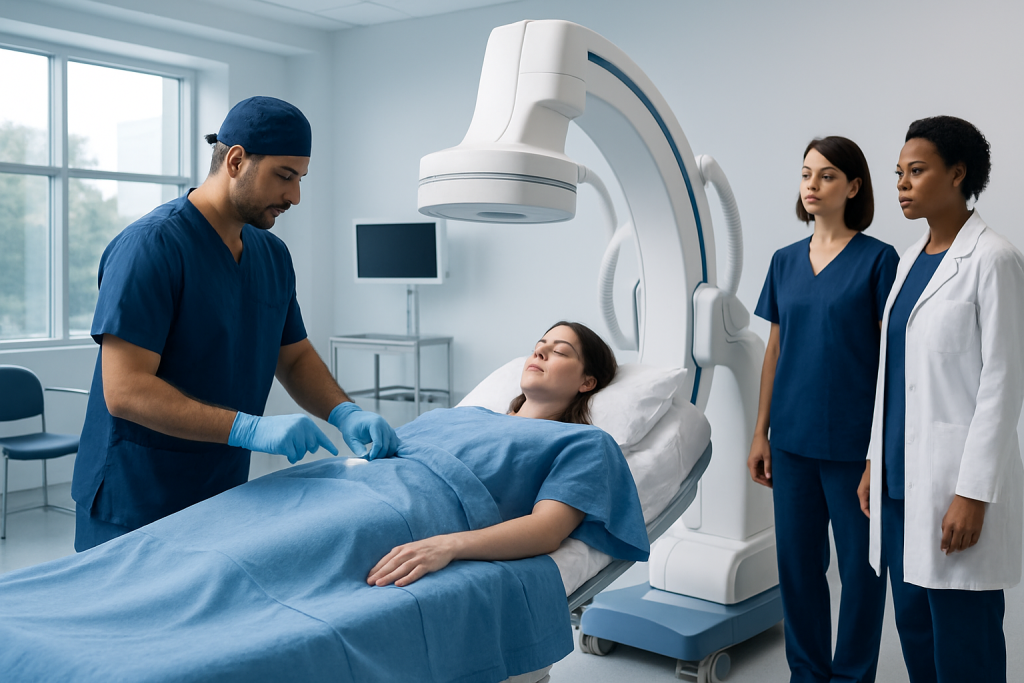
IR surgery is performed by interventional radiologists using imaging such as ultrasound, X-ray fluoroscopy, CT, or MRI guidance. It may be used to open narrowed blood vessels, control bleeding, drain infections, take biopsies, deliver targeted cancer treatment, and more.
Key Takeaways
- IR surgery is performed by interventional radiologists using imaging such as ultrasound, X-ray fluoroscopy, CT, or MRI guidance.
- It may be used to open narrowed blood vessels, control bleeding, drain infections, take biopsies, deliver targeted cancer treatment, and more.
- Many procedures use local anesthesia with sedation, although some require general anesthesia.
- The best option depends on the diagnosis, anatomy, overall health, and goals of treatment.
- Patients should follow individualized aftercare instructions and seek prompt advice for concerning symptoms after a procedure.
IR surgery, short for interventional radiology surgery, describes image-guided procedures that treat or diagnose conditions through small skin openings rather than large surgical incisions. Recovery and results vary by procedure and health condition, but many patients benefit from less tissue disruption and a shorter hospital stay than with some open operations.
What Is IR Surgery?
IR surgery meaning is interventional radiology surgery: a group of minimally invasive procedures performed with real-time imaging guidance. An interventional radiologist uses tools such as ultrasound, X-ray fluoroscopy, computed tomography (CT), or magnetic resonance imaging (MRI) to guide a needle, catheter, wire, or small device precisely to the area being treated.
Rather than making a large incision, the specialist often enters through a tiny puncture in the skin, commonly at the wrist, groin, neck, or abdomen. This approach can allow diagnosis or treatment with less disruption to surrounding tissues. However, IR surgery is not one single operation; it is a specialty that includes many different procedures, each with its own purpose, preparation, risks, and expected results.
An IR surgery room is a specialized procedure suite with advanced imaging equipment, sterile facilities, monitoring equipment, and a trained team. Depending on the procedure, the team may include an interventional radiologist, nurses, radiographers, anesthesiology professionals, and specialists from vascular medicine, oncology, surgery, gastroenterology, or other fields.
How Image-Guided Procedures Work
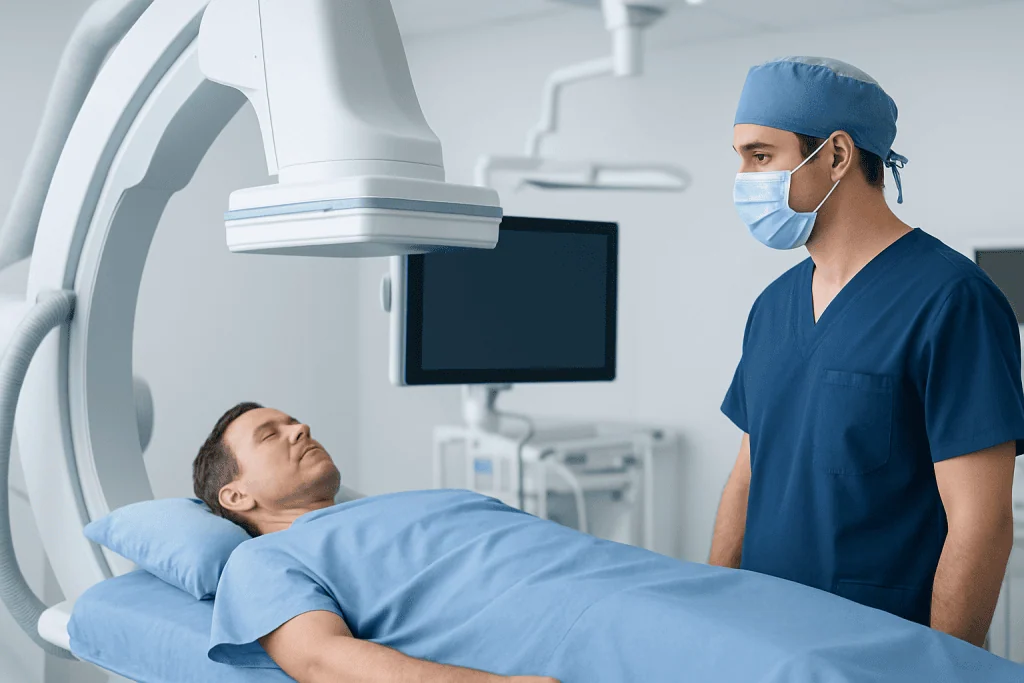
During an IR procedure surgery, imaging acts as a live roadmap. For example, fluoroscopy can show a catheter moving through blood vessels, ultrasound can guide a needle into a fluid collection, and CT can help target a lesion for biopsy. Contrast material may sometimes be used to make blood vessels, organs, or other structures easier to see.
Common interventional radiology procedures include angioplasty and stent placement for narrowed vessels, embolization to reduce blood flow to a bleeding vessel or tumor, drainage of abscesses or bile ducts, placement of feeding tubes or vascular access devices, and image-guided biopsies. Some treatments may be alternatives to open surgery, while others are used alongside surgery, medication, radiation therapy, or chemotherapy.
For vascular conditions, angioplasty and stent placement may restore blood flow through a narrowed artery. In cancer care, image-guided therapies can sometimes deliver treatment directly to a tumor or manage complications. The appropriate technique is selected only after a careful clinical assessment.
Who May Be a Candidate for IR Surgery?

A person may be considered for IR surgery when a minimally invasive image-guided approach can safely address their medical need. Candidates include people with certain blood vessel problems, bleeding, infections requiring drainage, narrowed ducts, cancer-related treatment needs, or a need for tissue sampling. The procedure may be planned in advance or performed urgently, such as when bleeding needs to be controlled.
Suitability depends on more than the diagnosis. The care team considers the location and size of the problem, the person’s symptoms, previous treatments, allergies to contrast agents, kidney function, blood-clotting status, medications, pregnancy status where relevant, and ability to tolerate anesthesia or sedation. Not every condition can be treated with an IR approach, and conventional surgery may remain the safer or more effective option for some people.
A multidisciplinary discussion is often valuable. For example, a patient with cancer may need input from oncology, surgery, pathology, and interventional radiology. A patient with vascular disease may be assessed alongside cardiology or vascular surgery. A referral can begin with the treating clinician, and an ir procedure request should include the clinical question, relevant imaging, medical history, medicines, laboratory results, and the reason an image-guided procedure is being considered.
What Happens Before and During the Procedure?
Preparation starts with a review of the medical record and imaging studies. The team explains the expected benefits, alternatives, and possible complications, and obtains informed consent. Patients may need blood tests, particularly to assess kidney function and blood clotting. Instructions about fasting, diabetes medicines, blood thinners, and other regular medicines should be followed exactly; patients should not stop prescribed medication without advice from their clinician.
On the day, the patient is checked in, changed into a gown, and connected to monitors that track heart rate, blood pressure, and oxygen level. An intravenous line may be placed. The skin entry site is cleaned and numbed with local anesthetic. Many procedures use conscious or moderate sedation, which helps a person relax and may make them drowsy while they continue breathing independently. Some more complex procedures require general anesthesia.
The specialist then makes a very small skin puncture, inserts the required instruments under imaging guidance, and performs the planned treatment or diagnostic sampling. At the end, the instruments are removed and pressure, a closure device, or a small dressing is applied. Procedure length can range from a short biopsy or drainage to several hours for more complex vascular or cancer-directed treatment.
Patients should tell the team promptly if they feel pain, shortness of breath, itching, nausea, warmth after contrast injection, or any new symptom during the procedure. The care team can assess these symptoms and adjust treatment or monitoring as needed.
Recovery Timeline and Expected Results
Recovery depends strongly on the type of procedure, anesthesia used, the access site, and the underlying condition. After a simple outpatient procedure, a person may spend several hours in a recovery area before going home with a responsible adult. After more complex treatment, an overnight stay or longer hospital observation may be needed.
For the first day or two, mild soreness, bruising, tiredness, or tenderness at the puncture site can be expected. Patients may be advised to rest, drink fluids if appropriate, keep the dressing clean and dry, and avoid strenuous activity or heavy lifting for a specified period. Driving, alcohol, work, bathing, and restarting medicines should follow the individual discharge instructions, because recommendations differ between procedures.
The phrase ir after surgery may refer to an interventional radiology procedure performed after an operation. This can be used, for example, to investigate or manage postoperative bleeding, drain a collection of fluid or infection, place a drainage tube, or treat a narrowed vessel or duct. In selected situations, an image-guided treatment may help avoid another major operation, but the decision is individualized.
Results may be immediate, such as stopping active bleeding or relieving a blockage, or they may develop over days to weeks. Follow-up imaging, laboratory testing, and clinic review can confirm whether treatment has achieved its intended result. Some conditions require repeat procedures or additional medical, surgical, or cancer treatments.
Benefits and Possible Risks
Potential benefits of IR surgery include smaller skin openings, reduced injury to surrounding tissue, less postoperative discomfort for some procedures, and a potentially faster return to usual activities compared with certain open operations. It can also provide access to areas of the body that would otherwise be difficult to reach. These advantages do not mean every IR procedure is minor; many are technically complex and require careful planning.
Possible risks include bleeding, bruising, infection, pain, injury to a blood vessel or nearby organ, blood clots, contrast-related reactions, and complications related to sedation or anesthesia. Depending on the procedure, there may also be a risk that treatment is incomplete, that a device becomes blocked or moves, or that further intervention is needed. Radiation exposure from fluoroscopy or CT is kept as low as reasonably achievable while maintaining safe guidance.
The interventional radiologist discusses risks in relation to the specific procedure and the patient’s individual health. People should share a full list of medicines and supplements, especially anticoagulants, antiplatelet medicines, diabetes treatments, and herbal products. They should also report prior reactions to contrast material, kidney disease, bleeding disorders, and possible pregnancy.
When to Seek Medical Care
Patients should contact their care team if they have increasing pain, persistent vomiting, worsening redness or drainage at the access site, fever, or concerns about a dressing or drainage tube. The team can advise whether symptoms are expected during recovery or whether an assessment is needed.
Urgent medical care is important for heavy or uncontrolled bleeding, rapidly increasing swelling at an access site, severe chest pain, difficulty breathing, fainting, sudden weakness or numbness, confusion, a cold or pale limb, or signs of a severe allergic reaction such as swelling of the lips or tongue. These symptoms are uncommon but should not be ignored.
Follow-up appointments are an important part of treatment, even when a person feels well. At Acibadem International, multidisciplinary specialists in JCI-accredited hospitals can assess and treat suitable conditions with image-guided procedures for international patients, coordinating care with the relevant medical and surgical teams.
Frequently asked questions
Is IR surgery the same as regular surgery?
IR surgery is different from conventional open surgery because it generally uses imaging guidance and small skin punctures instead of a large incision. It may be an alternative to surgery for some conditions, but it can also complement surgery or be used after an operation. The most suitable approach depends on the condition and individual circumstances.
Is an IR procedure painful?
Local anesthetic is commonly used to numb the skin, and many patients also receive sedation to help them feel relaxed. They may feel pressure, brief discomfort, or warmth from contrast material, depending on the procedure. The team monitors comfort throughout and can provide pain relief when appropriate.
How long does recovery take after IR surgery?
Recovery can range from a few hours after a straightforward outpatient procedure to days or longer after a complex intervention. Mild bruising and soreness at the entry site are common for a short period. The treating team provides procedure-specific advice about activity, wound care, medicines, and follow-up.
Can IR surgery be used after an operation?
Yes, interventional radiology may sometimes be used after surgery to manage issues such as bleeding, fluid collections, abscesses, or blocked ducts. It can offer a less invasive way to diagnose or treat certain postoperative complications. Whether it is appropriate depends on the patient’s stability, imaging findings, and surgical history.
What should a patient ask before an IR procedure?
Useful questions include why the procedure is recommended, what alternatives exist, what anesthesia or sedation is planned, and what recovery will involve. Patients should also ask about medication changes, especially if they take blood thinners or diabetes medicines. They should make sure the team knows about allergies, kidney disease, pregnancy, and previous reactions to contrast material.
Will an IR procedure always avoid surgery?
No. An IR procedure may reduce the need for open surgery in selected cases, but it is not suitable for every diagnosis. Some people need surgery because it provides the most reliable or complete treatment. Others may need both image-guided treatment and surgery as part of coordinated care.
References
- Society of Interventional Radiology
- Radiological Society of North America
- National Institute of Biomedical Imaging and Bioengineering
- National Health Service
This article is for general information only and is not a substitute for professional medical advice. Please consult a qualified doctor about your individual situation.
Explore treatments in Turkey — costs, top hospitals & a free quote
JCI-accredited · board-certified surgeons · reply within 24h
Add us as a Preferred Source to see more of our trusted health content across Google Search, AI Overviews and Discover.
Check your numbers in seconds
BMI, calories, due date, blood pressure and 30+ more clinical calculators — free, instant, doctor-reviewed ranges.