Is Bowel Leakage a Sign of Cancer? Causes, Explanations, and Next Steps
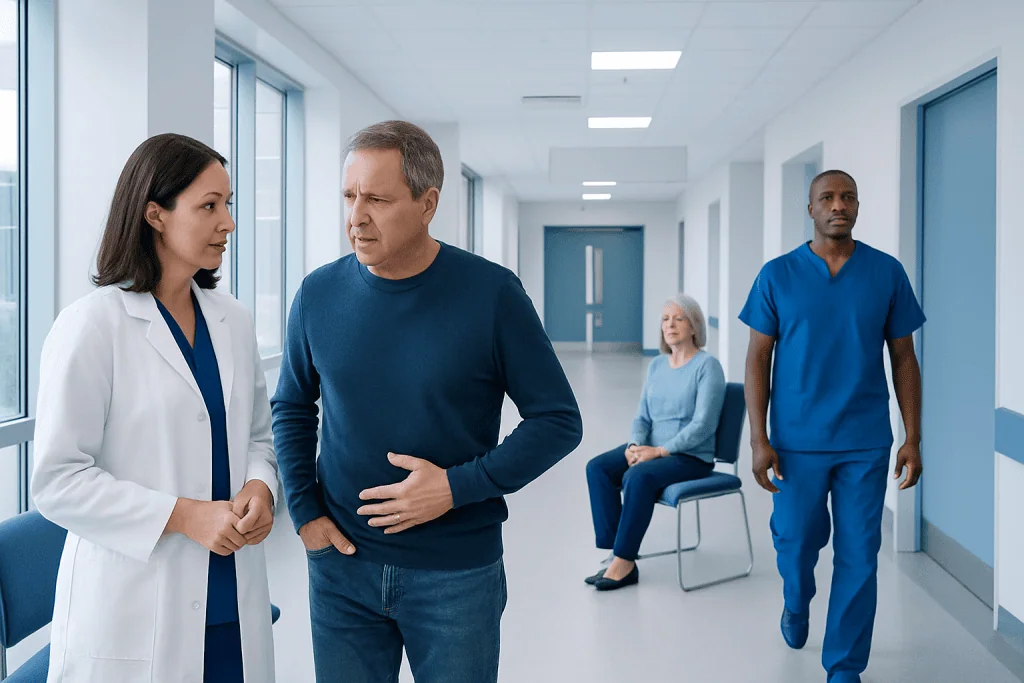
Most bowel leakage is caused by non-cancer conditions such as constipation, diarrhea, muscle weakness, or hemorrhoids. Cancer is less common, but leakage should be assessed if it occurs with rectal bleeding, unexplained weight loss, anemia, abdominal pain, or a change in bowel habits.
Key Takeaways
- Most bowel leakage is caused by non-cancer conditions such as constipation, diarrhea, muscle weakness, or hemorrhoids.
- Cancer is less common, but leakage should be assessed if it occurs with rectal bleeding, unexplained weight loss, anemia, abdominal pain, or a change in bowel habits.
- Doctors evaluate bowel leakage by asking about symptoms, examining the rectal area, and sometimes using stool tests, blood tests, colonoscopy, or imaging.
- Treatment depends on the cause and may include diet changes, bowel habit training, pelvic floor therapy, medication, or treatment of an underlying disease.
- Anyone with new, persistent, or worsening bowel leakage should speak with a qualified doctor rather than self-diagnosing.
Bowel leakage is usually not a sign of cancer. More often, it is linked to constipation, diarrhea, pelvic floor weakness, hemorrhoids, nerve problems, or bowel disorders, but certain red flags deserve prompt medical evaluation.
Overview: Is bowel leakage a sign of cancer?
In most cases, bowel leakage is not a sign of cancer. It is more commonly related to everyday digestive or pelvic floor problems, such as loose stools, constipation with overflow leakage, muscle weakness, hemorrhoids, childbirth-related injury, or irritation of the rectum and anus.
That said, bowel leakage should not be ignored if it is new, persistent, or accompanied by other concerning symptoms. A doctor may want to investigate further if leakage happens along with rectal bleeding, unexplained weight loss, ongoing abdominal pain, iron-deficiency anemia, or a noticeable change in bowel habits.
The reason for medical review is not to assume cancer, but to rule out important causes and identify the real problem early. Many people feel embarrassed discussing bowel leakage, yet it is a common symptom and doctors assess it in a routine, practical, and respectful way.
What bowel leakage can feel like
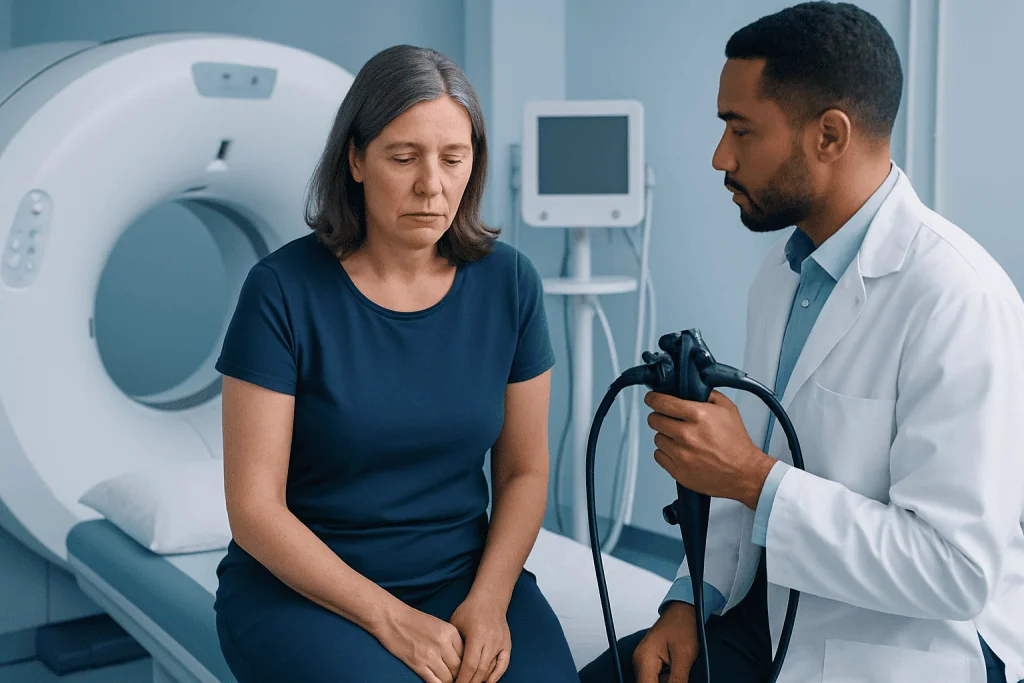
Bowel leakage, also called fecal incontinence, means stool passes unintentionally. For some people, this is a small amount of staining in underwear or difficulty fully cleaning after a bowel movement. For others, it may involve an urgent need to pass stool and not reaching the toilet in time.
The symptom can vary depending on the cause. Loose, frequent stool may lead to urgency and accidents, while severe constipation can cause liquid stool to leak around hard stool trapped in the rectum. Weakness of the anal sphincter or pelvic floor muscles can make it harder to hold stool or gas.
Associated symptoms may offer clues. These can include:
- Diarrhea or frequent loose stools
- Constipation or straining
- Rectal fullness or pressure
- Pain, itching, or irritation around the anus
- Mucus discharge
- Blood in or on the stool
- A recent change in normal bowel habits
Because the symptom can look different from person to person, keeping track of when leakage happens, what the stool is like, and whether there are warning signs can help guide the evaluation.
Common causes that are more likely than cancer

Several non-cancer causes are much more common than cancer. One of the most frequent is diarrhea, whether from infection, food intolerance, irritable bowel syndrome, medication side effects, or inflammation. Loose stool is harder to control, especially if there is urgency.
Constipation is another important cause. Hard stool can become stuck in the rectum, and softer stool may leak around it. This is sometimes called overflow incontinence and can be mistaken for diarrhea. Treating the constipation often improves the leakage.
Muscle and nerve problems also play a major role. Injury to the anal sphincter or pelvic floor, age-related weakening, diabetes-related nerve damage, spinal problems, and prior pelvic or anorectal surgery can affect bowel control. Some people develop leakage after childbirth or after treatment for conditions in the pelvic area.
Other possible causes include hemorrhoids, rectal prolapse, inflammatory bowel disease, and chronic bowel sensitivity disorders. Depending on the broader symptoms, doctors may consider conditions such as colon cancer or ulcerative colitis, but these are only part of a wider list of possibilities.
When bowel leakage may be linked to cancer
Bowel leakage itself does not specifically point to cancer, but it can appear when a tumor changes the normal function of the bowel or rectum. For example, a growth in the rectum may create a feeling of incomplete emptying, urgency, mucus discharge, or difficulty controlling stool. Cancer can also alter bowel habits, leading to diarrhea, constipation, or narrower stools.
The symptom becomes more concerning when it appears with other warning signs. These include rectal bleeding, dark or blood-streaked stool, unexplained weight loss, fatigue related to anemia, persistent abdominal pain, a new change in bowel pattern lasting more than a few weeks, or a family history of colorectal cancer.
Not every person with these signs has cancer, and many of them can also occur with hemorrhoids, infections, inflammatory bowel disease, or benign polyps. However, these are the situations in which timely medical evaluation matters most, because diagnosing the cause early can make treatment more effective and may also provide reassurance if cancer is ruled out.
How doctors find the cause
Doctors usually start with a detailed history. They ask when the leakage began, whether stool is loose or hard, how often it happens, whether there is urgency, and whether there are symptoms such as bleeding, pain, weight loss, fever, or nighttime bowel movements. A review of medicines, past surgeries, childbirth history, and neurological conditions can also help.
A physical examination often includes checking the abdomen and examining the anal and rectal area. This may identify hemorrhoids, skin irritation, impacted stool, weakness of the sphincter muscles, or a rectal mass. If there are warning signs, additional tests may be recommended.
Depending on the situation, testing may include blood work, stool tests, and procedures to look directly inside the colon or rectum. A doctor may advise colonoscopy to investigate bleeding or persistent bowel changes. In some cases, imaging or specialized anorectal function tests are used to assess muscle strength, nerve function, or structural problems. If cancer is suspected, imaging such as MRI may help clarify the extent of disease and guide treatment planning.
The key point is that diagnosis is based on the overall pattern, not on bowel leakage alone. This helps avoid unnecessary worry while still ensuring that serious conditions are not missed.
Treatment and next steps
Treatment depends on the underlying cause. If loose stools are driving the problem, a doctor may suggest dietary adjustments, reviewing medications, treating infection if present, or using symptom-relieving medicines when appropriate. If constipation is the issue, treatment may focus on regular bowel emptying, fluid intake, fiber guidance, and addressing stool impaction safely.
When muscle weakness or pelvic floor dysfunction contributes to leakage, pelvic floor rehabilitation, bowel training, and exercises can be helpful. Some patients benefit from further specialist evaluation if there has been nerve injury, prior surgery, or suspected structural damage. If an inflammatory or chronic bowel condition is identified, treatment is directed at controlling that disease.
If evaluation finds a polyp, significant hemorrhoids, inflammatory disease, or cancer, treatment is tailored to that diagnosis. In people with suspected colorectal disease, doctors may use robotic surgery or other surgical approaches when appropriate, alongside non-surgical treatments depending on the exact condition and stage.
Near the end of the care pathway, support from a multidisciplinary team can be valuable. Acibadem International’s multidisciplinary specialists and JCI-accredited hospitals diagnose and treat bowel and colorectal conditions for international patients, with care based on the person’s symptoms, test results, and overall health.
What people can do while waiting for evaluation
Self-care is not a substitute for diagnosis, but a few practical steps may reduce discomfort while a person is arranging medical advice. Keeping a symptom diary can be useful. Recording stool consistency, timing, urgency, diet triggers, and associated symptoms such as blood or pain gives the doctor more information and may make the appointment more productive.
General bowel-care habits may also help. These include staying hydrated, avoiding foods that clearly trigger diarrhea, not delaying bowel movements when urgency arises, and maintaining gentle skin care around the anal area to reduce irritation. People with constipation should avoid repeated straining and should ask a clinician before using laxatives regularly.
Absorbent pads or protective underwear can help with confidence and day-to-day comfort. However, repeated leakage, especially if it is new or worsening, should still be assessed rather than managed only at home.
When to seek medical care
A person should arrange medical review if bowel leakage is new, lasts more than a short time, keeps returning, or interferes with daily life. Even when the cause is not serious, treatment can improve comfort, hygiene, confidence, and bowel control.
Prompt assessment is especially important if leakage happens with any of the following:
- Rectal bleeding or black stools
- Unexplained weight loss
- Persistent abdominal or rectal pain
- A new change in bowel habits
- Ongoing diarrhea or severe constipation
- Fatigue or signs of anemia
- A family history of colorectal cancer
- Fever, dehydration, or severe weakness
Urgent care may be needed for heavy bleeding, severe abdominal swelling or pain, inability to pass stool or gas, or sudden bowel control problems with new leg weakness or numbness. If there is any uncertainty, a qualified doctor can help decide how soon the symptom should be assessed.
Frequently asked questions
Can bowel leakage happen without cancer?
Yes. In fact, most bowel leakage is caused by problems other than cancer, such as diarrhea, constipation, hemorrhoids, pelvic floor weakness, or nerve-related changes. A doctor can help identify the specific reason based on symptoms and examination.
What cancer symptoms are more concerning if bowel leakage is present?
The main red flags include rectal bleeding, unexplained weight loss, persistent abdominal pain, fatigue from possible anemia, and a new change in bowel habits. These signs do not prove cancer, but they do make medical assessment more important.
Can constipation cause bowel leakage?
Yes. Severe constipation can lead to overflow leakage, where softer stool passes around hard stool stuck in the rectum. This can be confusing because it may look like diarrhea even though constipation is the underlying problem.
Will a doctor always recommend a colonoscopy for bowel leakage?
Not always. The need for colonoscopy depends on age, symptoms, examination findings, and whether there are warning signs such as bleeding or bowel habit changes. Some people may need only basic evaluation, while others need a closer look inside the colon or rectum.
Is bowel leakage treatable?
Often, yes. Treatment may include managing diarrhea or constipation, improving bowel habits, pelvic floor therapy, skin care, and treating any underlying bowel or rectal condition. The best approach depends on the actual cause.
When should someone seek urgent help for bowel leakage?
Urgent medical care is important if leakage is accompanied by heavy rectal bleeding, severe abdominal pain, swelling, inability to pass stool or gas, dehydration, or sudden weakness or numbness. These symptoms can point to conditions that need prompt attention.
References
- National Institute of Diabetes and Digestive and Kidney Diseases
- American Cancer Society
- National Health Service
- Mayo Clinic
- American Society of Colon and Rectal Surgeons
This article is for general information only and is not a substitute for professional medical advice. Please consult a qualified doctor about your individual situation.
Persistent digestive symptoms? Get evaluated in Turkey
JCI-accredited · board-certified surgeons · reply within 24h