Is Marijuana a Depressant? Here Is What the Evidence Says

Marijuana does not fit neatly into one drug category; it may produce depressant, stimulant, or hallucinogenic effects. For many people, occasional mild effects wear off without lasting harm, but stronger reactions can happen.
Key Takeaways
- Marijuana does not fit neatly into one drug category; it may produce depressant, stimulant, or hallucinogenic effects.
- For many people, occasional mild effects wear off without lasting harm, but stronger reactions can happen.
- Red flags include chest pain, severe anxiety or panic, confusion, hallucinations, vomiting, trouble breathing, or symptoms that do not improve.
- Doctors assess cannabis-related symptoms through history, examination, mental status review, and sometimes lab tests or heart monitoring.
- People with mental health conditions, heart disease, pregnancy, or substance use concerns may need more cautious medical guidance.
Medically reviewed by the Acıbadem International Medical Board — July 25, 2026
Marijuana is not classified as a pure depressant, even though it can cause slowing, relaxation, drowsiness, and reduced coordination in many people. Its effects are mixed and can vary by dose, product, method of use, and the person’s age, health, and mental state.
Overview: Is marijuana a depressant?
Not exactly. Marijuana, also called cannabis, is not considered a pure depressant in the same way as alcohol or benzodiazepines. It can have depressant-like effects such as relaxation, slowed reaction time, drowsiness, and impaired coordination, but it may also cause heightened sensory perception, changes in mood, anxiety, or altered thinking.
That is why many clinicians describe cannabis as a drug with mixed effects rather than placing it in only one category. The main active compounds, especially tetrahydrocannabinol (THC) and cannabidiol (CBD), interact with the body’s endocannabinoid system. This system helps regulate mood, memory, appetite, pain signaling, and stress responses, so the overall experience can vary widely from person to person.
For many otherwise healthy adults, mild short-term effects pass on their own as the drug wears off. Even so, some reactions deserve prompt medical attention, especially if symptoms are severe, unusual, or happening in a person with an underlying health condition.
How marijuana affects the brain and body
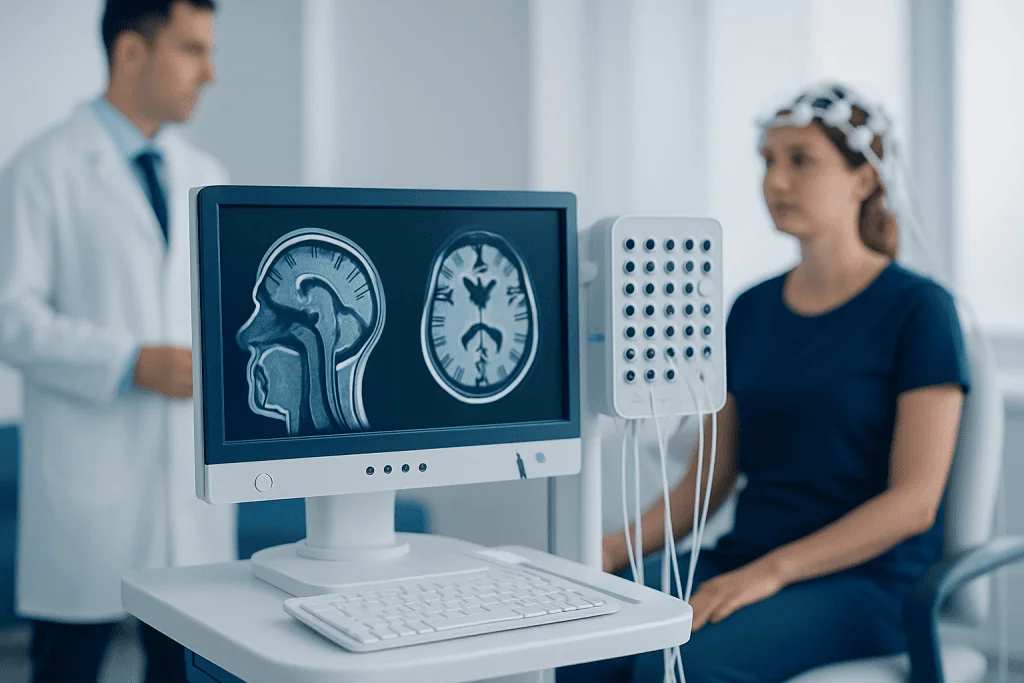
Cannabis affects brain signaling through cannabinoid receptors, especially CB1 receptors in the brain. THC is mainly responsible for the “high” and for many of the short-term changes in attention, memory, judgment, balance, and reaction time. CBD does not cause the same intoxicating effect, but products vary greatly, and many contain different ratios of THC and CBD.
Because of this, marijuana can feel calming and sedating for one person and stimulating or unsettling for another. Some people notice relaxation, sleepiness, slower thinking, and reduced motor coordination. Others may feel talkative, restless, more alert to sights and sounds, or unusually self-conscious.
The way cannabis is used also matters. Smoking or vaping tends to act more quickly, while edible products often take longer to start and may last longer. This delay can lead some people to take more than intended, increasing the chance of distressing effects such as panic, confusion, or marked drowsiness.
In day-to-day terms, marijuana may act partly like a depressant, but that does not tell the whole story. Its effect profile is broader, which is why a simple label can be misleading when discussing safety, symptoms, and when to seek help.
Common short-term effects and why they differ

Short-term effects can include relaxation, dry mouth, red eyes, increased appetite, impaired attention, slower reflexes, and reduced coordination. Some people also feel sleepy or emotionally blunted, which is one reason marijuana is sometimes described as having depressant-like effects. These changes are often temporary, but they can affect driving, work, sports, and decision-making.
Not everyone experiences cannabis the same way. Effects can differ based on the amount used, THC concentration, age, body size, prior exposure, use of alcohol or other substances, and whether the person is already feeling stressed, sleep-deprived, or unwell. A stronger product does not always produce a predictable response, especially with edibles.
Higher doses are more likely to cause unpleasant symptoms such as rapid heartbeat, dizziness, nausea, anxiety, paranoia, or disorganized thinking. In some people, particularly those with a personal or family vulnerability to mental illness, cannabis may worsen symptoms linked to mood or thought disorders. Related concerns may overlap with depression or anxiety symptoms, even when cannabis is not the sole cause.
- Likely mild effects: sleepiness, slower reaction time, mild dizziness, increased appetite
- More concerning effects: severe panic, chest pain, hallucinations, repeated vomiting, fainting, or extreme confusion
When marijuana may be more risky
Cannabis can be riskier in certain situations. Adolescents and young adults may be more sensitive to effects on attention, learning, and mental health. People who are pregnant, have heart disease, have a history of psychosis, or take medications that affect the brain should be especially cautious and discuss use with a qualified clinician.
Using marijuana together with alcohol, sedatives, opioids, or some sleep medicines can increase impairment. This combination may worsen drowsiness, coordination problems, slowed thinking, and the risk of injury. It may also make it harder to recognize when symptoms are becoming serious.
Regular or heavy use can create a different set of concerns. Some people develop tolerance, meaning they need more to feel the same effects. Others may experience cravings, difficulty cutting down, or withdrawal-like symptoms such as irritability, sleep problems, low mood, or reduced appetite after stopping. In these situations, a clinician may assess for problematic use and discuss supportive care, counseling, or psychiatric evaluation and treatment when appropriate.
When to seek medical care
Many mild cannabis effects improve with time, rest, hydration, and a calm environment. Medical care becomes more important if symptoms are intense, do not improve, or seem out of proportion to the amount used. Immediate evaluation is especially important for chest pain, trouble breathing, seizures, loss of consciousness, severe agitation, hallucinations, or sudden confusion.
Urgent medical review is also sensible if a child may have been exposed, if an edible was accidentally consumed, or if the product may have been contaminated or combined with another substance. Repeated vomiting, dehydration, and inability to keep fluids down should not be ignored. Long-term mood changes, worsening anxiety, memory problems, or trouble functioning at school or work also deserve attention.
If symptoms suggest a broader mental health concern rather than a short-lived intoxication effect, a doctor may explore whether conditions such as depression or anxiety are contributing. The goal is not judgment, but a clear understanding of what is causing the symptoms and how best to support recovery.
How doctors evaluate cannabis-related symptoms
Doctors usually begin with a careful history. They may ask what product was used, how much, how it was taken, when symptoms started, and whether alcohol, prescription medicines, or other drugs were also involved. They also ask about past reactions to cannabis, underlying medical conditions, and any personal or family history of mental health disorders.
A physical examination may include checking heart rate, blood pressure, breathing, temperature, hydration, coordination, and mental status. If symptoms include chest discomfort, fainting, severe vomiting, or marked confusion, further testing may be needed. Depending on the situation, this may include blood tests, urine testing, or heart tracing with an ECG.
Diagnosis is based on the full clinical picture rather than on one label such as “depressant.” The doctor is trying to determine whether the symptoms are due to expected short-term cannabis effects, a high dose reaction, an interaction with another substance, an underlying medical issue, or a mental health condition that needs treatment. If symptoms affect thinking, mood, or daily function, a doctor may recommend neurologic assessment or mental health follow-up.
Treatment, self-care, and reducing harm
Treatment depends on the symptoms. Mild effects often improve with rest, reassurance, fluids, and time in a quiet setting. If a person is anxious, calm support and reduced stimulation may help while the effects wear off. Medical teams treat urgent problems based on the person’s condition, such as dehydration, heart symptoms, severe panic, or significant confusion.
For people who use cannabis regularly and want to cut back, structured support can be helpful. This may include counseling, behavioral therapy, sleep support strategies, and discussion of coexisting depression or anxiety symptoms. If marijuana use is causing persistent mood, concentration, or functioning problems, assessment by mental health professionals is often the next step.
Reducing harm starts with avoiding driving or operating machinery after use, not mixing cannabis with alcohol or sedatives, keeping edibles out of children’s reach, and being cautious with unfamiliar products. People with past panic reactions, heart disease, pregnancy, or a history of psychosis should seek personalized medical advice before using cannabis.
For international patients who need evaluation of substance-related symptoms or associated neurological and mental health concerns, Acibadem International offers multidisciplinary care in JCI-accredited hospitals, with access to specialists in psychiatry and neurology when clinically appropriate.
Frequently asked questions
Is marijuana a depressant or a stimulant?
Marijuana is not purely one or the other. It can produce depressant-like effects such as drowsiness and slowed reaction time, but it may also cause stimulation, altered perception, or anxiety in some people.
Why does marijuana make some people sleepy and others anxious?
Responses to cannabis vary based on THC content, dose, method of use, and individual sensitivity. Mood, age, past experience, and whether alcohol or other drugs are involved can also change the effect.
Can marijuana worsen depression?
In some people, regular or heavy cannabis use may worsen low mood, motivation, or daily functioning. It can also complicate the picture when someone already has depression, so persistent symptoms should be discussed with a healthcare professional.
Can cannabis cause panic attacks?
Yes, cannabis can trigger intense anxiety or panic in some people, especially at higher doses or with high-THC products. If panic is severe, comes with chest pain, or does not improve, medical assessment is a good idea.
How long do marijuana effects usually last?
The timing depends on how it was used. Smoked or vaped cannabis usually starts acting quickly, while edibles can take much longer to begin and may last longer, which is why delayed overuse sometimes happens.
When should someone see a doctor after using marijuana?
Medical care is important for chest pain, trouble breathing, severe vomiting, fainting, seizures, hallucinations, or extreme confusion. A doctor should also be consulted if marijuana use is causing ongoing mood changes, memory problems, or difficulties at work, school, or home.
References
- World Health Organization
- National Institute on Drug Abuse
- Centers for Disease Control and Prevention
- Substance Abuse and Mental Health Services Administration
- American Psychiatric Association
This article is for general information only and is not a substitute for professional medical advice. Please consult a qualified doctor about your individual situation.
Explore treatments in Turkey — costs, top hospitals & a free quote
JCI-accredited · board-certified surgeons · reply within 24h