Kill Tooth Pain Nerve in 3 Seconds Permanently Explained: Common Triggers and Red Flags

There is no safe home method that permanently stops tooth nerve pain in seconds. Sudden or severe tooth pain often points to decay, infection, a crack, exposed dentin, or gum problems.
Key Takeaways
- There is no safe home method that permanently stops tooth nerve pain in seconds.
- Sudden or severe tooth pain often points to decay, infection, a crack, exposed dentin, or gum problems.
- Temporary steps like rinsing, avoiding triggers, and using dentist-recommended pain relief may help while arranging care.
- Facial swelling, fever, pus, trouble swallowing, or spreading pain need prompt dental or medical assessment.
- Treatments depend on the cause and may include fillings, drainage, antibiotics when appropriate, or [[TREATMENT:root-canal-treatment|root canal treatment]].
The phrase “kill tooth pain nerve in 3 seconds permanently” is misleading. A tooth nerve cannot usually be safely or permanently stopped at home, and lasting relief typically requires a dentist to identify and treat the underlying cause such as decay, infection, gum disease, or a cracked tooth.
What this search term really means
People who search for “kill tooth pain nerve in 3 seconds permanently” are usually looking for fast, lasting relief from intense tooth pain. The practical medical answer is that a painful tooth nerve cannot usually be safely “killed” at home, and pain that feels sudden or severe often means there is an underlying dental problem that still needs treatment.
Tooth pain may come from inflammation inside the tooth, decay reaching the pulp, an infection around the root, a crack, gum disease, or irritation from grinding and temperature sensitivity. Even if pain briefly settles, the cause may continue to worsen quietly. That is why a temporary improvement should not be assumed to mean the tooth has healed.
Some online advice promotes household products or strong chemicals on the tooth or gum. These approaches may burn soft tissues, delay proper care, and make diagnosis harder. Safe self-care focuses on reducing discomfort while arranging a dental evaluation, especially if the pain is strong, keeps returning, or affects sleep and eating.
Why tooth nerve pain happens
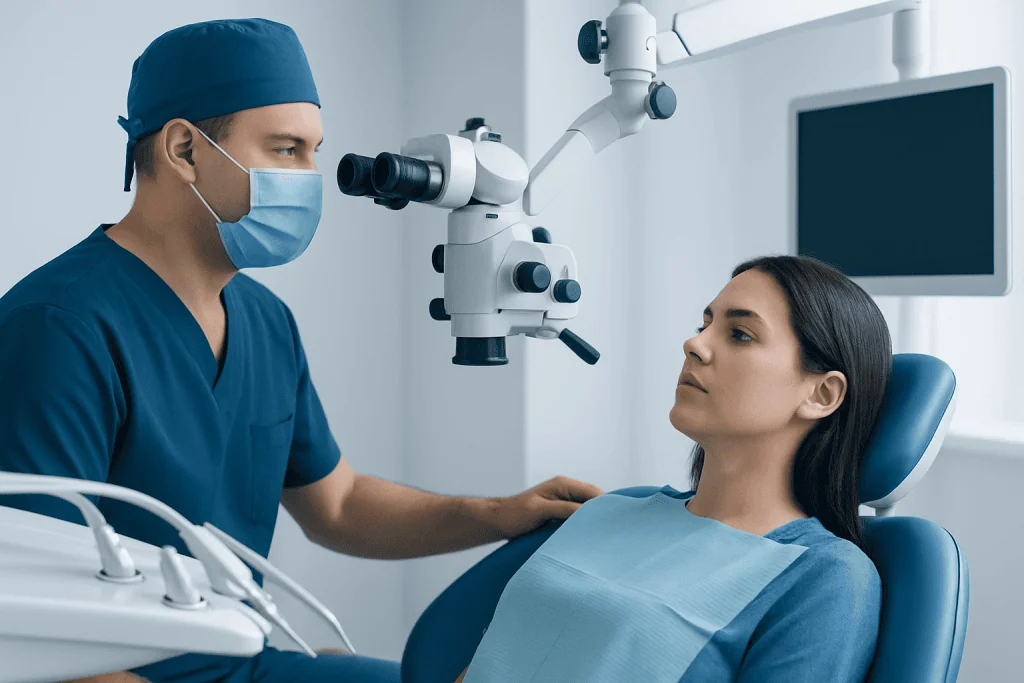
Each tooth contains a soft inner tissue called the pulp. The pulp holds blood vessels and nerves. When this area becomes irritated or infected, the nerve signals can feel sharp, throbbing, shooting, or deep and pressure-like. Pain may come and go at first, then become more constant as the problem progresses.
The most common trigger is tooth decay that breaks through the enamel and dentin and reaches the pulp. Other causes include a cracked or broken tooth, a loose filling, recent dental work, gum recession with exposed root surfaces, clenching or grinding, and inflammation around an erupting wisdom tooth. In some cases, pain felt in a tooth may actually be referred from the jaw joint, sinuses, or nearby tissues.
Because different causes can produce similar symptoms, self-diagnosis is often unreliable. A tooth that hurts with cold may have sensitivity or early pulp irritation, while a tooth that throbs on its own may suggest deeper inflammation or infection. Dental examination helps distinguish these possibilities and guides treatment.
Common triggers and red flags
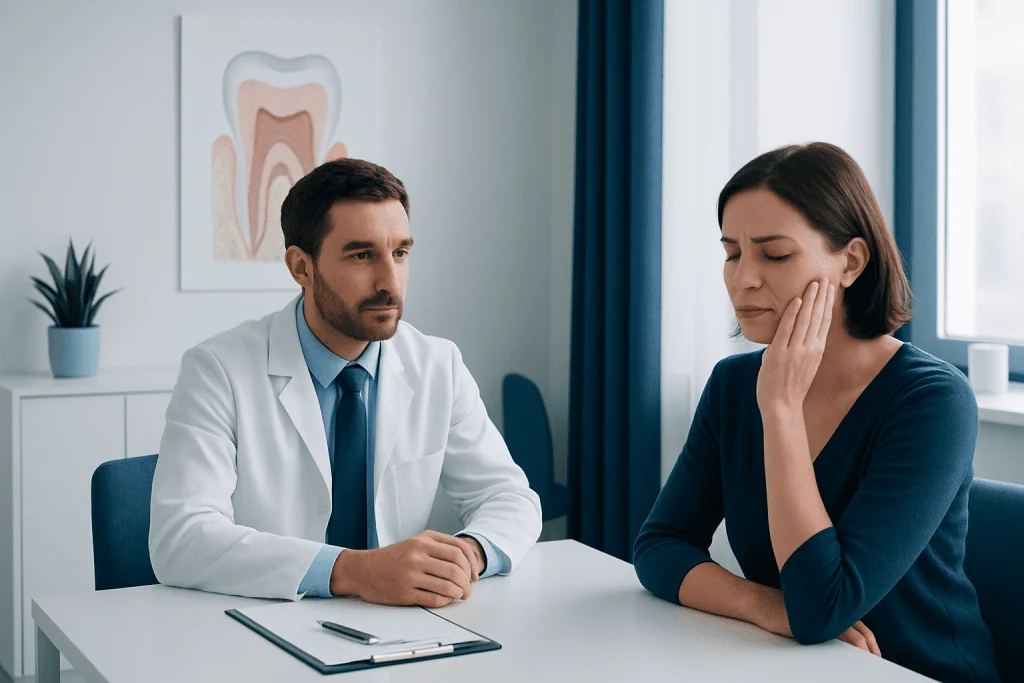
Tooth pain often starts or worsens with hot, cold, sweet foods, biting pressure, or lying down at night. Pain after chewing may suggest a crack, a high filling, or inflammation around the root. Lingering pain after a cold drink can point to irritation deeper inside the tooth. A bad taste in the mouth, gum tenderness, or pain that radiates to the ear or jaw can also occur.
Several red flags deserve prompt attention. These include facial swelling, a gum boil or pus drainage, fever, worsening pain that is not settling, difficulty opening the mouth, swallowing problems, or trouble breathing. These symptoms can suggest an infection that may need urgent treatment.
Bleeding or severely swollen gums, a tooth that changes color after trauma, numbness, or pain following a blow to the face should also be assessed. In some people, such as those with diabetes, immune suppression, or recent major illness, dental infections may need especially timely care. Ongoing gum inflammation may also relate to gum disease, which can contribute to pain and tooth instability over time.
- Cold sensitivity that lingers more than a few seconds
- Sharp pain when biting or releasing a bite
- Spontaneous throbbing, especially at night
- Swelling of the face, jaw, or gums
- Fever, pus, or a foul taste in the mouth
What can and cannot help at home
Home care can sometimes ease symptoms for a short time, but it does not remove decay, repair a crack, or clear an abscess. Gentle rinsing with warm salt water may soothe irritated tissues. Keeping the mouth clean, brushing carefully, and removing trapped food with floss can help if the pain is linked to gum irritation or food packing between teeth.
Avoiding very hot, very cold, sugary, or hard foods may reduce triggering of a sensitive tooth. If chewing worsens the pain, eating on the opposite side can help until the tooth is examined. Some people find brief comfort from a cold compress on the outside of the cheek if there is swelling or after dental trauma.
What should be avoided is just as important. Placing aspirin directly on the gum can cause a chemical burn. Very hot compresses, alcohol-based remedies, or caustic substances can injure the mouth. If over-the-counter pain medicines are being considered, they should be used only as directed on the label or as advised by a qualified clinician, taking into account allergies, stomach conditions, kidney disease, pregnancy, and other medicines.
How dentists find the cause
Dental diagnosis starts with a symptom history: when the pain began, what triggers it, whether it lingers, and whether there is swelling or fever. The dentist then examines the teeth, gums, bite, and surrounding tissues. Gentle tapping, temperature tests, and bite tests may be used to see whether the tooth pulp or supporting tissues are inflamed.
Dental X-rays often help show cavities, deep fillings, infection around the root, bone loss, wisdom tooth problems, or hidden fractures. Not every crack is visible on imaging, so the clinical exam remains important. In some situations, referral for further assessment may be advised if the pain pattern suggests a sinus, nerve, or jaw-joint source rather than a tooth.
The goal is not only to reduce pain but to protect the tooth and prevent infection from spreading. Depending on the findings, the dentist may identify decay, pulp inflammation, an abscess, a lost restoration, tooth wear from grinding, or a condition such as tooth decay that has progressed deeper into the tooth.
Treatment options for lasting relief
Permanent relief comes from treating the cause. If the problem is a cavity or a leaking filling, the tooth may be restored with a new filling or crown. If the pulp is badly inflamed or infected, root canal treatment may be recommended to remove diseased tissue from inside the tooth and preserve the tooth structure when possible.
If there is an abscess, the dentist may need to drain the infection and treat the tooth or surrounding tissues. Antibiotics are not needed for every toothache, but they may be used when there are signs of spreading infection, swelling, fever, or involvement beyond the tooth itself. For a tooth that is too damaged to save, tooth extraction may be the most appropriate option.
Some pain comes from cracked teeth, gum disease, erupting wisdom teeth, grinding, or exposed roots rather than the pulp alone. In those cases, treatment may involve bite adjustment, a night guard, periodontal care, desensitizing measures, or wisdom tooth assessment. If a missing or unsalvageable tooth needs replacement later, options may include dental implant treatment after healing and planning.
When to seek medical care
A dentist should assess tooth pain that is severe, lasts more than a day or two, keeps waking the person from sleep, or returns repeatedly. Prompt evaluation is also sensible if the tooth hurts with biting, becomes very sensitive to temperature, or follows trauma such as a fall or sports injury.
Urgent dental or medical care is needed if there is facial swelling, fever, pus, a rapidly worsening toothache, swelling under the jaw, or difficulty swallowing or breathing. These symptoms can indicate a more serious infection. Children, older adults, pregnant people, and those with weakened immune systems may need earlier assessment.
Near the end of the care pathway, some people seek coordinated support for diagnosis and treatment planning. Acibadem International’s multidisciplinary specialists and JCI-accredited hospitals evaluate and treat dental conditions for international patients when appropriate.
Prevention and self-care after treatment
Many painful dental problems can be prevented with daily oral hygiene and regular checkups. Brushing twice a day with fluoride toothpaste, cleaning between teeth, and limiting frequent sugary snacks and drinks help reduce decay risk. Routine dental visits can identify small problems before they become painful or require more complex treatment.
If the teeth are sensitive, using products recommended by a dentist and avoiding overly aggressive brushing may help protect enamel and gums. A mouthguard may be advised for people who grind their teeth at night. For contact sports, a protective sports mouthguard helps lower the risk of cracked or knocked-out teeth.
After treatment, following the dentist’s instructions matters. The tooth may need time to settle, and a temporary restoration may need a planned follow-up. If pain worsens again, swelling appears, or the bite feels off, the dentist should be contacted rather than relying on repeated home remedies.
Frequently asked questions
Can a tooth nerve be killed permanently in 3 seconds?
No safe home method can reliably and permanently stop a tooth nerve in seconds. Lasting relief usually depends on treating the cause of the pain, such as decay, infection, a crack, or gum disease. Temporary numbness or reduced pain does not mean the problem is gone.
Why does tooth pain feel worse at night?
Tooth pain can feel stronger at night because there are fewer distractions and lying down may increase pressure in inflamed tissues. Grinding or clenching during sleep can also worsen pain. Persistent nighttime toothache should be checked by a dentist.
What is the fastest safe thing to do for a severe toothache at home?
Safe first steps include rinsing gently with warm salt water, removing trapped food with floss, avoiding temperature extremes, and contacting a dentist. A cold compress on the outside of the cheek may help if there is swelling. Any medicine should be used only as directed and with attention to personal medical conditions.
Does a toothache always mean infection?
No. Tooth pain can come from decay, sensitivity, a crack, grinding, gum recession, a loose filling, or jaw-related problems as well as infection. However, swelling, fever, pus, or a foul taste increase concern for infection and need prompt assessment.
When is tooth pain an emergency?
Tooth pain becomes more urgent when it is accompanied by facial swelling, fever, pus, spreading redness, trouble swallowing, or breathing difficulty. Trauma with a broken or knocked-out tooth also needs rapid care. These symptoms should not be managed only with home remedies.
Will I always need a root canal if the tooth nerve hurts?
Not always. Some tooth pain is caused by sensitivity, early decay, a filling problem, gum irritation, or a crack that may need a different treatment. A dentist decides based on the examination, tests, and X-rays whether root canal treatment is the best option.
References
- American Dental Association
- National Institute of Dental and Craniofacial Research
- Mayo Clinic
- National Health Service
- World Health Organization
This article is for general information only and is not a substitute for professional medical advice. Please consult a qualified doctor about your individual situation.
Explore treatments in Turkey — costs, top hospitals & a free quote
JCI-accredited · board-certified surgeons · reply within 24h

More from the Health Library



Related Specialists

Dt. Nupelda Ayçiçek Yalçındağ
Dentistry
Prof. Dr. Fatih Dikici
Orthopedic Surgery & Traumatology
Assoc. Prof. Dr. Eser Çolak
Vitro Fertilization and Reproductive Medicine Center
Dr. Remzi Çaylak
Orthopedic Surgery & Traumatology