Life Expectancy After Mini Stroke: What Patients Need to Know

A mini stroke usually does not directly shorten life expectancy, but it raises the risk of a future stroke. The first hours and days after a TIA are especially important for medical evaluation and treatment.
Key Takeaways
- A mini stroke usually does not directly shorten life expectancy, but it raises the risk of a future stroke.
- The first hours and days after a TIA are especially important for medical evaluation and treatment.
- Long-term outlook depends largely on age, overall health, and how well risk factors such as high blood pressure, diabetes, smoking, and atrial fibrillation are managed.
- Prompt diagnosis, medicines, and lifestyle changes can greatly reduce the chance of another event.
- Anyone with sudden stroke-like symptoms should seek emergency care, even if symptoms go away.
Life expectancy after mini stroke is often close to normal, especially when the cause is found quickly and stroke risk factors are treated. A mini stroke, also called a transient ischemic attack (TIA), does not usually cause permanent brain injury, but it is an important warning sign that a full stroke could happen if preventive care is delayed.
Overview: What Life Expectancy After a Mini Stroke Really Means
Life expectancy after mini stroke is often reassuringly good when the event is recognized early and followed by appropriate treatment. A mini stroke, or transient ischemic attack, happens when blood flow to part of the brain is briefly interrupted and then restored. Because symptoms resolve, many people recover fully in the moment. However, the bigger issue is not the TIA itself, but what it may signal about future blood vessel problems.
In practical terms, a mini stroke does not usually cause death or permanent disability by itself. What affects long-term outlook is the underlying cause and whether that cause is treated. A person with well-controlled blood pressure, healthy cholesterol levels, and no heart rhythm problem may have a very favorable outlook. Someone with uncontrolled vascular risk factors may face a higher chance of stroke, heart attack, or other complications over time.
This is why doctors treat a TIA as a medical warning rather than a harmless event. Evaluation may look for narrowed arteries, irregular heartbeat, clotting problems, or other conditions that can lead to a major stroke. In many cases, early prevention makes a meaningful difference to both quality of life and long-term survival.
How a Mini Stroke Differs From a Full Stroke
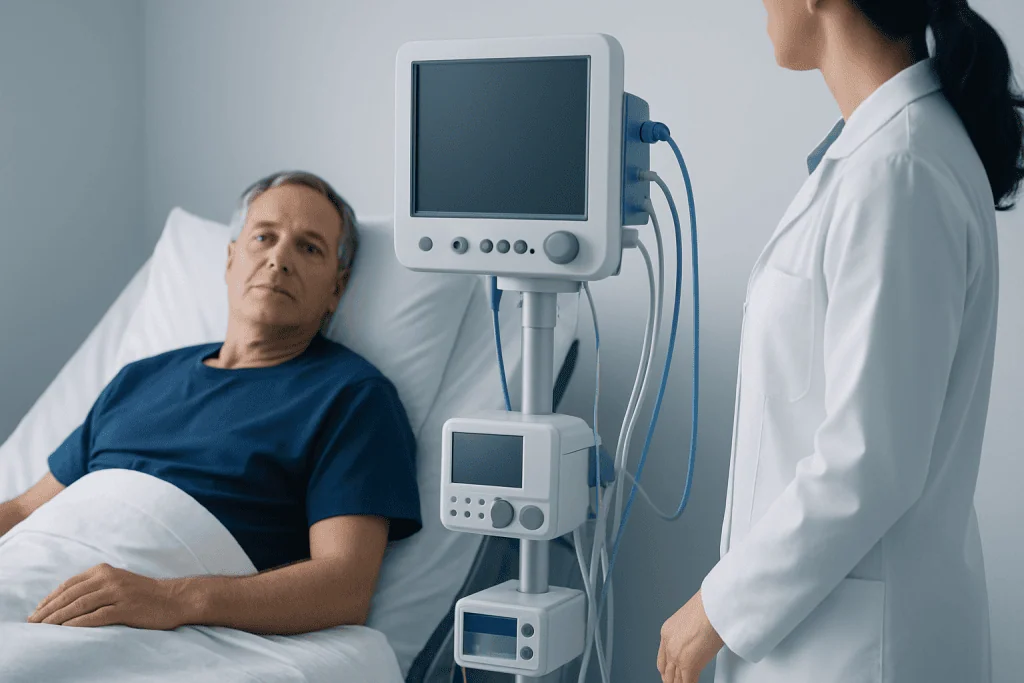
A mini stroke and a full stroke can cause the same sudden symptoms, such as weakness on one side, trouble speaking, facial drooping, numbness, vision changes, dizziness, or loss of coordination. The main difference is that TIA symptoms usually resolve completely within minutes to hours and do not leave lasting neurological deficits. A full stroke causes longer interruption of blood flow or bleeding in the brain and may lead to permanent brain injury.
Even though the symptoms fade, a TIA should never be ignored. In fact, it is often the earliest warning that a major stroke could occur soon after. Doctors may use the broader term stroke when explaining the risk, because the same blood vessel and heart problems that trigger a TIA can also cause a disabling stroke later.
For patients and families, this distinction matters because it changes the goal of care. After a TIA, treatment focuses on prevention: identifying the source of the problem and lowering the chance of another event. That may involve medicines, imaging tests, heart monitoring, and lifestyle changes, depending on the person’s risk profile.
Symptoms That Suggest a Mini Stroke

TIA symptoms begin suddenly. Common signs include weakness or numbness in the face, arm, or leg, especially on one side of the body; trouble speaking or understanding speech; blurred or lost vision in one or both eyes; sudden imbalance; and severe confusion. Some people also notice dizziness or difficulty walking.
A helpful public reminder is the FAST rule: Face drooping, Arm weakness, Speech difficulty, Time to call emergency services. Even if symptoms improve within a few minutes, urgent medical attention is still needed. A person should not wait to see whether the symptoms return.
Because TIAs can be brief, they are sometimes mistaken for fatigue, low blood sugar, migraine, anxiety, or an inner ear problem. That is one reason evaluation by a qualified doctor is so important. If there is any doubt, emergency assessment is the safest choice.
- Sudden one-sided weakness or numbness
- Sudden trouble speaking or understanding words
- Sudden vision loss or double vision
- Sudden dizziness, poor balance, or trouble walking
- Sudden confusion or facial drooping
What Affects Life Expectancy and Long-Term Outlook
The strongest influence on life expectancy after mini stroke is whether future vascular events can be prevented. The immediate period after a TIA carries the greatest concern because stroke risk can be highest in the first hours and days. Once a person is assessed and a prevention plan begins, outlook often improves significantly.
Several factors shape long-term prognosis. These include age, prior stroke or TIA, high blood pressure, diabetes, high cholesterol, smoking, obesity, kidney disease, sleep apnea, and heart conditions such as atrial fibrillation. Narrowing of the carotid arteries in the neck can also raise risk. The more of these factors a person has, the more important close follow-up becomes.
Overall health habits matter as well. Taking prescribed medications regularly, attending follow-up visits, staying physically active, eating a heart-healthy diet, and avoiding tobacco all support a better long-term outlook. In many people, the life expectancy after mini stroke is less about the past event and more about the success of ongoing prevention.
Diagnosis and Tests After a Mini Stroke
Doctors evaluate a mini stroke urgently to confirm the diagnosis and look for the cause. The assessment usually starts with a medical history, neurological examination, blood pressure check, and blood tests. Brain imaging may be used to rule out bleeding or signs of a completed stroke. Vascular imaging can assess the arteries supplying the brain.
Tests may include CT, MRI, carotid ultrasound, CT angiography, or MR angiography. Heart testing is also common because abnormal heart rhythm, especially atrial fibrillation, can send clots to the brain. An electrocardiogram, echocardiogram, or heart rhythm monitor may be recommended. In some cases, advanced MRI scan or CT scan imaging helps clarify the diagnosis and guide prevention.
The purpose of testing is not only to explain what happened, but to estimate future risk and choose the best treatment. For example, a person with carotid artery narrowing may need different care from someone whose TIA was related to atrial fibrillation. A tailored approach supports better outcomes over time.
Treatment and Prevention to Protect Future Health
Treatment after a TIA aims to prevent a full stroke. The plan depends on the underlying cause. Many people are prescribed antiplatelet medicines, while some with heart rhythm disorders may need anticoagulants. Doctors may also recommend medication for blood pressure, cholesterol, or diabetes control, along with smoking cessation support and lifestyle changes.
If significant carotid artery narrowing is found, a procedure may be considered to improve blood flow and reduce stroke risk. For some patients, a specialist may discuss options such as carotid endarterectomy or stroke rehabilitation if symptoms have affected function or confidence after the event. Rehabilitation is not always needed after a TIA, but some people benefit from support with balance, speech, or return to daily routines.
Preventive care also includes managing sleep, limiting alcohol, maintaining a healthy weight, and exercising safely according to medical advice. The most effective plan is usually a combination of medication and lifestyle steps, not one or the other alone. Near the end of the care journey, some international patients may seek evaluation at centers such as Acibadem International, where multidisciplinary specialists in JCI-accredited hospitals diagnose and treat cerebrovascular conditions.
Prevention, Self-Care, and Follow-Up
After a mini stroke, self-care is focused on protecting blood vessels and the heart. Patients are usually encouraged to take medications exactly as prescribed and not to stop them without medical advice. Home blood pressure monitoring, regular diabetes checks when relevant, and follow-up cholesterol testing can help keep treatment on track.
Daily habits make a measurable difference. A Mediterranean-style eating pattern, regular physical activity, good sleep, stress reduction, and tobacco avoidance all support brain and cardiovascular health. Family support can also be helpful, especially with medication routines and attending medical appointments.
It is also wise to learn the warning signs of stroke and make an emergency plan. If symptoms return, even briefly, urgent care is needed again. Regular follow-up with a primary care doctor, neurologist, cardiologist, or vascular specialist helps ensure that prevention remains appropriate as health needs change over time.
When to Seek Medical Care
Emergency care is needed immediately for any sudden stroke-like symptom, even if it goes away. This includes facial drooping, one-sided weakness, trouble speaking, sudden confusion, sudden vision loss, severe imbalance, or a sudden severe headache. It is safest to call emergency services rather than drive oneself.
Medical follow-up is also important after symptoms have resolved. A person who has had a possible TIA should be evaluated urgently because the highest risk period for another event may be soon after the first one. Fast assessment allows doctors to begin prevention while it can have the greatest benefit.
Non-emergency follow-up should be arranged if there are medication side effects, repeated brief neurological symptoms, trouble controlling blood pressure or blood sugar, or concerns about recovery and daily activities. Patients should seek advice promptly rather than waiting for the next routine visit.
Frequently asked questions
Can life expectancy be normal after a mini stroke?
Yes, life expectancy after mini stroke can be close to normal for many people, especially when the cause is identified quickly and risk factors are treated well. The TIA itself often does not cause permanent damage, but it signals a need for urgent stroke prevention.
Is a mini stroke a warning sign of a major stroke?
Yes. A mini stroke is often an early warning that a full stroke could happen later, sometimes soon after the event. That is why sudden symptoms should be treated as an emergency even if they disappear.
How long does it take to recover from a mini stroke?
Symptoms of a TIA usually resolve within minutes to hours, and many people feel physically back to normal quickly. Even so, medical evaluation and follow-up remain essential because the main goal is preventing another event.
What is the best treatment after a mini stroke?
The best treatment depends on the cause. Doctors may recommend blood-thinning medicines, cholesterol-lowering treatment, blood pressure control, diabetes management, or procedures for narrowed carotid arteries, along with lifestyle changes.
Can a mini stroke happen more than once?
Yes, repeated TIAs can occur if the underlying cause is not addressed. Recurrent events increase concern about future stroke risk, which is why ongoing follow-up and prevention are important.
Should someone go to the hospital if symptoms lasted only a few minutes?
Yes. Even very brief symptoms can still be a TIA and may be followed by a more serious stroke. Immediate assessment gives doctors the best chance to find the cause and start preventive treatment.
References
- American Stroke Association
- National Institute of Neurological Disorders and Stroke
- Centers for Disease Control and Prevention
- National Health Service
- World Stroke Organization
This article is for general information only and is not a substitute for professional medical advice. Please consult a qualified doctor about your individual situation.
Explore treatments in Turkey — costs, top hospitals & a free quote
JCI-accredited · board-certified surgeons · reply within 24h
Check your numbers in seconds
BMI, calories, due date, blood pressure and 30+ more clinical calculators — free, instant, doctor-reviewed ranges.