Low Vision Therapy: How It Works, Results and What to Expect
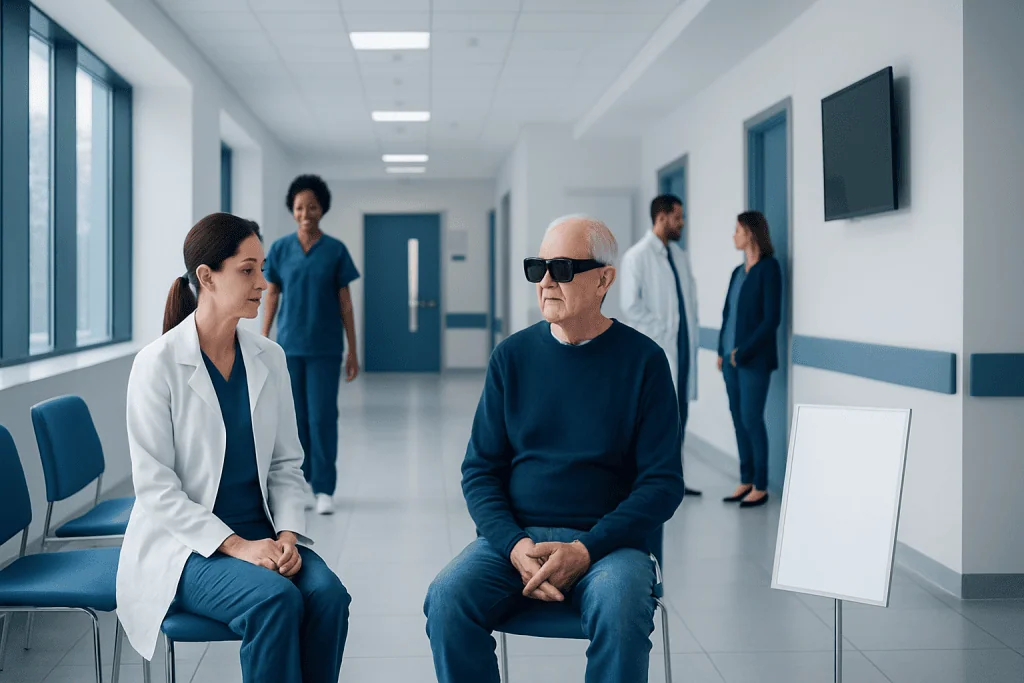
Low vision therapy does not restore damaged eyesight, but it can improve confidence, safety and independence in daily activities. Care is individualized and may include magnifiers, lighting changes, electronic aids, training and occupational therapy.
Key Takeaways
- Low vision therapy does not restore damaged eyesight, but it can improve confidence, safety and independence in daily activities.
- Care is individualized and may include magnifiers, lighting changes, electronic aids, training and occupational therapy.
- Progress is usually measured by meaningful daily tasks rather than by an eye-chart score alone.
- A low vision therapist works alongside eye specialists to identify practical strategies for a person’s goals and environment.
- Sudden, painful or rapidly worsening vision changes require urgent medical assessment rather than rehabilitation alone.
Low vision therapy is a personalized rehabilitation approach that helps people make the best practical use of remaining vision after sight loss cannot be fully corrected with standard glasses, contact lenses or medical treatment. It focuses on daily goals such as reading, cooking, moving safely, recognizing faces and using digital devices.
Overview: What Is Low Vision Therapy?
Low vision therapy, also called low vision rehabilitation or vision rehabilitation, helps a person function more effectively with reduced vision. It is intended for people whose vision remains limited even after appropriate medical care and the best possible glasses or contact lenses. The goal is not to promise a cure for the underlying eye condition, but to help the person use remaining sight, other senses and practical tools in everyday life.
Low vision can affect central vision, side vision, contrast sensitivity, night vision or the ability to adapt between bright and dim settings. It may result from conditions such as age-related macular degeneration, glaucoma, diabetic eye disease, inherited retinal disorders, stroke-related visual changes or eye injuries. Rehabilitation can be helpful at many stages, including while eye treatment is continuing.
A low vision therapist is a rehabilitation professional who assesses how visual impairment affects real-world activities and teaches practical ways to manage those difficulties. Depending on local services and individual needs, the team may include an ophthalmologist, optometrist, orthoptist, occupational therapist, orientation and mobility specialist, psychologist and social worker.
Low Vision vs Vision Therapy: What Is the Difference?
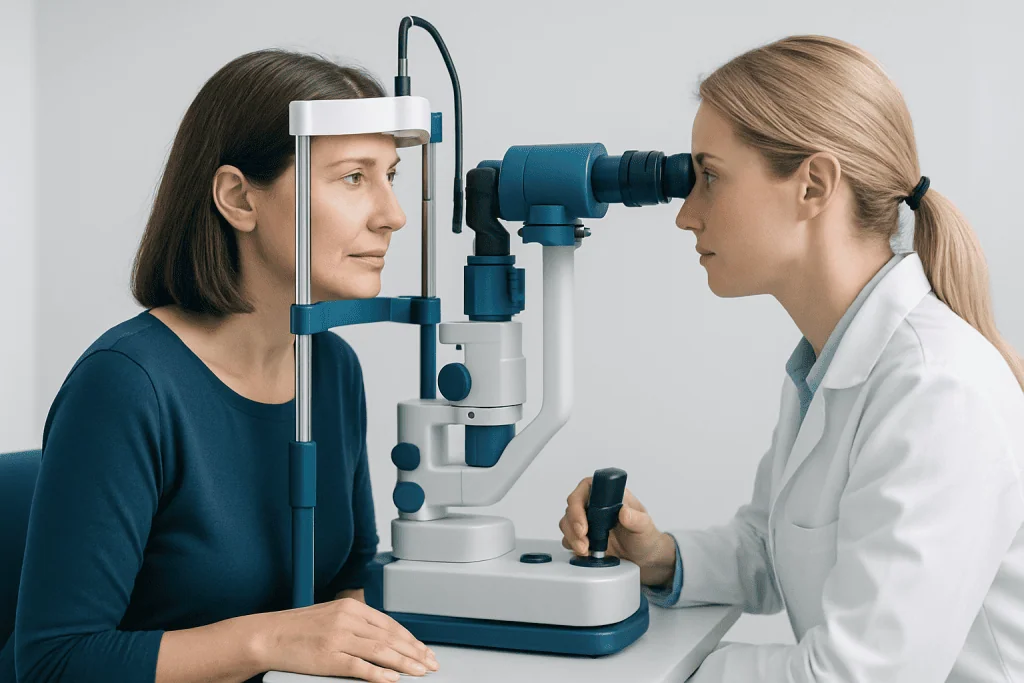
Although the names sound similar, low vision therapy and vision therapy serve different purposes. Low vision therapy supports people with permanent or long-lasting visual impairment by improving function through devices, environmental adjustments and adaptive skills. It is often used when an eye disease or injury has reduced vision in a way that cannot be fully corrected with ordinary lenses.
Vision therapy generally refers to supervised exercises and activities designed for certain visual-function problems, such as convergence insufficiency or difficulties coordinating eye movements. It may be recommended in selected cases after a detailed eye assessment. It is not a substitute for medical treatment of retinal disease, glaucoma, cataracts or other structural eye conditions.
The distinction matters because the most appropriate plan depends on the cause of vision difficulty. A comprehensive eye examination should identify treatable disease first. If vision remains limited, low vision rehabilitation can be added to help the person maintain independence and participate in valued activities.
How Low Vision Therapy Works and Who May Benefit

Low vision therapy begins with the person’s priorities. One person may want to read medication labels, another may need to navigate safely outdoors, continue working at a computer or prepare meals with greater confidence. The clinician assesses visual abilities, glare sensitivity, contrast needs, posture, hand function, cognition, home surroundings and the person’s support network.
People may be candidates when reduced vision interferes with everyday life despite appropriate eye care. This can include difficulty reading, recognizing faces, seeing steps or curbs, finding objects against similar-colored backgrounds, driving safely, managing paperwork or using a phone. Children and adults may both benefit, although their goals and tools will differ.
Therapy can include optical aids such as hand-held or stand magnifiers, high-powered reading glasses, telescopic devices and filters for glare. Non-optical measures may include brighter task lighting, high-contrast labels, large-print materials, smartphone accessibility settings and organization systems. Electronic video magnifiers, screen readers and voice-controlled tools may also be useful.
Low vision techniques in occupational therapy focus on completing daily activities with less strain and greater safety. For example, an occupational therapist may teach safer kitchen routines, ways to sort clothing, methods for identifying household items, tactile markings and strategies for managing medications. Orientation and mobility training can support safe movement at home and in the community.
What Happens During Low Vision Therapy?
The first appointment commonly includes a review of the eye diagnosis, prior treatments, current glasses and the activities that are most difficult. The clinician may test visual acuity, near vision, visual fields, contrast sensitivity, reading speed and sensitivity to glare. These assessments are combined with a practical discussion of what the person needs to do at home, school, work or in the community.
Next, the team may trial selected devices and strategies. A magnifier is only useful if it is comfortable, correctly chosen and paired with suitable lighting and training. The clinician may demonstrate how to position reading material, move the eyes or head to use a clearer part of vision, reduce glare, adjust text size or organize a workspace.
Follow-up visits provide hands-on practice and allow the plan to be refined. Therapy may involve several sessions over weeks or months, depending on the goals, device needs and underlying condition. Family members or caregivers can be included when the person wishes, particularly when they can help make the environment more accessible without taking away independence.
Low vision rehabilitation should work alongside ongoing ophthalmology care. Regular monitoring remains important because some causes of visual loss may need treatment to slow progression, prevent complications or address new symptoms.
Benefits, Limits and Possible Challenges
The main potential benefits of low vision therapy are improved ability to perform specific tasks, greater confidence and better safety in familiar environments. People may become more comfortable reading, using devices, handling money, preparing food, participating in hobbies or traveling along known routes. Benefits are personal and depend on the type of vision loss, the person’s health, the tools available and regular practice.
Low vision therapy cannot reverse permanent damage to the retina, optic nerve or visual pathways. It also cannot guarantee that a person will be able to drive, read standard print or return to every previous activity. A realistic plan identifies what can be improved and considers alternatives when a task remains unsafe or impractical.
Risks are generally low because rehabilitation is non-invasive. However, some devices can initially cause eye strain, headaches, dizziness, neck discomfort or frustration if they are poorly matched or used without training. Certain magnifying devices reduce the visible area, so careful instruction is important. New mobility techniques should be practiced in a safe setting before being used in unfamiliar or busy places.
Emotional adjustment is also an important part of care. Vision loss can affect confidence, work, relationships and mood. Counseling, peer support and community resources may help a person and family adapt while maintaining meaningful routines.
How Long Does It Take to See Results From Vision Therapy?
The time needed to notice results from low vision therapy varies. Some people experience an immediate improvement in a specific activity once they receive appropriate lighting, a correctly selected magnifier or changes to phone settings. Other goals, such as learning to use a device efficiently, adapting to reduced side vision or gaining confidence outside the home, take repeated practice over several weeks or longer.
Progress is usually not measured by whether vision becomes normal. Instead, the team looks for meaningful functional changes: reading a short message with less effort, finding items more reliably, completing a kitchen task safely or using public spaces with greater confidence. Goals should be reviewed regularly and adjusted as needs change.
The underlying eye condition also influences the timeline. Stable vision loss may allow skills to build steadily, while progressive disease may require periodic reassessment and new strategies. Consistent use of prescribed aids and practicing techniques between visits generally supports better results.
How to Tell if Vision Therapy Is Working?
Low vision therapy is working when it improves the activities that matter to the individual. Useful signs include needing less help with a particular task, completing it more safely, taking less time, feeling less fatigued or being able to participate in a hobby, school activity or work responsibility more comfortably.
Keeping a simple record can be helpful. The person may note which tasks have become easier, when glare is problematic, which device settings work best and where further support is needed. This feedback helps the rehabilitation team refine the plan rather than relying only on clinic-based vision tests.
It is important to report any new visual distortion, sudden loss of vision, flashes, a shower of floaters, eye pain or a rapid decline in function. These symptoms may indicate a medical issue that requires prompt ophthalmic evaluation and should not be assumed to be part of the rehabilitation process.
What Is the Success Rate of Vision Therapy?
There is no single success rate for low vision therapy because success means different things for different people. Programs may target reading, digital access, self-care, safe mobility, work tasks or participation in leisure activities, and the outcome depends on the cause and severity of vision loss, the person’s goals, coexisting health conditions and access to suitable services.
For this reason, clinicians should avoid promising a particular percentage of improvement or restoration of eyesight. A better question is whether the rehabilitation plan helps the person achieve realistic, meaningful goals. An individualized assessment and follow-up review provide the clearest way to judge benefit.
When eye disease requires medical or surgical management, rehabilitation is only one part of care. Addressing treatable causes, updating glasses when appropriate and following the ophthalmologist’s monitoring plan can all contribute to the best possible visual function.
Why Are Ophthalmologists Against Vision Therapy?
Ophthalmologists are not generally against all forms of vision therapy or rehabilitation. They may recommend targeted vision therapy for selected, well-defined visual-function problems, and many support low vision rehabilitation for people with lasting sight impairment. Their concern is usually about claims that exercises can cure eye diseases or restore vision when there is no good evidence that they can do so.
For example, therapy should not delay proven treatment for conditions such as retinal detachment, glaucoma, diabetic retinopathy, cataracts or inflammatory eye disease. An ophthalmologist evaluates the health of the eye, identifies urgent problems and explains which treatments are supported for a particular diagnosis.
A collaborative approach is best. The ophthalmologist manages eye disease and monitors changes, while rehabilitation professionals help the person function as well as possible in daily life. Clear communication between clinicians helps ensure that devices and exercises are appropriate for the individual’s visual condition.
When to Seek Medical Care
A person should arrange an eye assessment if vision loss, glare, reduced contrast, difficulty reading or problems with daily activities are affecting quality of life. Low vision therapy can be discussed after a comprehensive evaluation, especially when ordinary glasses no longer provide enough functional help.
Urgent medical care is needed for sudden vision loss, new severe eye pain, sudden flashes of light, a curtain or shadow over vision, a rapid increase in floaters, new double vision or vision changes after an eye injury. These symptoms can have causes that need prompt treatment.
Acibadem International’s multidisciplinary specialists and JCI-accredited hospitals support international patients with eye assessment, treatment and rehabilitation planning when low vision affects everyday life.
Frequently asked questions
Can low vision therapy improve eyesight?
Low vision therapy usually does not repair permanent damage or restore normal eyesight. Its purpose is to help a person use remaining vision more effectively through training, devices, environmental changes and adaptive skills. Some tasks may become easier even when an eye-chart measurement does not change.
Who provides low vision therapy?
Care may be provided by a low vision optometrist or ophthalmologist together with occupational therapists, orthoptists, orientation and mobility specialists and other rehabilitation professionals. The team depends on the person’s needs and available services. An ophthalmologist remains important for diagnosing and monitoring the underlying eye condition.
What devices are used in low vision therapy?
Common tools include magnifiers, high-powered reading glasses, glare-control filters, task lights, telescopic devices, large-print resources and electronic video magnifiers. Smartphones and computers can also be adapted with larger text, contrast settings, voice output and screen-reading software. The most suitable device depends on the task and the type of vision loss.
Is low vision therapy only for older adults?
No. Although low vision is more common with increasing age, children and younger adults may need rehabilitation after inherited eye disease, injury, neurological conditions or other causes of lasting visual impairment. Therapy goals are tailored to school, work, family life and personal interests.
Will insurance or health coverage pay for low vision therapy?
Coverage varies widely by country, insurer, health plan and the specific service or device. A clinic’s administrative team or the insurer can explain what may be covered before treatment begins. It may also be useful to ask about public rehabilitation services and community support organizations.
Can a person drive after low vision therapy?
Low vision therapy may help some people use vision more effectively, but it does not automatically make driving safe or legally permitted. Driving ability depends on visual requirements, the nature of the visual impairment, local laws and a professional assessment. People should follow advice from their eye specialist and licensing authority.
References
- American Academy of Ophthalmology
- National Eye Institute
- World Health Organization
- American Occupational Therapy Association
- Royal National Institute of Blind People
This article is for general information only and is not a substitute for professional medical advice. Please consult a qualified doctor about your individual situation.
Explore treatments in Turkey — costs, top hospitals & a free quote
JCI-accredited · board-certified surgeons · reply within 24h
Add us as a Preferred Source to see more of our trusted health content across Google Search, AI Overviews and Discover.