Muscle Spasm Treatment: How It Works, Results and What to Expect

A muscle spasm is an involuntary, often painful tightening of a muscle that may last seconds to minutes or recur over longer periods. Treatment focuses on easing the active spasm and identifying contributors such as overuse, injury, nerve irritation, dehydration, or medication effects.
Key Takeaways
- A muscle spasm is an involuntary, often painful tightening of a muscle that may last seconds to minutes or recur over longer periods.
- Treatment focuses on easing the active spasm and identifying contributors such as overuse, injury, nerve irritation, dehydration, or medication effects.
- Gentle movement and a gradual return to activity are often more helpful than prolonged bed rest for uncomplicated spasms.
- Prescription muscle relaxants may be used short term for selected patients but can cause drowsiness and other side effects.
- Urgent assessment is important when spasms occur with new weakness, loss of bladder or bowel control, severe pain, fever, or major injury.
Muscle spasm treatment is tailored to the cause and may include rest from aggravating activity, gentle stretching, heat or cold therapy, physical rehabilitation, and medicines when appropriate. Most short-lived spasms improve with conservative care, while persistent, severe, or unexplained symptoms should be assessed by a clinician.
Muscle Spasm Treatment: How It Works
Muscle spasm treatment aims to interrupt involuntary muscle tightening, relieve pain, and address the reason the spasm developed. For many people, this starts with temporarily reducing the activity that triggered symptoms, using gentle stretching or movement, and applying heat or cold according to what feels most comfortable. Hydration and regular meals may also be important when fluid loss or prolonged exercise has contributed.
A clinician may recommend physical therapy when spasms are linked to posture, muscle imbalance, a sports injury, neck or back pain, or reduced mobility. Rehabilitation can improve flexibility, strength, movement patterns, and confidence with activity. When an underlying condition is suspected, such as nerve compression, joint disease, or a metabolic problem, treatment is directed toward that cause rather than the spasm alone.
Medicines are not necessary for every muscle spasm. Simple pain relievers may be suitable for some people, while short-term prescription muscle relaxants can be considered for painful acute spasms that do not settle with conservative measures. The best approach depends on the location, severity, duration, medical history, and other medicines a person takes.
What Actually Happens During a Muscle Spasm?
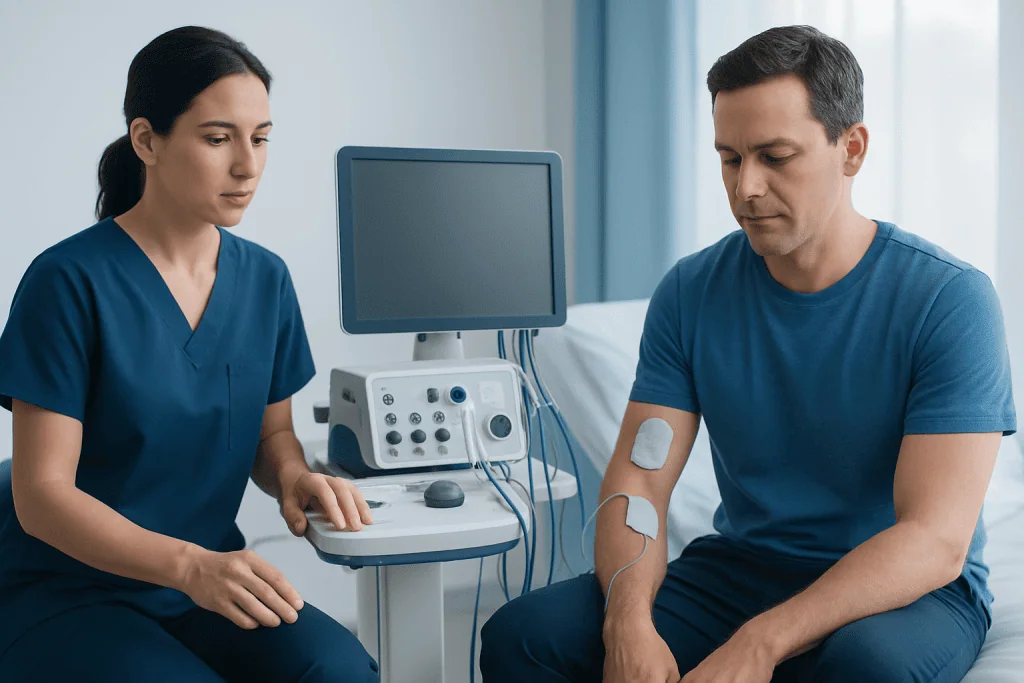
During a muscle spasm, muscle fibers contract involuntarily and do not relax as smoothly as usual. This can create a sudden pulling, knotting, twitching, or cramping sensation. The area may feel firm to the touch, and movement can be uncomfortable until the muscle settles.
Muscles rely on signals from nerves and a careful balance of energy, oxygen, fluids, and minerals to contract and relax. Overuse, fatigue, awkward movement, cold exposure, irritation of a nerve, or an injury can disrupt this balance and make a muscle more excitable. Spasms can affect nearly any muscle, but they commonly occur in the calf, foot, thigh, back, neck, and shoulder.
A brief spasm is usually not a sign of serious disease. However, frequent cramps at rest, widespread twitching, or spasms paired with numbness, weakness, or loss of coordination may need a more detailed medical evaluation.
Who May Benefit From Clinical Muscle Spasm Treatment?

Professional assessment can be helpful when spasms are recurrent, interfere with sleep, limit work or daily activity, or do not improve after sensible self-care. It is especially useful after an injury, when pain radiates into an arm or leg, or when symptoms appear alongside tingling, numbness, or weakness. A clinician can distinguish a simple muscle strain from problems involving a tendon, joint, spine, or nerve.
People who are older, pregnant, very physically active, taking multiple medicines, or living with diabetes, kidney disease, thyroid disease, circulation problems, or neurological conditions may have additional contributors to cramps or spasms. Evaluation helps ensure that treatment is safe and appropriately targeted.
Not all spasms require a procedure. In this context, treatment is usually a structured plan rather than an operation: assessment, symptom control, carefully selected medication if needed, and rehabilitation. In selected cases related to a defined orthopedic or neurological cause, a specialist may discuss further investigations or condition-specific treatment.
Assessment and Step-by-Step Treatment Plan
The first step is a clinical history. The doctor will ask where spasms occur, how long they last, what brings them on, whether there has been injury or strenuous activity, and which symptoms occur with them. Current medicines, supplements, alcohol use, hydration, sleep, and medical conditions are also relevant because they may affect muscle function.
A physical examination may include checking posture, range of motion, muscle tenderness, strength, reflexes, sensation, and circulation. Blood tests may be considered if symptoms suggest dehydration, electrolyte changes, kidney problems, thyroid disease, or other medical causes. Imaging or nerve testing is not routinely needed for a straightforward spasm, but it may be appropriate when there are persistent neurological symptoms, trauma, or suspicion of a spinal or structural problem.
Once a likely cause is identified, the care plan may include relative rest, heat or cold, mobility exercises, ergonomic changes, physical therapy, and medication review. For spasms associated with back or neck pain, structured rehabilitation and treatment of the contributing spinal condition may be more useful than relying on medication alone. Relevant musculoskeletal care may include physical therapy and rehabilitation when it is recommended after assessment.
- Immediate symptom relief: gentle stretching, comfortable positioning, heat or cold, and avoiding the provoking movement temporarily.
- Short-term recovery: gradual activity, sleep support, hydration, and pain management where clinically appropriate.
- Longer-term prevention: strength and flexibility work, training adjustments, posture or workplace modifications, and management of underlying conditions.
Benefits, Risks and Recovery Timeline
The main benefits of muscle spasm treatment are reduced pain, easier movement, improved sleep, and lower risk of repeated strain from guarding or avoiding normal movement. For an uncomplicated spasm caused by overexertion or minor strain, symptoms often begin to ease within hours to several days. Recovery may take longer when there is a more significant muscle injury, ongoing nerve irritation, or an untreated medical contributor.
Heat may loosen a tight muscle for some people, while cold may be more comfortable shortly after a strain or when swelling is present. Neither approach should be applied directly to bare skin or used long enough to cause skin damage. Stretching should be gentle and stopped if it produces sharp pain, worsening symptoms, or a feeling of instability.
Prescription muscle relaxants may reduce painful spasm in selected cases, but they can cause sleepiness, dizziness, dry mouth, impaired concentration, and increased fall risk. They may interact with alcohol, sedatives, and other medicines, so they should only be taken exactly as prescribed. A clinician will also consider whether a medicine may be contributing to cramps before adding another medication.
Most people can return to usual activity gradually as pain and mobility improve. Prolonged complete rest can lead to stiffness and weakness, so a measured return to normal movement is generally preferred unless a clinician advises otherwise.
How Long Does It Take to Get Rid of Muscle Spasms?
How quickly a muscle spasm resolves depends on its cause. A single cramp or exercise-related spasm may settle in minutes, with soreness improving over the next day or two. Spasms related to a mild strain can take several days to a few weeks to fully calm as the irritated muscle recovers.
Repeated or chronic spasms may continue until the underlying trigger is addressed. For example, recovery can be slower when symptoms are connected to poor movement mechanics, ongoing physical overload, nerve irritation, medication effects, or a health condition that affects muscles or nerves.
If spasms are not improving, recur regularly, or prevent normal activity after one to two weeks of appropriate self-care, medical review is sensible. A clinician can identify factors that may not be apparent from the symptoms alone.
How Long Does It Take for Muscle Spasm Meds to Work?
The timing varies by medicine, formulation, dose, and the individual patient. Some prescription muscle relaxants may begin to cause a sedating or muscle-relaxing effect within hours, while the overall improvement in pain and movement may take longer and depends on whether the underlying cause is also being managed.
These medicines are typically used for a limited period in carefully selected situations rather than as a long-term solution for recurring spasms. They do not repair a strain, correct a nerve problem, or replace rehabilitation. Drowsiness can affect driving, work, and fall risk, so patients should follow their prescriber’s instructions and avoid alcohol or other sedating substances unless their clinician confirms they are safe together.
A person should contact the prescriber if medication causes troublesome side effects, does not provide meaningful benefit, or symptoms worsen. Medicines should not be shared, combined, or stopped abruptly without professional advice when longer-term use has occurred.
Do Muscles Spasm as They Heal?
Muscles can sometimes twitch or spasm during recovery from a strain or period of overuse. As tissues settle, surrounding muscles may remain protective and tight, and temporary changes in movement can place extra demand on nearby areas. Mild, gradually improving spasms can therefore occur during healing.
Healing should generally show a steady overall trend toward less pain, better movement, and greater tolerance for activity. Repeated severe spasms, increasing swelling, weakness, bruising, inability to use the limb normally, or pain that is getting worse rather than better should not be assumed to be normal healing.
A rehabilitation professional can help adapt activity and exercises to the stage of recovery. This may reduce reinjury risk and prevent a cycle in which fear of movement and muscle guarding prolong symptoms.
When to Seek Medical Care
Prompt medical care is needed for spasms after a serious injury, or when there is severe or rapidly worsening pain, marked swelling, fever, redness and warmth, or an inability to move or bear weight normally. Emergency assessment is important for new weakness, trouble walking, loss of sensation around the groin, or new loss of bladder or bowel control, particularly with back pain.
A medical appointment is also appropriate for frequent unexplained cramps, spasms that disturb sleep, symptoms that persist despite rest and gentle care, or spasms accompanied by numbness, tingling, weight loss, fatigue, or changes in coordination. These symptoms do not necessarily indicate a serious condition, but they warrant assessment.
Acibadem International’s multidisciplinary specialists and JCI-accredited hospitals can assess muscle and nerve-related symptoms and coordinate treatment for international patients. A qualified clinician can recommend the most appropriate next step based on the individual’s examination and health history.
Frequently asked questions
What is the best immediate muscle spasm treatment at home?
Stopping the triggering activity, moving the muscle gently, and slowly stretching within comfort can help many acute spasms. Heat may ease tightness, while cold can be useful after a fresh strain or when swelling is present. If pain is severe, repeated, or associated with weakness or numbness, medical advice is important.
Should a muscle spasm be massaged?
Gentle massage may feel soothing for an uncomplicated tight or cramped muscle. It should not be forceful, particularly after an injury or when there is swelling, bruising, severe tenderness, or concern about a blood clot or infection. A clinician or physiotherapist can advise on safe techniques when symptoms are recurring.
Can dehydration cause muscle spasms?
Dehydration can contribute to cramps and spasms, especially during or after prolonged exercise, heat exposure, vomiting, or diarrhea. Replacing fluids steadily and eating balanced meals may help, but frequent cramps should not automatically be attributed to dehydration. Other causes, including medications and medical conditions, may need consideration.
Are muscle relaxants safe for everyone?
No. Muscle relaxants can cause drowsiness, dizziness, and impaired coordination, and they may interact with alcohol, sleep medicines, opioid pain medicines, and other drugs. Their suitability depends on a person's age, health conditions, other medicines, and the type of spasm, so they require a clinician's advice.
Can anxiety cause muscle spasms?
Stress and anxiety can increase muscle tension and may make twitching, tightness, or spasms more noticeable. Relaxation practices, sleep, regular activity, and addressing stress may help alongside physical measures. Persistent or new spasms should still be reviewed so physical causes are not overlooked.
When are muscle spasms an emergency?
Emergency assessment is needed if spasms occur with new weakness, difficulty walking, loss of bladder or bowel control, numbness in the groin area, severe injury, chest pain, or breathing difficulty. Urgent care is also appropriate for severe pain with fever, significant swelling, or a limb that is pale, cold, or unusually swollen.
References
- Mayo Clinic
- National Institute of Neurological Disorders and Stroke
- National Health Service
- American Academy of Orthopaedic Surgeons
- MedlinePlus, U.S. National Library of Medicine
This article is for general information only and is not a substitute for professional medical advice. Please consult a qualified doctor about your individual situation.
Explore treatments in Turkey — costs, top hospitals & a free quote
JCI-accredited · board-certified surgeons · reply within 24h