Low Cost: What Patients Really Pay

Uninsured patients can often compare self-pay eye examination options before scheduling. A routine vision examination and a medical eye examination may involve different services and charges.
Key Takeaways
- Uninsured patients can often compare self-pay eye examination options before scheduling.
- A routine vision examination and a medical eye examination may involve different services and charges.
- Community health centers, university clinics and charitable programs may offer reduced-fee care for eligible patients.
- Sudden vision loss, severe eye pain, chemical exposure or an eye injury need urgent medical assessment rather than a routine low-cost appointment.
- Asking for a written estimate and discussing financial assistance can help prevent unexpected bills.
A low cost eye exam no insurance option may be available through community health centers, nonprofit programs, teaching clinics, and some optical practices. The most useful first step is to ask what the examination includes, whether dilation is included, and whether separate testing or prescription fees may apply.
Low Cost Eye Exam No Insurance: A Practical Starting Point
For people searching for a low cost eye exam no insurance option, the best approach is usually to compare several local providers and ask for the complete self-pay price before booking. Lower-cost options may include community health centers, optometry schools, hospital outpatient clinics, nonprofit vision programs, and some optical retailers. Availability, eligibility rules and included services vary by location.
An eye examination is not always a single, identical service. A routine vision exam generally checks visual acuity, refraction and eye health to determine whether glasses or contact lenses may be needed. A medical eye evaluation is used for symptoms or conditions such as eye pain, infection, diabetes-related eye changes, glaucoma concerns or cataracts, and it may require additional tests.
It is reasonable to ask whether the quoted self-pay amount includes dilation, retinal examination, refraction, imaging, written prescriptions, follow-up visits and any laboratory testing. A clear estimate does not replace a final bill, but it helps patients understand the likely cost and make an informed choice.
How a Self-Pay Eye Examination Works
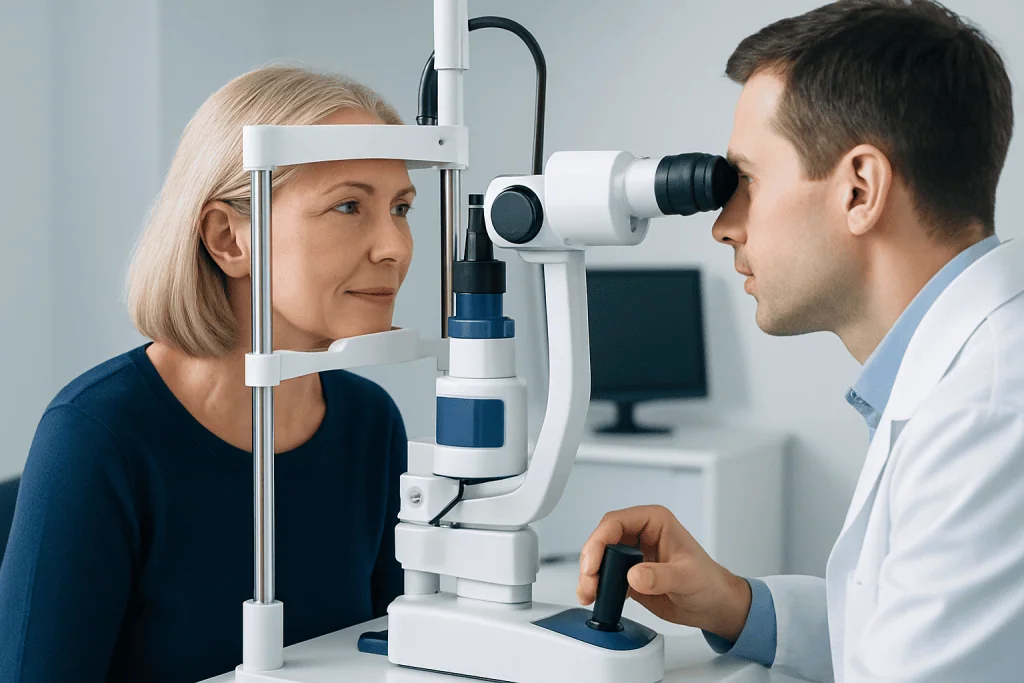
Before the appointment, the clinic may ask about current symptoms, medical conditions, medicines, previous eye problems and family history. Patients should mention diabetes, high blood pressure, autoimmune illness, pregnancy, prior eye surgery and medicines that affect vision or eye pressure. Bringing current glasses, contact lens information and previous eye records can be helpful.
At the visit, a clinician may measure vision, assess the need for corrective lenses, examine eye movements and pupils, and evaluate the front and back of the eyes. Eye drops may be used to dilate the pupils so that the retina and optic nerve can be examined more fully. Dilation can blur near vision and increase light sensitivity for several hours, so arranging transportation may be sensible for some people.
If the examination identifies a concern, the clinician may recommend imaging, visual field testing, blood tests, referral to an ophthalmologist or treatment. Patients can ask whether any recommended test is urgent, what it is intended to show, and whether a lower-cost setting or payment plan is available.
Who May Benefit and Where to Look for Reduced-Fee Care
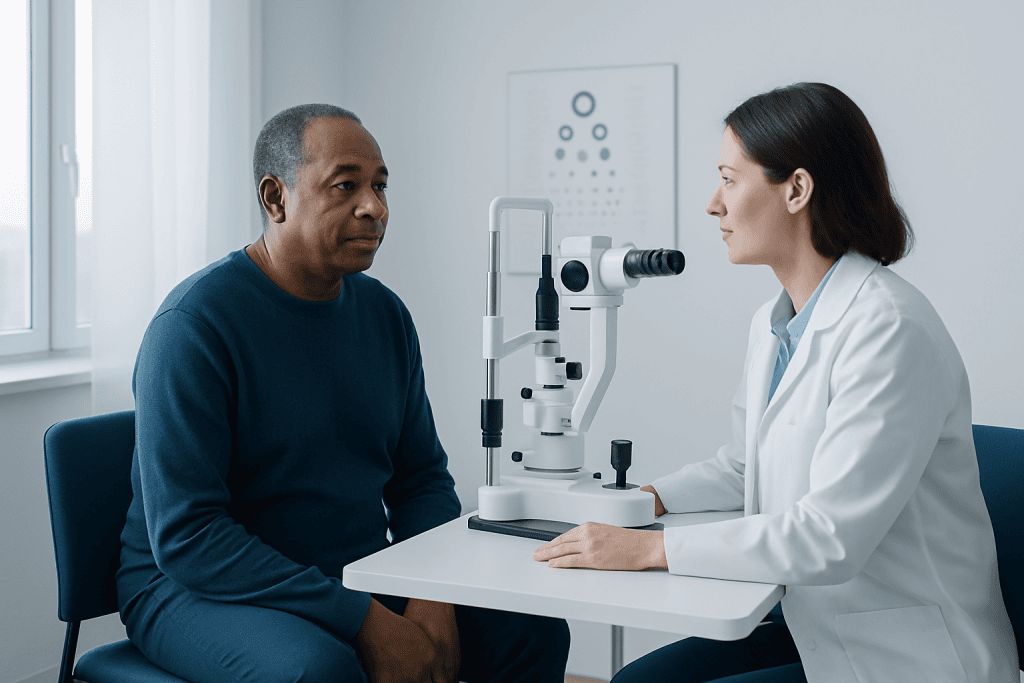
Routine eye care can be useful for people with blurred vision, headaches related to visual strain, difficulty reading, problems with night driving, changing glasses needs or a family history of certain eye conditions. Children, older adults, people with diabetes and those taking medicines that can affect the eyes may need regular monitoring based on advice from a qualified clinician.
Patients without insurance may wish to contact federally qualified health centers, local public health departments, university optometry or ophthalmology training programs, vision charities, and hospital financial assistance offices. Some programs focus on children, older adults, people with low incomes, or individuals with specific medical conditions. Eligibility often depends on household income, residence or available funding.
When calling, patients can ask whether the practice offers a cash-pay rate, sliding-scale fees, payment arrangements or discounted follow-up care. It is also important to clarify whether eyeglasses, contact lenses, medication, imaging and specialist referrals are separate from the exam itself.
- Ask for the total expected self-pay fee and what it includes.
- Explain whether the visit is for a routine prescription or an eye symptom.
- Ask if financial assistance applications are available before the visit.
- Request an itemized statement after care if a bill needs to be reviewed.
Benefits, Limitations and Possible Follow-Up
A comprehensive eye examination can identify refractive errors and may detect signs of eye disease before noticeable vision changes occur. It can also reveal findings that require prompt follow-up, including possible glaucoma, retinal disease, cataracts, inflammation or changes related to diabetes. Early assessment supports timely care, but it does not prevent every eye condition or guarantee that a condition will be found at a single visit.
The main limitation of a low-cost routine exam is that it may not include the specialized testing needed for a medical problem. A discounted vision service may be appropriate for updating glasses, while new flashes, floaters, pain, injury or sudden changes in sight may require urgent medical assessment. A clinician can explain which level of care is appropriate.
Most examinations have few risks. Dilating drops can temporarily cause blurred close-up vision and light sensitivity. Rarely, dilation can trigger a sudden rise in eye pressure in people predisposed to narrow-angle glaucoma; severe eye pain, headache, nausea, halos around lights or reduced vision after dilation should be assessed urgently.
How Do Poor People Pay for ER Visits?
People with limited income may receive emergency care even if they cannot pay at the time of arrival. In the United States, hospital emergency departments must provide an appropriate medical screening examination and stabilizing treatment for an emergency medical condition, regardless of insurance status or ability to pay. This does not necessarily mean care is free, and a bill may still follow.
After an emergency visit, patients can contact the hospital billing or financial counseling department. Many nonprofit hospitals offer financial assistance policies, and some patients may qualify for charity care, reduced charges, Medicaid eligibility review, payment plans or help from local social service organizations. Applying as early as possible and keeping copies of forms and bills can be useful.
For ongoing non-emergency care, community health centers and outpatient clinics are often less expensive than emergency departments. However, symptoms such as sudden vision loss, serious injury, severe breathing difficulty, chest pain, stroke symptoms or uncontrolled bleeding should not be delayed because of cost concerns.
What Are the Downsides of the Affordable Care Act?
The Affordable Care Act expanded access to health insurance for many people through Medicaid expansion in participating states, insurance marketplaces, consumer protections and subsidies for eligible households. At the same time, the experience can differ substantially depending on income, state of residence, household circumstances and plan availability.
Common concerns include premiums, deductibles, copayments, narrow provider networks, changing plan choices and the complexity of comparing coverage. Some people may find that a plan has a low monthly premium but significant out-of-pocket costs before many services are covered. Others may not qualify for affordable assistance because of income or state-specific Medicaid rules.
Patients considering coverage can compare the monthly premium with the deductible, out-of-pocket maximum, medication coverage, preferred doctors and hospitals, and coverage for vision services. Adult routine vision care is not included in every health plan, so it is important to check the plan documents rather than assume an eye exam or glasses are covered.
What Happens if You Don't Pay Medical Bills Under $1000?
A medical bill under $1,000 can still require attention. The consequences depend on the provider, the insurer, local law, the billing agreement and the patient’s response. A missed payment may lead to reminders, late charges where permitted, referral to a collection agency, or other collection activity.
Patients should not ignore a bill that seems incorrect or unaffordable. They can request an itemized bill, check that insurance information was processed correctly, ask about financial assistance, and discuss a payment plan. It may also be helpful to ask whether the provider will place the account on hold while an assistance application or billing review is underway.
Rules about medical debt reporting and collections can change, and protections differ by jurisdiction. For individualized advice about debt, credit reporting or legal rights, patients may consider speaking with a nonprofit credit counselor, patient advocate or qualified legal aid organization.
Is It Actually Cheaper to Not Have Health Insurance?
Going without health insurance may appear less expensive month to month because there is no premium, but it can create significant financial risk if unexpected illness, injury, surgery, hospitalization or long-term treatment is needed. Self-pay prices vary widely, and a person without coverage may be responsible for the full cost of services.
Insurance also provides access to negotiated rates and may limit annual out-of-pocket spending for covered in-network care. However, having insurance does not mean every service is free: deductibles, copayments, coinsurance, network restrictions and excluded services can still result in expenses. The most suitable choice depends on a person’s health needs, income, location and available plans.
For people who are uninsured, exploring marketplace plans, Medicaid eligibility, employer coverage, family coverage rules and community assistance programs may be worthwhile. A navigator or certified enrollment counselor can explain options without replacing personalized financial or legal advice.
When to Seek Medical Care for Eye Symptoms
A routine appointment should not replace urgent assessment for sudden or severe symptoms. Immediate medical care is important for sudden vision loss, a curtain-like shadow in vision, new flashes with many floaters, severe eye pain, significant eye injury, chemical exposure, rapidly worsening redness with pain, or vision changes accompanied by weakness, facial drooping, confusion or difficulty speaking.
Prompt clinical advice is also appropriate for persistent blurred vision, eye discharge, light sensitivity, double vision, a painful red eye, or a gradual but noticeable reduction in sight. People with diabetes should follow their clinician’s recommendations for retinal screening, even when vision seems normal.
For non-urgent concerns, an optometrist or ophthalmologist can determine whether glasses, monitoring, medication or specialist care is needed. Acibadem International’s multidisciplinary specialists and JCI-accredited hospitals provide assessment and treatment for international patients who require eye care.
Frequently asked questions
Can someone get an eye exam without insurance?
Yes. Many optometry practices, ophthalmology clinics, community health centers and teaching clinics accept self-pay patients. Before booking, patients should ask for the expected total fee and whether dilation, refraction and any additional tests are included.
Is a routine eye exam the same as a medical eye exam?
Not always. A routine eye exam commonly focuses on vision correction and general eye health, whereas a medical eye exam evaluates symptoms, injury or known eye disease. Medical concerns may need additional testing or a specialist assessment.
Can an emergency room provide eye care without insurance?
An emergency department can assess and stabilize emergency eye problems regardless of a person’s ability to pay in the United States. For non-emergency vision needs, an outpatient eye clinic or community health center is usually a more appropriate and less costly setting.
What should a patient ask before paying cash for an eye exam?
Patients can ask what type of exam is being scheduled, what the quoted fee includes, and whether there are likely separate charges for dilation, imaging, prescriptions or follow-up. They can also ask about discounts, sliding-scale fees, payment plans and financial assistance.
Can a low-cost eye exam detect glaucoma or diabetes-related eye disease?
A comprehensive dilated exam may identify signs that need further evaluation, but the exact testing available depends on the clinic and the reason for the visit. People with diabetes or glaucoma risk factors should tell the clinician so appropriate screening can be considered.
What eye symptoms require urgent care?
Urgent assessment is needed for sudden loss of vision, severe eye pain, chemical injury, major trauma, a curtain or shadow over vision, or sudden flashes and many floaters. These symptoms can be associated with serious eye or neurological conditions and should not wait for a routine appointment.
References
- American Academy of Ophthalmology
- National Eye Institute
- Centers for Medicare & Medicaid Services
- U.S. Department of Health and Human Services
- Consumer Financial Protection Bureau
This article is for general information only and is not a substitute for professional medical advice. Please consult a qualified doctor about your individual situation.
Explore treatments in Turkey — costs, top hospitals & a free quote
JCI-accredited · board-certified surgeons · reply within 24h
Check your numbers in seconds
BMI, calories, due date, blood pressure and 30+ more clinical calculators — free, instant, doctor-reviewed ranges.