Nerve Specialist: An Evidence-Based Patient Guide

A neurologist is the most common type of nerve specialist and usually evaluates symptoms before recommending testing or treatment. Numbness, weakness, tremor, persistent headaches, seizures and balance problems can all warrant neurological assessment.
Key Takeaways
- A neurologist is the most common type of nerve specialist and usually evaluates symptoms before recommending testing or treatment.
- Numbness, weakness, tremor, persistent headaches, seizures and balance problems can all warrant neurological assessment.
- Diagnosis often combines a detailed history and examination with targeted tests such as MRI, blood tests, nerve conduction studies or EEG.
- Treatment depends on the underlying cause and may include medicines, rehabilitation, lifestyle measures, procedures or surgery.
- Sudden weakness, speech difficulty, facial drooping, loss of vision, a seizure, or a severe sudden headache requires urgent emergency assessment.
A nerve specialist is usually a neurologist, a doctor trained to diagnose and manage conditions affecting the brain, spinal cord, peripheral nerves and muscles. Depending on the concern, care may also involve neurosurgeons, rehabilitation physicians, pain specialists and other nerve experts working together.
What Does a Nerve Specialist Do?
A nerve specialist is a clinician with expertise in the nervous system: the brain, spinal cord, peripheral nerves and the connections between nerves and muscles. In everyday language, this usually means a neurologist. Neurologists diagnose and manage a wide range of symptoms and conditions, from migraine and epilepsy to neuropathy, movement disorders and multiple sclerosis.
The term nerve specialty can include several related fields. A neurosurgeon assesses conditions that may need an operation on the brain, spine or nerves. A neurophysiologist performs and interprets tests of nerve and muscle function, while rehabilitation specialists, physiotherapists, occupational therapists and pain clinicians can support function, independence and symptom control.
A consultation does not automatically mean a serious neurological condition is present. Many symptoms that lead to referral, such as tingling in the hands, dizziness or headaches, have treatable or non-neurological causes. The specialist’s role is to identify the most likely explanation, exclude urgent problems when appropriate and develop a practical care plan.
Symptoms That May Need Neurological Assessment
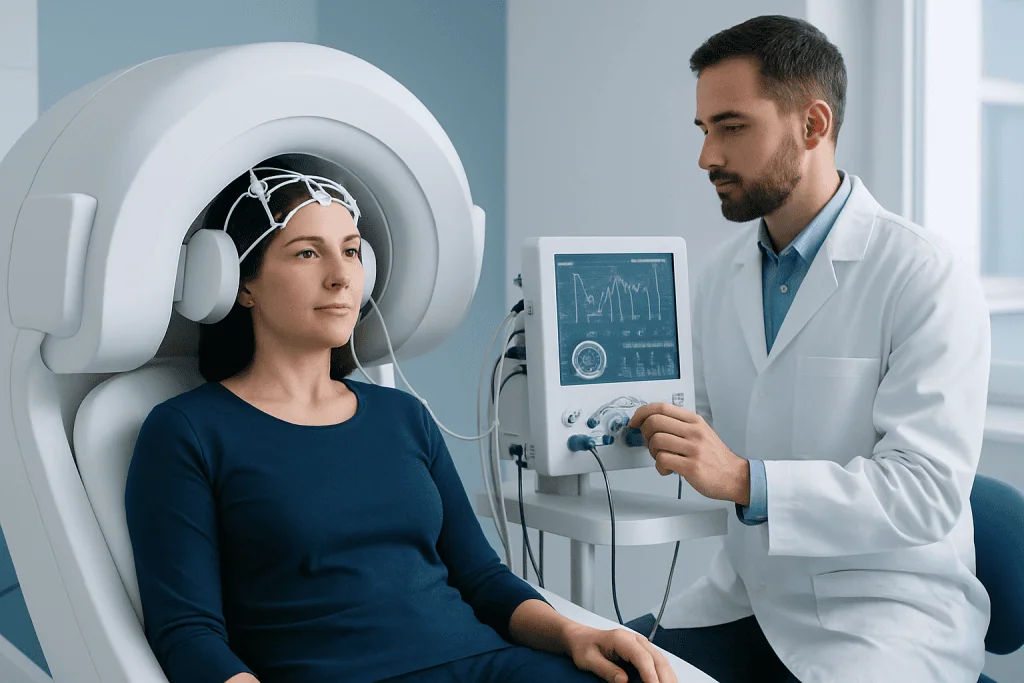
People may be referred to nerve specialists because of symptoms that affect sensation, movement, thinking, balance, vision or consciousness. The pattern matters: when symptoms began, whether they are progressing, what triggers them and which body areas are involved can provide important diagnostic clues.
Common reasons to seek an assessment include recurring or changing headaches, fainting or unexplained blackouts, seizures, tremor, muscle weakness, numbness, burning pain, memory concerns, unsteadiness, double vision, swallowing difficulty or changes in speech. Symptoms after a head injury, neck injury or back injury may also require evaluation.
- Tingling, numbness or pain in the hands or feet may reflect peripheral nerve irritation or damage.
- Weakness, clumsiness or altered walking can arise from conditions affecting nerves, muscles, the spinal cord or brain.
- Headache, dizziness and visual symptoms may need assessment when persistent, unusual or associated with neurological changes.
- Sleep-related movements, daytime episodes of altered awareness or suspected seizures may benefit from neurological review.
The phrase “nerve evasion” is sometimes used online to describe a desire to avoid nerve-related symptoms or damage. In clinical care, the most useful approach is not to self-diagnose but to seek assessment when symptoms persist, recur or interfere with daily life.
How a Nerve Specialist Reaches a Diagnosis

Neurological diagnosis begins with listening carefully. The specialist will ask about symptoms, previous illnesses, medications, family history, sleep, work and daily activities. They may ask for a timeline, details of an episode observed by another person, or a record of headaches, seizures, pain or other symptoms.
The neurological examination is structured but non-invasive. It may assess strength, reflexes, coordination, walking, sensation, eye movements, speech, memory and balance. Findings help the clinician determine whether symptoms are more likely to involve the brain, spinal cord, peripheral nerves, muscles or another body system.
Tests are selected only when they can clarify a diagnosis or guide treatment. These can include blood tests, MRI or CT imaging, electroencephalography (EEG) to record brain electrical activity, and nerve conduction studies with electromyography (EMG) to examine nerve and muscle function. In selected situations, lumbar puncture, genetic testing or neuropsychological assessment may be considered.
Some conditions share similar symptoms, so diagnosis may take more than one visit. For example, symptoms related to peripheral neuropathy can overlap with spinal, metabolic, medication-related or circulation-related problems. Follow-up allows the care plan to be refined as symptoms and test results become clearer.
Treatment Plans: How They Work and Who May Benefit
There is no single procedure for seeing a nerve specialist. Care is tailored to the condition, symptom severity, test findings, personal goals and overall health. Some patients need reassurance and monitoring, while others benefit from medication, rehabilitation, targeted procedures or surgical evaluation.
Medication may be considered to reduce seizures, prevent migraine, manage nerve pain, reduce inflammation or address movement symptoms. A clinician considers likely benefit, possible side effects, interactions and other health conditions before prescribing. Patients should not stop prescribed neurological medication suddenly unless they have been advised to do so.
Rehabilitation may be especially useful after neurological injury or when symptoms affect walking, strength, hand function, communication or daily activities. Neurological rehabilitation may combine physiotherapy, occupational therapy, speech and language therapy, cognitive support and individualized exercise planning.
Some people may be candidates for a procedure when symptoms are caused by a structural problem, when medication has not provided adequate control, or when there is a time-sensitive neurological concern. Eligibility is based on a thorough assessment, imaging or physiological testing, risks of treatment and the individual’s preferences. A specialist should explain reasonable alternatives, including non-procedural care.
What to Expect if a Neurological Procedure Is Recommended
If testing suggests that a procedure may help, the treating team will first confirm the diagnosis and discuss the purpose of treatment. This may involve review by a neurosurgeon, interventional specialist, anesthesiologist and rehabilitation team. The exact approach varies widely, from image-guided injections or diagnostic procedures to operations for selected brain, spine or nerve conditions.
Before a procedure, patients may have blood tests, imaging, medication review and pre-anesthesia assessment. The team explains preparation instructions, including whether any medicines need to be adjusted. Patients should share details of allergies, blood thinners, diabetes medicines, implanted devices and any previous reactions to anesthesia.
During the procedure, the team uses the planned technique and monitors safety closely. Afterward, recovery may involve observation for a few hours, an overnight stay or a longer admission depending on the intervention and a person’s health. Follow-up appointments review symptom changes, wound healing when relevant, medication needs and rehabilitation goals.
Benefits can include symptom reduction, improved function, prevention of further neurological injury or clearer diagnostic information. Risks depend on the procedure and may include bleeding, infection, pain, medication or anesthesia reactions, temporary symptom changes, and in some cases persistent neurological effects. The clinician can explain the specific expected benefits and risks for the proposed treatment.
Recovery, Self-Care and Prevention
Recovery timelines vary considerably. After a clinic assessment or nerve conduction test, most people return to usual activities the same day. Recovery following an operation, significant neurological event or intensive treatment may take weeks to months and can include planned rehabilitation. Progress is often gradual, particularly when nerves are healing.
Self-care should support, rather than replace, professional care. Helpful measures may include regular sleep, balanced meals, hydration, gradual activity within an agreed plan, avoiding tobacco, limiting alcohol where appropriate and managing long-term conditions such as diabetes or high blood pressure. These steps can support nerve and blood vessel health.
Patients with numbness or reduced sensation should take practical safety steps, such as checking the skin for injuries, wearing protective footwear and avoiding extreme heat sources that may cause burns without being felt. Keeping a symptom diary can also help identify patterns and make follow-up consultations more productive.
There is not always a way to prevent neurological illness, especially when it has a genetic, autoimmune or age-related cause. However, prompt evaluation of new symptoms, careful management of chronic conditions and following the agreed treatment plan can reduce complications and help preserve quality of life.
When to Seek Medical Care
A routine appointment with a nerve specialist may be appropriate for persistent, recurring or gradually worsening symptoms such as tremor, numbness, headaches, balance difficulty, unexplained weakness or episodes of altered awareness. Primary care clinicians can often arrange referral and can assess other possible causes at the same time.
Urgent medical attention is needed for sudden facial drooping, weakness or numbness on one side, new trouble speaking or understanding speech, sudden vision loss, severe confusion, a first seizure, a severe sudden headache, or sudden loss of coordination. These symptoms can be signs of a stroke or another emergency and should not wait for a standard outpatient appointment.
Emergency assessment is also appropriate after a significant head injury with worsening headache, repeated vomiting, drowsiness, seizure, confusion or new neurological symptoms. People should seek local emergency services rather than drive themselves if symptoms may affect alertness, movement or vision.
For international patients needing coordinated evaluation, Acibadem International’s multidisciplinary specialists and JCI-accredited hospitals provide diagnosis and treatment for neurological conditions. Care may involve related services such as brain surgery or spine surgery when specialist assessment identifies an appropriate need.
Frequently asked questions
What is the difference between a neurologist and a neurosurgeon?
A neurologist diagnoses and manages conditions of the nervous system, often using medicines, monitoring and rehabilitation. A neurosurgeon is trained to perform operations involving the brain, spine and certain nerves. Many patients are managed by a neurologist alone, while others benefit from both specialties.
Do nerve specialists treat peripheral neuropathy?
Yes. Neurologists commonly assess peripheral neuropathy, which may cause numbness, tingling, burning pain or weakness. The care plan focuses on finding and addressing the cause where possible, protecting function and managing symptoms safely.
What tests might a nerve specialist order?
Testing depends on the symptoms and examination findings. Common options include blood tests, MRI or CT scans, EEG, and nerve conduction studies or EMG. Not everyone needs every test, and the clinician should explain why a test is being recommended.
How should a person prepare for a neurology appointment?
It can help to write down symptoms, when they began, possible triggers and how they affect daily life. Bringing a medication list, previous scan or test reports, and a family member or observer when relevant may also be useful. Patients should mention all supplements and medical conditions.
Can nerve damage heal?
Some nerves can recover, particularly when the cause is treated and the injury is not severe, but recovery can be slow. Other forms of nerve damage may be long-lasting and require symptom management and rehabilitation. A specialist can give a more individualized outlook after assessment.
When is numbness an emergency?
Sudden numbness, especially on one side of the body or with weakness, facial drooping, speech difficulty, vision changes or severe headache, needs emergency evaluation. Gradual or intermittent numbness should still be discussed with a healthcare professional, especially if it persists or worsens.
References
- American Academy of Neurology
- National Institute of Neurological Disorders and Stroke
- World Health Organization
- Mayo Clinic
- National Health Service
This article is for general information only and is not a substitute for professional medical advice. Please consult a qualified doctor about your individual situation.
Joint and spine care in Turkey — expert assessment & treatment
JCI-accredited · board-certified surgeons · reply within 24h
Add us as a Preferred Source to see more of our trusted health content across Google Search, AI Overviews and Discover.