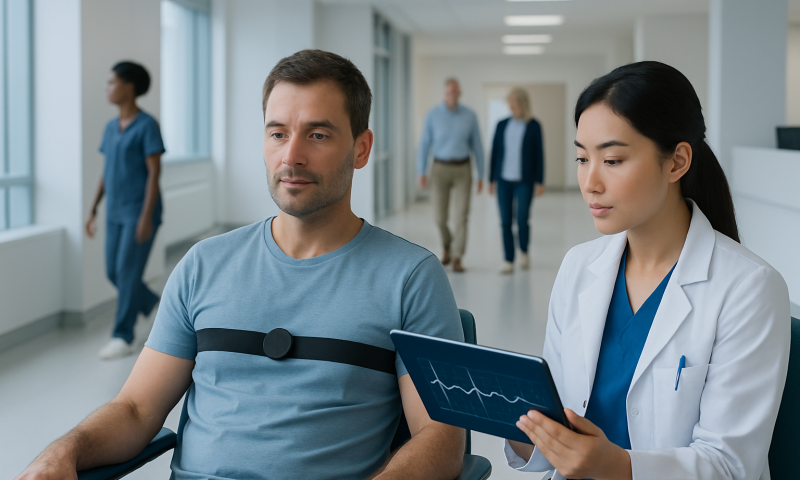
Neuromodulation for Chronic Pain: Who May Benefit?

Neuromodulation does not cure the underlying cause of pain, but it may reduce pain signals and improve daily function in carefully selected patients. Common options include spinal cord stimulation, dorsal root ganglion stimulation, peripheral nerve stimulation and, in some cases, intrathecal drug delivery.
Key Takeaways
- Neuromodulation does not cure the underlying cause of pain, but it may reduce pain signals and improve daily function in carefully selected patients.
- Common options include spinal cord stimulation, dorsal root ganglion stimulation, peripheral nerve stimulation and, in some cases, intrathecal drug delivery.
- It is most often considered after conservative treatments, rehabilitation and appropriate medications have not provided adequate benefit.
- A temporary trial is often used before a permanent implant to estimate whether stimulation is likely to help.
- Good candidates usually need a clear diagnosis, realistic expectations, no active infection and the ability to participate in follow-up and device adjustments.
Neuromodulation is a group of treatments that use carefully controlled electrical or medication-based signals to influence pain pathways. It may help selected people with long-lasting pain, especially nerve-related pain, when standard care has not provided enough relief.
Overview
Neuromodulation for chronic pain refers to medical treatments that change how nerves communicate pain signals. Most commonly, this is done with small implanted devices that deliver mild electrical stimulation to specific nerves, the spinal cord or nerve roots. In selected cases, neuromodulation may also include targeted delivery of medication into the fluid around the spinal cord.
Chronic pain is usually defined as pain that lasts longer than expected healing, often for three months or more. It can affect sleep, mood, mobility, work and relationships. For many people, chronic pain is not only a symptom but a complex condition involving nerves, the spine, the immune system and the brain.
Neuromodulation is typically not the first treatment offered. It is usually considered when a person has had a careful medical evaluation and has already tried appropriate options such as physical therapy, lifestyle measures, medications, injections or surgery when indicated. The goal is not necessarily to remove all pain, but to reduce pain enough to improve movement, sleep and quality of life.
How Neuromodulation Works
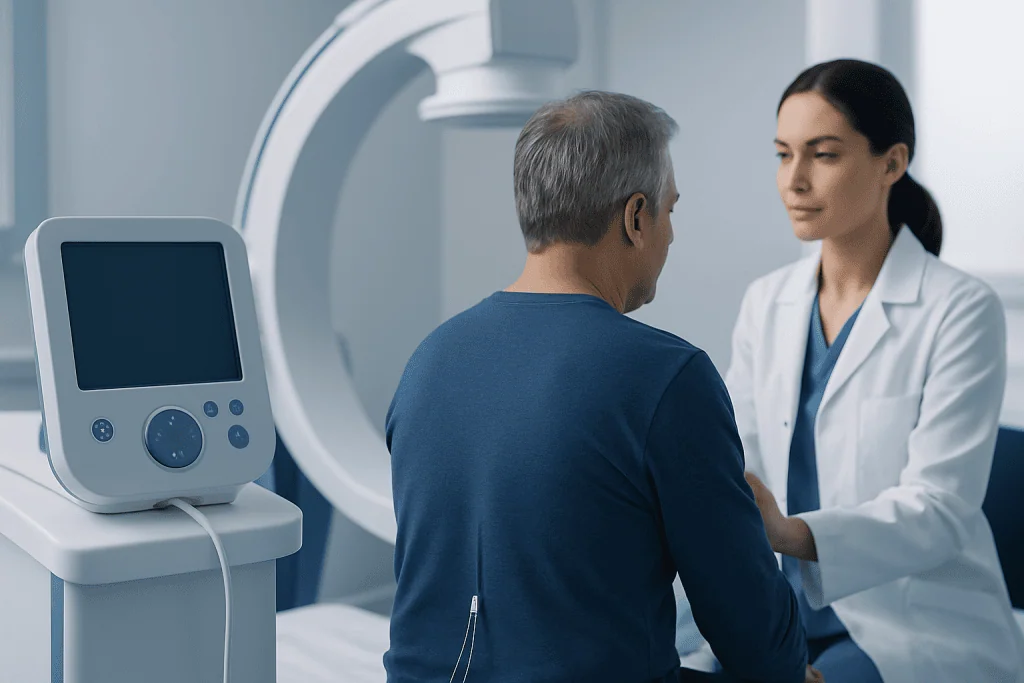
Pain signals travel through peripheral nerves to the spinal cord and then to the brain, where pain is interpreted. Neuromodulation aims to interrupt, filter or rebalance those signals. Depending on the device and the condition, stimulation may replace painful sensations with a gentle tingling, or it may work without any noticeable sensation at all.
Spinal cord stimulation places thin leads in the epidural space near the spinal cord. These leads are connected to a small pulse generator, similar in concept to a pacemaker, usually placed under the skin. The device sends controlled electrical pulses that influence pain signaling before the signals reach the brain.
Dorsal root ganglion stimulation targets a cluster of nerve cells near the spine that can be involved in focused, regional pain. Peripheral nerve stimulation targets a specific nerve outside the spine, such as a nerve supplying the shoulder, knee, groin or limb. Intrathecal drug delivery, sometimes grouped under neuromodulation, uses an implanted pump to deliver very small amounts of medication directly near the spinal cord when other approaches are not suitable or sufficient.
Who May Benefit

Neuromodulation may be considered for people with chronic pain that has a strong nerve-related component. This may include burning, shooting, electric, tingling or hypersensitive pain. It is often discussed when pain persists despite a well-planned combination of rehabilitation, medications and less invasive procedures.
Conditions for which neuromodulation may be considered include persistent leg or back pain after spine surgery, complex regional pain syndrome, painful diabetic neuropathy, certain types of nerve injury pain, post-surgical neuropathic pain and some forms of focal limb or trunk pain. Some patients with pain related to poor blood flow or angina may be assessed for specialized neuromodulation approaches, although this depends on the individual diagnosis and local expertise.
A good candidate is usually someone whose pain pattern matches a targetable nerve pathway and whose overall health allows a procedure. The person should be able to understand the device, attend follow-up visits and take part in programming sessions. Psychological readiness is also important, not because pain is imagined, but because mood, stress, sleep and expectations can strongly influence outcomes in chronic pain care.
Neuromodulation may be less appropriate if there is an untreated infection, a bleeding risk that cannot be managed, an unstable medical condition, untreated severe mental health concerns, active substance misuse or a pain pattern that is unlikely to respond to nerve stimulation. A specialist assessment helps clarify whether benefits are realistic and whether another treatment should come first.
Types of Neuromodulation for Chronic Pain
Spinal cord stimulation is one of the most established forms of neuromodulation for chronic pain. It may be used for selected people with persistent neuropathic pain in the back, legs, arms or other areas. Modern systems may offer different stimulation patterns, rechargeable or non-rechargeable batteries and magnetic resonance imaging compatibility depending on the model and clinical need.
Dorsal root ganglion stimulation can be helpful when pain is more localized, such as pain affecting the foot, knee, groin or a defined region after injury or surgery. Because it targets a specific nerve relay point, it may offer more focused coverage for certain pain patterns. Peripheral nerve stimulation is another focused option and may be considered when a named peripheral nerve appears to be a key driver of pain.
Intrathecal drug delivery is different from electrical stimulation. It uses a surgically implanted pump and catheter to deliver medication directly into the intrathecal space around the spinal cord. This approach may be considered for selected patients with severe chronic pain who have not tolerated or responded to other treatments, but it requires careful monitoring, refills and long-term specialist follow-up.
The best type of neuromodulation depends on the diagnosis, location of pain, previous treatments, imaging results, medication history and the person’s goals. A pain specialist, neurosurgeon or multidisciplinary team will usually compare options before recommending a device-based approach.
Evaluation and Trial Procedure
Before neuromodulation is recommended, the clinical team reviews the person’s pain history, previous treatments, physical examination, imaging and nerve-related symptoms. They may also assess sleep, mood, medication use and daily function. This helps determine whether the pain is likely to respond and whether the person can safely undergo a procedure.
For many electrical stimulation systems, a temporary trial is performed before permanent implantation. During a trial, thin leads are placed through the skin using imaging guidance, and an external stimulator is worn for several days. The person keeps track of pain relief, function, sleep, walking ability and medication needs during normal daily activities.
A successful trial does not always mean complete pain relief. Many teams look for meaningful improvement, such as better mobility, less severe pain, improved sleep or reduced reliance on certain medications. If the trial is not helpful, the leads are removed and other pain management options can be reconsidered.
If the trial is beneficial and the person chooses to proceed, a permanent system may be implanted. Follow-up visits are needed to check healing, adjust programs and teach safe device use. Programming can take time, and it is common for settings to be refined as the person becomes more active.
Benefits, Limitations and Possible Risks
The main potential benefit of neuromodulation is reduced pain intensity with improved function. Some people are able to walk more comfortably, sleep better, participate more fully in physiotherapy or reduce certain pain medicines under medical supervision. Because stimulation is adjustable and often reversible, it can be tailored over time.
However, neuromodulation is not a cure for all chronic pain. It may not help pain that is widespread, poorly localized or mainly caused by ongoing inflammation, unstable joints or untreated structural problems. Results vary, and even people who respond well may still need exercise therapy, pacing strategies, psychological support, medication adjustments or treatment of the underlying condition.
Like any procedure, neuromodulation has possible risks. These may include infection, bleeding, pain at the implant site, lead movement, device malfunction, changes in stimulation sensation or the need for revision surgery. Intrathecal pumps have additional considerations, including medication side effects, pump refills and the importance of avoiding interruption of therapy.
Patients should receive clear instructions about activity restrictions after implantation, wound care, charging if needed and when to contact the medical team. They should also discuss airport screening, driving, work duties and imaging requirements, including whether the specific device is compatible with MRI under defined conditions.
Prevention and Self-care Alongside Treatment
Neuromodulation works best when it is part of a broader pain management plan. Regular gentle movement, supervised physiotherapy and gradual strengthening can help maintain flexibility and reduce fear of movement. Activity pacing, which means balancing activity with rest before pain flares severely, is often more useful than long cycles of overactivity and complete rest.
Sleep, nutrition, smoking cessation and management of conditions such as diabetes can influence nerve health and healing. People with neuropathic pain may benefit from protecting sensitive skin, wearing comfortable footwear if the feet are affected and checking for wounds if sensation is reduced. Medication changes should always be made with a doctor, especially if opioids, sedatives or nerve pain medicines are involved.
Emotional support is also part of pain care. Chronic pain can create frustration, worry and isolation, even when a person is coping well. Cognitive behavioral strategies, relaxation training, mindfulness-based approaches or counseling may help people manage the stress response to pain and improve confidence in daily activity.
- Keep a simple pain and activity diary before and after treatment.
- Attend all programming and follow-up appointments.
- Report fever, wound redness, new weakness or sudden loss of stimulation promptly.
- Ask the care team before having MRI scans, surgery or other procedures.
When to See a Doctor
A person should see a doctor if pain has lasted for several months, interferes with sleep or daily life, or is associated with numbness, tingling, weakness or changes in walking. Medical evaluation is especially important when pain follows surgery, trauma, shingles, diabetes-related nerve problems or a known spine condition.
Urgent medical attention is needed for new loss of bladder or bowel control, rapidly worsening weakness, fever with severe back pain, unexplained weight loss or pain after major injury. These symptoms do not mean neuromodulation is needed; they mean a prompt diagnosis is important to rule out serious causes.
People considering neuromodulation should ask whether their pain diagnosis is clear, what alternatives remain, what a realistic trial goal would be and how follow-up care is organized. For international patients, Acibadem International can help coordinate assessment by multidisciplinary specialists in JCI-accredited hospitals for conditions that may require advanced pain, neurology, neurosurgery or rehabilitation input.
Frequently asked questions
Is neuromodulation the same as pain medication?
No. Electrical neuromodulation uses targeted stimulation to influence pain signals rather than treating pain through the bloodstream. Intrathecal drug delivery does use medication, but it delivers it directly near the spinal cord through an implanted pump and is managed very differently from tablets or injections.
Does spinal cord stimulation remove pain completely?
Some people experience major relief, but complete pain removal is not the usual goal. A more realistic goal is meaningful pain reduction with better sleep, movement and daily function. The expected benefit should be discussed before the trial.
Is the trial procedure permanent?
No. In many cases, a temporary trial is done first to see whether stimulation helps during everyday activities. If the trial does not provide enough benefit, the temporary leads are removed and a permanent implant is usually not placed.
Can a person have an MRI with a neuromodulation device?
It depends on the exact device and how it was implanted. Some modern systems are MRI conditional, meaning scans may be possible only under specific rules. Patients should always tell imaging staff and their treating doctor about any implanted device before scheduling MRI or other procedures.
Who decides whether neuromodulation is appropriate?
The decision is usually made by a pain medicine specialist, neurosurgeon or multidisciplinary pain team after reviewing the diagnosis, previous treatments and overall health. The patient’s goals and ability to attend follow-up visits are also important. Shared decision-making helps ensure expectations are realistic.
How long does an implanted neuromodulation device last?
Device life varies depending on the system, stimulation settings and whether the battery is rechargeable. Some batteries last for years, while others may need replacement sooner or later. The treating team can explain the expected maintenance plan for the specific device.
References
- International Neuromodulation Society
- National Institute for Health and Care Excellence
- American Society of Regional Anesthesia and Pain Medicine
- National Institute of Neurological Disorders and Stroke
- U.S. Food and Drug Administration
This article is for general information only and is not a substitute for professional medical advice. Please consult a qualified doctor about your individual situation.
Neuromodulation in Turkey — costs, top hospitals & a free quote
JCI-accredited · board-certified surgeons · reply within 24h