Heart Rate Variability Monitor — Explained by Medical Evidence, Not Myths
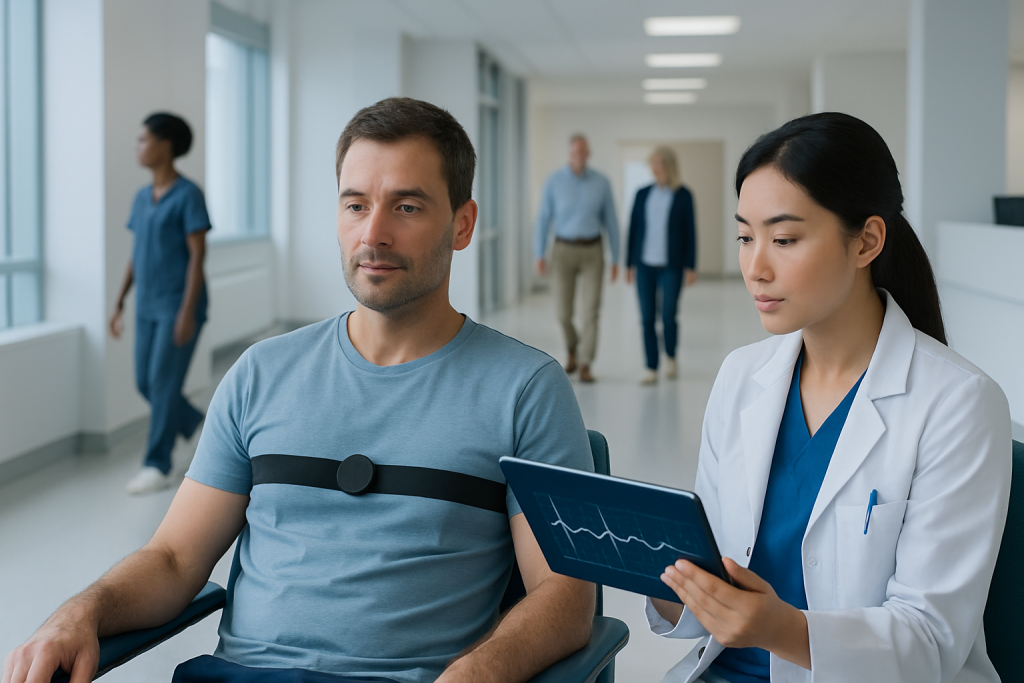
A heart rate variability monitor measures beat-to-beat timing changes rather than simply counting beats per minute. HRV can reflect how the autonomic nervous system responds to stress, sleep, exercise, illness, and recovery.
Key Takeaways
- A heart rate variability monitor measures beat-to-beat timing changes rather than simply counting beats per minute.
- HRV can reflect how the autonomic nervous system responds to stress, sleep, exercise, illness, and recovery.
- Higher or lower HRV is not automatically good or bad; the person’s baseline and overall clinical context matter most.
- Consumer wearables can be useful for trends, but results may vary with device quality, movement, and measurement method.
- A heart rate variability monitor is best used as one part of health tracking, not as a stand-alone diagnostic tool.
- New symptoms such as chest pain, fainting, severe palpitations, or shortness of breath need medical assessment.
A heart rate variability monitor measures the small differences in time between one heartbeat and the next, not just the average heart rate. Used correctly, it can provide helpful information about stress, sleep, recovery, and autonomic nervous system activity, but it does not diagnose disease on its own.
Overview: what a heart rate variability monitor actually measures
A heart rate variability monitor tracks the small changes in time between successive heartbeats. Even when the heart seems to be beating at a steady pace, the intervals between beats naturally vary by milliseconds. This variation is called heart rate variability, or HRV, and it is influenced by the autonomic nervous system, which helps regulate heart rate, breathing, stress responses, and recovery.
This is why a heart rate variability monitor is different from a standard heart rate tracker. A basic heart rate measurement tells how many times the heart beats in one minute. HRV looks deeper at the pattern between beats. In clinical and research settings, HRV can offer insight into how the body is adapting to physical and emotional demands.
Medical evidence suggests HRV can be a useful biomarker when interpreted carefully. It may reflect stress load, sleep quality, exercise recovery, hydration, illness, and the balance between sympathetic activity (often called the “fight-or-flight” response) and parasympathetic activity (often described as “rest-and-digest”). However, HRV is not a direct measure of fitness, mental health, or heart disease by itself.
For patients and health-conscious adults, the most helpful approach is to view HRV trends over time rather than focusing on a single number. A heart rate variability monitor can support healthy habits and informed conversations with a doctor, but it should not replace proper medical evaluation when symptoms are present.
How HRV works and why the numbers can change
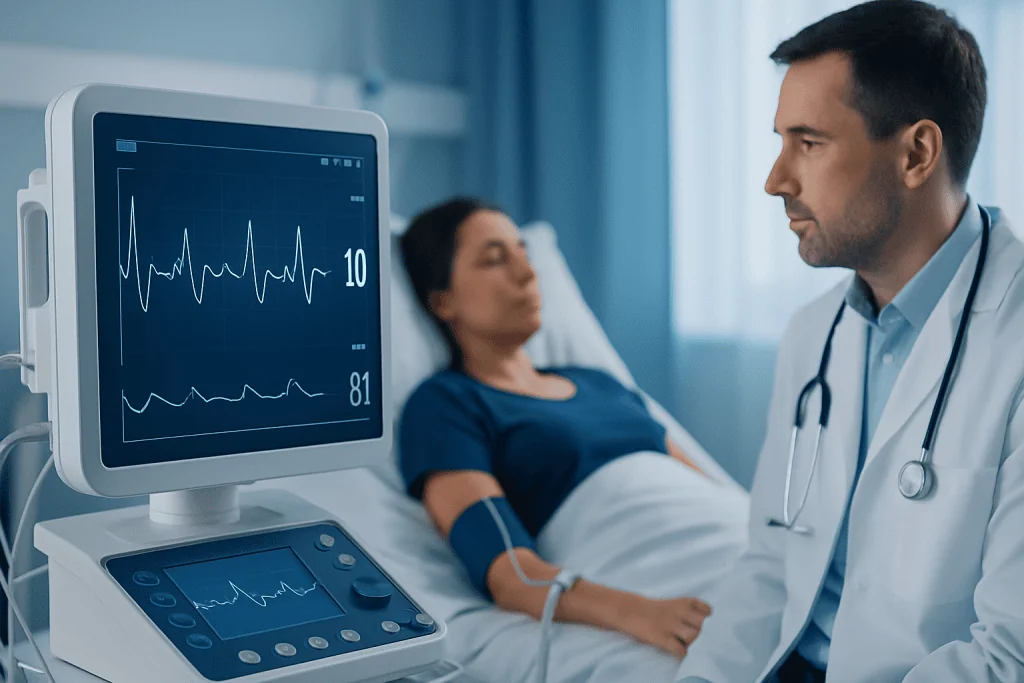
HRV is shaped by continuous communication between the heart and the nervous system. With inhalation and exhalation, physical activity, emotional stress, and sleep, the timing between heartbeats changes slightly. This variation is normal. In many situations, a flexible cardiovascular response is a sign that the body is adapting well to changing demands.
Many consumer devices estimate HRV using optical sensors worn on the wrist or finger, while some use chest straps that detect electrical signals from the heart. Medical-grade testing may use electrocardiography (ECG), which is generally more precise. Different devices may report different HRV metrics, such as RMSSD or SDNN, so numbers from one brand may not be directly comparable with numbers from another.
Daily HRV readings can fluctuate for many reasons. Common influences include sleep loss, overtraining, psychological stress, dehydration, alcohol use, fever, pain, menstrual cycle changes, some medications, and underlying medical conditions. Because of this, a low reading on one day does not necessarily mean a health problem, and a high reading does not guarantee optimal health.
The most clinically sensible use of a heart rate variability monitor is to measure under similar conditions each day, such as after waking and before caffeine. This makes it easier to identify meaningful personal trends rather than reacting to normal short-term variation.
What a heart rate variability monitor can and cannot tell someone

A heart rate variability monitor can be useful for tracking how the body responds to training, stress, travel, sleep disruption, and recovery from minor illness. Some people use it to decide when to reduce exercise intensity, prioritize rest, or pay closer attention to hydration and sleep. It may also help people recognize patterns between daily habits and how they feel.
What it cannot do is provide a diagnosis on its own. HRV does not confirm or rule out arrhythmia, coronary artery disease, anxiety disorder, burnout, sleep apnea, or other medical conditions. A wearable device may suggest that something has changed, but the meaning of that change depends on symptoms, medical history, medications, age, and the accuracy of the recording.
It is also important to avoid oversimplified myths. For example, the idea that “higher HRV is always better” is not medically precise. HRV varies with age, fitness, health status, and individual baseline. In some situations, unusual or unstable readings may require professional review, especially if there are symptoms such as palpitations or dizziness.
If a person is concerned about rhythm-related symptoms, formal cardiac evaluation may be needed. Depending on the situation, doctors may assess for conditions such as arrhythmia and may recommend additional testing rather than relying on wearable data alone.
Who may find HRV monitoring useful
HRV tracking may be useful for athletes, shift workers, people under sustained stress, and those trying to improve sleep or recovery habits. It can also help individuals who want structured feedback while making lifestyle changes, such as improving exercise consistency, reducing alcohol intake, or building better sleep routines.
Some patients living with chronic conditions may also discuss HRV data with their doctor, particularly if they are monitoring overall wellness. However, this should be done carefully. HRV can be affected by medication use, cardiovascular disease, endocrine disorders, infection, and many other factors, so interpretation must stay grounded in the broader clinical picture.
For some individuals, frequent self-monitoring may increase anxiety rather than improve health decisions. If data checking becomes stressful or leads to overinterpretation of normal fluctuation, it may be healthier to track less often or review trends with a clinician. A number alone should not define how well or unwell someone is.
In medical settings, wearables may sometimes prompt more formal assessment. If symptoms suggest structural or rhythm-related heart issues, doctors may consider tests such as an electrocardiogram or longer rhythm monitoring, especially when consumer readings are inconsistent with symptoms.
Limits, accuracy, and how doctors interpret HRV responsibly
The value of a heart rate variability monitor depends heavily on measurement quality. Wrist-based optical sensors are convenient, but they can be affected by movement, skin contact, temperature, and signal noise. Chest straps and ECG-based systems usually provide more reliable interval data, especially during exercise or when heart rhythm is irregular.
Another challenge is the lack of universal standards across apps and devices. One product may calculate HRV during sleep, another during a short morning reading, and another during exercise recovery. Because methods differ, the same person may receive different numbers from different platforms. For this reason, trend analysis within the same device is usually more meaningful than comparing results across devices or with another person.
Doctors do not interpret HRV in isolation. They consider symptoms, blood pressure, medication use, exercise tolerance, medical conditions, and test findings. If concern remains, clinicians may use established assessments such as Holter monitoring or, in selected cases, imaging such as echocardiography to understand heart rhythm and heart function more fully.
When used responsibly, HRV monitoring can complement medical care. It is most helpful as an observational tool that supports prevention, self-awareness, and timely follow-up when changes persist or symptoms develop.
Practical ways to use HRV data for self-care
For most people, the best way to use a heart rate variability monitor is to focus on patterns rather than perfection. A gradual downward trend over several days may suggest a need for more rest, recovery, hydration, or stress reduction. A stable pattern that aligns with good sleep and energy may be reassuring, even if the actual number is lower than someone else’s.
Good measurement habits improve usefulness. Taking readings at the same time each day, after waking, and before caffeine or exercise can reduce random variation. It also helps to note possible influences such as alcohol, illness, poor sleep, heavy training, travel, or emotional stress. Context often explains changes better than the number itself.
General measures that may support healthy autonomic balance include regular physical activity, consistent sleep, balanced nutrition, stress management, hydration, and avoiding tobacco. People should not stop prescribed medicines or start supplements based only on HRV trends. Medical advice should always be individualized.
Near the end of an evaluation process, some patients may benefit from coordinated specialist input. Acibadem International’s multidisciplinary specialists and JCI-accredited hospitals evaluate heart-related concerns for international patients when wearable data, symptoms, and clinical questions need expert review.
When to seek medical care
A heart rate variability monitor should not delay medical care when symptoms are present. Medical assessment is important if there is chest pain, fainting, severe dizziness, shortness of breath, exercise intolerance, a very fast or irregular heartbeat, or palpitations that are new, worsening, or accompanied by weakness. These symptoms may or may not be related to HRV, but they deserve prompt evaluation.
It is also sensible to contact a doctor if HRV readings change sharply and stay abnormal for days or weeks, especially when combined with fatigue, poor recovery, sleep disruption, or signs of illness. A clinician can help determine whether the change reflects lifestyle strain, medication effects, infection, cardiovascular issues, or another cause.
People with known heart disease, diabetes, thyroid disease, sleep apnea, or a history of rhythm problems should be especially cautious about self-interpreting wearable data. Device alerts can be useful, but they should be reviewed in the context of medical history and other findings.
Urgent or emergency care is appropriate for severe chest pressure, collapse, stroke-like symptoms, or significant breathing difficulty. In these situations, a wearable reading is less important than immediate professional assessment.
Frequently asked questions
What does a heart rate variability monitor measure?
It measures the tiny differences in time between one heartbeat and the next. These beat-to-beat changes can reflect how the autonomic nervous system is responding to stress, rest, exercise, and recovery.
Is a higher HRV always better?
Not always. HRV is highly individual and depends on age, fitness, health status, medications, and the person’s usual baseline. Trends over time are generally more meaningful than a single high or low value.
Can a heart rate variability monitor detect heart disease?
No, not by itself. It may show a change that encourages further evaluation, but it cannot diagnose heart disease or rhythm disorders without proper medical assessment and, if needed, formal testing.
Are smartwatch HRV readings accurate?
They can be helpful for tracking general trends, especially when used consistently under similar conditions. However, accuracy can be affected by movement, sensor fit, skin contact, and the specific technology used by the device.
Why does HRV drop after poor sleep or stress?
Sleep loss, illness, emotional strain, and heavy exercise can shift the body toward a more stressed physiological state. This may temporarily reduce HRV because the autonomic nervous system is working under greater load.
When should someone talk to a doctor about HRV readings?
A doctor should be consulted if unusual readings are persistent, unexplained, or linked with symptoms such as palpitations, fainting, chest pain, or shortness of breath. Professional advice is also important for people with known heart conditions or other chronic illnesses.
References
- American Heart Association
- National Heart, Lung, and Blood Institute
- European Society of Cardiology
- National Institutes of Health
- Mayo Clinic
This article is for general information only and is not a substitute for professional medical advice. Please consult a qualified doctor about your individual situation.
Heart care in Turkey — expert evaluation and treatment
JCI-accredited · board-certified surgeons · reply within 24h
Check your numbers in seconds
BMI, calories, due date, blood pressure and 30+ more clinical calculators — free, instant, doctor-reviewed ranges.

More from the Health Library



Related Specialists

Assoc. Prof. Dr. Ahmet Arnaz
Cardiovascular Surgery
Prof. Dr. Nadiye Köroğlu
Gynecology & Obstetrics
Dt. Mehpere Yener
Dentistry
Prof. Dr. Tevfik Fikret Çermik
Nuclear Medicine