

Overactive Gastrocolic Reflex Treatment: How It Works, Results and What to Expect

The gastrocolic reflex is a normal signal that increases colon activity after eating. An overactive response may cause cramping, gas, urgency or diarrhea, particularly after larger or trigger-containing meals.
Key Takeaways
- The gastrocolic reflex is a normal signal that increases colon activity after eating.
- An overactive response may cause cramping, gas, urgency or diarrhea, particularly after larger or trigger-containing meals.
- There is no single procedure that treats the reflex; care is tailored to symptoms, triggers and possible underlying digestive conditions.
- Smaller meals, a food-and-symptom diary and stress-management strategies may reduce symptoms for many people.
- New, persistent or worsening bowel changes should be assessed to rule out conditions that need specific treatment.
Overactive gastrocolic reflex treatment usually focuses on identifying triggers, adjusting meal patterns and treating an underlying condition such as irritable bowel syndrome (IBS) when present. Although the reflex itself is normal, symptoms such as cramping, urgency or diarrhea soon after meals can often be improved with individualized medical and dietary care.
Overview: what overactive gastrocolic reflex treatment involves
Overactive gastrocolic reflex treatment is usually a personalized plan rather than a single medicine or procedure. It aims to lessen the bowel urgency, cramps, bloating or loose stools that may occur shortly after eating by adjusting food triggers and meal habits, addressing stress-related gut sensitivity, and treating any diagnosed digestive disorder.
The gastrocolic reflex is a normal body response. When food enters the stomach, nerves and hormones signal the colon to move its contents forward, making room for future digestion. Some people feel this as a need to pass stool after meals. A stronger-than-usual response can be uncomfortable, but it does not by itself mean that the colon is damaged.
Symptoms may overlap with irritable bowel syndrome, food intolerance, infection, inflammatory bowel disease or other gastrointestinal conditions. For this reason, the most effective approach starts with a careful assessment rather than self-treating persistent symptoms as an “overactive reflex.”
How treatment works and who may benefit
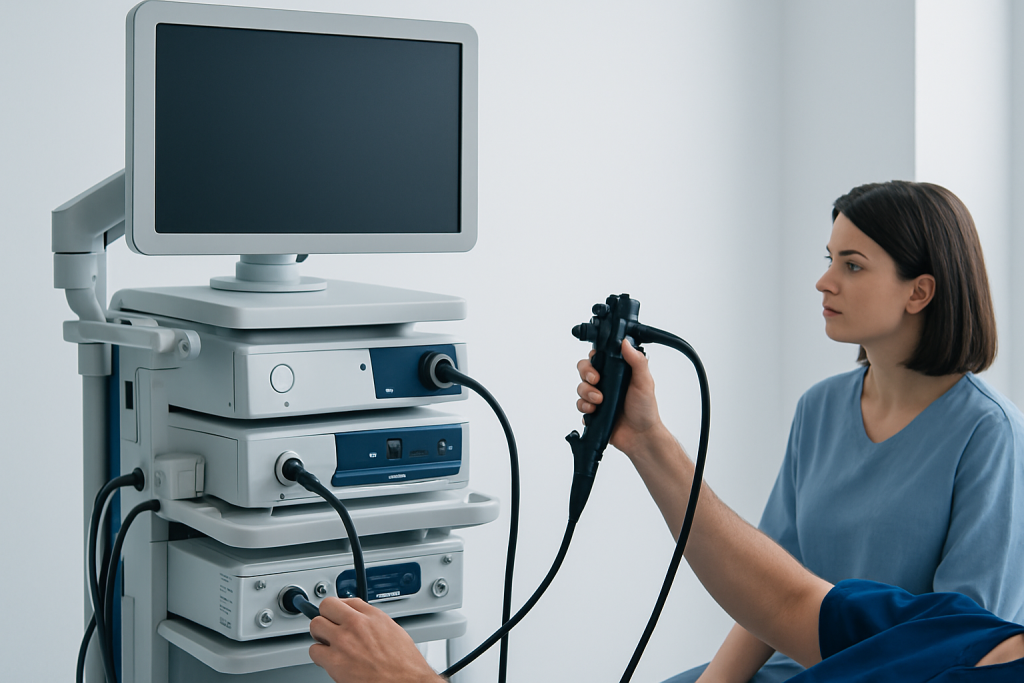
Treatment works by reducing factors that intensify colon contractions and by improving the underlying cause when one is identified. A clinician may recommend dietary changes, regular meal timing, hydration, bowel-habit strategies, psychological support for the gut-brain connection, or symptom-directed medication. The plan depends on whether diarrhea, constipation, pain, bloating or mixed symptoms are most troublesome.
People may benefit from assessment when meal-related bowel urgency is frequent, limits work or travel, causes distress, or occurs alongside recurrent abdominal pain or changing stool patterns. Evaluation is also useful for people with a known digestive condition whose symptoms are no longer well controlled.
Not everyone needs extensive testing. A doctor considers age, medical history, medications, recent travel, family history and warning signs before deciding whether simple first-line measures or further investigations are appropriate. Pregnancy, older age, immune suppression and significant medical conditions may also affect the evaluation and treatment plan.
How to calm down an overactive gastrocolic reflex?

Many people can calm an overactive gastrocolic response by eating smaller meals more regularly instead of very large meals, slowing down while eating, and noting which foods or drinks consistently bring on symptoms. It can be helpful to avoid skipping meals and then eating a large portion, as rapid stomach stretching may strengthen the reflex.
A food-and-symptom diary for several weeks can identify patterns without unnecessarily restricting the diet. Record meal size, timing, ingredients, caffeine or alcohol intake, symptoms, bowel movements, sleep and stressful events. A registered dietitian can help interpret patterns and ensure that food changes remain nutritionally balanced.
The digestive tract is closely connected with the nervous system. Gentle exercise, adequate sleep, breathing exercises, relaxation practices and structured psychological therapies may help people whose symptoms worsen during stress or anxiety. These approaches do not suggest symptoms are “all in the mind”; they support the gut-brain pathways that influence bowel movement and sensation.
If symptoms persist, a gastroenterologist may recommend targeted care, including gastroenterology assessment and treatment, based on the person’s symptoms and test results.
What foods increase gastrocolic reflexes?
Foods do not affect every person in the same way, but some commonly increase colon activity or make urgency more noticeable. Large, high-fat meals are frequent triggers because fat can stimulate digestive signaling. Fried foods, rich sauces and heavily processed meals may therefore be harder to tolerate for some people.
Other possible triggers include coffee and other caffeinated drinks, alcohol, spicy foods, very sweet foods, carbonated beverages and large amounts of sugar alcohols such as sorbitol or xylitol. Milk and other dairy foods can cause cramps, gas or diarrhea in people with lactose intolerance. Certain high-fiber foods may temporarily increase bowel movement, especially if fiber is increased quickly.
Rather than removing many foods at once, people should make one practical change at a time and review the response. When IBS is suspected, a clinician or dietitian may discuss a time-limited, supervised dietary strategy such as a low-FODMAP approach, followed by structured food reintroduction. Long-term broad restriction without support can reduce dietary variety and nutritional intake.
What is the best medicine for gastrocolic reflex?
There is no single best medicine for the gastrocolic reflex because the reflex is normal and medication is chosen for the symptom or condition causing difficulty. A doctor may consider treatment for diarrhea, abdominal cramping, constipation, acid-related symptoms or IBS only after reviewing the person’s history and excluding causes that require different care.
For example, some people with diarrhea-predominant symptoms may be advised to use an anti-diarrheal medicine in appropriate circumstances, while others may need an antispasmodic medicine for cramping. Fiber supplements can help some people regulate stool consistency, but may worsen bloating if introduced too quickly. Probiotics have mixed evidence, and the benefit can vary by product and person.
Medication should not be started repeatedly for unexplained diarrhea, especially when symptoms are new or severe. A clinician can check for medication side effects, infection, food intolerance, inflammatory conditions and other causes before recommending treatment. Prescription therapies for IBS or other diagnosed disorders should be selected and monitored by a qualified healthcare professional.
Step-by-step assessment, recovery timeline and expected results
There is usually no invasive procedure for an overactive gastrocolic reflex. The clinical process commonly begins with a detailed discussion of symptoms, stool pattern, meals, medicines and medical history. A physical examination and selected blood or stool tests may be used when indicated. Depending on the findings, further evaluation may include tests for food intolerance, imaging or endoscopy.
After assessment, the clinician and patient develop a practical plan. This may include a trial of meal-size changes, reduction of individual triggers, dietary fiber adjustments, hydration advice and treatment for a confirmed condition. Follow-up helps determine whether symptoms are improving and whether the plan needs refinement.
Results vary with the cause. Some people notice improvement within days to a few weeks after changing meal patterns or reducing a clear trigger. When symptoms are linked to IBS or another chronic condition, improvement may be gradual and may require several adjustments. The goal is meaningful symptom control and confidence with daily activities, rather than eliminating every normal post-meal bowel signal.
Potential risks are mainly related to unnecessary food restriction, inappropriate self-medication or delayed evaluation of an underlying condition. Professional guidance can reduce these risks and help people choose a sustainable plan.
Can gastrocolic reflex go away?
The gastrocolic reflex does not go away because it is a normal part of digestion. However, an overly noticeable or uncomfortable response can become much less disruptive when triggers are identified and any underlying digestive disorder is treated.
Symptoms may settle after a temporary cause resolves, such as a gastrointestinal infection, a medication effect or a period of dietary change. In people with IBS or long-term gut sensitivity, symptoms can fluctuate over time. Many people achieve good control through a combination of dietary, lifestyle and medical strategies.
It is important not to judge success only by whether there is a bowel movement after eating. Passing stool after a meal can be normal. Improvement means less pain, urgency, diarrhea, fear of eating or interference with everyday life.
When to seek medical care
A person should arrange medical review for persistent meal-related diarrhea, urgency, abdominal pain or a significant change in normal bowel habits. Assessment is particularly important if symptoms interfere with hydration, nutrition, sleep, work, school or travel, or if over-the-counter measures are not helping.
Prompt medical attention is needed for blood in the stool, black or tar-like stool, unexplained weight loss, fever, repeated vomiting, severe or worsening abdominal pain, fainting, signs of dehydration, or diarrhea that is severe or prolonged. These symptoms can have causes beyond an overactive gastrocolic reflex and should not be managed with diet changes alone.
Acibadem International’s multidisciplinary specialists and JCI-accredited hospitals assess digestive symptoms and provide individualized care for international patients. A gastroenterology consultation can help clarify whether symptoms are related to functional bowel sensitivity, IBS or another condition requiring specific treatment.
Frequently asked questions
Is an overactive gastrocolic reflex dangerous?
The gastrocolic reflex itself is a normal digestive response and is not usually dangerous. However, frequent diarrhea, severe pain or ongoing urgency may indicate another condition that should be assessed. Warning signs such as bleeding, weight loss or fever require prompt medical care.
Why do I need to use the toilet right after eating?
Eating naturally stimulates the colon to move, and this can create an urge to pass stool soon after a meal. The stool being passed was generally already in the colon, rather than the meal just eaten. A stronger response may occur with large meals, fatty foods, caffeine, stress or conditions such as IBS.
Can stress make the gastrocolic reflex worse?
Yes. Stress can influence communication between the brain and digestive tract, increasing bowel contractions and making sensations such as urgency or cramping feel stronger. Stress-reduction techniques and appropriate mental health support can be useful parts of digestive symptom management.
Should I avoid fiber if I have bowel urgency after meals?
Not necessarily. Fiber can improve stool consistency for some people, but certain types or rapid increases can worsen gas, bloating or urgency. A clinician or dietitian can advise on the most suitable type and pace of fiber changes based on the person’s symptoms.
Can lactose intolerance cause a strong gastrocolic reflex?
Lactose intolerance can cause gas, bloating, cramps and diarrhea after dairy products, which may feel similar to an overactive gastrocolic response. Symptoms usually occur because undigested lactose is fermented in the gut. A doctor can help distinguish lactose intolerance from IBS and other digestive conditions.
Do probiotics treat an overactive gastrocolic reflex?
Probiotics may help some people with certain functional bowel symptoms, but evidence is inconsistent and effects vary by product and individual. They are not a universal treatment for post-meal urgency. It is sensible to discuss persistent symptoms with a healthcare professional before relying on supplements.
References
- National Institute of Diabetes and Digestive and Kidney Diseases
- American College of Gastroenterology
- Mayo Clinic
- National Health Service
- International Foundation for Gastrointestinal Disorders
This article is for general information only and is not a substitute for professional medical advice. Please consult a qualified doctor about your individual situation.
Persistent digestive symptoms? Get evaluated in Turkey
JCI-accredited · board-certified surgeons · reply within 24h
Add us as a Preferred Source to see more of our trusted health content across Google Search, AI Overviews and Discover.

More from the Health Library


Related Specialists

Prof. Dr. Kahraman Öztürk
Orthopedic Surgery & Traumatology
Dt. Ülkü Noyan
Oral & Dental Health
Dr. Hasan Kamburoğlu
Anesthesiology
Dr. Ersin Adem Hadzhiyusein
Inpatient Clinic Physicians Clinical Service