Trach Removal: Procedure, Recovery and Results

Trach removal is considered only after the underlying reason for the tracheostomy has improved and airway safety is established. The trach removal procedure commonly involves reducing or capping the tube before its final removal.
Key Takeaways
- Trach removal is considered only after the underlying reason for the tracheostomy has improved and airway safety is established.
- The trach removal procedure commonly involves reducing or capping the tube before its final removal.
- Most stoma openings close naturally over days to weeks, although healing time varies with health status and how long the tube was in place.
- Temporary coughing, mucus, a weak voice or discomfort around the neck can occur during recovery.
- Urgent medical assessment is needed for breathing difficulty, persistent bleeding, fever, increasing swelling or signs of wound infection.
Trach removal, also called decannulation, is performed when a person can breathe, protect their airway and clear secretions without a tracheostomy tube. The process is usually planned by a multidisciplinary clinical team and includes readiness checks, tube removal, close observation and care of the opening as it heals.
Overview: What Is Trach Removal?
Trach removal is the planned removal of a tracheostomy tube from the neck. A tracheostomy creates an opening, called a stoma, into the windpipe to support breathing, clear airway secretions or protect the airway when a person cannot safely manage these functions in the usual way.
Removal is also called decannulation. It is not simply a matter of taking the tube out: clinicians first confirm that the person can breathe well enough through the nose and mouth, cough effectively and swallow safely where relevant. The trach removal process is individualized because the original reason for the tracheostomy, overall health, lung function and airway anatomy all matter.
For many people, successful decannulation is an important step toward greater independence and communication. However, it should always be directed by the treating team, often involving respiratory specialists, ear, nose and throat surgeons, speech and language therapists, nurses and rehabilitation professionals.
How the Trach Removal Procedure Works
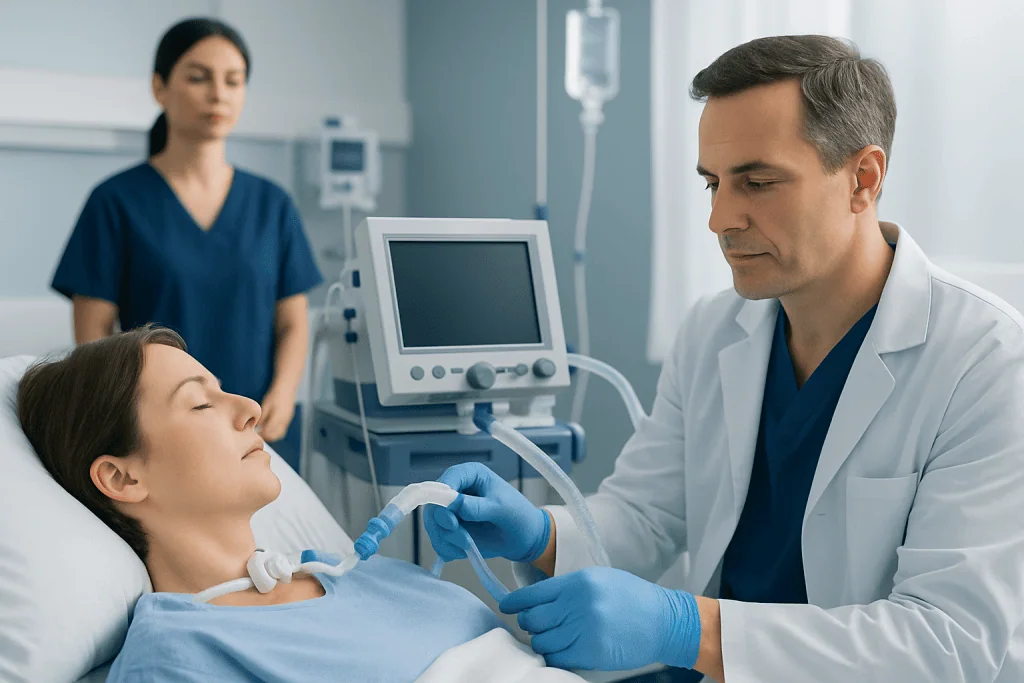
Before a trach removal procedure, the clinical team reviews why the tracheostomy was needed and whether that condition has improved. They assess breathing effort, oxygen needs, alertness, cough strength and the ability to manage saliva and mucus. Depending on the situation, examinations of the upper airway or swallowing assessments may be needed.
A common approach is to gradually reduce reliance on the tube. The team may use a speaking valve, downsize the tube or ask the person to tolerate capping the tube for increasing periods. Capping means the tube is closed so that breathing occurs through the upper airway. This helps show whether the airway is open and breathing remains stable.
When the person is ready, the tube is removed at the bedside or in a hospital setting. This is generally not major trach removal surgery. A clean dressing is placed over the stoma, and staff observe breathing, oxygen levels and secretion clearance. Some people, especially those with a complex airway history, may require removal in a more closely monitored setting or an operating room.
The opening usually closes on its own as the tissues heal. The dressing may need to be held gently over the site when coughing or speaking, as instructed by the care team, to support healing and reduce air leakage.
Who May Be a Candidate for Trach Removal?

A person may be considered for trach removal when the medical issue that led to the tracheostomy is resolved or sufficiently controlled. This can include recovery after serious illness, surgery, injury or a temporary need for ventilator support. Readiness is based on clinical assessment rather than a fixed time interval.
Clinicians commonly look for stable breathing without significant ventilator support, manageable oxygen requirements, an effective cough and the ability to clear secretions. They also consider whether the upper airway is adequately open and whether swallowing is safe. For people with neurological conditions, reduced consciousness or ongoing aspiration risk, the assessment may take longer and require specialized tests.
Decannulation may be delayed if there is an active chest infection, substantial airway swelling, frequent suctioning needs, severe weakness or a high risk of aspiration. Delaying removal is not a setback; it can be an important safety measure while the underlying issue is treated and rehabilitation continues.
Patients with airway narrowing, vocal cord problems or other structural concerns may benefit from specialist ENT assessment before removal. The team will explain what criteria are most relevant to the individual situation and whether additional treatment or therapy is needed first.
What to Expect After a Tracheostomy Is Removed?
After a tracheostomy is removed, it is normal to have a covered opening in the neck and to be monitored for a period of time. Some people notice mild coughing, extra mucus, throat dryness or a sensation of airflow around the dressing. The voice may sound different initially, but it often becomes easier to use as normal airflow returns through the upper airway.
The dressing is changed as advised by the clinical team and should be kept clean and dry. When coughing, talking or exerting effort, patients may be advised to place gentle pressure over the dressing. This can help reduce air escaping through the healing stoma. Instructions vary, so hospital-specific guidance should be followed.
Eating and drinking plans depend on swallowing safety. Some people can resume their usual diet promptly, while others need a speech and language therapy assessment or a gradual return to oral intake. A new or worsening cough during meals, a wet-sounding voice or breathlessness with eating should be reported.
Although many people feel relief after the tube is removed, it can also be an adjustment. Fatigue after a prolonged illness, concern about breathing or changes in speech are understandable. Pulmonary rehabilitation, swallowing therapy and emotional support can be useful parts of recovery when needed.
How Long Does It Take to Heal After a Trach Is Removed?
Trach removal healing time varies. In many cases, the stoma begins to close within a few days and heals over one to two weeks, but complete closure can take longer. The tracheostomy removal recovery time may be extended if the tube was in place for a long period, if healing is slowed by infection or poor nutrition, or if there are medical conditions that affect tissue repair.
Small amounts of air or mucus from the site can occur while the opening is healing. The care team will advise on dressing changes and when bathing or showering is safe. Until the site has closed, avoiding submerging the wound in water is commonly recommended.
Occasionally, the opening does not close completely on its own. This is known as a persistent tracheocutaneous fistula. It is more likely after a long-term tracheostomy and may need assessment by an ENT surgeon. A minor procedure to close the opening can be considered when it does not heal naturally.
The expected recovery timeline should be discussed with the treating team, as they can account for the person’s airway findings, nutritional status, medications and rehabilitation needs. Any sudden deterioration in breathing during recovery needs urgent medical attention.
Is Tracheostomy Removal Painful?
Tracheostomy removal is usually associated with brief discomfort rather than severe pain. People may feel pressure, pulling or an urge to cough when the tube is taken out. Because the procedure is typically quick, this sensation often passes soon after removal.
The skin around the stoma can be tender for several days. If appropriate, the treating team may recommend simple pain relief and measures to protect the skin from moisture or dressing irritation. It is important not to apply creams, powders or other products to the site unless advised.
Severe or increasing pain is not expected. Pain accompanied by redness, warmth, pus-like drainage, fever, swelling or worsening breathing should be assessed by a healthcare professional, as these symptoms can indicate infection or another complication.
How Does Tracheostomy Removal Affect Quality of Life?
For people who no longer need a tracheostomy, removal can support a return to more natural breathing, speaking, coughing and daily activities. It may make personal care easier and reduce the practical burden of tube cleaning, suctioning and equipment management. The change can also improve comfort with social interaction, sleep and mobility.
Quality-of-life improvements are not always immediate. Recovery from the illness that led to the tracheostomy may still involve weakness, breathlessness, changes in swallowing or anxiety about the airway. Ongoing rehabilitation can help a person rebuild stamina, communication skills and confidence at an appropriate pace.
Family members and caregivers can play an important role by understanding the wound-care plan, encouraging follow-up and knowing which symptoms need urgent review. If worry, low mood or fear of breathing problems persists, discussing this openly with the clinical team can help identify useful support.
Acibadem International’s multidisciplinary specialists and JCI-accredited hospitals support international patients who need assessment, treatment and rehabilitation related to tracheostomy care and decannulation.
When to Seek Medical Care
Emergency medical care is needed for severe shortness of breath, noisy breathing that is worsening, bluish lips or face, confusion, fainting, heavy bleeding, or an inability to clear secretions. These symptoms can indicate a serious airway or breathing problem and should not be managed at home.
Contact the treating doctor promptly for fever, increasing redness or swelling around the stoma, foul-smelling or pus-like drainage, persistent leakage that does not improve, new difficulty swallowing, or pain that is becoming worse. A clinician should also review a stoma that remains open longer than expected.
Follow-up appointments are important even when recovery seems uncomplicated. They allow the team to check wound closure, breathing, voice and swallowing, as well as address any ongoing rehabilitation needs. Patients should keep the discharge instructions and emergency contact information available throughout the recovery period.
Frequently asked questions
What is the trach removal process?
The trach removal process starts with checking whether the person can breathe safely through the upper airway, cough effectively and manage secretions. The tube may be downsized or capped first, then removed when the team is satisfied that decannulation is safe. A dressing is placed over the opening and breathing is monitored afterward.
How long does it take to heal after a trach is removed?
The opening often starts closing within days and may heal in one to two weeks, although the exact timeline differs from person to person. Healing can take longer after a long-term tracheostomy or when medical conditions affect wound healing. If the opening remains open or continues to leak, it should be assessed by the treating team.
What should someone expect after a tracheostomy is removed?
Mild coughing, mucus, tenderness and airflow around the neck dressing can occur at first. The voice and swallowing may need time to adjust, particularly after prolonged illness or airway treatment. The clinical team provides instructions for dressing care, activity, eating and follow-up.
Is tracheostomy removal painful?
Most people describe the tube removal as brief discomfort, pressure or a strong urge to cough rather than severe pain. The skin around the opening can remain mildly sore while it heals. Increasing pain, fever, redness or drainage should be reported to a doctor.
How does tracheostomy removal affect quality of life?
When it is medically appropriate, removal may make speaking, personal care, movement and social activities easier. It can also reduce the need for suctioning and tracheostomy equipment. Recovery may still require rehabilitation for strength, breathing, swallowing or confidence after serious illness.
Can a tracheostomy need to be put back after removal?
In some situations, a person may need airway support again if breathing becomes unsafe or the original condition returns or worsens. This is why readiness assessment and monitoring after removal are important. The care team will explain the individual risk and the plan if additional airway support is needed.
References
- American Thoracic Society
- American Academy of Otolaryngology–Head and Neck Surgery
- National Health Service
- Cleveland Clinic
- MedlinePlus
This article is for general information only and is not a substitute for professional medical advice. Please consult a qualified doctor about your individual situation.
Explore treatments in Turkey — costs, top hospitals & a free quote
JCI-accredited · board-certified surgeons · reply within 24h
Add us as a Preferred Source to see more of our trusted health content across Google Search, AI Overviews and Discover.