Photon Therapy: How It Works, Results and What to Expect
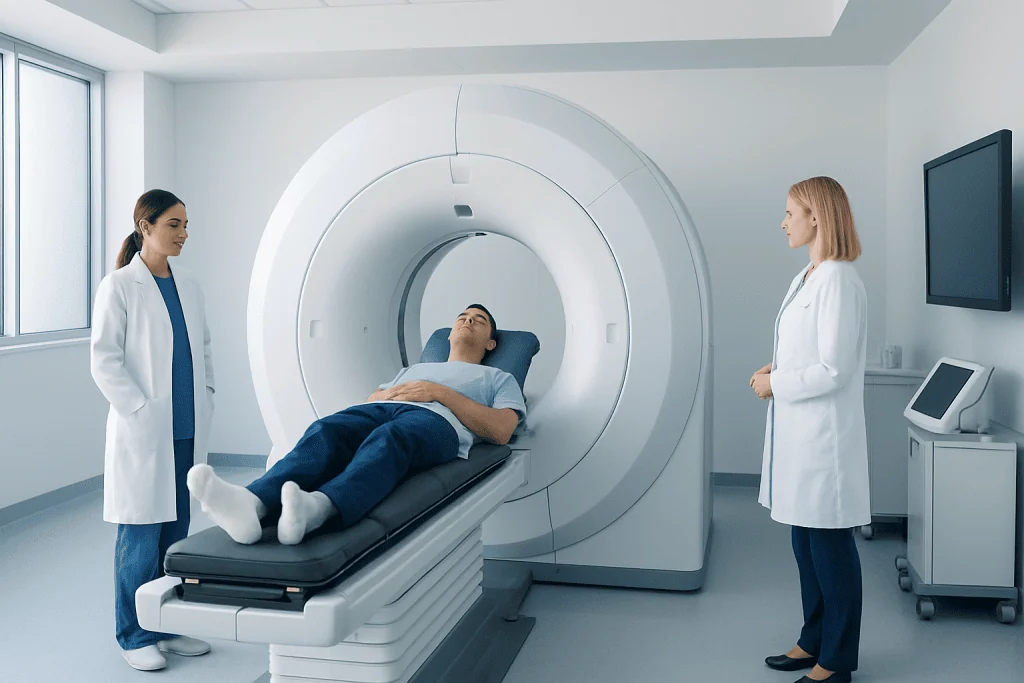
Photon therapy uses high-energy X-rays, also called photons, delivered from outside the body. It can be used alone or alongside surgery, chemotherapy, immunotherapy, or other cancer treatments.
Key Takeaways
- Photon therapy uses high-energy X-rays, also called photons, delivered from outside the body.
- It can be used alone or alongside surgery, chemotherapy, immunotherapy, or other cancer treatments.
- Planning scans, immobilization devices, and image guidance help direct radiation accurately to the treatment area.
- Treatment itself is painless, although side effects can develop gradually and depend on the body area treated.
- Expected outcomes vary by cancer type, stage, tumor biology, overall health, and the full treatment plan.
Photon therapy is a common form of external-beam radiation therapy that uses high-energy X-rays to damage cancer-cell DNA and stop tumors from growing. Treatment is carefully planned and delivered over one or more sessions, with the aim of controlling cancer while limiting radiation exposure to nearby healthy tissue.
Overview: What Is Photon Therapy?
Photon therapy is radiation treatment that uses high-energy X-rays, called photons, to treat cancer. A machine outside the body directs carefully shaped radiation beams toward a tumor or the area where cancer cells may remain after surgery. The radiation damages the DNA inside cancer cells, making it harder for them to divide and survive.
It is the most widely used type of external-beam radiation therapy. Modern techniques can shape and modulate the radiation dose from multiple angles, helping the care team target the tumor while reducing exposure to nearby normal tissues. Photon therapy may be given with curative intent, after surgery to lower the risk of recurrence, before surgery to shrink a tumor, or to relieve symptoms caused by advanced cancer.
The word “photon” describes the energy particle used in X-rays and gamma rays. In routine cancer care, photon therapy usually refers to X-rays produced by a linear accelerator. It differs from proton therapy, which uses charged particles with different physical dose-deposition properties.
How Photon Therapy Works
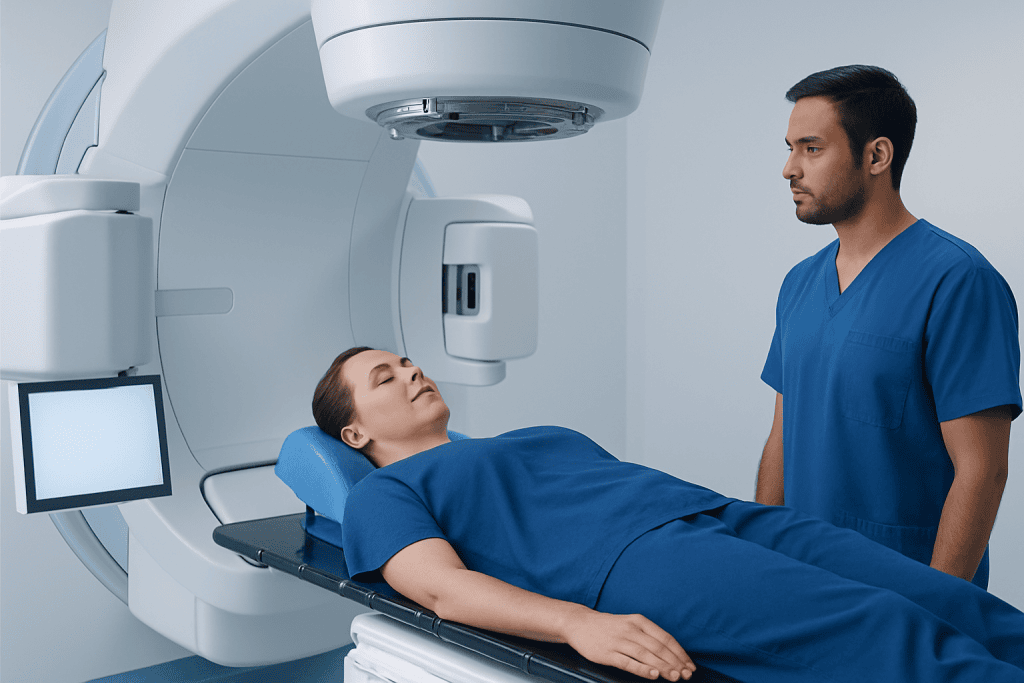
A radiation oncology team designs photon therapy around the individual’s diagnosis, anatomy, and treatment goals. Photons pass through the body to reach the target. Because they deposit some radiation on the way in and can deliver exit dose beyond the target, careful planning is essential to protect healthy organs as much as possible.
During treatment planning, specialized computer software uses imaging to calculate how beams from different directions can combine within the tumor. Techniques such as three-dimensional conformal radiation therapy, intensity-modulated radiation therapy (IMRT), volumetric modulated arc therapy, and image-guided radiation therapy may be used depending on the cancer site.
Radiation affects both cancer and normal cells, but normal tissues often have a better ability to repair damage between treatments. Dividing treatment into small daily doses, known as fractions, allows time for normal tissue recovery while building an effective dose in the cancer target.
Who May Be a Candidate for Photon Therapy?

Photon therapy may be appropriate for many solid tumors and some blood cancers. It is commonly used for cancers of the breast, prostate, lung, head and neck, brain, cervix, rectum, skin, and other organs. It may also be used for certain lymphomas, sarcomas, and cancers that have spread to bone or the brain.
Suitability is not determined by cancer type alone. The multidisciplinary team considers the tumor’s location, size, stage, pathology results, whether it has spread, prior treatments, the person’s general health, and the proximity of sensitive structures such as the spinal cord, heart, lungs, eyes, bowel, or kidneys.
For some people, radiation is the main local treatment. For others, it is part of a combined plan that may include surgery, systemic treatment, and supportive care. A radiation oncologist can explain whether photon therapy or another approach is most appropriate for the individual situation.
- Early-stage cancers may receive radiation as a definitive treatment or an alternative to surgery in selected cases.
- After surgery, radiation may address microscopic cancer cells that cannot be seen on scans.
- In advanced cancer, shorter courses may ease pain, bleeding, pressure, or other symptoms.
What Happens During Photon Therapy?
The process starts with a consultation and treatment-planning appointment, often called simulation. The team reviews medical records and scans, discusses expected benefits and possible side effects, and obtains a planning CT scan. Depending on the treatment area, MRI or PET images may also be used to better define the target.
To help the person stay in the same position each day, the team may make a customized support, mask, mold, or body cushion. Small skin marks or tiny permanent tattoo dots can be used as positioning references. These planning steps do not deliver the treatment dose; they allow the team to create a precise plan before therapy begins.
At each appointment, the patient changes position as needed and lies on a treatment table. Radiation therapists use imaging and alignment tools to verify positioning before the machine delivers radiation. The machine may rotate around the body, but it does not touch the patient. Each visit usually includes setup and imaging; the actual beam-on time is often brief.
The number of sessions varies widely. Some treatments are delivered in a small number of focused sessions, while others are given on weekdays over several weeks. The planned schedule depends on the cancer type, treatment purpose, technique, and whether other therapies are being given.
Benefits, Recovery Timeline and Possible Risks
A key benefit of photon therapy is that it is noninvasive and can be planned with high precision. It can preserve an organ or avoid surgery in selected situations, reduce the chance of cancer returning after surgery, or control symptoms when cure is not possible. It is also widely applicable across many cancer types and can be integrated with other treatments.
Photon therapy itself is painless. A person does not feel the X-rays as they are delivered, and they are not radioactive after external-beam treatment. It is generally safe to be around family members, children, and pregnant people after an appointment. The care team will provide separate instructions if a different form of radiation, such as internal radiation therapy, is used.
Side effects are related mainly to the area treated, dose, and treatment length. Fatigue is common and may build gradually. Skin in the treatment region may become red, dry, itchy, or tender. Other possible effects include sore throat or mouth changes with head and neck treatment, bowel or bladder changes with pelvic treatment, cough with chest treatment, or hair loss limited to the treated area.
Recovery is gradual. Many short-term effects begin during treatment or in the weeks afterward, then improve over several weeks to a few months. Some effects may occur months or years later, such as tissue stiffness, hormonal changes, fertility effects, or changes in organ function. The radiation oncology team discusses these risks before treatment and monitors recovery through follow-up visits.
Common Questions About Photon Therapy
What cancers respond best to proton therapy? Proton therapy can be particularly helpful when a tumor is close to important healthy structures and reducing radiation beyond the tumor is a priority. It is often considered for selected childhood cancers and certain tumors of the brain, head and neck, eye, spine, chest, liver, or pelvis. However, proton therapy is not automatically better for every cancer; the best radiation technique depends on a personalized comparison of treatment plans.
What is the downside of proton therapy? Proton therapy is available at fewer centers than photon therapy and may require travel or additional planning. It can also be more sensitive to changes in anatomy, such as weight loss, bowel gas, or tumor shrinkage, which may require repeat imaging or plan adjustments. Its potential dose-distribution advantages do not necessarily translate into better outcomes for every diagnosis, so treatment selection should be based on clinical evidence and an individual radiation plan.
How painful is proton therapy? Proton therapy, like photon therapy, is not painful during beam delivery. Remaining still in a treatment position can be uncomfortable for some people, particularly if they have pain, anxiety, or mobility limitations, and the team can help with positioning support. Side effects may develop later in the treated area, but they are not caused by a sensation of the beam itself.
What is the success rate of proton therapy? There is no single success rate for proton therapy or photon therapy. Results depend on the cancer type, stage, tumor biology, treatment intent, surgery or medicines used alongside radiation, and the person’s overall health. A radiation oncologist can discuss outcomes relevant to a specific diagnosis using current evidence and the individual treatment plan.
Self-care and When to Seek Medical Care
During photon therapy, patients should follow their radiation team’s skin-care and nutrition guidance. Gentle washing, avoiding unapproved creams on the treatment area, protecting treated skin from strong sun exposure, staying hydrated, resting when needed, and maintaining activity as tolerated can be helpful. It is important to tell the team about any supplements, medications, or new symptoms, rather than trying to manage persistent effects alone.
Patients should contact their treatment team promptly for symptoms that are severe, worsening, or interfering with eating, drinking, sleep, movement, or daily activities. Urgent medical assessment is needed for trouble breathing, chest pain, confusion, severe weakness, uncontrolled pain, heavy bleeding, a high fever, or inability to keep fluids down. The appropriate emergency route depends on local instructions from the treating team.
Follow-up remains important after radiation ends. These visits assess treatment response, manage side effects, and support long-term health. Acibadem International’s multidisciplinary specialists and JCI-accredited hospitals provide cancer diagnosis and treatment planning for international patients, including individualized radiation oncology assessment.
Frequently asked questions
Is photon therapy the same as radiation therapy?
Photon therapy is a type of radiation therapy. It uses high-energy X-rays, or photons, produced by a machine outside the body. Other forms of radiation therapy include proton therapy, electron beam therapy, and internal radiation treatment in selected situations.
How long does a photon therapy appointment take?
The radiation beam is often delivered within minutes, but the full appointment may take longer because of positioning and image verification. Planning visits can take more time than daily treatment visits. The schedule varies according to the treatment area and technique.
Will photon therapy make a person radioactive?
No. External-beam photon therapy does not leave radiation in the body. After a treatment session, a person can generally be near other people as usual.
Can photon therapy be used with chemotherapy?
Yes, photon therapy is sometimes given with chemotherapy, immunotherapy, hormone therapy, or targeted medicines. Combined treatment can improve cancer control for some diagnoses, but it may also change the risk of side effects. The oncology team coordinates timing and monitoring carefully.
Can a person work during photon therapy?
Many people continue working or maintaining usual routines during treatment, especially early in the course. Fatigue, travel time, appointments, and treatment-area side effects may require adjustments. Discussing work demands with the care team can help create a practical plan.
What follow-up is needed after photon therapy?
Follow-up appointments usually include a review of symptoms, physical examination when appropriate, and imaging or laboratory tests based on the cancer type. These visits help evaluate response and identify late effects early. The timing of scans may vary because radiation effects can continue developing after treatment ends.
References
- National Cancer Institute
- American Cancer Society
- American Society for Radiation Oncology
- International Atomic Energy Agency
- National Comprehensive Cancer Network
This article is for general information only and is not a substitute for professional medical advice. Please consult a qualified doctor about your individual situation.
Oncology care in Turkey — second opinion and treatment plan
JCI-accredited · board-certified surgeons · reply within 24h
Add us as a Preferred Source to see more of our trusted health content across Google Search, AI Overviews and Discover.