Ozempic Feet — Explained by Medical Evidence, Not Myths

“Ozempic feet” is an informal term, not an established medical condition. Foot changes may reflect rapid weight loss, reduced fat padding, skin changes, swelling shifts, or underlying diabetes-related problems.
Key Takeaways
- “Ozempic feet” is an informal term, not an established medical condition.
- Foot changes may reflect rapid weight loss, reduced fat padding, skin changes, swelling shifts, or underlying diabetes-related problems.
- New pain, numbness, ulcers, color changes, or one-sided swelling should be assessed by a clinician.
- People taking Ozempic should not stop treatment without medical advice; the cause of foot symptoms needs proper evaluation.
- Good footwear, skin care, glucose management, and routine foot checks can help reduce complications.
“Ozempic feet” is not a formal medical diagnosis. The term is commonly used online to describe foot changes that may happen during weight loss or in people with diabetes, rather than a specific, proven side effect caused directly by Ozempic.
Overview: what people mean by “Ozempic feet”
“Ozempic feet” is a social-media phrase, not a recognized medical diagnosis. In most cases, it refers to visible or physical changes in the feet noticed while taking Ozempic (semaglutide), especially during significant weight loss. Medical evidence does not currently show a distinct condition called “Ozempic feet” caused directly by the medication itself.
Instead, doctors usually consider more likely explanations. These include loss of fat padding on the soles, looser skin after weight loss, a change in swelling or fluid retention, or symptoms related to diabetes such as nerve damage or circulation problems. Because Ozempic is commonly prescribed for type 2 diabetes and weight management, it can be easy to attribute every new symptom to the medicine, even when the underlying cause is something else.
A practical way to think about the term is this: it describes an observation, not a diagnosis. If a person notices bony feet, skin laxity, tenderness when walking, numbness, tingling, or foot sores, a clinician will look beyond the nickname and identify the actual reason. That is important because some foot symptoms are mainly cosmetic, while others require prompt medical care.
What changes can happen in the feet?
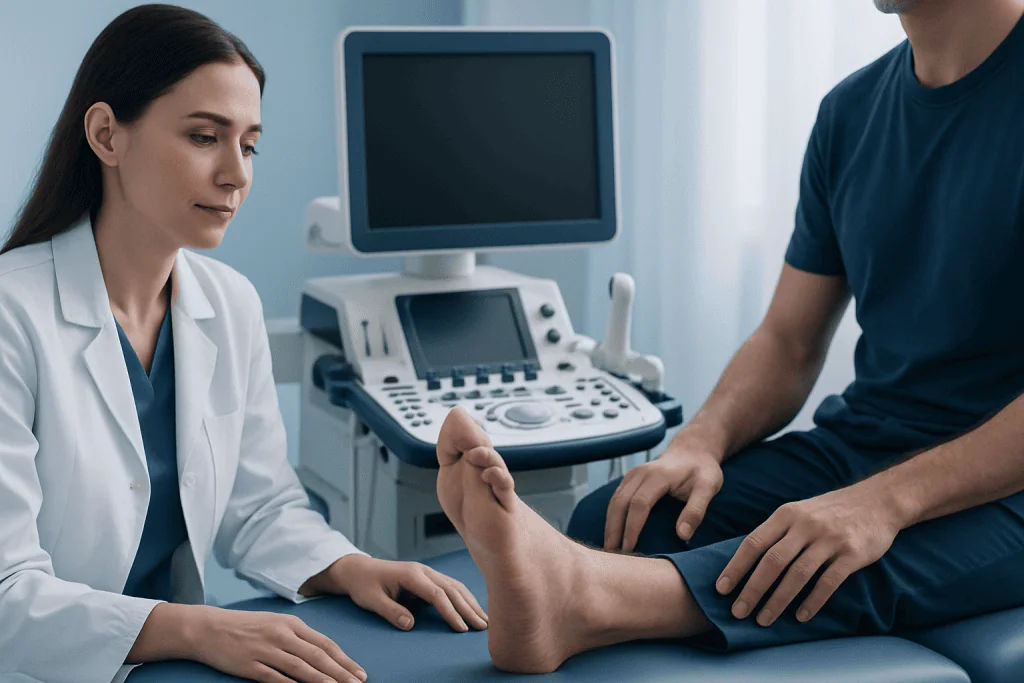
The changes people describe under the label “Ozempic feet” can vary. Some notice that the tops of the feet look thinner, with tendons or veins becoming more visible as overall body fat decreases. Others feel less cushioning under the soles, which can make standing or walking less comfortable, particularly on hard surfaces.
Skin appearance may also change during weight loss. When body size decreases, the skin may seem looser or less full, especially in areas with naturally thin soft tissue such as the feet and ankles. In some people, shoes may fit differently because swelling has reduced or because the foot shape feels less padded than before.
Symptoms that deserve more attention include burning, tingling, numbness, cramping, skin discoloration, coldness, wounds that heal slowly, or swelling in just one foot or leg. Those findings are less likely to be explained by simple cosmetic change alone. They may suggest nerve involvement, circulation problems, infection, inflammation, or another condition that should be assessed by a doctor.
- More visible veins, tendons, or bones
- Reduced cushioning under the heel or ball of the foot
- Looser skin after weight loss
- Changed shoe fit
- Pain, numbness, or tingling
- Sores, cracks, redness, or color change
Why it may happen: evidence-based explanations

The most straightforward explanation is weight loss itself. When a person loses body fat, soft tissue can decrease throughout the body, including the feet. The fat pads that help absorb impact may feel thinner, and the skin may look less plump. This does not mean the medication is damaging the feet; rather, it may reflect body composition change associated with weight reduction.
Another possibility is that pre-existing diabetes becomes more noticeable in the feet. People with diabetes are at higher risk for nerve damage and circulation problems, which can lead to numbness, burning, altered sensation, or delayed wound healing. In that context, the medicine may simply be present at the same time the symptoms appear, without being the direct cause. Clinicians may evaluate for diabetes-related complications if foot symptoms are new or progressive.
Fluid shifts can also change how the feet look and feel. As overall health, diet, activity level, and metabolic control improve, swelling may decrease and the feet can appear more angular or leaner. Less commonly, discomfort may be related to changes in walking mechanics, footwear fit, or increased physical activity during a weight-loss program.
There is also an important caution: not every symptom in the feet is related to Ozempic or weight loss. Foot pain can come from plantar fasciitis, arthritis, skin disorders, injury, or vascular conditions. Numbness may reflect neuropathy from diabetes, vitamin deficiency, alcohol use, or other neurologic causes. A careful medical review is often the best way to separate coincidence from true cause.
What is not supported by current evidence
At present, “Ozempic feet” is not an established adverse effect listed as a distinct syndrome in major medical guidance. There is no clear evidence that semaglutide directly causes a unique pattern of foot tissue damage, deformity, or skin disease. Online discussions may group many different symptoms under one catchy label, which can create confusion.
This does not mean a person’s symptoms are unimportant. It means the symptoms should be interpreted carefully. For example, a person may correctly notice thinner-looking feet after weight loss, but that visual change is different from a harmful medication reaction. In the same way, a new foot ulcer in someone with diabetes should not be dismissed as a cosmetic issue simply because it appeared while taking Ozempic.
It is also important not to stop prescribed medication suddenly without guidance. If Ozempic is helping with blood sugar control or weight management, stopping it without a plan may create new health risks. The safer approach is to discuss the symptoms with a qualified clinician, who can decide whether they are likely related to treatment, to underlying disease, or to another cause entirely.
How doctors evaluate foot symptoms
Evaluation starts with a history and physical examination. A doctor may ask when the changes began, whether there has been recent weight loss, how quickly it happened, whether there is pain or numbness, and whether the person has diabetes, vascular disease, or previous foot problems. The clinician may also review other medicines, shoe wear, and daily activity.
The foot exam often includes checking skin integrity, temperature, color, pulses, sensation, and areas of tenderness. In people with diabetes, the doctor may screen for peripheral neuropathy and look carefully for pressure points, calluses, fungal infection, or early ulcers. Depending on the findings, testing may include blood glucose assessment, vascular studies, or imaging if there is concern about injury or structural causes.
Some patients may benefit from specialist care. Endocrinology can help optimize blood sugar and weight-loss treatment, podiatry or orthopedics can evaluate pain and pressure-related problems, and vascular or neurology assessment may be needed if circulation or nerve symptoms are suspected. If broader evaluation of metabolic health is needed, clinicians may also review related issues such as obesity and its effects on mobility and skin changes.
Management: what can help
Treatment depends on the actual cause. If the main issue is reduced cushioning after weight loss, practical measures such as supportive shoes, cushioned insoles, activity modification, and pacing can improve comfort. If the problem is loose or dry skin, gentle skin care and well-fitted footwear may help reduce friction and irritation.
When symptoms point to diabetes-related nerve or circulation changes, management focuses on controlling the underlying condition and protecting the feet. That may involve regular foot checks, careful nail and skin care, pressure relief, and treatment of any infection, wound, or callus. Some patients may need specialist support through diabetes treatment or a structured care plan for complications.
If foot pain reflects altered biomechanics during weight loss or increased exercise, physical therapy, stretching, footwear assessment, and gradual progression of activity may be advised. In some cases, clinicians may investigate common sources of heel or arch pain and recommend targeted treatments. When a person has persistent numbness, burning, or weakness, assessment for neurological evaluation and treatment may be appropriate.
For patients using GLP-1 medicines such as semaglutide for weight management, the broader treatment plan may also be reviewed. Clinicians may assess nutrition, rate of weight loss, exercise habits, hydration, and whether the medication regimen is appropriate. In selected cases, a comprehensive obesity treatment approach can help balance weight goals with musculoskeletal comfort and long-term health.
Self-care and prevention
Daily foot awareness is especially important for people with diabetes and for anyone who has reduced sensation. Looking at the soles, toes, heels, and nails can help identify early redness, cracks, blisters, or pressure marks before they become more serious. A mirror or help from a family member may be useful if the bottom of the foot is hard to see.
Supportive footwear matters. Shoes should fit well, with enough room in the toe box and adequate cushioning under the heel and forefoot. Thin sandals, worn-out trainers, or shoes that rub may become less comfortable if the fat padding of the foot has decreased. Soft socks, gradual increases in walking, and replacing damaged footwear can make a meaningful difference.
General health measures also support the feet. Stable glucose control, balanced nutrition, hydration, and avoiding smoking all help protect circulation and healing. Moisturizing dry skin can reduce cracking, but cream should not be placed between the toes unless a clinician advises it. Any home treatment for calluses, corns, or nail problems should be cautious, especially in people with diabetes.
When to seek medical care
A prompt medical review is important if there is a wound, blister, ulcer, spreading redness, warmth, drainage, fever, or pain that is getting worse. The same is true for new numbness, burning, weakness, blue or pale discoloration, or sudden swelling in one foot or leg. These signs may indicate infection, poor circulation, nerve injury, or a blood clot, and they should not be explained away as “just Ozempic feet.”
Medical advice is also sensible if the feet have become uncomfortable enough to affect walking, exercise, work, or sleep. Even when symptoms seem mild, persistent tenderness or changed shoe fit can sometimes be improved with a simple examination, footwear guidance, or insole support. Early attention may prevent minor irritation from turning into a more significant problem.
For people managing diabetes or weight loss treatment, routine follow-up is a useful opportunity to mention any foot changes. Acibadem International’s multidisciplinary specialists and JCI-accredited hospitals evaluate and treat patients with diabetes, neurologic symptoms, vascular concerns, and weight-related health issues, including international patients who need coordinated assessment.
Frequently asked questions
Is “Ozempic feet” a real medical condition?
No. “Ozempic feet” is not a formal diagnosis in medical practice. It is an informal term people use to describe foot changes noticed while taking Ozempic, often related to weight loss or existing diabetes rather than a proven unique side effect.
Can Ozempic directly damage the feet?
Current evidence does not show a distinct syndrome in which Ozempic directly damages the feet. If symptoms occur, doctors usually look for more common explanations such as reduced fat padding, skin changes after weight loss, neuropathy, circulation problems, or unrelated foot conditions.
Why do my feet look thinner after starting Ozempic?
Weight loss can reduce soft tissue throughout the body, including the feet. As fat padding decreases, veins, tendons, or bones may become more visible, and shoes may feel different even if there is no harmful disease process.
Should a person stop Ozempic if foot symptoms appear?
A person should not stop Ozempic without discussing it with the prescribing clinician. Foot symptoms need proper evaluation first, because stopping treatment may disrupt diabetes or weight management while not addressing the real cause of the problem.
Which foot symptoms are most concerning?
Ulcers, blisters, spreading redness, drainage, severe pain, sudden one-sided swelling, numbness, weakness, or color changes such as blue or pale skin should be assessed promptly. These can point to infection, poor blood flow, nerve problems, or other conditions that need treatment.
How can someone protect their feet during weight loss treatment?
Helpful steps include daily foot checks, wearing supportive cushioned shoes, keeping the skin moisturized, and managing blood sugar well if diabetes is present. It is also wise to increase activity gradually and seek medical advice for any persistent pain, pressure points, or wounds.
References
- American Diabetes Association
- National Institute of Diabetes and Digestive and Kidney Diseases
- U.S. Food and Drug Administration
- National Health Service
- Mayo Clinic
This article is for general information only and is not a substitute for professional medical advice. Please consult a qualified doctor about your individual situation.
Medical weight-loss options in Turkey — costs & eligibility
JCI-accredited · board-certified surgeons · reply within 24h
Check your numbers in seconds
BMI, calories, due date, blood pressure and 30+ more clinical calculators — free, instant, doctor-reviewed ranges.

More from the Health Library



Related Specialists

Prof. Dr. Deniz Ulaş Uğur
Gynecology & Obstetrics
Dr. Halil Algan
Treatment of Pain Algology
Prof. Dr. Murat Saruç
Gastroenterology
Prof. Dr. Meltem Vural
Physical Medicine & Rehabilitation