Penis Enlargement Pills: A Complete Medical Overview

Most penis enlargement pills sold online or over the counter do not have proven, lasting effects on penis size. Some products may contain hidden ingredients or interact with medicines, especially heart and blood pressure drugs.
Key Takeaways
- Most penis enlargement pills sold online or over the counter do not have proven, lasting effects on penis size.
- Some products may contain hidden ingredients or interact with medicines, especially heart and blood pressure drugs.
- Concerns about size may be related to normal anatomy, body image, erectile dysfunction, or hormonal issues rather than true penile abnormalities.
- A urologist can assess symptoms, expectations, and underlying conditions before recommending treatment.
- Evidence-based care focuses on the cause of concern, not on unverified claims.
Penis enlargement pills are widely marketed, but there is no strong evidence that over-the-counter products safely and permanently increase penis size. A medical review can help distinguish normal variation from a health issue and guide safer, evidence-based care.
Overview: What to Know About Penis Enlargement Pills
Penis enlargement pills are supplements or medications marketed to increase penis size, improve erections, or enhance sexual performance. In most cases, these products do not have reliable scientific evidence showing that they can permanently make the penis larger. Claims may be based on limited studies, poor-quality evidence, or marketing rather than well-designed medical research.
Many products contain herbs, amino acids, vitamins, or undisclosed drug-like substances. Some ingredients may briefly affect blood flow or arousal, which can change the quality of an erection, but that is not the same as increasing penile tissue or creating a lasting size change. A person may notice temporary fullness during an erection and mistake it for enlargement.
For many men, concern about penis size is related to perception rather than a medical abnormality. Penis size varies naturally, and many people who worry they are too small fall within the normal range. A careful medical consultation can help clarify what is normal, what may be causing distress, and whether symptoms such as erection problems or low libido need evaluation.
Why People Consider Them and What “Working” Really Means
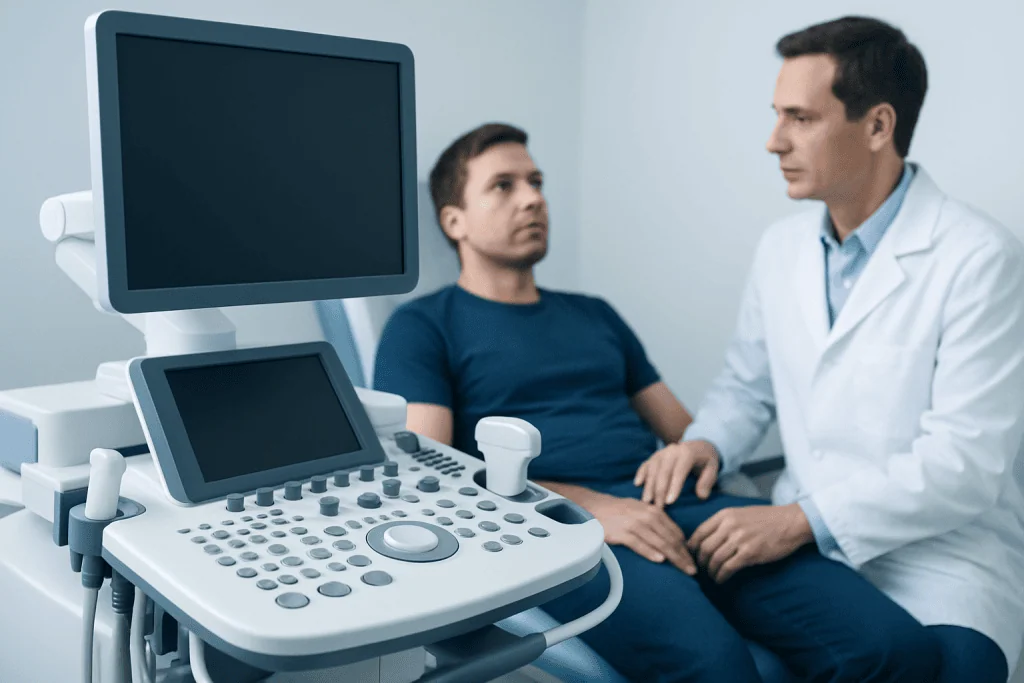
People may look for penis enlargement pills for different reasons. Some want a larger flaccid or erect size, some are trying to improve sexual confidence, and others are actually seeking help for problems such as weak erections, performance anxiety, or dissatisfaction with body image. These concerns are understandable, but they are not all treated in the same way.
It is also important to define what success means. From a medical perspective, a treatment would need to show a measurable, lasting increase in penile length or girth, not just a short-term change in erection firmness. Many products blur this distinction. An ingredient that improves blood flow may help some people who have erection difficulties, but it does not necessarily enlarge the penis.
Unrealistic expectations can lead to disappointment and unnecessary risk. If the main concern is sexual function, assessment for erectile dysfunction may be more helpful than trying supplements. If the concern is body image or distress despite normal anatomy, education and supportive counseling may be more beneficial than any pill.
Do Penis Enlargement Pills Work?
Current medical evidence does not support over-the-counter penis enlargement pills as a safe, proven way to permanently increase penis size. Some ingredients found in these products have been studied for sexual function, but that is different from true enlargement. A stronger erection can make the penis appear fuller, yet it does not create new tissue or permanently change dimensions.
Prescription medicines are not routinely used to enlarge a normal penis in adults. When a person has a specific medical condition affecting genital development, treatment depends on the cause and may involve hormone evaluation, imaging, or specialist care. In these situations, self-prescribed pills are unlikely to solve the problem and may delay accurate diagnosis.
There is also a quality-control issue. Supplements are not always tested to the same standards as prescription drugs. Some have been found to contain undeclared ingredients, including substances similar to medications used for erections. This can be dangerous, particularly for people who have heart disease, take nitrates, or use multiple medications.
Risks, Side Effects, and Safety Concerns
The risks of penis enlargement pills depend on what is actually in the product, and that is not always clear from the label. Herbal blends and “natural” enhancement supplements can still cause side effects. These may include headache, flushing, stomach upset, dizziness, sleep disturbance, anxiety, and changes in blood pressure or heart rate.
Drug interactions are an important concern. Products that affect circulation or contain hidden phosphodiesterase-type ingredients may interact with nitrates, certain blood pressure medicines, alpha-blockers, and other treatments. People with heart conditions, liver disease, kidney disease, or a history of stroke should be especially cautious and should not use these products without medical advice.
Another risk is psychological. Repeated use of products that do not deliver on their claims can increase anxiety, shame, and preoccupation with size. This may affect relationships and self-esteem. If worry about the penis becomes persistent or distressing, medical and psychological support may be more helpful than trying additional supplements.
- Be cautious with products promising rapid or permanent enlargement.
- Avoid products with unclear ingredient lists or exaggerated testimonials.
- Do not combine enhancement pills with prescription erection medicines unless a doctor says it is safe.
- Seek urgent care for chest pain, severe dizziness, fainting, or a prolonged painful erection.
Medical Evaluation: What Doctors Look For
A doctor will usually begin by asking what the person hopes to change: size, erection quality, libido, fertility, appearance, or confidence. This conversation matters because different concerns point to different causes. Many men who request enlargement actually benefit from evaluation for erectile function, hormone issues, weight-related concerns, or emotional distress.
The assessment may include a physical examination, review of medications, and discussion of overall health. In selected cases, a doctor may consider blood tests for hormones or metabolic conditions. If there are erection symptoms, a specialist may evaluate blood flow, nerve function, and possible risk factors such as diabetes, smoking, high blood pressure, or stress.
Depending on the findings, the next step may be treatment for erectile dysfunction, counseling for body-image concerns, or further assessment for structural issues. For some patients, a urologic consultation is the most appropriate path, particularly if there is penile curvature, pain, prior injury, or a concern about an unusually small penis since puberty.
Evidence-Based Treatment Options
Treatment depends on the real problem identified during evaluation. If the issue is erectile function rather than size, addressing that can improve confidence and sexual satisfaction more effectively than unproven supplements. This may include lifestyle changes, treatment of underlying disease, counseling, or supervised therapies such as erectile dysfunction treatment.
If there is a structural problem, treatment may differ. For example, men with curvature, pain, or shortening related to scar tissue may need assessment for Peyronie’s disease. In selected patients, specialists may discuss medical or procedural options rather than enlargement pills, which do not treat the underlying condition.
Some people ask about devices or procedures instead of pills. These may include vacuum devices, traction therapy, fillers, or surgery. Each has limitations, risks, and different evidence levels. Surgical approaches are generally reserved for carefully selected cases because they can affect function, sensation, or appearance. If surgery is being considered, specialist consultation such as urology care is important so benefits and risks are reviewed in a realistic way.
Near the end of the care pathway, some international patients may seek multidisciplinary assessment at centers such as Acibadem International, where JCI-accredited hospitals and urology specialists evaluate sexual health concerns and recommend evidence-based treatment plans.
Prevention, Self-Care, and Healthy Expectations
There is no proven self-care method that permanently enlarges a normal adult penis. However, there are practical ways to improve sexual health, function, and confidence. Maintaining a healthy weight can reduce fat around the pubic area, making more of the penile shaft visible. Regular exercise, smoking cessation, sleep, and control of conditions like diabetes or high blood pressure can also support better erections.
Body image plays a major role in how a person feels about genital size. Exposure to unrealistic images online or in pornography can distort expectations. Learning what falls within a normal range and discussing concerns openly with a qualified clinician can reduce unnecessary worry. For some, counseling can help address anxiety, shame, or relationship stress connected to sexual confidence.
People should be skeptical of products that promise dramatic results. Safe self-care means checking with a doctor before using supplements, especially when there are medical conditions or prescription medications involved. A trusted healthcare professional can help separate marketing claims from evidence and guide options that are safer and more likely to help.
When to Seek Medical Care
Medical care is appropriate if concern about penis size causes ongoing distress, affects intimacy, or leads to repeated use of supplements or devices. A doctor can help determine whether the concern relates to normal anatomy, erectile dysfunction, hormonal issues, or a condition affecting the penis.
Prompt evaluation is especially important when symptoms include difficulty getting or keeping an erection, penile curvature, pain, swelling, a lump, injury, changes after surgery, or concern that the penis did not develop normally during puberty. Men who are considering any procedure or who have tried multiple pills without benefit should also seek specialist advice.
Emergency care is needed for chest pain after taking enhancement products, severe allergic symptoms, fainting, or an erection that lasts too long and becomes painful. These symptoms should not be managed at home. A qualified clinician can provide safe guidance and help prevent further complications.
Frequently asked questions
Can penis enlargement pills permanently increase penis size?
There is no strong medical evidence that over-the-counter penis enlargement pills can safely and permanently increase penis size. Some products may temporarily affect erection quality or blood flow, but that is not the same as true enlargement. A doctor can help clarify what changes are realistic and whether another issue is present.
Are male enhancement pills safe because they are labeled natural?
Not necessarily. Natural or herbal labeling does not guarantee safety, purity, or effectiveness. Some products may contain hidden ingredients or may interact with prescription medicines and underlying health conditions.
What if the main problem is erection quality, not size?
This is common, and it often responds better to medical evaluation than to supplements. Conditions such as stress, diabetes, heart and blood vessel disease, medication effects, or hormonal issues can affect erections. Treating the cause may improve sexual satisfaction more than trying enlargement products.
When should someone see a urologist about penis size concerns?
A urologist should be seen if the concern causes significant distress, affects sexual function, or is linked to curvature, pain, a lump, injury, or abnormal development. Specialist review is also useful before trying procedures or when repeated supplements have not helped. An evaluation can identify safer, evidence-based options.
Can lifestyle changes make a difference?
Lifestyle changes do not enlarge penile tissue, but they can improve sexual health and appearance. Weight loss may make more of the penis visible, and exercise, smoking cessation, and control of chronic conditions can support better erections. These steps are often more beneficial than unverified pills.
Are there any medically approved treatments for enlargement?
Treatment depends on the reason for concern rather than on a single approved enlargement pill. If the issue is erectile dysfunction, Peyronie’s disease, or another medical condition, treatment is directed at that cause. Procedures may be considered in selected cases, but they require careful discussion of benefits, limits, and risks.
References
- American Urological Association
- Urology Care Foundation
- National Institutes of Health
- U.S. Food and Drug Administration
- European Association of Urology
This article is for general information only and is not a substitute for professional medical advice. Please consult a qualified doctor about your individual situation.
Explore treatments in Turkey — costs, top hospitals & a free quote
JCI-accredited · board-certified surgeons · reply within 24h
Check your numbers in seconds
BMI, calories, due date, blood pressure and 30+ more clinical calculators — free, instant, doctor-reviewed ranges.

More from the Health Library



Related Specialists

Asst. Prof. Dr. M. Erkan Ekicibaşı
Cardiology
Dt. Özge Akgün
Oral and Dental Health
Dilek Küçükvardar
Physical Medicine & Rehabilitation
Kenan Kesgin
Physical Medicine & Rehabilitation