Iperalgesia: What Patients Need to Know

Iperalgesia is an abnormal increase in pain sensitivity rather than a separate disease on its own. It may occur with injury, inflammation, nerve disorders, surgery, chronic pain conditions, or opioid exposure.
Key Takeaways
- Iperalgesia is an abnormal increase in pain sensitivity rather than a separate disease on its own.
- It may occur with injury, inflammation, nerve disorders, surgery, chronic pain conditions, or opioid exposure.
- Diagnosis is based on medical history, symptom pattern, physical examination, and tests when needed to identify the cause.
- Treatment may include adjusting medications, managing the underlying condition, physical rehabilitation, and multidisciplinary pain care.
- Medical review is important if pain becomes widespread, severe, unexpected, or starts after a medication change.
Iperalgesia means a person feels pain more intensely than expected from a stimulus or injury. It can develop after tissue damage, nerve problems, inflammation, or prolonged opioid use, and treatment focuses on finding and addressing the underlying cause.
Overview: what iperalgesia means
Iperalgesia is increased sensitivity to pain. In practical terms, it means a stimulus that would usually cause mild discomfort can feel much more painful than expected, or an existing painful condition may seem amplified. It is not simply “low pain tolerance.” Instead, it reflects changes in how pain signals are processed in the body or nervous system.
Pain normally serves as a protective signal, warning the body about injury or possible harm. With iperalgesia, that warning system becomes overactive. The change can happen in the tissues where pain begins, in the peripheral nerves that carry signals, or in the brain and spinal cord, which interpret them.
This symptom can be temporary or persistent. Some people notice it after surgery, an injury, a burn, or inflammation. Others develop it as part of a chronic pain disorder, a nerve condition, or after long-term exposure to certain pain medicines, especially opioids. Understanding the setting in which iperalgesia appears is key to choosing the right treatment.
How iperalgesia feels and how it differs from other pain problems
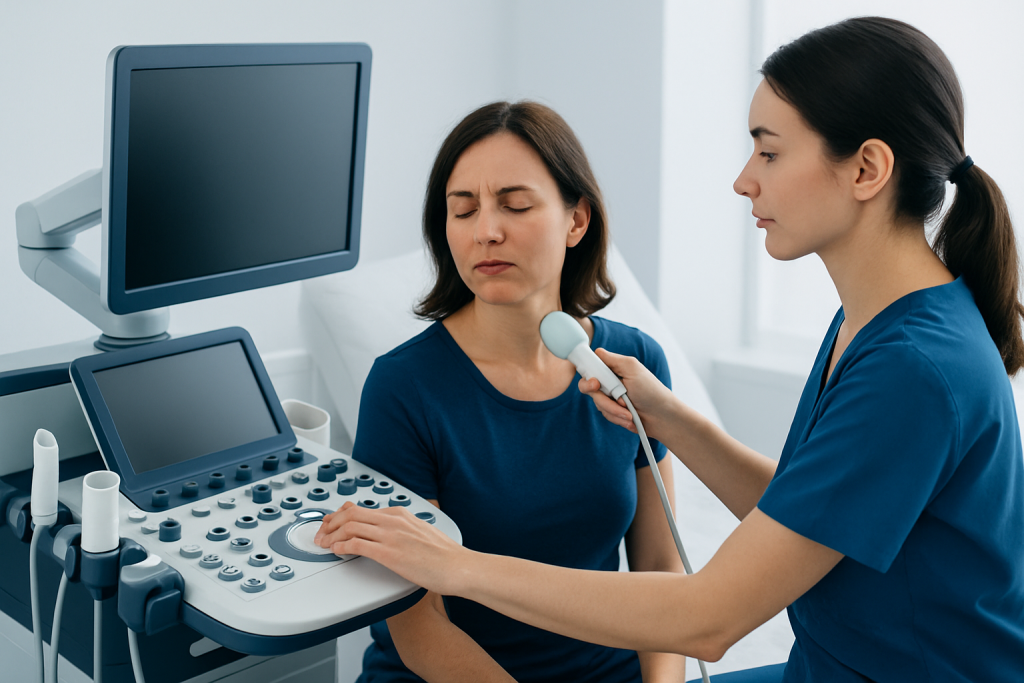
People with iperalgesia often describe pain as sharper, stronger, longer-lasting, or more widespread than expected. Everyday contact, pressure, temperature changes, exercise, or medical procedures may feel disproportionately painful. The exact experience varies depending on the cause and whether the pain is coming mainly from inflamed tissue, irritated nerves, or altered pain processing.
It can help to distinguish iperalgesia from related terms. Hyperalgesia is the more commonly used English term for the same concept, while allodynia refers to pain caused by something that is not usually painful at all, such as light touch or clothing brushing the skin. Some people have both. Iperalgesia may also overlap with chronic pain conditions such as fibromyalgia, where the nervous system becomes more sensitive over time.
Symptoms may include:
- Pain that feels unusually intense for the trigger
- Tenderness around an injury or procedure site
- Burning, stabbing, throbbing, or electric-shock sensations
- Pain spreading beyond the original area
- Heightened sensitivity to heat, cold, or pressure
- Poor sleep, fatigue, and reduced daily function because of pain
Because pain is personal and complex, diagnosis does not depend on one single description. What matters most is the pattern: pain that seems out of proportion, changes over time, or behaves differently from ordinary healing pain.
Common causes and risk factors

Iperalgesia can arise when the nervous system becomes sensitized. This sensitization may begin at the site of injury, where inflammation releases chemicals that lower the pain threshold. It may also involve peripheral nerves or the central nervous system, where repeated pain input makes pain pathways more reactive. In some cases, more than one mechanism is involved.
Common causes and associations include acute injury, burns, surgery, arthritis, migraine, shingles, diabetic nerve damage, and other neuropathic pain disorders. It can also occur after prolonged opioid use, a situation often called opioid-induced hyperalgesia. In that setting, instead of improving pain over time, opioids may paradoxically make the body more sensitive to painful stimuli. This needs careful medical assessment because it can resemble tolerance or worsening disease.
Risk factors depend on the underlying condition but may include chronic inflammation, nerve injury, repeated pain episodes, major surgery, high-dose or long-term opioid treatment, poor sleep, stress, anxiety, and mood disorders. People with chronic pain syndromes may be more prone to central sensitization, where the spinal cord and brain become overly responsive to pain signals.
Related conditions can include neuropathy and persistent pain after tissue or nerve damage. Not everyone with these conditions develops iperalgesia, but they can increase the likelihood that pain processing becomes amplified.
How doctors diagnose iperalgesia
There is no single blood test or scan that confirms iperalgesia by itself. Diagnosis begins with a detailed history. A clinician will ask when the pain started, what triggers it, where it spreads, whether there has been an injury or operation, which medicines are being used, and whether symptoms suggest nerve involvement such as burning, tingling, numbness, or electric-like pain.
The physical examination looks for tenderness, sensory changes, muscle weakness, skin changes, swelling, reduced movement, or signs of a specific pain condition. A doctor may gently compare responses to pressure, temperature, or light touch in different body areas. This can help identify patterns of amplified pain and separate them from other causes.
Additional tests depend on the suspected cause. Imaging may be used if an injury, spinal problem, or joint disease is possible. Blood tests can help look for inflammation, infection, vitamin deficiency, or metabolic conditions. If nerve involvement is suspected, a clinician may recommend neurologic evaluation and, in selected cases, nerve conduction studies or other assessments. For some patients, referral to specialists in neurology care or pain medicine is helpful.
A careful review of opioid or other medicine use is especially important. Distinguishing opioid-induced hyperalgesia from disease progression, medication tolerance, or a new pain source can change the treatment plan significantly.
Treatment options and pain management
Treatment focuses on the cause of iperalgesia and on calming the overactive pain response. If the problem is linked to inflammation, infection, a musculoskeletal injury, a nerve disorder, or a chronic pain syndrome, treating that condition is the first step. Pain management is usually most effective when it combines medical treatment with physical and behavioral strategies rather than relying on one method alone.
Medication plans vary widely. Doctors may adjust current pain medicines, especially if opioid-induced hyperalgesia is suspected. In some cases, gradually reducing or rotating opioids under medical supervision may help. Depending on the underlying condition, treatment may also include non-opioid pain relievers, medicines used for neuropathic pain, or therapies aimed at reducing inflammation. People should not stop prescription pain medicines suddenly unless a doctor advises it.
Non-drug approaches can be equally important. Physical therapy may help restore movement, reduce guarding, and improve function without overloading sensitive tissues. Relaxation training, sleep support, pacing daily activities, and psychological therapies such as cognitive behavioral strategies can help reduce the cycle of pain, tension, poor sleep, and further sensitization. For some patients with ongoing symptoms, structured pain management support is useful.
If pain is related to a neurologic condition or nerve compression, targeted treatment may be needed. Depending on the diagnosis, care might include rehabilitation, procedures, or treatment of the underlying disorder. When back or neck problems are contributing to nerve-related pain, assessment through neurosurgical evaluation may occasionally be part of the plan, although many patients improve with non-surgical treatment.
Self-care and ways to support recovery
Self-care does not replace medical treatment, but it can make a meaningful difference. Regular routines that support the nervous system may help reduce pain amplification over time. Good sleep habits, balanced activity, hydration, and stress management can all influence how pain is processed.
Many people benefit from pacing rather than pushing through pain on better days and then crashing afterward. Gentle, graded movement can help maintain strength and confidence while avoiding major flares. Heat or cold may help some people, but if sensitivity is pronounced, these should be used carefully and stopped if they worsen symptoms.
Helpful self-care steps may include:
- Keeping a pain diary to track triggers, sleep, stress, and activity levels
- Following medicine instructions exactly as prescribed
- Staying as active as symptoms allow, with gradual progression
- Using physical therapy exercises consistently
- Practicing relaxation, breathing exercises, or mindfulness techniques
- Avoiding self-adjustment of opioid medicines without medical advice
Chronic pain can affect mood, work, relationships, and confidence in the body. Acknowledging that impact is important. Pain that is influenced by the nervous system is still real pain, and many people do best when treatment addresses both physical and emotional aspects together.
When to seek medical care
Medical review is appropriate when pain feels unusually intense, lasts longer than expected, or begins to spread beyond the original injury or problem area. A person should also seek advice if new pain sensitivity starts after surgery, after beginning or increasing opioid medication, or alongside numbness, weakness, balance problems, or changes in bladder or bowel control.
Urgent medical attention is important for sudden severe pain with signs of infection, major trauma, chest pain, shortness of breath, or new neurologic symptoms. These situations may point to a condition that needs prompt treatment rather than pain sensitization alone.
For persistent or complex symptoms, a multidisciplinary evaluation can be helpful. Acibadem International’s multidisciplinary specialists and JCI-accredited hospitals diagnose and treat pain-related conditions for international patients, including assessment through services such as physical therapy and rehabilitation when appropriate.
Frequently asked questions
Is iperalgesia the same as chronic pain?
No. Iperalgesia describes increased sensitivity to pain, while chronic pain refers to pain that lasts for a prolonged period, often beyond normal healing time. A person can have chronic pain without iperalgesia, and iperalgesia can occur in either short-term or long-term conditions.
Can opioids cause iperalgesia?
Yes, in some people prolonged opioid use can contribute to opioid-induced hyperalgesia. This means the nervous system becomes more sensitive to pain even though opioid medicines are being used. A doctor can help distinguish this from medication tolerance or worsening of the underlying condition.
Does iperalgesia mean the pain is psychological?
No. Iperalgesia involves real changes in pain signaling and pain processing in the body and nervous system. Emotional stress, anxiety, and poor sleep can influence pain intensity, but that does not make the pain imagined or unreal.
How long does iperalgesia last?
The duration depends on the cause. It may improve as an injury heals or after medications are adjusted, but it can last longer when linked to chronic pain or nerve disorders. Early evaluation and a tailored treatment plan can improve the chances of recovery.
What kind of doctor treats iperalgesia?
Primary care doctors often start the evaluation, especially when pain follows a common injury or medical treatment. Depending on the suspected cause, care may also involve neurologists, pain specialists, rehabilitation physicians, orthopedic specialists, or mental health professionals as part of a multidisciplinary team.
Can lifestyle changes really help with pain sensitivity?
They can help, especially when combined with medical treatment. Better sleep, regular gentle activity, stress reduction, and pacing can reduce the factors that keep the nervous system on high alert. These steps are supportive measures, not a substitute for proper diagnosis.
References
- World Health Organization
- International Association for the Study of Pain
- National Institute of Neurological Disorders and Stroke
- Centers for Disease Control and Prevention
- National Institute for Health and Care Excellence
This article is for general information only and is not a substitute for professional medical advice. Please consult a qualified doctor about your individual situation.
Explore treatments in Turkey — costs, top hospitals & a free quote
JCI-accredited · board-certified surgeons · reply within 24h