Penis Sleeve: A Complete Medical Overview

A penis sleeve is generally a sexual wellness device, not a treatment for erectile dysfunction or penile conditions. Proper fit, body-safe materials, lubrication, and cleaning help lower the risk of irritation or injury.
Key Takeaways
- A penis sleeve is generally a sexual wellness device, not a treatment for erectile dysfunction or penile conditions.
- Proper fit, body-safe materials, lubrication, and cleaning help lower the risk of irritation or injury.
- Pain, numbness, skin changes, discharge, or persistent erection problems should be assessed by a doctor.
- People with diabetes, reduced sensation, skin disease, or circulation problems should be especially cautious.
- Medical evaluation can identify treatable causes of sexual symptoms, including [[DISEASE:erectile-dysfunction|erectile dysfunction]].
A penis sleeve is a wearable device placed over the penis, usually during sexual activity, to change sensation, firmness, girth, or length. Most are not medical treatments, so safe use, correct fit, and good hygiene are important to reduce discomfort, skin injury, or infection risk.
Overview: What Is a Penis Sleeve?
A penis sleeve is a soft or semi-rigid covering worn over the penis, usually during sexual activity. Depending on the design, it may be intended to increase external size, provide extra firmness, reduce direct skin contact, or alter stimulation for one or both partners. Some sleeves are open-ended, some cover the shaft only, and others include textured or thicker areas.
From a medical perspective, a penis sleeve is best understood as a consumer sexual wellness product rather than a standard medical treatment. It may help some people adapt sexual activity to personal preferences or certain physical limitations, but it does not diagnose, cure, or reliably treat underlying health problems. If a person is using a sleeve because of erection changes, pain, reduced sensation, or distress about sexual performance, a medical assessment may be more helpful than relying on a device alone.
Materials vary and may include silicone, elastomer, latex, thermoplastic compounds, or mixed materials. Because these products come into close contact with sensitive genital skin, material quality, surface condition, and cleanliness matter. Choosing a body-safe, non-damaged product and using it as directed can reduce avoidable complications.
Common Reasons People Use One
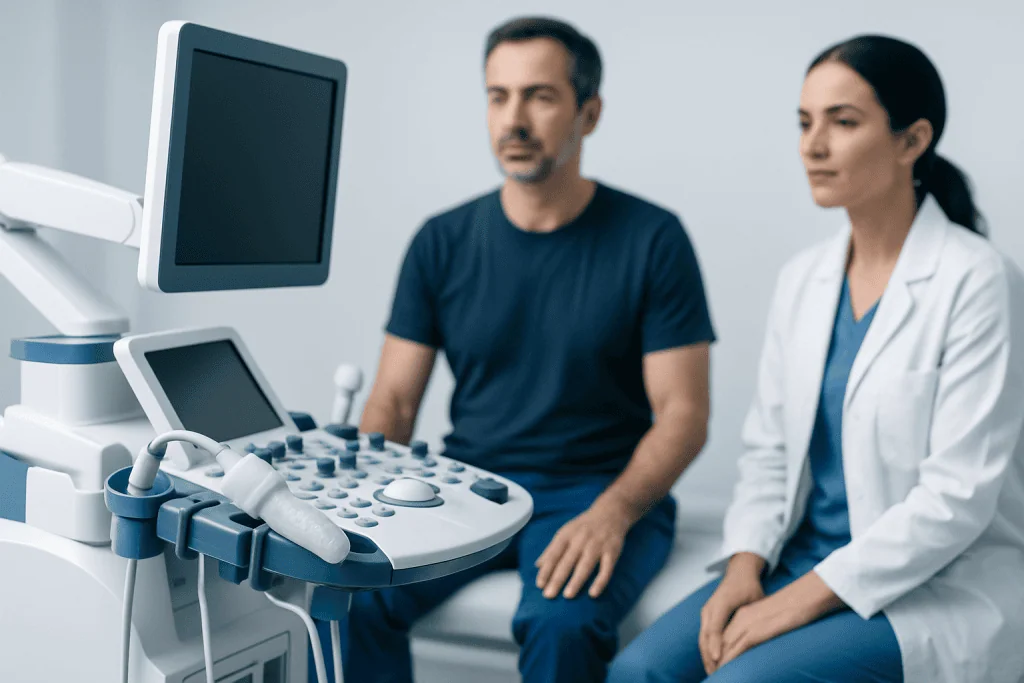
People use penis sleeves for different personal reasons. Some hope to change sensation, add external girth, maintain firmness during intimacy, or adapt sexual activity after changes related to age, surgery, or health conditions. Others use them simply out of curiosity or preference.
It is important to separate comfort and preference from medical need. A sleeve may change the mechanics of intercourse, but it does not restore blood flow, nerve function, or hormone balance. For that reason, it should not be viewed as a substitute for evaluation of symptoms such as difficulty getting or keeping an erection, penile curvature, pain, or loss of sensation.
In some situations, a clinician may suggest discussing sexual aids alongside broader care for sexual function, pelvic health, or relationship concerns. That can be especially useful when a person has been avoiding intimacy because of embarrassment, fear of discomfort, or concern about a known condition such as Peyronie’s disease.
Types, Materials, and Fit
Penis sleeves come in several designs. Flexible sleeves are usually made to slide over the shaft and may add texture or thickness. More structured devices may be firmer and intended to provide external support. Some models include openings that leave the tip of the penis exposed, while others cover more of the shaft and may include a ring-like base.
Fit is one of the most important safety issues. A sleeve that is too tight may cause pain, swelling, skin marking, numbness, or restricted blood flow. A sleeve that is too loose may slip, increase friction, or create instability during use. Products should never be forced on, and use should stop immediately if there is pain, coldness, color change, or loss of sensation.
Material choice also matters. Non-porous, body-safe materials are generally easier to clean thoroughly than porous materials. People with latex sensitivity should avoid latex products. Fragrances, warming agents, or unknown coatings may irritate delicate skin, especially in people with eczema, dermatitis, or a history of genital skin sensitivity.
- Look for intact, smooth surfaces without cracks or tears.
- Use only products intended for body contact.
- Check whether the material is compatible with the planned lubricant.
- Replace any device that becomes damaged, sticky, discolored, or difficult to clean.
Possible Risks and Side Effects
Most problems linked with penis sleeves are related to friction, pressure, trapped moisture, or poor hygiene. Mild irritation may cause redness, itching, tenderness, or superficial skin abrasions. If the sleeve is too tight or worn too long, circulation can be affected, leading to swelling, numbness, or bruising. Continuing to use a device despite discomfort increases the chance of injury.
Hygiene is another concern. Warm, moist environments can encourage the growth of bacteria or fungi if a device is not cleaned and dried well. Shared use without proper protection and cleaning may increase the risk of sexually transmitted infections. A sleeve should not be shared unless barrier protection and manufacturer cleaning instructions clearly allow safer use, and even then, caution is needed.
People with reduced genital sensation may not notice early warning signs. This includes some people with diabetes, nerve disorders, prior pelvic surgery, or spinal conditions. They may be more vulnerable to pressure injury or skin damage because discomfort is less obvious. If a person has active sores, unexplained rash, recent surgery, or genital infection, the device should not be used until a clinician has advised that the area has healed.
A sleeve can also delay proper diagnosis if it is used to mask a symptom rather than investigate it. Repeated difficulty with erection quality, penile pain, curvature, or loss of sexual sensation may point to conditions that benefit from professional care, including erectile dysfunction.
Safe Use, Hygiene, and Self-Care
Safe use begins before the device is worn. The skin should be clean and dry, and the product should be washed according to its instructions. Adequate lubrication can reduce friction and improve comfort, but the type of lubricant should match the material. For example, some silicone-based products may not be compatible with silicone lubricants. If there is uncertainty, the manufacturer’s guidance is important.
During use, the device should feel secure but not tight. Any pain, pinching, numbness, color change, or coldness is a signal to remove it promptly. It should not be worn for prolonged periods or while sleeping. After use, the sleeve should be washed, fully dried, and stored in a clean place to reduce contamination and material breakdown.
General genital skin care also helps. Avoid using a sleeve over broken skin, a rash, or an untreated fungal infection. If irritation occurs, stop using the device until the skin has recovered. Recurrent itching, burning, discharge, or odor may suggest infection and deserves medical advice rather than repeated self-treatment.
- Wash before and after use.
- Use suitable lubrication to reduce friction.
- Do not continue if there is pain or numbness.
- Do not share the device without careful attention to infection prevention.
- Seek medical advice for ongoing symptoms instead of relying on the device alone.
When a Penis Sleeve Is Not Enough: Medical Evaluation and Treatment
If a person is considering a penis sleeve because of persistent erection problems, reduced rigidity, pain during intercourse, or concern after pelvic surgery, it is reasonable to ask whether there is an underlying medical issue. Assessment may include a discussion of symptoms, medications, cardiovascular risk factors, diabetes, hormonal health, mental wellbeing, and relationship context. In some cases, examination or further testing is needed.
Treatment depends on the cause. Some people benefit from lifestyle changes, management of chronic conditions, medication review, counseling, or specific sexual medicine therapies. When erection difficulties are present, clinicians may discuss options such as erectile dysfunction treatment. A tailored plan is often more effective than trying to solve a symptom with a device alone.
If pain, deformity, or curvature is the main issue, evaluation by a urologist is especially important. Structural changes in the penis can affect comfort and sexual function, and they may require targeted care rather than external aids. In selected cases, specialists may discuss options including treatment for Peyronie’s disease or broader urology care depending on the diagnosis.
When to Seek Medical Care
Medical care should be sought promptly if there is severe pain, marked swelling, bruising, bleeding, skin tearing, or a stuck device that cannot be removed easily. Urgent evaluation is also important if the penis becomes cold, pale, blue, numb, or increasingly swollen, as these may suggest impaired blood flow.
A doctor should also assess symptoms that are less dramatic but persistent. These include repeated difficulty getting or keeping an erection, penile curvature, pain with erection, sores, discharge, burning, new lumps, or a rash that does not settle. These symptoms may be unrelated to the sleeve itself and can point to treatable conditions.
People with diabetes, bleeding disorders, nerve problems, or reduced immune function may need lower thresholds for seeking advice. Near the end of the care pathway, multidisciplinary specialists at Acibadem International and its JCI-accredited hospitals evaluate sexual health and urologic concerns for international patients when more detailed assessment is needed.
Frequently asked questions
Is a penis sleeve a medical treatment?
Usually no. A penis sleeve is generally a sexual wellness device rather than a treatment that corrects the medical causes of erection problems, pain, or penile shape changes. If symptoms are ongoing, a doctor can check for treatable underlying conditions.
Can a penis sleeve help with erectile dysfunction?
It may help some people adapt sexual activity by changing external firmness or mechanics, but it does not treat the causes of erectile dysfunction. Blood flow, nerve function, hormones, medications, and emotional factors may all play a role. Persistent symptoms deserve medical assessment.
Are penis sleeves safe?
They can be used more safely when the fit is correct, the material is body-safe, and hygiene is careful. Risk rises when a sleeve is too tight, used for too long, shared without precautions, or placed over irritated or broken skin. Pain, numbness, or color change means it should be removed immediately.
What lubricant should be used with a penis sleeve?
That depends on the material of the sleeve. Some materials are not compatible with certain lubricants, so checking the product instructions is important. In general, lubrication helps reduce friction and may lower the chance of skin irritation.
Can using a penis sleeve cause infection?
Poor cleaning, trapped moisture, and shared use can increase the chance of bacterial, fungal, or sexually transmitted infections. Washing and fully drying the device after each use is important. It should not be used over active sores, rash, or suspected infection.
When should someone stop using a penis sleeve and see a doctor?
Use should stop if there is pain, swelling, numbness, bruising, bleeding, skin damage, discharge, or persistent irritation. A doctor should also be consulted for repeated erection difficulty, penile curvature, or pain with erections. These symptoms may reflect a condition that needs proper diagnosis.
References
- American Urological Association
- Urology Care Foundation
- National Institute of Diabetes and Digestive and Kidney Diseases
- Centers for Disease Control and Prevention
- Mayo Clinic
This article is for general information only and is not a substitute for professional medical advice. Please consult a qualified doctor about your individual situation.
Explore treatments in Turkey — costs, top hospitals & a free quote
JCI-accredited · board-certified surgeons · reply within 24h