Pho Noodle Soup Nutrition: What the Clinical Research Actually Says

Pho can provide fluid, carbohydrates, protein, and some micronutrients, but its nutrition profile depends heavily on the broth and toppings. The strongest nutrition concern in clinical and public health guidance is often sodium, especially in restaurant-style broth.
Key Takeaways
- Pho can provide fluid, carbohydrates, protein, and some micronutrients, but its nutrition profile depends heavily on the broth and toppings.
- The strongest nutrition concern in clinical and public health guidance is often sodium, especially in restaurant-style broth.
- Pho is not proven to treat illness or produce unique health benefits beyond what its ingredients provide.
- People with high blood pressure, kidney disease, diabetes, gout, celiac disease, or food allergies may need to modify or limit pho.
- Leaner proteins, extra vegetables, and mindful use of sauces can make pho more balanced.
Pho noodle soup nutrition varies widely by recipe, portion size, and toppings. Clinical evidence does not support pho as a special “health food,” but it can be part of a balanced eating pattern when sodium, portion size, and individual health needs are considered.
Overview: What clinical research says about pho noodle soup nutrition
Pho noodle soup nutrition is best understood by looking at its parts rather than treating it as a single standardized food. A typical bowl includes broth, rice noodles, herbs, vegetables, and a protein such as beef or chicken. Clinical nutrition research does not identify pho itself as a uniquely therapeutic food, but its ingredients can contribute useful nutrients within an overall balanced diet.
The main evidence-based message is that pho may be nourishing, filling, and relatively customizable, yet its healthfulness depends on preparation. Broth can be high in sodium, noodles can add a substantial carbohydrate load, and fatty cuts of meat or large portions may increase calories and saturated fat. On the other hand, lean protein, herbs, and vegetables can improve nutrient quality.
Research on soups in general suggests they may support hydration and satiety, partly because they combine fluid with solid ingredients. However, these findings do not mean every bowl of pho is automatically low-calorie or heart-healthy. Restaurant servings vary widely, and condiments such as hoisin sauce, fish sauce, and chili sauces can further raise sodium or sugar intake.
For most healthy adults, pho can fit into a varied diet. The most clinically relevant questions are how often it is eaten, what ingredients are used, what health conditions a person has, and whether the portion aligns with their daily nutrition needs.
What is in pho and how its ingredients affect nutrition

Pho is a Vietnamese noodle soup traditionally built on a long-simmered broth. Common versions include beef pho and chicken pho, though vegetarian styles also exist. The nutritional profile changes with the broth recipe, the amount of rice noodles, the cut of meat, and the amount of added herbs, bean sprouts, onion, or other garnishes.
Rice noodles are the main source of carbohydrate in most bowls. They provide energy but usually less fiber than whole grains or legumes. This means pho can be filling in the short term while still being lower in fiber than some other meal choices, especially if the bowl contains few vegetables.
The broth contributes flavor and fluid, but it is often the largest source of sodium. Bones, seasonings, fish sauce, bouillon, and salt all influence the final sodium level. Protein quality depends on the topping: skinless chicken breast or lean beef is generally lower in saturated fat than brisket, fatty cuts, or large amounts of added oil.
- Broth: fluid, flavor, sodium, small amounts of protein and minerals
- Rice noodles: carbohydrates, relatively low fiber
- Protein: beef, chicken, tofu, or seafood; nutrient content varies by type and cut
- Herbs and vegetables: freshness, small amounts of vitamins, minerals, and phytonutrients
- Sauces and add-ons: can significantly increase sodium, sugar, or calories
Potential benefits supported by evidence—and claims that are not
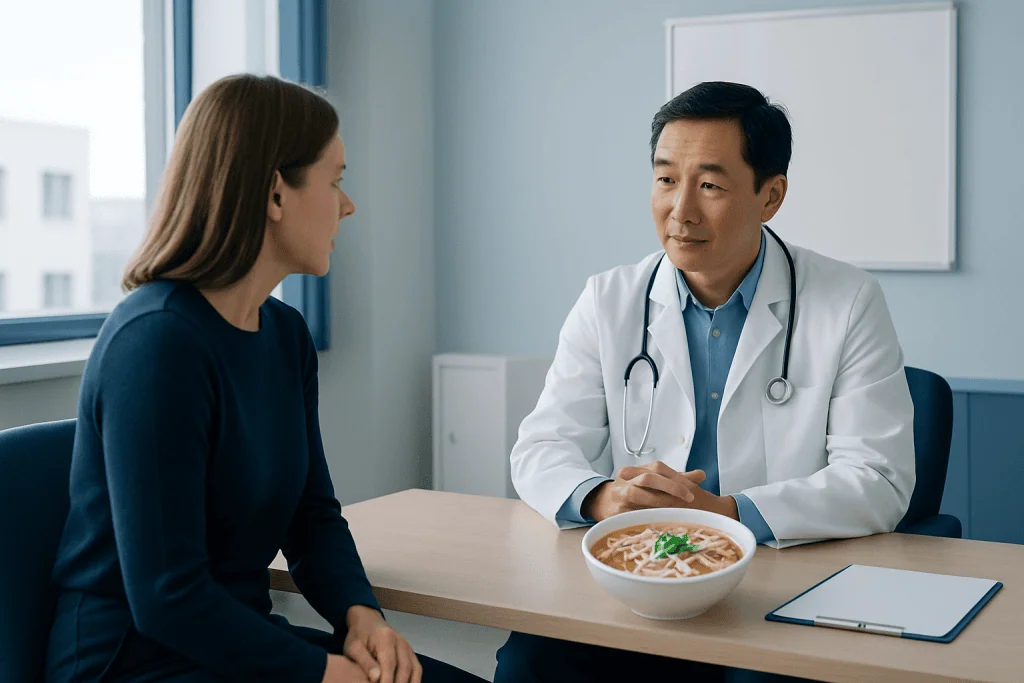
The benefits most reasonably supported by clinical nutrition principles are simple ones. Pho can provide hydration because it is broth-based, and it can offer a balanced combination of carbohydrate and protein when prepared thoughtfully. This may make it a practical meal during cold weather, after reduced appetite, or when someone wants a warm, easy-to-eat dish.
If made with lean protein and vegetables, pho may support fullness and meal satisfaction. Some research on soup consumption suggests soups can help people feel full with fewer calories than drier foods, although this depends on portion size and ingredients. The herbs and aromatics used in pho, such as basil, coriander, ginger, or onion, add flavor and may contribute small amounts of beneficial plant compounds, but they should not be considered a substitute for medical treatment.
What the evidence does not show is equally important. There is no strong clinical evidence that pho detoxifies the body, boosts immunity in a special way, burns fat, or cures digestive problems. Claims that bone broth-based soups dramatically heal the gut, reverse inflammation, or provide exceptional collagen benefits are often overstated compared with the available evidence.
People may also assume that because pho is light and brothy, it is always low in calories. In practice, a large bowl with a generous amount of noodles, fatty meat, and sauces may contain far more energy and sodium than expected. From a clinical perspective, portion size and overall dietary pattern matter more than whether a meal appears “clean” or “comforting.”
Risks, side effects, and who may need caution
The most common nutrition concern with pho is sodium. High-sodium meals can be important for people with high blood pressure, heart disease, swelling, or kidney conditions. Repeated intake of salty broth may work against efforts to control blood pressure and fluid balance, especially if other meals and snacks are also high in sodium.
Rice noodles are naturally gluten-free in many recipes, but cross-contact and broth ingredients can vary. People with celiac disease or a medically diagnosed gluten sensitivity should ask about ingredients and preparation methods. Those with diabetes or insulin resistance may also need to monitor portion size because a large serving of noodles can raise blood sugar, particularly when fiber and non-starchy vegetables are limited. Readers looking for broader guidance on diabetes and meal planning may benefit from individualized advice.
Pho may also present issues for people with gout, as some broths and meat-heavy preparations can contribute purines. Those with food allergies should ask specifically about fish sauce, shellfish, soy, spices, and potential cross-contact. Spicy additions may worsen reflux or stomach irritation in some individuals, especially those who already have gastritis or sensitive digestion.
Food safety matters as well. Undercooked meat, improperly stored broth, or poor hygiene can increase the risk of foodborne illness. Individuals who are pregnant, older, immunocompromised, or recovering from major illness should be especially careful that soups are fully cooked and served hot.
How pho fits into a balanced diet
Pho can fit into a balanced diet when it is treated as one meal within a broader eating pattern, not as a stand-alone health strategy. A more balanced bowl usually includes moderate noodles, an adequate portion of lean protein, and extra vegetables or herbs. This approach can improve satiety and nutrient density without relying on excess sauces.
For heart-conscious eating, the priority is often reducing sodium and saturated fat. Choosing chicken pho, leaner beef cuts, or tofu, using less broth if it is heavily seasoned, and going easy on hoisin or fish sauce can help. For weight management, watching bowl size and noodle quantity is often more useful than labeling pho as simply “good” or “bad.” In some cases, a clinician may suggest structured support such as obesity treatment when weight concerns are part of a larger medical picture.
For athletes or very active individuals, pho may work well as a meal that provides carbohydrates and fluid, especially when paired with enough protein. For someone with reduced appetite during recovery, its warmth and softer texture may be easier to tolerate than a dry meal. Still, it should not replace individualized medical nutrition advice when a person has a chronic disease or special dietary needs.
If digestive symptoms occur after meals, the issue may be the spices, portion size, or another underlying condition rather than pho itself. Persistent bloating, pain, reflux, or changes in bowel habits deserve proper assessment, and some people may be evaluated with services such as gastroenterology care depending on their symptoms.
Practical ways to make pho a healthier choice
The easiest way to improve pho noodle soup nutrition is to modify what can be controlled. At home, broth can be made with less salt and more aromatics for flavor. In restaurants, portion awareness and careful condiment use usually make the biggest difference.
Helpful strategies include asking for less noodles, extra bean sprouts or vegetables, and leaner protein. Tasting the broth before adding sauces can prevent unnecessary sodium. Some people also find it useful to leave part of the broth behind if the soup tastes very salty.
- Choose lean chicken, lean beef, or tofu when available.
- Add extra herbs, sprouts, onion, or vegetables for volume and variety.
- Limit added sauces if sodium or sugar intake is a concern.
- Be mindful of portion size, especially with large restaurant bowls.
- Pair pho with overall daily balance rather than trying to make one meal do everything.
When home preparation is possible, it may also be easier to tailor pho to medical needs such as lower sodium, softer texture, or more protein. People with kidney disease, hypertension, or diabetes should ask a qualified clinician or dietitian how to adapt traditional recipes safely to their nutrition goals.
When to seek medical care
Pho itself does not usually require medical attention, but symptoms after eating it sometimes point to an underlying issue. A person should seek medical care if they develop severe abdominal pain, persistent vomiting, dehydration, high fever, bloody diarrhea, hives, wheezing, facial swelling, or signs of an allergic reaction after a meal.
Medical advice is also important if eating pho repeatedly triggers reflux, trouble swallowing, unexplained weight loss, worsening blood pressure, or poor blood sugar control. These patterns may suggest an underlying digestive or metabolic problem that deserves professional evaluation rather than repeated self-adjustment of the diet.
Anyone with kidney disease, heart failure, advanced liver disease, celiac disease, or complex diabetes should discuss regular soup and broth choices with their doctor or dietitian. Near the end of the care pathway, some people may benefit from support from multidisciplinary specialists; Acibadem International’s JCI-accredited hospitals provide diagnosis and treatment for international patients when digestive, metabolic, or related concerns need evaluation.
If symptoms are persistent or unclear, clinicians may recommend targeted testing and nutritional review rather than broad food restrictions. That approach is often safer, more practical, and more accurate than assuming one ingredient is responsible.
Frequently asked questions
Is pho noodle soup healthy?
Pho can be part of a healthy diet, but it is not automatically a health food. Its nutritional value depends on the sodium in the broth, the amount of noodles, the type of protein, and how many sauces and toppings are added.
Why is sodium the main concern in pho noodle soup nutrition?
Broth is often heavily seasoned, and extra condiments can add even more sodium. For people with high blood pressure, kidney disease, or heart conditions, this can be more important than the calorie count alone.
Does pho help when someone is sick?
A warm broth-based meal may be soothing, hydrating, and easier to eat when appetite is low. However, pho is not proven to treat infections or speed recovery beyond the general benefits of fluids, energy, and protein.
Is pho better than ramen?
Neither dish is always healthier, because recipes vary widely. Pho often uses rice noodles and fresh herbs, while ramen may differ in noodle type, broth richness, and toppings; the healthiest choice depends on sodium, portion size, and ingredients.
Can people with diabetes eat pho?
Many people with diabetes can include pho, but noodle portions matter because they affect blood sugar. A bowl with less noodles, more vegetables, and adequate protein is often easier to fit into a blood sugar management plan.
Is pho gluten-free?
Rice noodles are often gluten-free, but the full dish is not always guaranteed to be. Broth ingredients, sauces, and kitchen cross-contact can introduce gluten, so people with celiac disease should ask detailed questions before ordering.
References
- World Health Organization
- U.S. Department of Agriculture
- American Heart Association
- Academy of Nutrition and Dietetics
- National Institute of Diabetes and Digestive and Kidney Diseases
This article is for general information only and is not a substitute for professional medical advice. Please consult a qualified doctor about your individual situation.
Explore treatments in Turkey — costs, top hospitals & a free quote
JCI-accredited · board-certified surgeons · reply within 24h
Check your numbers in seconds
BMI, calories, due date, blood pressure and 30+ more clinical calculators — free, instant, doctor-reviewed ranges.