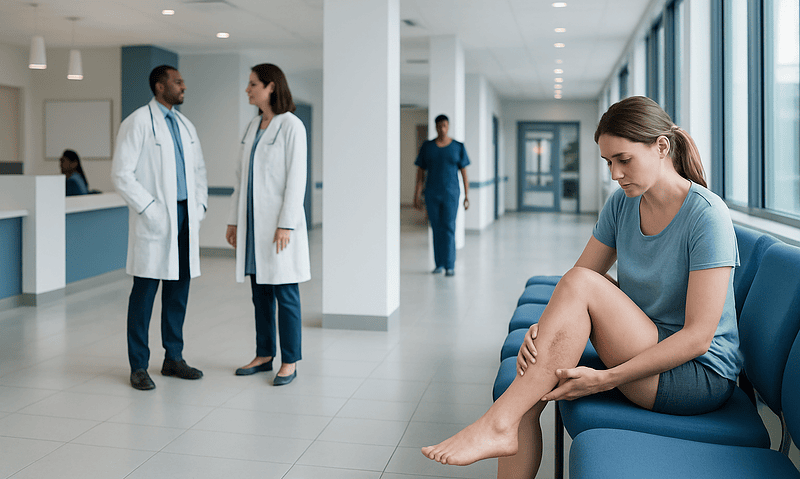
Physical Therapy After Surgery: Why Rehabilitation Matters

Physical therapy after surgery helps restore mobility, strength, balance, and functional independence. Rehabilitation plans are personalized according to the type of surgery, healing stage, medical history, and individual goals.
Key Takeaways
- Physical therapy after surgery helps restore mobility, strength, balance, and functional independence.
- Rehabilitation plans are personalized according to the type of surgery, healing stage, medical history, and individual goals.
- Early, safe movement may reduce stiffness, improve circulation, and support better long-term recovery.
- Patients should follow their surgeon’s and physiotherapist’s instructions and avoid doing too much too soon.
- Warning signs such as increasing pain, wound changes, fever, chest pain, or sudden swelling should be reported promptly.
Physical therapy after surgery is a guided rehabilitation process that helps patients regain movement, strength, balance, and confidence. A personalized program can support safer healing, reduce stiffness and complications, and help people return to everyday activities more comfortably.
Overview
Physical therapy after surgery, also called postoperative rehabilitation, is a structured program designed to help the body heal and regain function after an operation. Surgery can temporarily affect muscles, joints, nerves, balance, endurance, and daily activities. Rehabilitation bridges the gap between the operating room and a safe return to normal life.
The details of a rehabilitation plan vary widely. A person recovering from joint replacement, spinal surgery, heart surgery, abdominal surgery, sports injury repair, or cancer surgery may need different exercises, precautions, and timelines. The goal is not simply to “exercise,” but to move in the right way, at the right time, with appropriate guidance.
Physical therapists assess mobility, pain, swelling, posture, gait, strength, range of motion, breathing patterns, and functional tasks such as standing, walking, climbing stairs, or getting in and out of bed. They then create a progressive plan that supports healing while respecting surgical restrictions.
Why Rehabilitation Matters After Surgery
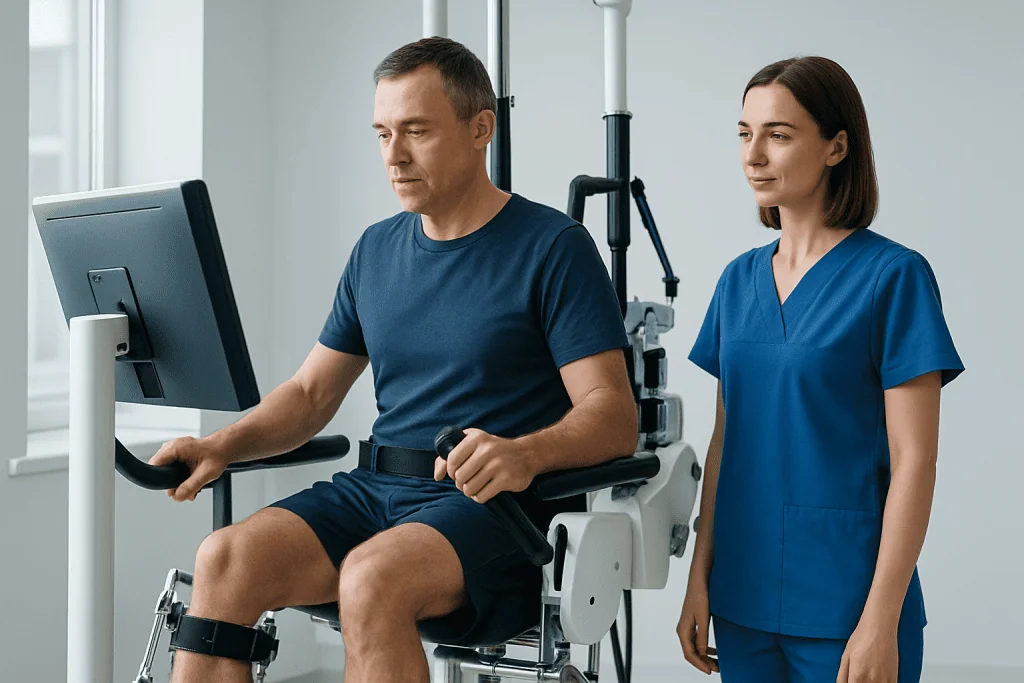
After surgery, the body naturally protects the healing area. This can lead to reduced movement, muscle weakness, stiffness, altered walking patterns, and lower endurance. Without a safe plan to rebuild activity, some patients may find it harder to return to work, family responsibilities, hobbies, or independent self-care.
Physical therapy helps patients move safely and gradually. Guided movement can support circulation, reduce joint stiffness, improve breathing mechanics, maintain muscle activation, and teach safer ways to perform daily activities. For many procedures, rehabilitation is an important part of achieving the best possible functional result.
Rehabilitation also supports confidence. Many patients worry about pain, reinjury, falling, or damaging the surgical site. A physiotherapist can explain which sensations are expected, which movements are safe, and how to progress without exceeding the limits set by the surgeon.
- Restoring range of motion and flexibility
- Rebuilding strength and endurance
- Improving balance, coordination, and walking ability
- Reducing compensatory movement patterns
- Supporting safe return to home, work, sport, or travel
What to Expect in a Postoperative Physical Therapy Plan
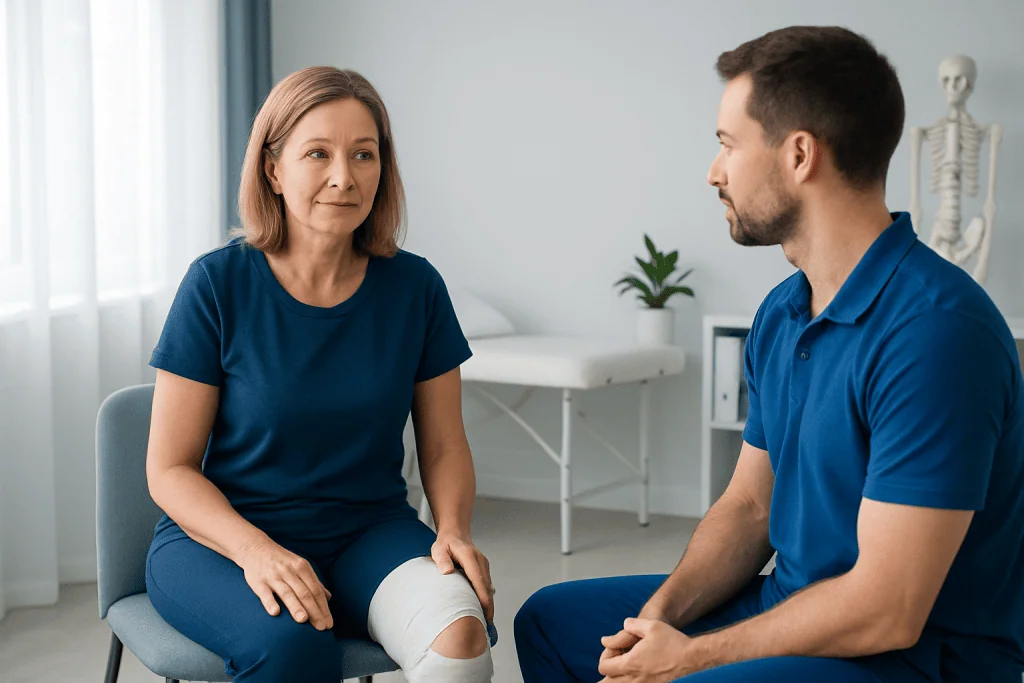
A postoperative rehabilitation plan usually begins with an assessment. The therapist reviews the surgery type, surgeon’s instructions, medical history, current medications, pain level, wound precautions, and any weight-bearing or movement restrictions. This helps ensure that the program is appropriate for the person’s stage of healing.
Early sessions may focus on gentle mobility, breathing exercises, circulation exercises, safe transfers, walking practice, and education. As healing progresses, therapy may include range-of-motion work, strengthening, balance training, posture correction, scar mobility guidance when appropriate, and functional training for daily activities.
The pace is individualized. Some patients need only a short course of therapy and a home exercise plan, while others require a longer rehabilitation pathway. Progress may not be perfectly linear; temporary soreness, fatigue, or slower days can happen. The key is steady, safe progression guided by qualified professionals.
Common Types of Surgery That May Need Rehabilitation
Many surgical specialties use physical therapy as part of recovery. Orthopedic procedures, such as knee replacement, hip replacement, shoulder repair, fracture fixation, tendon repair, and spine surgery, commonly require rehabilitation to restore movement and strength while protecting healing tissues.
Rehabilitation may also be helpful after abdominal, thoracic, cardiac, neurological, or cancer-related surgery. In these situations, therapy may focus on breathing, posture, walking endurance, fatigue management, lymphedema education when relevant, or return to independent activity. The plan is always adapted to the procedure and the patient’s overall health.
Some patients are referred before surgery for “prehabilitation.” This may include education, gentle strengthening, breathing practice, and planning for home needs after discharge. Being better prepared before surgery may make the early recovery period feel more manageable.
Safety, Pain, and Healing Precautions
Some discomfort during rehabilitation can be normal, especially when muscles are weak or joints are stiff. However, therapy should not involve forcing a movement or ignoring warning signs. Pain that is severe, sharp, worsening, or associated with new swelling, redness, heat, wound drainage, fever, shortness of breath, or chest pain should be reported promptly.
Patients should follow all instructions from their surgeon and physiotherapist. These may include limits on lifting, bending, twisting, weight-bearing, driving, bathing, brace use, or specific movements. Doing too much too soon can delay recovery, while avoiding all movement can increase stiffness and weakness. Rehabilitation aims to find the safe middle ground.
Good communication is essential. Patients should tell their therapist about pain levels, dizziness, numbness, fatigue, medication changes, sleep problems, or concerns about exercises. The program can then be adjusted to remain safe, realistic, and effective.
- Do not start new exercises without medical approval after surgery.
- Keep follow-up appointments with the surgical team.
- Use assistive devices, braces, or supports as instructed.
- Stop activity and seek advice if symptoms suddenly worsen.
Recovery at Home: Self-Care and Daily Habits
Home care is an important part of physical therapy after surgery. Patients are often given a home exercise program to practice between therapy sessions. These exercises should be done exactly as instructed, including the recommended frequency, range, and level of effort. More is not always better during healing.
Daily habits can support rehabilitation. Adequate rest, balanced nutrition, hydration, safe wound care, and medication use as prescribed all contribute to recovery. Patients should also prepare their home environment by reducing trip hazards, keeping essentials within reach, using recommended equipment, and arranging help for tasks that are not yet safe.
Returning to normal activities should be gradual. Walking distance, stair use, household chores, work duties, driving, exercise, and sports all require medical clearance based on the type of surgery and recovery progress. A physiotherapist can help patients practice real-life movements and build confidence step by step.
When to See a Doctor or Rehabilitation Specialist
Patients should contact their surgeon, doctor, or rehabilitation specialist if they are unsure how much movement is safe, if pain is not improving as expected, or if they are struggling with walking, self-care, balance, swelling, or stiffness. Early guidance can often prevent small problems from becoming longer-term limitations.
Urgent medical advice is needed for symptoms such as chest pain, sudden shortness of breath, fainting, new weakness, severe calf pain or swelling, signs of wound infection, fever, uncontrolled bleeding, or sudden severe pain. These symptoms do not always mean a serious complication, but they should be assessed promptly.
For international patients, Acibadem International’s multidisciplinary specialists and JCI-accredited hospitals provide diagnosis, postoperative follow-up, and rehabilitation planning for many surgical conditions. Patients should always follow the specific recommendations of their treating medical team, as recovery timelines differ from person to person.
Frequently asked questions
When should physical therapy start after surgery?
The timing depends on the type of surgery, the surgeon’s protocol, and the patient’s general health. Some patients begin gentle movement on the day of surgery or the next day, while others must wait until tissues have healed further. Patients should not begin exercises unless their surgical team has confirmed that it is safe.
Is pain during postoperative rehabilitation normal?
Mild discomfort, tightness, or muscle soreness can occur as the body begins moving again. However, severe pain, sudden worsening pain, or pain with swelling, redness, fever, wound changes, or shortness of breath should be reported. A physiotherapist can adjust exercises so they remain safe and appropriate.
Can patients do rehabilitation exercises at home?
Yes, home exercises are often an important part of recovery. They should be performed exactly as prescribed by the physiotherapist, without adding extra repetitions or more difficult movements too early. If an exercise causes unusual pain or symptoms, the patient should stop and ask for guidance.
How long does physical therapy after surgery take?
Recovery time varies depending on the procedure, the patient’s age and health, surgical precautions, and rehabilitation goals. Some people need a few sessions, while others require several weeks or months of progressive therapy. The treating team can provide the most accurate timeline based on individual progress.
What happens if someone skips physical therapy after surgery?
Skipping recommended rehabilitation may increase the chance of stiffness, weakness, poor movement patterns, balance problems, or delayed return to daily activities. Not every patient needs the same amount of therapy, but following professional guidance is important. Patients who cannot attend sessions should ask about safe alternatives or a supervised home plan.
What should patients bring to a physical therapy appointment after surgery?
Patients should bring any surgical instructions, referral notes, medication information, imaging or reports if available, and details about restrictions such as weight-bearing limits. Comfortable clothing and appropriate footwear are helpful. It is also useful to share personal recovery goals, such as returning to work, walking independently, or resuming a hobby.
References
- World Health Organization
- American Physical Therapy Association
- National Institute for Health and Care Excellence
- American Academy of Orthopaedic Surgeons
- Centers for Disease Control and Prevention
This article is for general information only and is not a substitute for professional medical advice. Please consult a qualified doctor about your individual situation.
Joint and spine care in Turkey — expert assessment & treatment
JCI-accredited · board-certified surgeons · reply within 24h