Pityrosporum Folliculitis: Diagnosis, Outlook, and Modern Treatment Approaches

Pityrosporum folliculitis is caused by overgrowth of Malassezia yeast in hair follicles, not by poor hygiene. It often appears as itchy, uniform bumps on the chest, back, shoulders, neck, or forehead.
Key Takeaways
- Pityrosporum folliculitis is caused by overgrowth of Malassezia yeast in hair follicles, not by poor hygiene.
- It often appears as itchy, uniform bumps on the chest, back, shoulders, neck, or forehead.
- The condition is frequently mistaken for acne, especially when usual acne treatments do not help.
- Diagnosis is mainly clinical, but skin scraping or other tests may be used in unclear cases.
- Treatment commonly includes topical or oral antifungal medicines and reducing triggers such as heat, sweating, and occlusive products.
Pityrosporum folliculitis is a common but often overlooked skin condition in which yeast overgrows in hair follicles, causing small, itchy, acne-like bumps. It usually responds well to antifungal treatment, but accurate diagnosis matters because it can look very similar to acne or bacterial folliculitis.
Overview
Pityrosporum folliculitis is an inflammatory skin condition caused by overgrowth of Malassezia, a yeast that normally lives on the skin. When this yeast multiplies too much inside hair follicles, it can trigger clusters of small, itchy bumps that resemble acne. In many people, the outlook is good once the condition is recognized and treated appropriately.
One reason pityrosporum folliculitis is commonly missed is that it can look very similar to acne vulgaris or other forms of folliculitis. However, the pattern is often different: the bumps are usually quite similar in size, may be itchy, and often appear on the upper trunk, shoulders, forehead, or along the hairline. Standard acne treatments may not help and can sometimes worsen irritation.
This condition is also known as malassezia folliculitis. Although it can be frustrating, it is generally manageable with a combination of targeted antifungal therapy, skin-care adjustments, and attention to triggers such as heat, sweating, and occlusive products. A dermatologist can help distinguish it from acne and other rashes when the diagnosis is uncertain.
Symptoms and How It Looks on the Skin
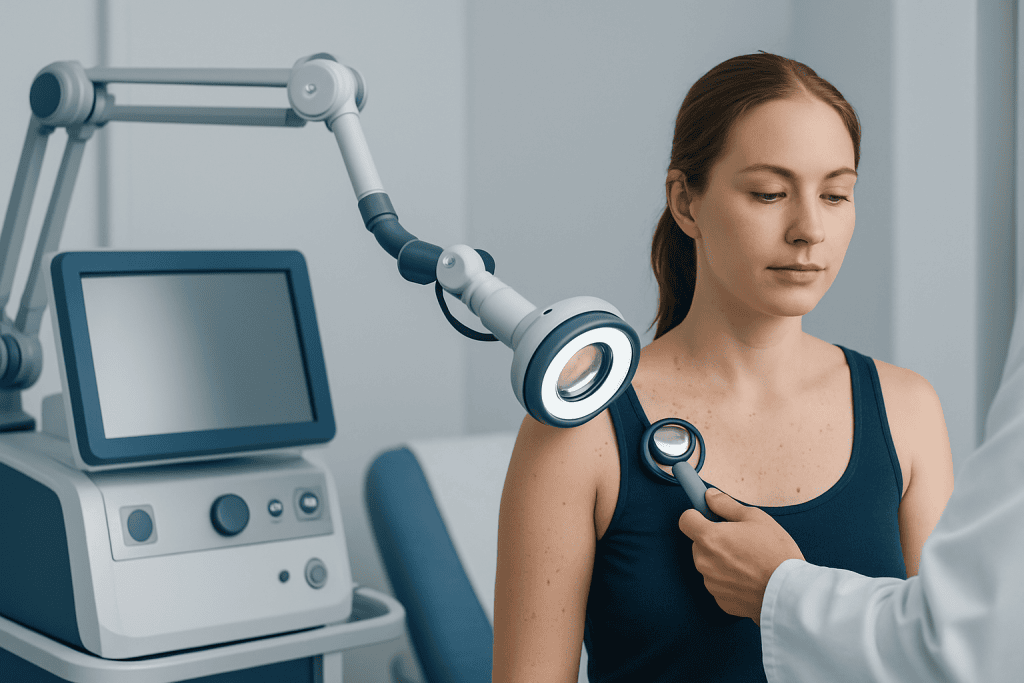
The main symptom of pityrosporum folliculitis is a crop of small, inflamed bumps centered around hair follicles. These bumps may be red or skin-colored and often look very uniform, meaning they are similar in size and shape. Unlike classic acne, blackheads and whiteheads are usually absent.
Itching is an important clue. Many people describe the bumps as itchy, prickly, or irritated, especially after exercise, sweating, hot weather, or time in humid environments. The rash is most often seen on the chest, upper back, shoulders, neck, jawline, or forehead, though it can also affect the arms in some cases.
Common features may include:
- Small, monomorphic papules or pustules
- Itching that can be mild to intense
- Clusters on the upper trunk, hairline, or face
- Flares with sweat, heat, or tight clothing
- Poor response to usual acne products
Because it can overlap with acne, some people may have both conditions at the same time. That mixed presentation can make self-diagnosis difficult, which is one reason a professional skin evaluation is often helpful.
Why It Happens: Causes and Risk Factors

Pityrosporum folliculitis develops when Malassezia yeast grows excessively in the hair follicles. This yeast is part of the normal skin microbiome, so the condition does not mean a person is unclean or has caught an infection from someone else. Instead, certain conditions make the skin environment more favorable for overgrowth.
Heat, humidity, sweating, and oily or occlusive skin products can contribute by creating a warm, moist setting around the follicles. Tight athletic clothing, prolonged friction, and not changing out of sweaty clothes promptly may also play a role. Some people notice recurrent flares during summer months or after intense exercise.
Other risk factors include recent antibiotic use, which can disrupt the balance of skin microorganisms, and states of reduced immune defense. Adolescents and young adults may be affected more often because of naturally higher oil production, but the condition can occur at any age.
Factors associated with pityrosporum folliculitis include:
- Hot or humid climates
- Excessive sweating
- Oily skin or heavy skin-care products
- Recent oral antibiotic use
- Immunosuppression or chronic illness
- Coexisting dandruff or seborrheic dermatitis
How Doctors Diagnose Pityrosporum Folliculitis
Diagnosis usually begins with a careful skin examination and a review of symptoms. Doctors look for a characteristic pattern: itchy, uniform follicular bumps on areas rich in oil glands, often with little or no improvement from acne therapies. The distribution, the presence of itching, and the lack of comedones can all point toward pityrosporum folliculitis.
In many cases, diagnosis is clinical, meaning it is based on the history and appearance of the rash. If the picture is unclear, a dermatologist may take a skin scraping, examine follicular contents under the microscope, or occasionally perform other tests to exclude bacterial folliculitis, acneiform eruptions, or less common rashes.
It is important not to rely only on online images or over-the-counter acne products. Conditions that can resemble pityrosporum folliculitis include bacterial folliculitis, steroid-related acne eruptions, heat rash, and acne vulgaris. A correct diagnosis helps avoid unnecessary treatments and shortens the time to improvement.
In specialist dermatology settings, clinicians may also review skin-care routines, recent medications, exercise habits, and any history of dandruff or seborrheic dermatitis, since these details can support the diagnosis and guide prevention.
Modern Treatment Approaches
Treatment focuses on reducing the yeast overgrowth and calming inflammation in the hair follicles. Topical antifungal treatments are often used first for mild or localized cases. These may include medicated creams, gels, or washes designed to decrease Malassezia on the skin surface and around follicles.
For more widespread, persistent, or recurrent cases, a doctor may prescribe oral antifungal medicine. This is usually considered when the chest, back, shoulders, or multiple body areas are involved, or when topical treatment alone is not enough. Because oral antifungal medicines are not suitable for everyone, a clinician will consider a person’s medical history and possible medication interactions before prescribing them.
Management often works best when treatment is paired with practical skin-care changes. These can include using gentle cleansers, showering after heavy sweating, avoiding thick oily products on affected areas, and choosing breathable clothing. If the rash has been treated as acne for a long time without improvement, the treatment plan may need to be adjusted rather than intensified.
Depending on the person’s skin findings, a dermatologist may also discuss supportive care through dermatology evaluation or, when there is diagnostic uncertainty, additional skin biopsy assessment in selected cases. If symptoms overlap with scalp flaking or facial oiliness, treatment for associated seborrheic dermatitis may also help reduce recurrence.
Outlook, Recurrence, and Daily Self-care
The outlook for pityrosporum folliculitis is generally favorable. Many people improve noticeably once the correct diagnosis is made and antifungal treatment begins. However, recurrence can happen, especially in people who live in hot climates, sweat heavily, exercise frequently, or have naturally oily skin.
Because recurrence is possible, maintenance strategies may be useful for some patients. A doctor may suggest intermittent use of an antifungal wash or other preventive skin-care steps after the active flare settles. The goal is not to sterilize the skin, but to keep the normal yeast balance from shifting again.
Helpful self-care measures include:
- Showering soon after workouts or heavy sweating
- Changing out of tight or damp clothing promptly
- Using non-comedogenic, lighter skin products when possible
- Avoiding prolonged use of unnecessary antibiotics
- Following the full treatment plan even if the rash starts improving early
People with repeated flares may benefit from specialist follow-up to confirm the diagnosis and rule out overlapping conditions. Near the end of a care journey, some international patients choose centers such as Acibadem International, where multidisciplinary specialists in JCI-accredited hospitals evaluate and treat complex or recurrent skin conditions.
When to Seek Medical Care
Medical advice is appropriate if acne-like bumps are persistent, itchy, spreading, or not improving with standard acne products. A doctor should also assess the skin if the rash is painful, associated with fever, or producing significant drainage, as these features can suggest a different problem that needs another type of treatment.
People who are pregnant, immunocompromised, taking multiple medications, or considering oral antifungal treatment should not self-treat without professional guidance. These situations may affect which medicines are safe and appropriate.
It can also be helpful to seek care when the diagnosis is uncertain or when the condition keeps returning. In these cases, a clinician may recommend a more detailed dermatology consultation to confirm the cause, refine treatment, and discuss a prevention plan tailored to the person’s lifestyle and skin type.
Frequently asked questions
Is pityrosporum folliculitis the same as acne?
No. Pityrosporum folliculitis is caused by overgrowth of yeast in the hair follicles, while acne is driven by several factors including oil production, clogged pores, and inflammation. The two conditions can look similar, and some people have both at the same time.
What is the difference between pityrosporum folliculitis and bacterial folliculitis?
Pityrosporum folliculitis involves Malassezia yeast, whereas bacterial folliculitis is usually caused by bacteria such as Staphylococcus species. The treatments are different, which is why a correct diagnosis is important. Itching and uniform bumps on the upper trunk often raise suspicion for pityrosporum folliculitis.
Can pityrosporum folliculitis go away on its own?
Mild cases may improve if triggers such as heat, sweat, and occlusive products are reduced, but many cases persist without targeted treatment. Because it is often mistaken for acne, self-treatment may delay recovery. A clinician can recommend the most suitable approach.
Why do acne treatments sometimes make it worse?
Some standard acne treatments do not address yeast overgrowth, so they may simply fail to help. In some cases, irritation from strong products can make the skin feel more inflamed. Long courses of antibiotics may also disturb the skin microbiome and encourage recurrence in susceptible people.
Is pityrosporum folliculitis contagious?
It is generally not considered contagious in the usual sense. The yeast involved normally lives on human skin, and the condition develops when the local skin environment allows overgrowth. It is not a sign of poor hygiene.
How long does treatment take to work?
Many people begin to notice improvement within a few weeks, but the timing varies depending on how extensive the rash is and which treatment is used. It is important to follow the plan given by a doctor and complete treatment as advised. Recurrence can happen, so maintenance measures may also be discussed.
References
- American Academy of Dermatology
- British Association of Dermatologists
- Merck Manual Professional Edition
- DermNet
- National Institute for Health and Care Excellence
This article is for general information only and is not a substitute for professional medical advice. Please consult a qualified doctor about your individual situation.
Folliculitis in Turkey — costs, top hospitals & a free quote
JCI-accredited · board-certified surgeons · reply within 24h

More from the Health Library



Related Specialists

Dr. Iretiola Albert
Inpatient Clinic Physicians Clinical Service
Dr. Fatih Coşkun
Emergency Service
Dr. Asiye Merve Erdoğan
Otorhinolaryngology
Dr. Mustafa Kartal
Pediatrics