Premenstrual Syndrome and PMDD: Symptoms and Treatment Options

Premenstrual syndrome involves physical and emotional symptoms that occur after ovulation and improve when menstruation begins. PMDD is a more severe form in which mood symptoms significantly affect relationships, work, school or daily functioning.
Key Takeaways
- Premenstrual syndrome involves physical and emotional symptoms that occur after ovulation and improve when menstruation begins.
- PMDD is a more severe form in which mood symptoms significantly affect relationships, work, school or daily functioning.
- Diagnosis is based mainly on a pattern of symptoms tracked across at least two menstrual cycles and by ruling out other health conditions.
- Treatment may include lifestyle changes, cognitive behavioral therapy, selected medications, hormonal options and symptom-specific care.
- Urgent support is important if premenstrual mood symptoms include thoughts of self-harm or feeling unsafe.
Premenstrual syndrome and premenstrual dysphoric disorder can affect mood, energy, comfort and daily routines in the days before a period. With careful tracking, medical evaluation and individualized treatment, most people can reduce symptoms and improve quality of life.
Overview
Premenstrual syndrome, often called PMS, describes a group of physical, emotional and behavioral symptoms that appear in the second half of the menstrual cycle, usually after ovulation. Symptoms often peak in the days before menstruation and improve within a few days after bleeding starts. PMS is common, but the pattern, intensity and impact vary widely from one person to another.
Premenstrual dysphoric disorder, or PMDD, is related to PMS but is more severe. In PMDD, mood symptoms such as irritability, sadness, anxiety or emotional sensitivity are intense enough to interfere with daily life, relationships, school or work. PMDD is a recognized medical condition and is not a sign of weakness or a lack of resilience.
Both PMS and PMDD are considered cyclical conditions. This means symptoms follow a predictable timing in relation to the menstrual cycle, rather than being present in the same way every day of the month. Recognizing this pattern is one of the most important steps toward accurate diagnosis and effective care.
Symptoms of PMS and PMDD
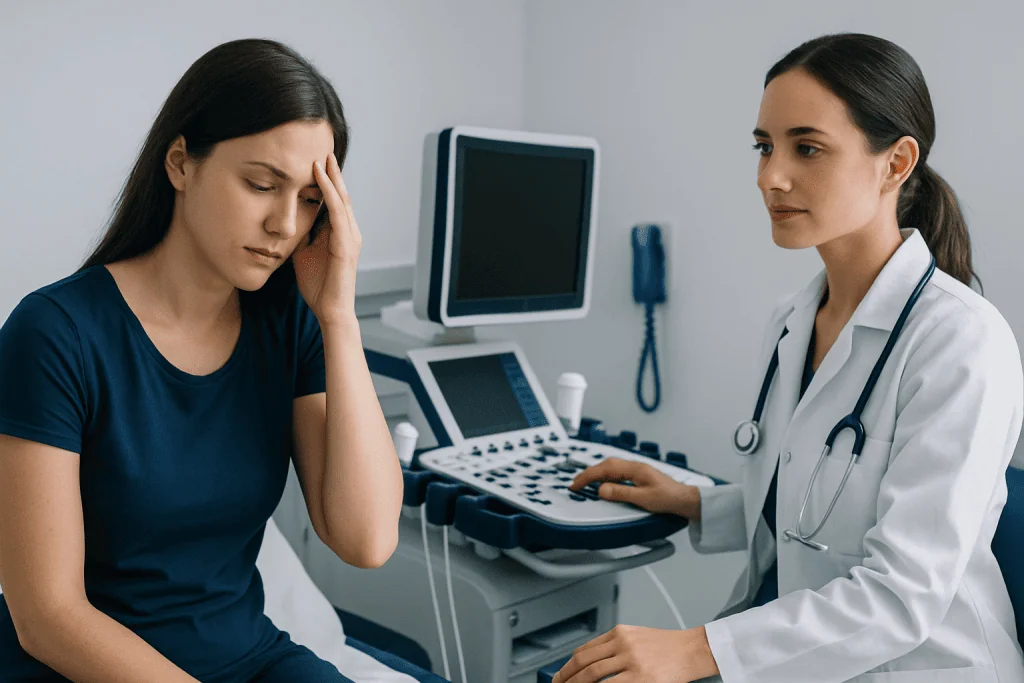
PMS symptoms may include physical discomfort, changes in mood and shifts in behavior. Common physical symptoms include breast tenderness, bloating, headaches, joint or muscle aches, acne flare-ups, changes in appetite, constipation or diarrhea, and fatigue. Some people also notice sleep changes, food cravings or reduced concentration before their period.
Emotional symptoms can include irritability, mood swings, tearfulness, anxiety, tension or feeling more easily overwhelmed. These symptoms are often mild to moderate and improve after menstruation begins. However, even moderate symptoms can be frustrating when they occur every month and disrupt routines.
PMDD symptoms are usually dominated by mood and emotional changes. A person may experience marked irritability or anger, depressed mood, hopelessness, anxiety, tension, sudden tearfulness, sensitivity to rejection or conflicts that feel harder to manage. Physical symptoms may also be present, but the defining feature is the level of emotional distress and functional impairment.
Typical symptoms may include:
- Low mood, anxiety or mood swings before menstruation
- Difficulty concentrating or reduced motivation
- Changes in appetite, sleep or energy
- Bloating, breast tenderness, headaches or body aches
- Feeling out of control, unusually irritable or emotionally sensitive
Causes and Risk Factors

PMS and PMDD are not caused by abnormal hormone levels in most cases. Instead, they are thought to involve increased sensitivity to normal hormone changes after ovulation, especially changes in estrogen and progesterone. These hormonal shifts can influence brain chemicals such as serotonin, which plays a role in mood, sleep, appetite and pain perception.
Genetic factors may also contribute. People with a family history of PMS, PMDD, depression or anxiety may have a higher likelihood of experiencing significant premenstrual symptoms. A personal history of mood disorders, postpartum depression, trauma, high stress or sleep disruption can also affect how symptoms are experienced.
Lifestyle and health factors do not usually cause PMDD on their own, but they may influence symptom severity. Irregular sleep, high stress, low physical activity, heavy alcohol use and certain nutritional patterns can worsen mood, energy and physical discomfort. Other medical conditions, such as thyroid disease, anemia, migraine, endometriosis, perimenopause or chronic pain, may overlap with or mimic PMS symptoms.
Diagnosis and Symptom Tracking
Diagnosis begins with a detailed conversation about symptoms, timing, menstrual cycles, medical history, medications and mental health. Because many conditions can cause mood changes or physical discomfort, the clinician looks for a recurring pattern: symptoms appear during the luteal phase, the time after ovulation, and improve shortly after the period begins.
For PMDD, prospective symptom tracking is especially important. This means recording symptoms daily for at least two menstrual cycles rather than relying only on memory. Tracking helps distinguish PMDD from depression, anxiety or other conditions that may worsen before menstruation but remain present throughout the month.
A doctor may recommend blood tests or additional evaluations if symptoms suggest another condition, such as thyroid imbalance, anemia, pregnancy, perimenopause or a gynecologic disorder. There is no single blood test or imaging scan that confirms PMS or PMDD. The diagnosis is made by combining symptom timing, severity, functional impact and the exclusion of other likely causes.
Treatment Options
Treatment is individualized according to symptom severity, reproductive plans, medical history and personal preferences. Mild PMS may improve with lifestyle adjustments and symptom-specific care, while moderate to severe PMS or PMDD often benefits from a structured treatment plan. The aim is to reduce symptoms, improve daily functioning and help the person feel more in control of the cycle.
Selective serotonin reuptake inhibitors, known as SSRIs, are among the best-studied medicines for PMDD and can also help some people with severe PMS. Depending on the individual situation, they may be taken every day or only during the second half of the cycle under medical supervision. These medicines should be prescribed and monitored by a qualified clinician, especially when there is a history of mood disorder or other medications are being used.
Hormonal treatments may help by reducing ovulation-related hormone fluctuations. Some combined hormonal contraceptives are used for premenstrual symptoms, and continuous or extended-cycle regimens may be considered for selected patients. For severe symptoms that do not respond to first-line treatments, specialists may discuss other options such as medicines that temporarily suppress ovarian hormone cycling; these require careful monitoring and are not first choices for most patients.
Other treatments can target specific symptoms. Pain relievers may be used for cramps, headaches or body aches when appropriate. Diuretics may occasionally be considered for bothersome fluid retention, and cognitive behavioral therapy can help with coping strategies, stress responses, relationship patterns and symptom-related distress. Surgical removal of the ovaries is rarely considered and only for carefully selected severe cases after specialist evaluation and confirmation that temporary hormone suppression improves symptoms.
Prevention, Lifestyle and Self-care
Self-care cannot always prevent PMS or PMDD, but it can reduce symptom intensity and improve resilience during vulnerable days. Regular aerobic exercise, strength training, consistent sleep and balanced meals are practical foundations. Many people find that planning lighter schedules, reducing avoidable stress and preparing for predictable symptom days helps them feel less disrupted.
Nutrition strategies may include regular meals, adequate protein, fiber-rich carbohydrates, fruits, vegetables and limiting excess salt if bloating is a problem. Some people benefit from reducing alcohol and high caffeine intake, especially when anxiety, sleep difficulty or breast tenderness are prominent. Supplements such as calcium or vitamin B6 are sometimes discussed, but they should be used with medical guidance to avoid unnecessary or excessive intake.
Emotional self-care is equally important. Keeping a symptom diary, using relaxation techniques, practicing mindfulness, setting boundaries and communicating with trusted people can make cyclical changes easier to manage. For PMDD, it can be helpful to create a safety and support plan for the days when mood symptoms are expected to peak.
When to See a Doctor
A person should consider medical evaluation when premenstrual symptoms interfere with work, school, relationships, sleep or daily responsibilities. It is also appropriate to seek care if symptoms are new, worsening, very painful, associated with irregular bleeding or continue throughout the month without a clear symptom-free interval.
Prompt professional support is important if premenstrual mood symptoms include thoughts of self-harm, feeling unsafe, severe hopelessness or loss of control. These symptoms are treatable, and help should not be delayed. If there is immediate danger, emergency services or a local crisis service should be contacted right away.
A gynecologist, family physician, psychiatrist or other qualified clinician can help confirm the diagnosis and create a step-by-step plan. For international patients, Acibadem International provides access to multidisciplinary specialists in JCI-accredited hospitals for diagnosis and treatment of PMS, PMDD and related women’s health concerns. Care should always be personalized to the patient’s medical needs and preferences.
Frequently asked questions
What is the difference between PMS and PMDD?
PMS includes physical and emotional symptoms that occur before menstruation and improve after the period starts. PMDD is a more severe condition in which mood symptoms are intense and interfere with daily life. Both follow a cyclical pattern, but PMDD causes greater distress or impairment.
How is PMDD diagnosed?
PMDD is diagnosed mainly by tracking daily symptoms over at least two menstrual cycles. A clinician looks for symptoms that appear after ovulation, improve with menstruation and cause meaningful impairment. Other causes, such as thyroid disease, depression, anxiety or perimenopause, may also need to be considered.
Can PMS or PMDD be treated without medication?
Some people improve with exercise, sleep routines, nutrition changes, stress reduction and psychological support such as cognitive behavioral therapy. These approaches may be enough for mild PMS. PMDD often requires additional medical treatment, but lifestyle and self-care strategies remain helpful parts of the plan.
Are antidepressants used only if someone has depression?
No. SSRIs can be used specifically for PMDD because they affect serotonin pathways involved in premenstrual mood symptoms. They may work for PMDD even when a person does not have ongoing major depression. A doctor can explain the benefits, side effects and timing options.
Can birth control help premenstrual symptoms?
Hormonal contraceptives may help some people by reducing ovulation-related hormone fluctuations. The response varies, and some people may feel better while others may not tolerate certain formulations. A clinician can help choose an option based on symptoms, health history and pregnancy plans.
When should premenstrual mood changes be considered urgent?
Urgent help is needed if mood changes include thoughts of self-harm, feeling unsafe, severe hopelessness or an inability to cope. These symptoms can be treated, and support should be sought immediately. Emergency services or a local crisis line should be contacted if there is immediate risk.
References
- American College of Obstetricians and Gynecologists
- Mayo Clinic
- National Institute for Health and Care Excellence
- Office on Women’s Health
- International Association for Premenstrual Disorders
This article is for general information only and is not a substitute for professional medical advice. Please consult a qualified doctor about your individual situation.
IVF & fertility treatment in Turkey — success rates and costs
JCI-accredited · board-certified surgeons · reply within 24h
Check your numbers in seconds
BMI, calories, due date, blood pressure and 30+ more clinical calculators — free, instant, doctor-reviewed ranges.