Prosthetic Rehabilitation After Amputation: Fitting, Training, and Adaptation
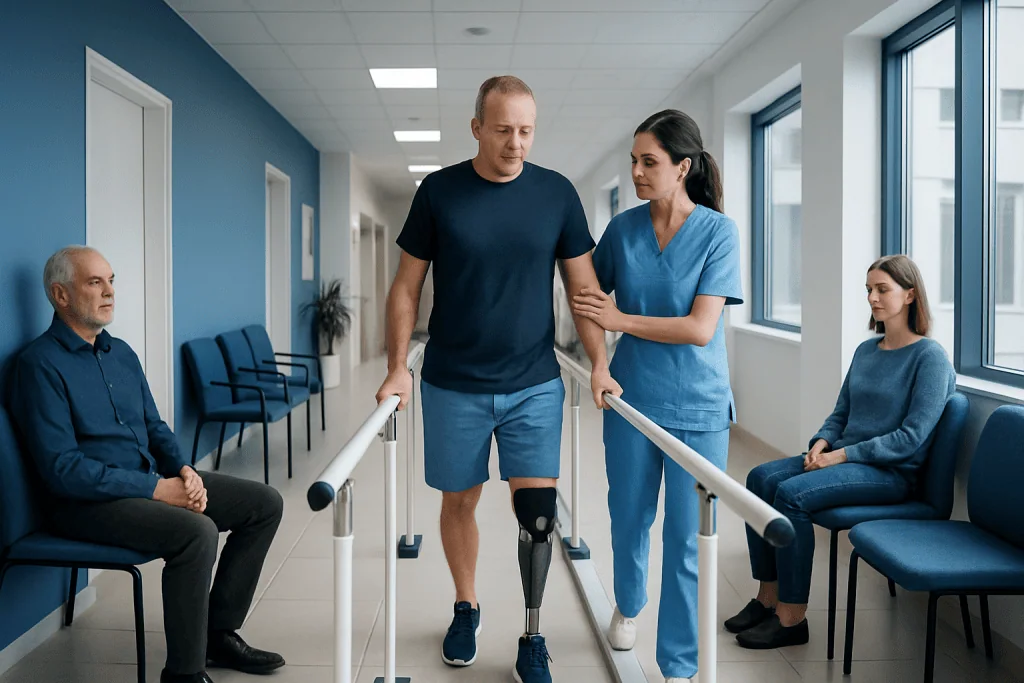
Prosthetic rehabilitation is a step-by-step process that begins before or soon after amputation and continues after the permanent prosthesis is fitted. A comfortable socket, proper alignment, skin care, and gradual training are essential for safe prosthesis use.
Key Takeaways
- Prosthetic rehabilitation is a step-by-step process that begins before or soon after amputation and continues after the permanent prosthesis is fitted.
- A comfortable socket, proper alignment, skin care, and gradual training are essential for safe prosthesis use.
- Physical and occupational therapy help patients build strength, balance, walking skills, and daily activity techniques.
- Emotional adjustment, pain management, and realistic goal-setting are important parts of recovery.
- Regular follow-up is needed because the residual limb, activity level, and prosthetic needs can change over time.
Prosthetic rehabilitation helps people after amputation regain mobility, independence, and confidence through careful fitting, therapy, and ongoing adaptation. A personalized plan can support comfort, safety, and participation in daily life.
Overview
Prosthetic rehabilitation is the medical and therapeutic process that helps a person use an artificial limb, called a prosthesis, after an amputation. It is not only about receiving a device; it includes healing, strengthening, learning safe movement, protecting the skin, and adapting to daily activities. The goal is to help each person achieve the best possible function, comfort, and independence according to their health, amputation level, lifestyle, and personal priorities.
Rehabilitation usually involves a multidisciplinary team. This may include a rehabilitation physician, surgeon, prosthetist, physiotherapist, occupational therapist, nurse, psychologist, pain specialist, and social worker. The person and family are central members of the team because goals must reflect real-life needs, such as walking at home, returning to work, driving, caring for children, sports, or simply moving more confidently.
The process differs for each individual. Someone with a below-knee amputation may follow a different training plan than someone with an above-knee or upper-limb amputation. A person who had an amputation because of trauma may have different needs from someone with diabetes, vascular disease, infection, or cancer. A good rehabilitation plan is flexible and changes as healing, strength, confidence, and prosthetic skills improve.
The Rehabilitation Timeline After Amputation
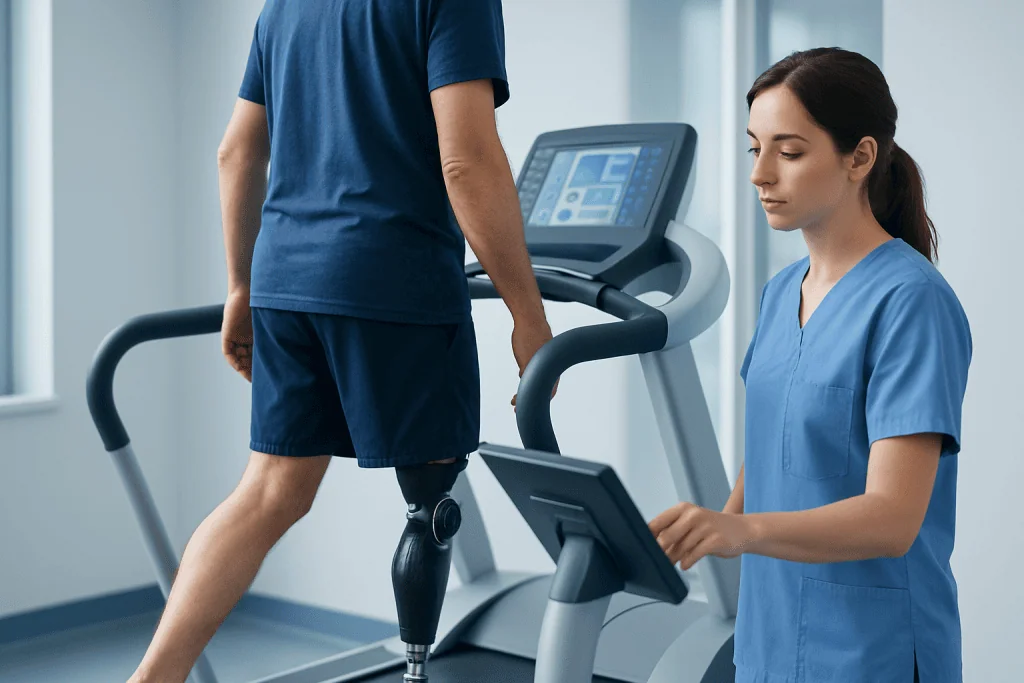
Prosthetic rehabilitation often begins before a prosthesis is worn. In the early healing phase, the team focuses on wound care, swelling control, pain management, joint mobility, strength, and safe transfers. Patients learn how to position the limb to reduce stiffness and how to move safely in bed, sit, stand, and use temporary mobility aids when appropriate.
Once the surgical wound is healed enough and swelling has improved, the prosthetist may begin planning for a preparatory or temporary prosthesis. This first device allows the person to start training while the residual limb continues to change shape. It also helps the team observe balance, walking pattern, skin tolerance, and comfort before a more definitive prosthesis is made.
Over the following months, the residual limb may reduce in size and become more stable. The prosthetic socket may need adjustments, liners, socks, or replacement to maintain a proper fit. Rehabilitation is therefore not a single appointment but a series of assessments, fittings, therapy sessions, and follow-ups. With time, many people move from basic mobility training to community activities, work-related tasks, recreation, and long-term self-management.
Prosthetic Fitting: Socket, Alignment, and Components
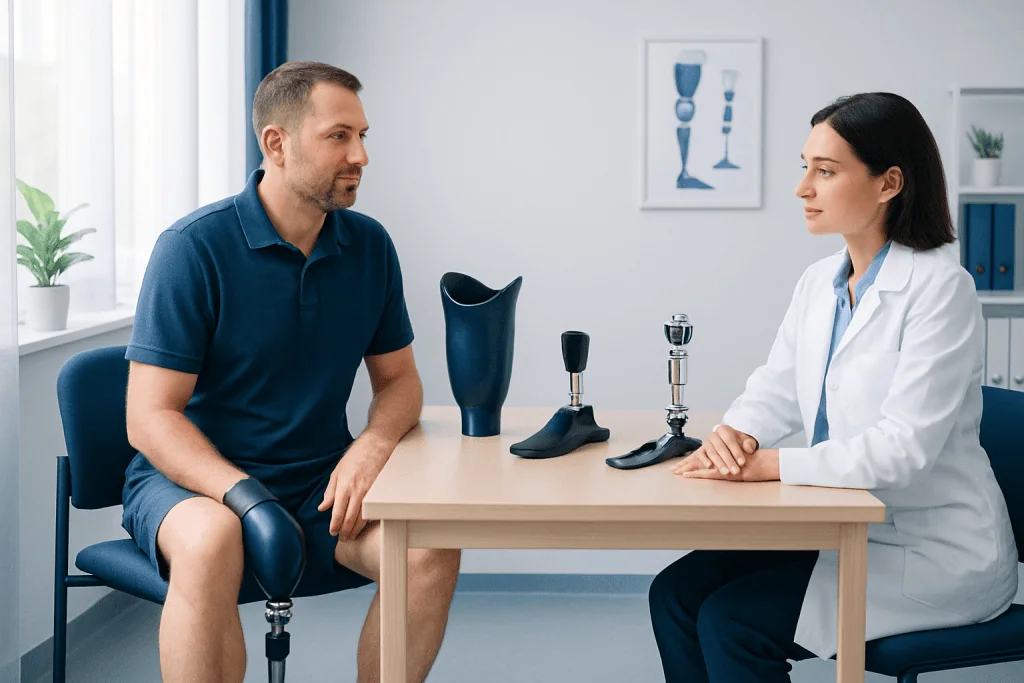
The socket is the part of the prosthesis that fits around the residual limb, and it is one of the most important factors in comfort and function. A well-designed socket distributes pressure safely, supports the limb, and helps the person control the prosthesis. If the socket is too loose, too tight, or unevenly loaded, it may cause skin irritation, pain, instability, or difficulty walking.
During fitting, the prosthetist evaluates the shape of the residual limb, skin condition, muscle strength, joint range of motion, and activity goals. Modern prostheses may use liners, suspension systems, pylons, feet, knees, hands, hooks, or myoelectric components depending on the limb involved and the person’s needs. The best choice is not always the most complex device; it is the one that is safe, reliable, comfortable, and suited to the patient’s daily life.
Alignment is another key part of fitting. The prosthetist adjusts the position of the socket and components so that standing, walking, or arm use feels balanced and efficient. Small alignment changes can make a noticeable difference in comfort, energy use, and control. Patients are encouraged to give clear feedback during fitting, including where they feel pressure, whether the limb feels secure, and which activities are difficult.
- A good fit should feel supportive without causing sharp pain or skin damage.
- Some pressure is expected, but persistent redness, blisters, or open skin should be reported.
- Fit can change during the day because of swelling, activity, temperature, or weight changes.
- Regular prosthetic review helps keep the device safe and effective.
Training and Therapy: Learning to Use a Prosthesis
Prosthesis training is gradual. A person may first learn how to put on and remove the prosthesis, inspect the skin, manage liners or socks, and stand safely. Therapists teach balance, weight shifting, posture, and controlled movement before longer walking or functional tasks are introduced. This careful progression helps prevent falls and supports confidence.
For lower-limb prosthesis users, physiotherapy may include strengthening the hips, core, and remaining limb, improving joint flexibility, and practicing walking on different surfaces. Training may cover stairs, ramps, uneven ground, sitting and standing, turning, carrying objects, and using public spaces. Some people may use a cane, crutches, or walker temporarily or long term, depending on safety and endurance.
For upper-limb prosthesis users, occupational therapy focuses on reaching, grasping, releasing, lifting, dressing, hygiene, cooking, writing, computer use, and work or school tasks. Training may involve body-powered devices, cosmetic prostheses, task-specific tools, or myoelectric hands controlled by muscle signals. The therapist helps the person build practical routines and choose adaptations that reduce strain and improve independence.
Therapy also addresses energy conservation. Using a prosthesis can require more effort at first, especially while strength and balance are developing. Short, frequent practice sessions are often more helpful than overexertion. Progress is usually measured by safer movement, better comfort, fewer skin problems, and improved participation in meaningful activities.
Comfort, Skin Care, Pain, and Residual Limb Health
Healthy skin is essential for prosthesis use. The residual limb is exposed to pressure, friction, warmth, and moisture inside the socket. Patients are usually taught to inspect the skin daily, especially after new fittings or increased activity. A mirror may help check hard-to-see areas. Redness that fades shortly after removing the prosthesis may be normal, but redness that persists, blisters, drainage, sores, or increasing pain should be assessed.
Good hygiene helps protect the skin. Liners and socks should be cleaned as advised by the prosthetist, and the skin should be washed and dried gently. Moisturizers may be recommended at certain times, but products should not make the limb slippery inside the socket. People with diabetes, reduced circulation, or reduced sensation need particular attention because skin problems may be less painful at first but still important.
Pain after amputation can have several causes. Residual limb pain may come from healing tissues, pressure points, nerve sensitivity, joint stiffness, or socket fit. Phantom limb sensations are feelings that seem to come from the missing limb; they may be non-painful or painful. Treatment may include medication, desensitization, mirror therapy, graded movement, psychological support, nerve-related treatments, or prosthetic adjustment, depending on the cause.
Residual limb shape and volume can change over time. Weight changes, fluid shifts, muscle development, or health conditions may affect socket fit. People should avoid trying to tolerate a painful prosthesis for long periods. Early communication with the rehabilitation team can often solve problems before they interfere with mobility or skin health.
Adaptation in Daily Life and Emotional Wellbeing
Adapting to life with a prosthesis includes physical, practical, and emotional changes. It can take time to feel comfortable with the new body image, routines, and movement patterns. Some days may feel easier than others, especially during the first months. This is normal, and steady progress often comes from consistent practice, supportive guidance, and realistic goals.
Daily adaptation may involve changes at home, work, school, or in the community. Simple modifications can improve safety, such as removing trip hazards, improving lighting, arranging frequently used items within reach, and using bathroom supports if needed. Occupational therapists can recommend equipment and strategies for dressing, bathing, cooking, child care, hobbies, and job-related tasks.
Emotional support is an important part of rehabilitation. Some people experience grief, frustration, anxiety, or concerns about independence and social situations. Speaking with a psychologist, counselor, peer mentor, or support group can help. Family education is also valuable because relatives may want to help but need guidance on encouraging independence while providing appropriate support.
Return to driving, work, travel, and sports should be discussed with the healthcare team. Requirements may vary depending on local regulations, the level of amputation, reaction time, medications, and prosthetic control. Many activities can be adapted safely with planning and professional advice.
Prevention, Self-Care, and Long-Term Follow-Up
Long-term success with a prosthesis depends on regular self-care and follow-up. The prosthesis is a medical device that works closely with the body, and both can change. Scheduled reviews help check socket fit, component wear, walking pattern, skin health, and whether the device still matches the person’s lifestyle. Children and adolescents need especially frequent review because growth changes prosthetic needs.
General health also affects rehabilitation. Managing conditions such as diabetes, vascular disease, heart disease, kidney disease, or arthritis can improve safety and endurance. Good nutrition, smoking cessation, appropriate physical activity, and foot care for the remaining limb are important. Protecting the sound limb is a major priority for lower-limb amputees because it often carries extra load during movement.
Patients can support long-term comfort by building a daily routine. This may include skin inspection, cleaning liners, gradual increases in wearing time when advised, stretching, strengthening exercises, and reporting changes early. If walking becomes more tiring, falls occur, the prosthesis feels unstable, or pain develops, a reassessment may be needed rather than simply reducing activity.
When to See a Doctor or Rehabilitation Specialist
A person using a prosthesis should seek medical or rehabilitation advice if they notice persistent skin redness, blisters, open wounds, increasing swelling, fever, new or worsening pain, repeated falls, sudden difficulty controlling the prosthesis, or major changes in limb size. These symptoms do not always mean there is a serious problem, but they should be checked so that comfort and safety can be restored.
Review is also helpful when goals change. A person may want to return to work, walk longer distances, travel, swim, cycle, or manage a new home environment. The prosthetic and therapy plan can often be updated to support these activities. Similarly, if a device feels outdated, heavy, uncomfortable, or mismatched to daily needs, a prosthetist and rehabilitation physician can reassess options.
International patients who need assessment or ongoing care can consult multidisciplinary rehabilitation and prosthetic teams. Acibadem International’s JCI-accredited hospitals provide diagnosis, rehabilitation planning, prosthetic fitting coordination, and follow-up care for people after amputation, with specialists from relevant fields working together. As with all medical decisions, the most appropriate plan should be based on an individual examination and professional evaluation.
Frequently asked questions
How soon after amputation can a person get a prosthesis?
Timing depends on wound healing, swelling, pain control, strength, and overall health. Some people begin with a temporary prosthesis once the residual limb is ready, while others need more healing or medical management first. The rehabilitation team decides the safest timing after examination.
Is prosthetic fitting painful?
A prosthesis should feel supportive and may create pressure in certain areas, but it should not cause sharp pain, blisters, or wounds. Some discomfort can occur during early adjustment as the body adapts. Persistent pain should be reported because socket fit, alignment, or skin health may need review.
How long does it take to learn to walk with a prosthetic leg?
The timeline varies widely depending on the level of amputation, age, strength, balance, medical conditions, and previous activity level. Some people learn basic walking in weeks, while advanced community mobility may take months of practice. Progress is best viewed as gradual improvement rather than a fixed schedule.
Can a prosthesis be worn all day?
Many experienced users wear a prosthesis for much of the day, but wearing time is usually increased gradually. Skin tolerance, comfort, sweating, swelling, and activity level all matter. If the limb becomes sore or the skin changes, the person should remove the prosthesis and seek advice if symptoms persist.
What should a person do if the prosthesis feels loose?
A loose socket can reduce control and increase friction, which may lead to skin irritation or falls. The person may need sock adjustment if they have been taught how to use prosthetic socks, but persistent looseness should be assessed by a prosthetist. Weight change or residual limb volume change may require socket modification.
Are phantom limb sensations normal?
Yes, many people experience sensations that seem to come from the missing limb. These sensations may be painless, such as tingling or position awareness, or they may be painful. If phantom pain affects sleep, mood, or daily activity, a doctor or rehabilitation specialist can recommend treatment options.
Will the prosthesis need to be replaced?
Prosthetic components and sockets may need adjustment, repair, or replacement over time. Changes in the residual limb, body weight, activity level, growth in children, or wear of mechanical parts can affect fit and safety. Regular follow-up helps identify when changes are needed.
References
- World Health Organization
- International Society for Prosthetics and Orthotics
- American Academy of Orthopaedic Surgeons
- Amputee Coalition
- British Society of Rehabilitation Medicine
This article is for general information only and is not a substitute for professional medical advice. Please consult a qualified doctor about your individual situation.
Explore treatments in Turkey — costs, top hospitals & a free quote
JCI-accredited · board-certified surgeons · reply within 24h