

Proton Therapy Side Effects: What to Expect and How to Manage
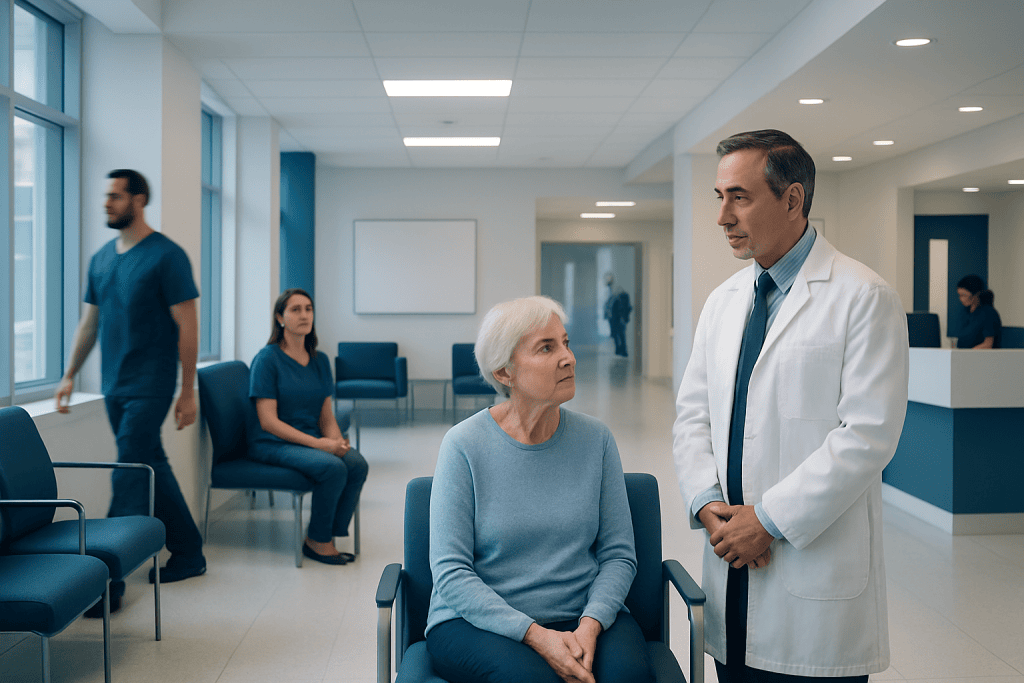
Proton therapy delivers radiation precisely, which can reduce exposure to nearby healthy tissues but does not eliminate side effects. Fatigue and skin reactions in the treatment area are common during or shortly after therapy.
Key Takeaways
- Proton therapy delivers radiation precisely, which can reduce exposure to nearby healthy tissues but does not eliminate side effects.
- Fatigue and skin reactions in the treatment area are common during or shortly after therapy.
- Symptoms depend strongly on the cancer location, such as swallowing changes after head and neck treatment or bowel changes after pelvic treatment.
- Recovery is gradual; many short-term effects improve within several weeks, while some require longer monitoring and supportive care.
- New, severe, or rapidly worsening symptoms should be discussed promptly with the oncology team.
Proton therapy side effects vary according to the body area treated, the total radiation dose, and whether treatment is combined with surgery, chemotherapy, or other medicines. Most effects are manageable and temporary, but some can appear months or years later, so ongoing follow-up with the cancer care team is important.
Overview: what proton therapy side effects to expect
Proton therapy side effects are usually related to the part of the body receiving radiation. Many people experience tiredness and mild skin irritation over the treated area. Other symptoms can include changes in appetite, bowel or bladder habits, swallowing, or mouth comfort, depending on where the cancer is located.
Proton therapy is a type of external-beam radiation treatment. It uses positively charged particles called protons rather than X-rays. Because protons can be planned to deposit most of their energy at a specific depth, treatment may reduce radiation exposure beyond the tumor. This can be particularly useful when a tumor is close to sensitive organs, but healthy tissue in and near the treatment field can still be affected.
Every treatment plan is individualized. The radiation oncologist explains the expected short- and long-term effects before treatment starts and monitors symptoms throughout care. Proton therapy may be used alone or alongside surgery, chemotherapy, immunotherapy, or other cancer treatments, which can also influence recovery.
How proton therapy works, who may be a candidate, and the treatment steps
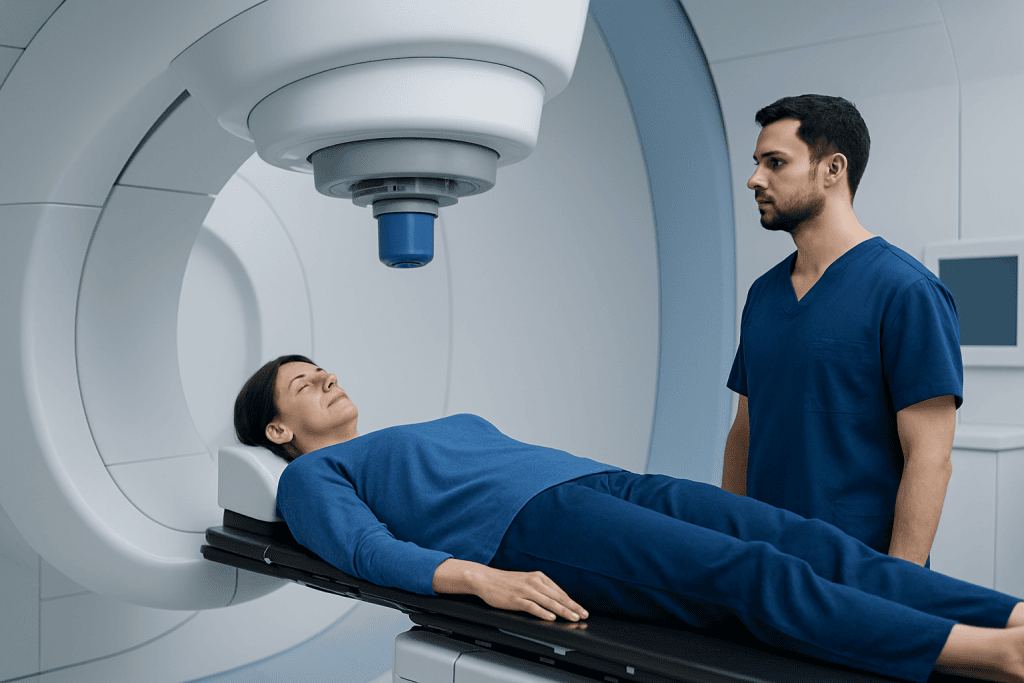
Proton beams are shaped and directed using detailed imaging and computerized treatment planning. Unlike conventional X-ray radiation, which continues through the body after reaching its target, protons can be designed to stop at or near the tumor. This physical property may help limit the radiation dose reaching selected healthy tissues beyond the target.
Candidacy depends on the cancer type, size, location, stage, previous radiation treatment, and overall health. It may be considered for cancers near important structures, including some brain, head and neck, eye, chest, abdominal, pelvic, prostate, and childhood cancers. It is not automatically the best option for every tumor; the oncology team compares its potential advantages with other appropriate radiation approaches.
Before treatment, a planning appointment includes scans such as CT and sometimes MRI or PET imaging. The team creates a positioning device when needed, such as a mask for head treatment, and marks or records the most reproducible treatment position. During each session, the person lies still on a treatment table while the machine delivers radiation; the beam itself is painless. Most sessions are outpatient visits given daily on weekdays for several weeks, although schedules differ by diagnosis and treatment plan.
Appointments include regular reviews with the radiation team. These visits are an opportunity to report symptoms early, adjust supportive medicines, and receive practical guidance on skin care, nutrition, hydration, and activity.
Common side effects and why the treatment area matters

Fatigue is among the most common effects of radiation therapy. It can build gradually over the course of treatment and may be affected by travel, sleep disruption, stress, anemia, nutritional changes, and other cancer therapies. Rest, gentle activity when tolerated, regular meals, fluids, and help with daily responsibilities can make fatigue easier to manage.
Skin in the treatment field may become pink, dry, itchy, tender, or darker, similar to a mild-to-moderate sunburn. These changes often develop after the first few weeks and can temporarily worsen after treatment ends before healing. The care team may recommend gentle cleansing, unscented moisturizers or prescribed topical treatments, loose clothing, and avoiding heat packs, ice packs, tanning, and friction on the area.
Location-specific symptoms are also possible. Radiation to the brain may cause headache, scalp irritation, or temporary hair loss in the field. Head and neck treatment may lead to mouth soreness, altered taste, dry mouth, or difficulty swallowing. Chest treatment can cause throat discomfort or cough, while abdominal or pelvic treatment can cause nausea, diarrhea, cramping, urinary frequency, or bladder irritation. Treatment near the prostate may be associated with urinary or bowel symptoms and possible changes in sexual function.
Proton therapy can lower exposure to some nearby tissues, but it cannot remove risk completely. A person should not compare their experience directly with someone treated for a different cancer or treatment field; the most reliable guidance comes from their own radiation oncology team.
Recovery timeline, late effects, and risks and benefits
How long does it take to recover from proton radiation? There is no single recovery timeline. Many short-term symptoms begin during treatment, peak near the end or within the first one to two weeks afterward, and improve over the following several weeks. Fatigue may last longer, especially when treatment has been combined with chemotherapy, surgery, or an underlying health condition.
Skin reactions commonly improve within a few weeks after the final session, although pigment changes can take longer to settle. Symptoms involving the mouth, throat, bowel, bladder, or appetite may require more time and targeted support. Follow-up appointments allow the team to assess healing, monitor tumor response, and address symptoms that do not improve as expected.
Is proton therapy hard on the body? Proton therapy is generally an outpatient treatment, and each radiation delivery session is painless. However, it is still radiation therapy, so it can be physically and emotionally demanding over time. Side effects may affect comfort, energy, eating, sleep, work, or family routines, especially when a sensitive body area is treated.
Potential late effects depend on the tissues exposed and may develop months or years after treatment. They can include scarring or stiffness, persistent dry mouth, hormonal changes, bowel or bladder changes, fertility or sexual health concerns, or effects on growth and development in children. Rare but serious complications are possible, including injury to nearby organs or a new cancer caused by radiation many years later. The expected benefit is effective cancer control while reducing unnecessary dose to selected normal tissues; the balance of benefit and risk should be discussed individually.
Self-care after treatment: activity, food, supplements, and daily routines
What not to do after radiation treatment? People should avoid applying unapproved creams, herbal products, adhesive tapes, heating pads, or ice directly to irradiated skin. They should also protect the area from direct sun and avoid rubbing, scrubbing, or shaving it aggressively. Smoking and excessive alcohol can impair healing and may worsen treatment-related irritation, particularly after head, neck, chest, or pelvic radiation.
It is usually helpful to stay gently active rather than remaining in bed for long periods, but strenuous exercise should be reduced if it worsens fatigue, dizziness, pain, or dehydration. Patients should pace activities, accept practical support, get enough sleep, and contact the care team before returning to intense exercise, swimming with damaged skin, or travel that could interrupt follow-up.
What vitamins are best to take after radiation treatment? There is no universal vitamin regimen proven to speed recovery after radiation. A balanced eating pattern with adequate protein, vegetables, fruits, whole grains, and fluids is often more useful than starting supplements without advice. If blood tests show a deficiency, such as vitamin D, vitamin B12, or iron deficiency, the clinician may recommend a specific supplement.
High-dose vitamins, antioxidant supplements, and herbal preparations should not be started during or soon after cancer treatment without approval from the oncology team. Some supplements can affect medicines, bleeding risk, nutrition, or treatment response. A dietitian can help people manage reduced appetite, nausea, swallowing difficulty, diarrhea, or weight loss safely.
When to seek medical care
Radiation-related symptoms are often expected and treatable, but people should contact their radiation oncology team promptly if symptoms are new, severe, rapidly worsening, or stopping them from drinking, eating, sleeping, or managing basic activities. Early communication can prevent dehydration, weight loss, infection, uncontrolled pain, and unnecessary distress.
Urgent assessment is appropriate for trouble breathing, chest pain, confusion, fainting, new weakness or seizure, heavy bleeding, a high fever, severe headache, persistent vomiting, or signs of significant dehydration such as very little urine, marked dizziness, or inability to keep fluids down. The appropriate emergency service should be used if symptoms are severe or immediate.
People should also report open, blistered, draining, or very painful skin in the treated area; severe diarrhea; blood in stool or urine; painful urination; worsening swallowing difficulty; or mouth sores that prevent adequate intake. The team can assess whether symptoms are treatment related, caused by infection or another condition, or need specialist care.
Acibadem International’s multidisciplinary specialists and JCI-accredited hospitals diagnose and treat cancer for international patients, coordinating radiation oncology follow-up with supportive services when appropriate.
Follow-up and long-term wellbeing after proton therapy
Follow-up does not end when the final proton therapy session is completed. Visits may include symptom review, physical examinations, laboratory tests, and imaging chosen for the specific cancer. The schedule varies by diagnosis, treatment intent, age, and whether other therapies are continuing.
Patients can support long-term recovery by keeping follow-up appointments, bringing an up-to-date medication and supplement list, and reporting lasting changes in energy, concentration, mood, appetite, bowel or bladder function, sexuality, or fertility concerns. Rehabilitation, speech and swallowing therapy, dental care, pelvic health support, pain management, and mental health care may all be useful depending on the treatment site.
People previously treated with radiation should tell future healthcare professionals about the treatment area and approximate dates. Maintaining a personal cancer treatment summary can make later care safer and more coordinated.
Frequently asked questions
Are proton therapy side effects less severe than conventional radiation side effects?
Proton therapy may reduce radiation exposure to certain nearby healthy tissues because of how protons deposit energy. Whether this leads to fewer or less severe side effects depends on the cancer location, treatment plan, dose, and other treatments being received. It does not mean side effects are absent or that proton therapy is best for every person.
When do proton therapy side effects start?
Some effects, especially fatigue or mild skin changes, may begin after the first few weeks of treatment. Other effects depend on the body area and may arise later in the treatment course. Certain late effects can occur months or years afterward, which is why follow-up remains important.
Does proton therapy make hair fall out?
Hair loss can occur only where radiation is delivered through hair-bearing skin, such as the scalp or beard area. It is not the same as the whole-body hair loss often associated with some chemotherapy medicines. Regrowth is possible, but higher doses can sometimes cause lasting thinning in the treated area.
Can a person work during proton therapy?
Many people continue some work or normal activities during treatment, particularly early in the course. Fatigue, travel time, appointments, and site-specific symptoms may require a reduced schedule or time away from work. The care team can provide individualized advice and supporting documentation if needed.
Can people exercise after proton radiation?
Gentle exercise, such as walking or stretching, is often safe and can support sleep, mood, and energy. Activity should be adjusted to symptoms, hydration, balance, and healing skin. A clinician should be asked before beginning strenuous exercise, especially after surgery or when significant fatigue, pain, or dizziness is present.
Should supplements be avoided after proton therapy?
Supplements are not automatically required after treatment, and high-dose products should not be taken without discussing them with the oncology team. Some people need targeted supplementation when a confirmed nutritional deficiency is present. A clinician or oncology dietitian can advise on the safest approach for the individual.
References
- National Cancer Institute
- American Cancer Society
- American Society for Radiation Oncology
- National Comprehensive Cancer Network
- International Atomic Energy Agency
This article is for general information only and is not a substitute for professional medical advice. Please consult a qualified doctor about your individual situation.
Persistent digestive symptoms? Get evaluated in Turkey
JCI-accredited · board-certified surgeons · reply within 24h
Add us as a Preferred Source to see more of our trusted health content across Google Search, AI Overviews and Discover.

More from the Health Library

Related Specialists

Dr. Muhammet Mustafa Yıldız
Emergency Service
Dr. Mithat Ulay
Aesthetic Plastic & Reconstructive Surgery
Dr. Sevim Buzkan Ertuğrul
Acibadem Life Clinical Service
Dr. Atilay Büker
Radiology