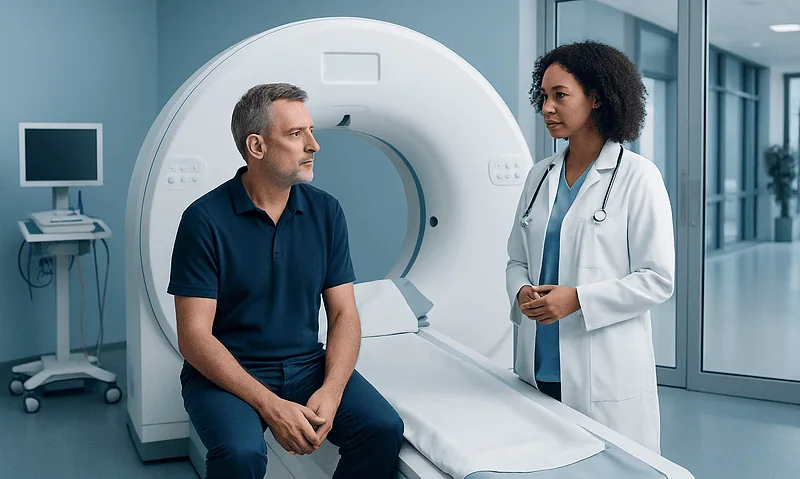
Radiation Precautions for Family Members at Home: How It Works, Results and What to Expect
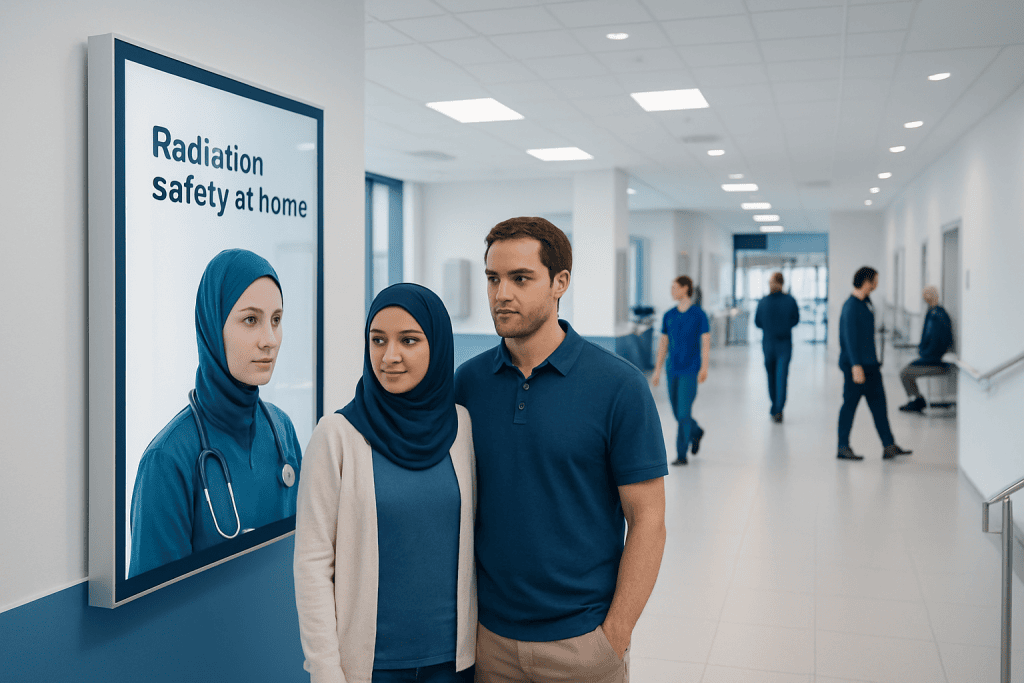
External beam radiation therapy does not make a person radioactive, so normal contact with family is generally safe. Internal radiation treatments can release small amounts of radiation or radioactive material for a limited time, requiring personalized home precautions.
Key Takeaways
- External beam radiation therapy does not make a person radioactive, so normal contact with family is generally safe.
- Internal radiation treatments can release small amounts of radiation or radioactive material for a limited time, requiring personalized home precautions.
- Distance, shorter close-contact time, and careful hygiene may be recommended after specific internal treatments.
- Pregnant people, infants, and young children may need extra protection after radioactive iodine or some brachytherapy procedures.
- Fatigue and local skin or tissue effects are common during radiation treatment, but they are not signs that radiation is spreading to others.
- Patients should follow the radiation oncology team's discharge instructions, which override general advice.
Radiation precautions for family members at home are usually not needed after external beam radiation therapy because the patient does not become radioactive. Temporary precautions may be necessary after certain internal radiation treatments, including radioactive iodine or implanted radioactive sources, and the care team provides individualized written instructions.
Overview: radiation safety at home
Radiation precautions for family members at home depend mainly on the kind of radiation treatment received. After external beam radiation therapy, the most common form of cancer radiation treatment, a person is not radioactive and cannot pass radiation to relatives, friends, pets, or household items. They can usually hug family members, share meals, use the same bathroom, and sleep in the same bed as usual.
Different rules may apply after internal radiation therapy. This includes radioactive iodine treatment, some forms of brachytherapy, and certain systemic radiopharmaceutical treatments. In these situations, radioactive material is placed inside the body or given by mouth or injection. The oncology or nuclear medicine team will explain whether precautions are needed, for how long, and whether close contact with children or pregnant people should be limited.
The instructions given at discharge are specific to the treatment, radioactive substance, dose, home setting, and the people living in the household. Following those instructions carefully supports safety without creating unnecessary isolation or worry.
How radiation treatment works and who may need precautions
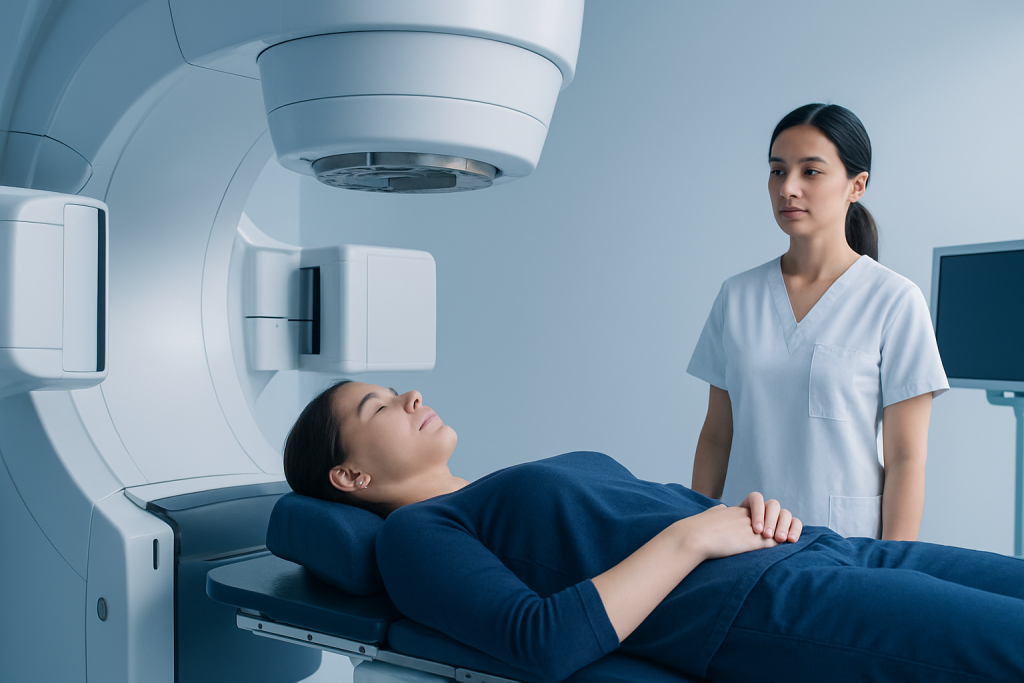
Radiation therapy uses high-energy particles or waves to damage cancer cells so they cannot keep growing and dividing. Treatment planning is individualized and may be used alone or alongside surgery, chemotherapy, immunotherapy, or other cancer care. The aim may be to cure cancer, lower the chance of recurrence, or relieve symptoms.
With external beam radiation, a machine directs radiation toward a carefully planned area of the body. The radiation is delivered during each appointment and does not remain in the body afterward. This is why household radiation precautions are not required for this treatment type.
Internal treatments work differently. Brachytherapy places a radioactive source in or close to a tumor for a defined period. Radioactive iodine is often used in selected thyroid conditions because thyroid cells absorb iodine. Some targeted radiopharmaceuticals circulate through the body and deliver radiation to particular tissues. These treatments may call for temporary practical measures because radiation can be emitted from the body, and small amounts may leave in urine, stool, saliva, sweat, or other body fluids.
Not every person receiving internal radiation needs the same precautions. The care team considers the treatment method, the radioisotope used, kidney function, ability to follow hygiene directions, and whether the person lives with young children, pregnant individuals, or people needing close daily care.
What happens before, during and after radiation treatment

Before radiation therapy, patients usually have planning appointments. These can include imaging scans, positioning measurements, skin markings or small permanent tattoo dots, and discussion of expected benefits and side effects. For external beam treatment, planning helps the team target the treatment area while limiting exposure to nearby healthy tissue.
External beam appointments are generally outpatient visits. The person lies still while the machine moves around them, but the treatment itself is painless. Staff leave the room during radiation delivery to avoid repeated occupational exposure, while monitoring and communication remain available. The session is often short, though setup and positioning may take additional time.
For internal radiation, the process varies. A radioactive source may be inserted temporarily and removed before discharge, placed permanently in selected cases, or administered as a capsule, liquid, or injection. Patients receive instructions about fluids, toileting, laundry, personal items, sexual contact, travel, and contact with others when relevant.
After treatment, the care team schedules follow-up to assess symptoms, treatment response, and recovery. Results may develop gradually because radiation continues to affect treated cancer cells over time. Follow-up scans or blood tests are interpreted in the context of the specific cancer and treatment plan.
Can I be around my family after radiation treatment?
Yes, after external beam radiation treatment, people can generally be around their family normally. The radiation does not stay in the body, so there is no radiation exposure to others once the treatment session ends. Everyday contact, including hugging, sharing a home, preparing food, and being near children, is safe from a radiation perspective.
After internal radiation therapy, the answer depends on the exact treatment. A person may be advised to keep some distance from others for a short period, reduce prolonged close contact, sleep separately, or use additional bathroom and hygiene measures. These precautions are temporary and are designed to keep exposure to others as low as reasonably achievable.
Extra attention is often recommended around pregnant people, babies, and young children because they may be more sensitive to radiation. If a patient is a parent, caregiver, or shares a small home with others, the treatment team can help create a realistic household plan before discharge.
Symptoms such as tiredness, skin redness, bowel changes, or soreness do not mean the patient is radioactive. They are possible effects of treatment on the body and should be managed with the oncology team’s guidance.
Can I sleep with my husband after radiation therapy?
After external beam radiation therapy, sleeping with a spouse or partner is generally safe. There is no radiation left in the body after each session, so sharing a bed does not expose the partner to radiation. Physical closeness can remain an important source of emotional support during treatment.
After radioactive iodine or certain other internal radiation treatments, a clinician may recommend sleeping separately for a limited number of nights. The recommended duration differs according to the treatment and the person’s circumstances. It is particularly important to follow the individual plan if a partner is pregnant or could be pregnant.
Sexual activity may also be affected by fatigue, discomfort, vaginal or urinary irritation, erectile changes, or emotional stress related to cancer care. These concerns are common and can be discussed confidentially with the radiation oncologist or another member of the care team. Patients should use any contraception or pregnancy-avoidance guidance provided for their specific treatment.
What are the hardest days after radiation treatment?
There is no single hardest day for everyone. With a multi-week course of external beam radiation, side effects often build gradually and may be most noticeable toward the end of treatment or during the first one to two weeks afterward. This happens because normal tissues in the treated area can react over time.
Common effects may include fatigue, skin sensitivity in the treatment field, appetite changes, or symptoms related to the body area being treated. For example, radiation to the head and neck can affect the mouth and throat, while pelvic treatment can affect the bladder or bowel. Many early side effects improve in the weeks after treatment ends, although recovery timing varies.
After internal radiation, the first days may be challenging because of temporary precautions, nausea or dryness depending on the treatment, and the practical adjustments of being at home. Planning meals, transport, childcare, and help with household tasks in advance can make this period easier.
Patients should report symptoms that are severe, sudden, worsening, or difficult to manage. The care team can recommend supportive care and determine whether an assessment is needed.
What I wish I knew before radiation
Many people find it helpful to know that radiation treatment is carefully planned, highly individualized, and monitored throughout the course. It is also useful to expect that energy levels may fluctuate. Fatigue can be caused by treatment, travel to appointments, stress, disrupted sleep, anemia, medications, and the cancer itself, so regular rest and accepting practical support can be helpful.
Skin care should be discussed before treatment begins. The treated area may become dry, sensitive, itchy, or red, but the recommended products and routines depend on the body site and treatment plan. Patients should avoid applying new creams, deodorants, powders, adhesive products, or heat and cold packs to the treatment area without asking their team.
It can also help to prepare questions about work, driving, exercise, food, fertility, intimacy, caregiving, and travel. Radiation therapy is often compatible with many daily activities, but adjustments may be needed. Keeping a short record of symptoms and questions can make clinic visits more productive.
Emotional responses are also part of treatment. Anxiety, uncertainty, frustration, and changes in body image or relationships are understandable. Oncology teams can connect patients with nursing support, dietitians, mental health professionals, rehabilitation services, and support groups when needed.
When to seek medical care
Patients should contact their radiation oncology team promptly if they develop severe or rapidly worsening pain, a fever, uncontrolled vomiting, inability to drink fluids, signs of dehydration, new confusion, heavy bleeding, trouble breathing, or severe skin blistering or drainage in the treated area. Urgent symptoms should not wait for a routine follow-up appointment.
People who have received internal radiation should also call their team if they cannot follow the discharge precautions, vomit after receiving a radioactive capsule, have an unexpected hospital admission, or have questions about close contact with a pregnant person, infant, or child. The treatment team can provide treatment-specific advice.
Acibadem International’s multidisciplinary specialists and JCI-accredited hospitals support international patients receiving radiation and cancer care, including individualized guidance for recovery and home safety. A qualified radiation oncologist remains the best source of advice for a person’s exact treatment plan.
Frequently asked questions
Do family members need to wear protective clothing after external beam radiation?
No. External beam radiation does not make the patient radioactive, so family members do not need special clothing, masks, gloves, or separate dishes because of radiation exposure. Standard hygiene may still be appropriate if the patient has another illness or is advised to take precautions for a separate medical reason.
How long do radiation precautions last after radioactive iodine treatment?
The duration varies according to the radioactive iodine dose, living arrangements, and personal clinical factors. The nuclear medicine or endocrinology team gives written instructions that may cover distance from others, sleeping arrangements, bathroom hygiene, laundry, work, and travel. Patients should follow those individualized instructions rather than relying on a general timeline.
Can children visit someone receiving radiation therapy?
Children can usually be around a person receiving external beam radiation therapy without radiation-related restrictions. After internal radiation treatment, temporary limits on close or prolonged contact with children may be recommended. The care team can clarify what is safe for the specific treatment.
Is it safe to share food, utensils and a bathroom after radiation treatment?
After external beam radiation, it is generally safe to share food, utensils, and bathroom facilities normally. Some internal radiation treatments require temporary toilet hygiene and cleaning measures because radioactive material can leave the body in urine or other fluids. The patient should follow the instructions provided at discharge.
Can radiation therapy make a patient tired even though they are not radioactive?
Yes. Fatigue is a common treatment-related symptom and can occur even though external radiation does not remain in the body. Rest, gentle activity when tolerated, adequate nutrition, and discussing persistent fatigue with the care team may help.
Should a patient avoid pregnancy after radiation therapy?
Pregnancy guidance depends on the treatment site, radiation type, other cancer treatments, fertility considerations, and the patient’s sex. Some internal radiation treatments require avoiding pregnancy for a specified period. Patients should discuss contraception, fertility preservation, and future pregnancy plans with their oncology team before or during treatment.
References
- American Cancer Society
- National Cancer Institute
- International Atomic Energy Agency
- Radiological Society of North America
- American Society for Radiation Oncology
This article is for general information only and is not a substitute for professional medical advice. Please consult a qualified doctor about your individual situation.
Oncology care in Turkey — second opinion and treatment plan
JCI-accredited · board-certified surgeons · reply within 24h
Add us as a Preferred Source to see more of our trusted health content across Google Search, AI Overviews and Discover.