Rectovaginal Fistula — Explained by Medical Evidence, Not Myths

A rectovaginal fistula can cause gas, stool, or discharge to pass through the vagina. Common causes include childbirth injury, inflammatory bowel disease, surgery, radiation, infection, or cancer.
Key Takeaways
- A rectovaginal fistula can cause gas, stool, or discharge to pass through the vagina.
- Common causes include childbirth injury, inflammatory bowel disease, surgery, radiation, infection, or cancer.
- Diagnosis usually involves a pelvic examination and may include imaging or endoscopic tests.
- Treatment may include infection control, symptom support, and often surgical repair.
- Early medical assessment can help prevent complications and guide the most appropriate care.
A rectovaginal fistula is an abnormal passage between the rectum and vagina, allowing gas or stool to pass through the vagina. It is a treatable medical condition, but the best treatment depends on the fistula’s cause, size, location, and the health of the surrounding tissue.
What Is a Rectovaginal Fistula?
A rectovaginal fistula is an abnormal connection between the rectum and the vagina. In simple terms, a small tunnel forms between these two structures, which can allow gas, stool, or rectal discharge to pass into the vagina. This is not a normal finding and should be assessed by a qualified doctor.
Although the condition can feel distressing or embarrassing, it is a recognized medical problem with known causes and established treatments. The outlook depends on why the fistula formed, whether there is active inflammation or infection, and how much healthy tissue is available for repair.
Rectovaginal fistulas vary in size and complexity. Some are small and located near the vaginal opening, while others are higher, larger, or associated with underlying disease. This difference matters because it affects how symptoms appear and which treatments are most suitable.
Symptoms and How It May Affect Daily Life
The most common sign of a rectovaginal fistula is passing gas through the vagina. Some women also notice stool leakage, foul-smelling vaginal discharge, or repeated vaginal or urinary tract infections. Symptoms may be constant or may come and go, depending on the fistula’s size and the consistency of the stool.
Other symptoms can include irritation around the vagina or perineum, discomfort during sexual activity, and pain if infection or inflammation is present. In some cases, women first seek care because of recurrent infections, persistent discharge, or a feeling that “something is not right” after childbirth or pelvic surgery.
Beyond the physical symptoms, a rectovaginal fistula can affect confidence, relationships, work, and emotional wellbeing. These effects are real and important. Sensitive, multidisciplinary care can help address both the medical problem and its impact on quality of life.
- Gas leaking from the vagina
- Stool leaking from the vagina
- Persistent vaginal discharge or odor
- Recurrent vaginal or urinary infections
- Pelvic irritation or discomfort
Why a Rectovaginal Fistula Happens

Rectovaginal fistulas can develop for several reasons. One important cause is injury during childbirth, especially after a difficult vaginal delivery, severe perineal tear, or the use of instruments. Tissue damage may reduce blood supply and healing, allowing an abnormal connection to form.
Another major cause is inflammatory bowel disease, particularly Crohn’s disease, which can create deep inflammation and tracts in the bowel and nearby tissues. Surgery involving the rectum, anus, vagina, or pelvis can also lead to a fistula, especially if healing is complicated by infection or poor tissue health.
Less commonly, rectovaginal fistulas may be related to pelvic radiation therapy, abscesses, trauma, or cancers of the rectum, anus, cervix, uterus, or vagina. Infections and reduced blood flow to tissues can also play a role. In some patients, more than one factor is involved, which is why careful evaluation is essential before treatment is planned.
How Doctors Diagnose It
Diagnosis starts with a detailed medical history and a careful physical examination. A doctor will ask about symptoms, childbirth history, prior surgeries, bowel disease, radiation treatment, infections, and any previous attempts at repair. This background helps identify the most likely cause and whether there may be active inflammation.
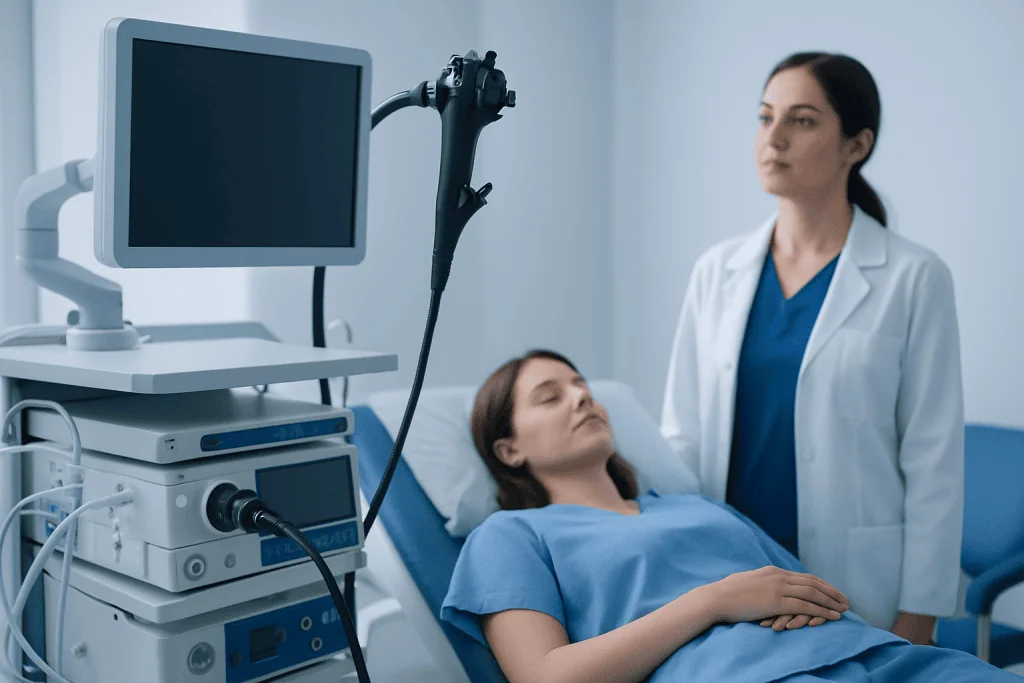
A pelvic and rectal examination can sometimes identify the fistula opening directly. If the opening is small or difficult to locate, doctors may use dye tests, anoscopy, proctoscopy, or endoscopic evaluation to better define the tract and examine surrounding tissue. When bowel disease is suspected, evaluation for ulcerative colitis or Crohn’s disease may be considered as part of the broader assessment.
Imaging studies can be helpful, especially for more complex fistulas. Depending on the case, this may include MRI, CT, endoanal ultrasound, or other specialized studies. If surgery is being considered, the goal of testing is not only to confirm the diagnosis but also to map the fistula clearly, identify infection, and assess the health of nearby muscles and organs.
Treatment Options and What They Aim to Do
Treatment for a rectovaginal fistula is individualized. Doctors consider the fistula’s size, location, cause, how long it has been present, whether infection or active inflammation is present, and whether the tissues have enough blood supply to heal. In some cases, treatment begins by controlling infection, reducing inflammation, and improving tissue condition before a repair is attempted.
If the fistula is related to inflammatory bowel disease, medical treatment of the underlying condition is an important part of care. When surgery is needed, the approach may be vaginal, rectal, perineal, abdominal, or minimally invasive, depending on the anatomy and cause. Some women may require temporary stool diversion to protect the repair in selected situations. Related evaluations or procedures may involve colonoscopy to assess the bowel or gastroenterology care for inflammatory disease management.
Surgical repair aims to close the abnormal connection and restore healthy separation between the rectum and vagina. For complex cases, surgeons may use tissue flaps or other reconstructive techniques to support healing. Because each case is different, it is best for treatment planning to be done by clinicians experienced in colorectal, gynecologic, and pelvic floor conditions.
In specialized centers, care may involve colorectal surgery, gynecology, imaging, and bowel disease specialists working together. Acibadem International’s multidisciplinary specialists in JCI-accredited hospitals diagnose and treat complex pelvic conditions for international patients, including cases that may benefit from robotic surgery in carefully selected situations.
Recovery, Self-Care, and Reducing Irritation
While waiting for treatment or recovering after treatment, self-care focuses on reducing irritation, protecting skin, and supporting bowel regularity. Gentle cleansing, frequent pad changes if needed, and the use of skin-protective products recommended by a clinician may help improve comfort. Strongly scented products are usually best avoided if they worsen irritation.
Bowel management can also matter. For some patients, keeping stools soft and predictable may reduce discomfort and contamination around the area. A doctor may suggest general measures such as adequate hydration, balanced fiber intake, or other individualized bowel guidance, especially if constipation or diarrhea is making symptoms worse.
Emotional support is also important. Because a rectovaginal fistula affects intimate and daily functions, many women benefit from clear explanations, respectful communication, and practical advice during treatment planning and recovery. Patients should not feel they need to manage this condition alone or in silence.
When to Seek Medical Care
Medical care should be sought if gas, stool, or persistent discharge is noticed coming from the vagina. This is not a symptom to ignore, even if it seems mild or intermittent. Early assessment can help identify the cause, treat infection if present, and reduce the chance of ongoing tissue damage.
More urgent evaluation is needed if there is fever, severe pelvic pain, heavy bleeding, worsening swelling, inability to control bowel movements, or signs of dehydration from severe diarrhea. Women who develop symptoms after childbirth, pelvic surgery, radiation treatment, or during a flare of bowel disease should inform their doctor promptly.
Seeking care is also appropriate when symptoms are affecting emotional wellbeing, intimacy, sleep, or daily activities. A rectovaginal fistula is a medical condition, not a personal failing, and patients deserve prompt, compassionate care.
Frequently asked questions
Can a rectovaginal fistula heal on its own?
Some very small fistulas may improve in limited situations, especially if the underlying cause is treated and the tissue is healthy. However, many rectovaginal fistulas do not close on their own and require medical or surgical treatment. A doctor can assess whether observation is reasonable or whether repair is more appropriate.
Is rectovaginal fistula always caused by childbirth?
No. Childbirth injury is one recognized cause, but rectovaginal fistulas can also result from Crohn’s disease, pelvic surgery, radiation, infection, trauma, or cancer. The exact cause matters because it influences both treatment and the chance of recurrence.
What tests are usually needed?
The first step is usually a history and physical examination, including a pelvic and rectal exam. Some patients also need dye testing, endoscopy, or imaging such as MRI or CT to define the tract and evaluate nearby tissues. Additional testing may be needed if inflammatory bowel disease or another underlying condition is suspected.
Is surgery always necessary for rectovaginal fistula?
Not always immediately, but many patients eventually need a procedure to close the fistula. Before surgery, doctors may first treat infection, reduce inflammation, or optimize bowel disease control. The timing and type of repair depend on the cause and the condition of the tissue.
Can rectovaginal fistula come back after treatment?
Yes, recurrence can happen, particularly if there is ongoing inflammation, infection, radiation injury, or complex tissue damage. This is why treatment planning is often multidisciplinary and may involve careful preparation before repair. Follow-up care is important after any treatment.
When should someone see a doctor for possible rectovaginal fistula?
A doctor should be consulted if gas, stool, or ongoing discharge is coming from the vagina, or if there are recurrent infections or unusual odor. Prompt assessment is especially important after childbirth, pelvic surgery, or during active bowel disease. Early evaluation can clarify the diagnosis and guide safe treatment.
References
- American College of Obstetricians and Gynecologists
- National Institute of Diabetes and Digestive and Kidney Diseases
- Mayo Clinic
- National Health Service
- American Society of Colon and Rectal Surgeons
This article is for general information only and is not a substitute for professional medical advice. Please consult a qualified doctor about your individual situation.
Persistent digestive symptoms? Get evaluated in Turkey
JCI-accredited · board-certified surgeons · reply within 24h