Red Nose: An Evidence-Based Guide for Patients

A red nose can result from temporary irritation or from an underlying skin or nasal condition. Rosacea is a common cause of ongoing redness across the nose and central face.
Key Takeaways
- A red nose can result from temporary irritation or from an underlying skin or nasal condition.
- Rosacea is a common cause of ongoing redness across the nose and central face.
- Diagnosis depends on the pattern of redness, associated symptoms, triggers, and skin examination.
- Treatment focuses on the cause and may include skin care changes, trigger avoidance, or prescription therapy.
- Medical review is important if redness is persistent, painful, spreading, or associated with swelling, bleeding, or breathing problems.
A red nose is a common symptom rather than a diagnosis. It is often linked to irritation, weather exposure, allergies, skin conditions such as rosacea, or less often infection, and a clinician can help identify the cause when redness persists or is accompanied by pain, swelling, or skin changes.
Overview: what a red nose usually means
A red nose is usually a sign of irritation, inflammation, or increased blood flow in the skin rather than a disease by itself. In many people, it appears temporarily after cold weather, sun exposure, exercise, spicy food, or emotional stress. In others, it can be more persistent and point to a skin condition such as rosacea, contact dermatitis, eczema, or a local infection.
The nose is especially prone to visible redness because its skin is exposed, richly supplied with blood vessels, and often affected by temperature changes and skincare products. A red nose may involve only the tip, the sides of the nose, or the bridge, and it may occur alone or with flushing, burning, dryness, pimples, swelling, or scaling.
Although many cases are mild, persistent or worsening redness deserves attention because management depends on the cause. A careful history and examination can usually narrow down whether the problem is mainly dermatologic, allergic, infectious, or related to another nasal condition.
Common signs that can accompany a red nose
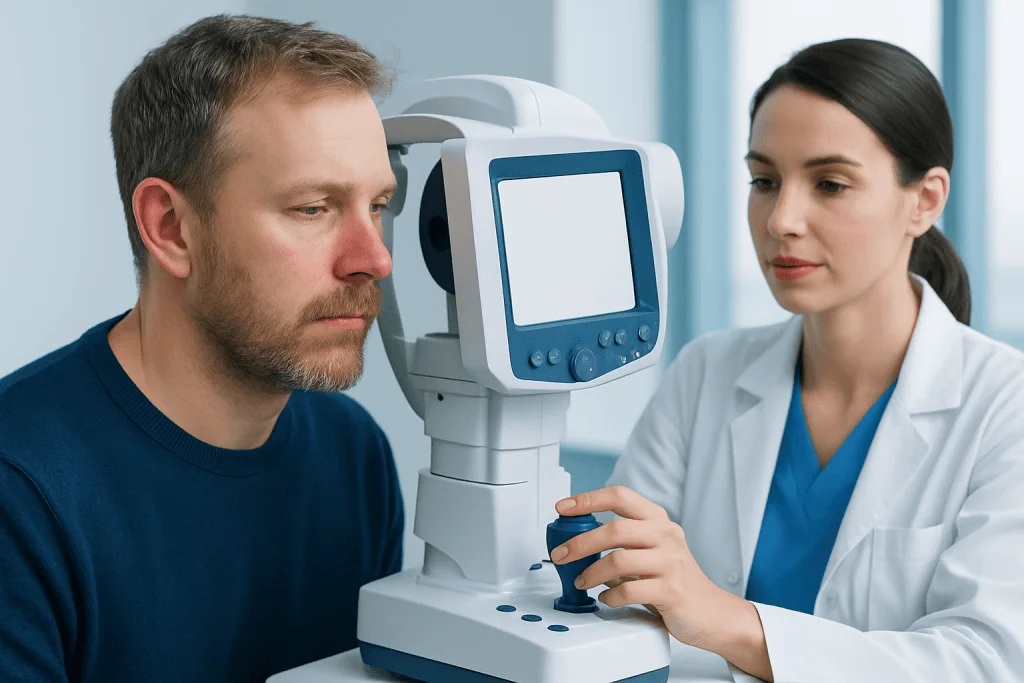
The appearance of a red nose can vary. Some people notice brief flushing that fades on its own, while others develop more constant redness that becomes easier to trigger over time. The skin may also feel warm, tender, dry, or itchy.
Associated features often help identify the cause. For example, rosacea may cause background redness with visible tiny blood vessels and acne-like bumps, while contact irritation may lead to stinging, peeling, or rough patches. Infection is more likely when redness comes with pain, swelling, crusting, pus, or fever.
Symptoms that may occur with a red nose include:
- Flushing after heat, alcohol, stress, or spicy foods
- Burning, stinging, or skin sensitivity
- Dryness, scaling, or cracking
- Itching or rash after using a new product
- Pimples or bumps on the central face
- Swelling or tenderness
- Nasal congestion, sneezing, or watery eyes if allergies are involved
Keeping track of when redness appears, what it feels like, and what else is happening in the skin can make diagnosis easier and help avoid unnecessary treatments.
Why the nose turns red: causes and risk factors

There are several possible causes of a red nose, and more than one can be present at the same time. A very common explanation is simple flushing from cold air, wind, sun, exercise, hot drinks, or emotional stress. This kind of redness is usually temporary and settles once the trigger passes.
Persistent redness is often related to skin conditions. Rosacea is one of the most common causes, especially when the redness affects the center of the face and is triggered by heat, alcohol, sunlight, or spicy foods. People with rosacea may also develop sensitivity, bumps, or visible surface blood vessels. In some cases, untreated long-term changes can thicken the skin of the nose, a form sometimes associated with rosacea.
Other causes include contact dermatitis from skincare products, fragrances, cosmetics, topical medications, masks, or frequent tissue use; eczema or seborrheic dermatitis; acne; sunburn; and insect bites. Allergic rhinitis can make people rub or blow the nose repeatedly, leading to irritation. Less often, redness may reflect bacterial skin infection, fungal infection, lupus-related facial rash, or chronic sinus and nasal problems that need ENT assessment, including sinusitis in selected cases.
Risk factors depend on the cause but can include fair or sensitive skin, frequent sun exposure, harsh skincare routines, extreme temperatures, alcohol, smoking, chronic allergies, and a personal or family history of inflammatory skin conditions.
How doctors evaluate a red nose
Diagnosis usually begins with a medical history and close skin examination. A clinician will ask when the redness started, whether it comes and goes or stays constant, what seems to trigger it, and whether there are symptoms such as itching, pain, burning, congestion, bleeding, or acne-like bumps. Questions about cosmetics, cleansers, steroid creams, new medications, sun exposure, and alcohol use can also be important.
The pattern of redness often gives useful clues. Diffuse central facial redness with flushing may suggest rosacea, while sharply localized tenderness can raise concern for infection or trauma. Scaling around the creases of the nose may point toward dermatitis, and severe dryness or irritation may follow overuse of active skincare ingredients.
Most people do not need extensive testing. However, tests may be considered when the diagnosis is unclear, symptoms are severe, or an allergy, infection, or autoimmune condition is suspected. Depending on the situation, this may involve patch testing for contact allergy, skin swabs or cultures, blood tests, or referral to dermatology or ENT. If internal nasal structure or chronic sinus issues are part of the picture, specialist evaluation may include endoscopic assessment.
Treatment options for a red nose
The best red nose treatment depends on the cause. For temporary flushing or mild irritation, the main approach is gentle skincare and trigger control. This can include a fragrance-free cleanser, regular moisturizer, sunscreen, avoiding very hot water, and reducing exposure to known triggers such as wind, sun, spicy foods, or irritating products.
If rosacea is responsible, treatment may involve prescription creams or gels, oral medication in selected cases, and long-term skin care strategies to calm inflammation. Visible blood vessels or persistent background redness sometimes improve with office-based procedures such as laser treatment when recommended by a specialist. If irritation is caused by dermatitis, management may center on stopping the triggering product and restoring the skin barrier.
Infectious causes need prompt treatment, which may include topical or oral antibiotics depending on severity. Allergic symptoms can improve when the allergy is addressed and nose rubbing is reduced. Structural or chronic nasal inflammation may need ENT care, and some patients benefit from targeted management of underlying nasal disease, including evaluation for sinusitis treatment when symptoms support it.
Patients should avoid self-treating persistent facial redness with strong steroid creams unless a clinician specifically recommends them, because misuse can worsen some conditions, especially rosacea. If symptoms last, recur often, or spread beyond the nose, a qualified doctor should guide treatment.
Self-care, prevention, and daily skin habits
Good daily habits can reduce flare-ups and protect sensitive skin on the nose. Gentle care matters more than using many products. Washing with a mild cleanser, patting the skin dry instead of rubbing, and applying a bland moisturizer can help support the skin barrier and reduce irritation.
Sun protection is especially important because ultraviolet exposure commonly worsens facial redness. A broad-spectrum sunscreen used regularly, along with hats or shade when practical, can help prevent both flare-ups and long-term skin sensitivity. In cold or windy weather, covering the face and using a thicker moisturizer may also help.
Practical prevention tips include:
- Avoid harsh scrubs, strong acids, and heavily fragranced products on the face
- Test new skincare products on a small area first
- Notice food, temperature, stress, or alcohol triggers and limit them when possible
- Blow the nose gently and use soft tissues if allergies or a cold are present
- Manage dryness indoors with adequate hydration and, if needed, a humidified environment
- Do not pick at bumps, crusts, or peeling skin
People with frequent or persistent redness often benefit from keeping a symptom diary. This can show patterns over time and make medical consultations more productive.
When to seek medical care
A red nose is often harmless, but medical review is sensible if it lasts for several weeks, returns repeatedly without a clear trigger, or is becoming more noticeable. A doctor should also assess redness that is painful, swollen, hot to the touch, crusted, or draining, as these can be signs of infection or significant inflammation.
Prompt care is especially important if the redness is linked to trouble breathing through the nose, recurrent nosebleeds, fever, rapidly spreading skin changes, or eye symptoms such as redness, pain, or light sensitivity. Facial skin problems can sometimes involve the eyes, and that needs timely evaluation.
People with ongoing flushing, visible vessels, acne-like bumps, or thickening of the nasal skin may benefit from specialist care to confirm whether rosacea or another chronic skin condition is present. Near the end of the care pathway, multidisciplinary specialists at Acibadem International, in JCI-accredited hospitals, diagnose and treat skin and ENT conditions for international patients when more detailed evaluation is needed.
Frequently asked questions
Why is my nose red all the time?
A constantly red nose can happen when blood vessels remain more visible or the skin stays inflamed. Common reasons include rosacea, chronic irritation from products or tissues, sun damage, dermatitis, or less often infection. If the redness persists, a clinician can help identify the cause and recommend appropriate treatment.
Is a red nose always caused by alcohol?
No. Alcohol can trigger flushing in some people, especially those with rosacea, but it is not the only cause of a red nose. Weather, sun exposure, allergies, irritation, skin conditions, and infection are all possible explanations.
Can allergies make the nose look red?
Yes. Allergies can lead to repeated rubbing, blowing, and irritation around the nose, which may cause redness and soreness. Treating the allergy and using gentle skin care often helps reduce this type of redness.
What is the difference between a red nose from rosacea and from irritation?
Rosacea often causes recurrent flushing, ongoing central facial redness, visible small blood vessels, and sometimes bumps or skin sensitivity. Irritation is more likely to cause stinging, dryness, peeling, or a reaction after a new product or friction. A doctor can distinguish the two when symptoms overlap.
How can someone reduce redness on the nose at home?
Helpful steps include using a gentle fragrance-free cleanser, applying moisturizer, protecting the skin from sun and wind, and avoiding known triggers such as harsh products or very hot water. It is also important not to over-scrub the area. If home care does not help, medical advice is appropriate.
When is a red nose a sign of infection?
Infection becomes more likely if the area is painful, swollen, warm, crusted, or producing pus, especially if symptoms are spreading or accompanied by fever. These features need medical assessment because treatment may be different from that for simple irritation or rosacea.
References
- American Academy of Dermatology
- National Institute of Arthritis and Musculoskeletal and Skin Diseases
- National Health Service
- Mayo Clinic
- American Academy of Otolaryngology–Head and Neck Surgery
This article is for general information only and is not a substitute for professional medical advice. Please consult a qualified doctor about your individual situation.
Explore treatments in Turkey — costs, top hospitals & a free quote
JCI-accredited · board-certified surgeons · reply within 24h