Understanding Stage 4 Lung Cancer Final Weeks: A Complete Patient Guide

Common changes in the final weeks may include profound fatigue, reduced appetite and thirst, more sleep, and less interest in usual activities. Symptoms such as breathlessness, cough, pain, anxiety, and confusion can often be eased with palliative care and careful symptom management.
Key Takeaways
- Common changes in the final weeks may include profound fatigue, reduced appetite and thirst, more sleep, and less interest in usual activities.
- Symptoms such as breathlessness, cough, pain, anxiety, and confusion can often be eased with palliative care and careful symptom management.
- The exact timeline is unpredictable; care is usually guided by comfort, goals, and the person’s wishes rather than by fixed milestones.
- Families can help by creating a calm environment, offering small amounts of food or fluids if desired, and reporting distressing symptoms promptly.
- Urgent medical advice is important for uncontrolled pain, severe breathlessness, sudden confusion, heavy bleeding, or distress that cannot be managed at home.
Stage 4 lung cancer final weeks often bring a gradual decline in energy, appetite, alertness, and physical strength, although each person’s experience is different. Understanding these changes can help patients and families focus on comfort, communication, and practical support.
Overview: What Stage 4 Lung Cancer Final Weeks Often Look Like
Stage 4 lung cancer final weeks often involve a noticeable decline in strength and stamina. Many people spend more time resting or sleeping, eat and drink less, and may speak less than usual. These changes usually reflect the body’s reduced energy needs and the effects of advanced cancer, rather than a lack of effort or will.
No two people experience the final weeks in exactly the same way. Some changes happen gradually over several weeks, while others become more apparent over a few days. The pattern depends on the type of lung cancer, where it has spread, the person’s overall health, and whether they are receiving treatments such as lung cancer treatment, palliative therapies, or hospice support.
For many families, one of the most helpful steps is understanding that comfort-focused care is active medical care. Palliative care aims to relieve symptoms, support emotional needs, and help patients and loved ones make informed decisions. This approach can be provided alongside treatment for advanced disease, including care related to lung cancer.
Common Physical and Emotional Changes in the Final Weeks
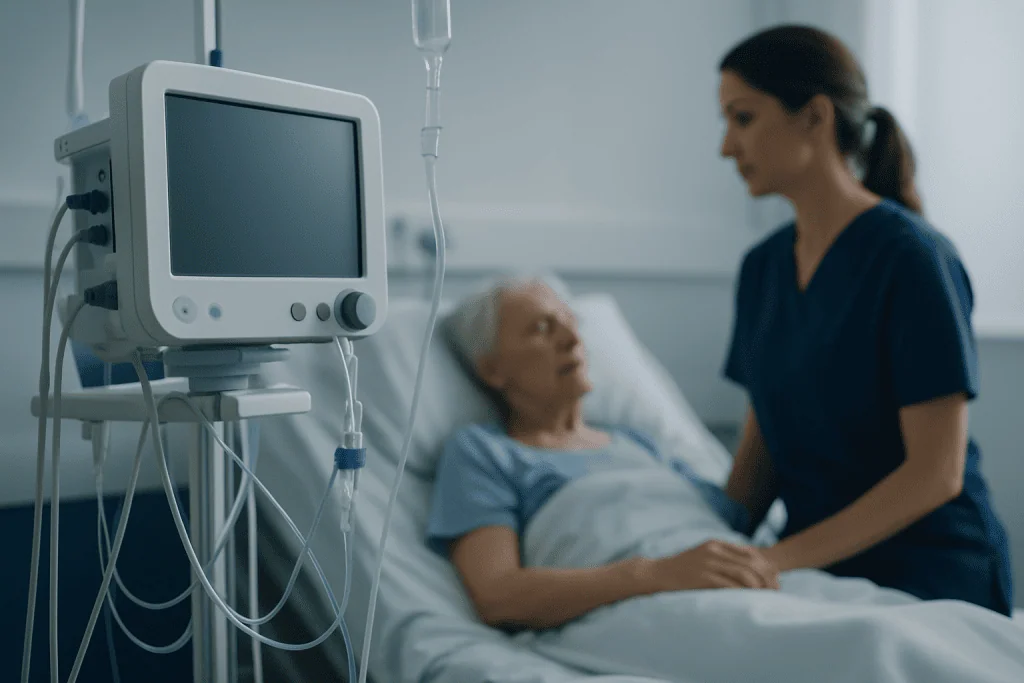
Increasing fatigue is one of the most common changes. A person may spend much of the day in bed or in a chair, need more help with washing or dressing, and have less energy for conversation. Eating often decreases as appetite falls, and even favorite foods may no longer be appealing. This is a common part of the body slowing down.
Breathlessness can become more noticeable, even at rest. Some people also have a persistent cough, chest discomfort, or a feeling of not getting enough air. Positioning, oxygen if prescribed, medications, and calm reassurance can all help. If the cancer has spread, symptoms may also reflect other affected areas, such as headaches, bone pain, or weakness.
Emotional changes are also common. People may become quieter, more inwardly focused, or less interested in daily routines. Anxiety, sadness, or episodes of confusion can happen, especially when sleep is disrupted, oxygen levels are low, or medications need adjustment. Gentle communication and a familiar environment may make these changes easier for patients and families.
- More sleep and less wakeful time
- Less appetite and thirst
- Reduced mobility and greater need for assistance
- Breathlessness, cough, or noisy breathing
- Pain, restlessness, or confusion that may need treatment adjustment
Why These Changes Happen

In advanced lung cancer, the body gradually uses energy differently. Tumor growth, inflammation, reduced lung function, and the strain of serious illness can all contribute to weakness and weight loss. When the body is no longer able to process food and fluids normally, appetite falls and eating less becomes a natural response rather than a cause of decline.
Symptoms may also be influenced by complications of cancer, such as fluid around the lungs, infections, blood clots, or spread to the brain, liver, bones, or adrenal glands. Some people have symptoms from previous treatments, including tiredness, nausea, or nerve-related discomfort. In other cases, the main issue is the cancer itself rather than treatment side effects.
Changes in breathing, circulation, and awareness may become more noticeable as the illness progresses. Families sometimes worry that reduced eating or sleeping more is something they should correct. In most cases, these are expected parts of the final stage, and the care team focuses on relieving discomfort rather than forcing food, fluids, or activity beyond what feels tolerable.
How Doctors Assess the Final Stage
There is no single test that can predict exactly when someone is in the final weeks of life. Doctors usually look at the overall pattern: worsening weakness, spending most of the day in bed, needing help with nearly all activities, eating very little, and increasing drowsiness. They also assess symptoms such as pain, breathing difficulty, agitation, or confusion.
Assessment is often practical and focused on goals of care. The team may review whether further scans, blood tests, or hospital-based interventions would change treatment decisions or simply add burden. In many cases, the most useful medical review centers on symptom control, home support, and whether hospice or specialized palliative care services would help.
These conversations can feel difficult, but they are important. Clear discussions about the likely course of illness, preferred place of care, advance directives, and emergency plans can reduce uncertainty. When needed, specialists in medical oncology and palliative care work together to align treatment with the patient’s wishes.
Supportive Care and Treatment in the Final Weeks
The main goal in the final weeks is comfort. Treatment plans often focus on easing breathlessness, pain, cough, nausea, constipation, anxiety, and agitation. This may include medications, oxygen in selected cases, breathing-position strategies, mouth care, and pressure-area care for someone who is spending most of the time in bed.
Palliative care is not the same as giving up. It is specialized medical support for symptom relief and quality of life at any stage of serious illness. In the last weeks, palliative care can become the central form of treatment. For some people, hospice services provide added nursing support, equipment, and guidance for families at home.
Occasionally, targeted treatments may still be used if they are likely to improve comfort quickly, such as radiation oncology for painful bone metastases or troublesome airway symptoms. However, if the burdens of treatment outweigh likely benefit, the care team may recommend concentrating fully on symptom relief, emotional support, and dignity-focused care.
Near the end of life, practical comfort measures matter greatly. Gentle repositioning, moistening the mouth, keeping the room calm, and speaking in a reassuring way can all help. Even when a person seems less responsive, many clinicians believe hearing may persist, so kind and simple communication remains valuable.
Self-care, Family Support, and Planning Ahead
Patients and families often benefit from simple, realistic expectations. Small sips, ice chips, or favorite soft foods can be offered if the person wants them, but forcing intake usually causes more discomfort. Rest should be respected, while opportunities for quiet connection, music, touch, or brief conversations can still be meaningful.
Caregivers should not feel they must manage everything alone. Asking for help with nursing care, medications, equipment, transport, or emotional support can reduce stress. Keeping a written list of medicines, symptoms, and emergency contacts may make the situation easier to navigate, especially during nights and weekends.
Planning ahead can also be reassuring. Important topics may include who should be called if symptoms worsen, whether the patient wishes to remain at home if possible, and what hospital treatments they would or would not want. Near the end of care planning, some families seek guidance from experienced centers; Acibadem International’s multidisciplinary specialists and JCI-accredited hospitals diagnose and treat international patients with advanced cancer and can help coordinate supportive care discussions when needed.
When to Seek Medical Care
Even in comfort-focused care, some symptoms need prompt medical attention. Families should contact the care team urgently if there is severe breathlessness, chest pain, uncontrolled pain, major agitation, new seizures, sudden confusion, heavy bleeding, or a fall with injury. These problems may be treatable and can often be eased quickly with medical support.
Medical advice is also important if medications can no longer be swallowed, if the person appears distressed despite the current plan, or if caregivers feel unable to manage safely at home. Hospice or palliative teams can often adjust treatment, arrange equipment, or guide next steps without delay.
If there is uncertainty about whether a symptom is part of the expected course or something new and treatable, it is reasonable to ask. Good end-of-life care includes timely reassessment. Patients with complex breathing problems may also be supported by specialists familiar with lung diseases when symptom management needs a broader respiratory approach.
Frequently asked questions
How long do the final weeks of stage 4 lung cancer usually last?
There is no exact timetable. In some people, decline happens gradually over several weeks, while in others it becomes more obvious over days. Doctors usually look at overall patterns, such as increasing weakness, less eating, and more sleep, rather than trying to predict a precise date.
What are common signs that someone may be in the final weeks?
Common signs include profound tiredness, sleeping much more, less appetite and thirst, reduced mobility, and needing more help with daily activities. Some people also have more breathlessness, confusion, or less interest in conversation. These changes vary from person to person.
Is it normal for a person to stop eating much in the final stage?
Yes. As the body slows down, it often needs and tolerates less food and fluid. Families can offer small amounts if the person wants them, but forcing intake is usually uncomfortable and does not reverse the underlying illness.
Can breathlessness be relieved in advanced lung cancer?
Often, yes. Breathlessness may be eased with medications, positioning, relaxation, cool airflow, and oxygen in selected cases if prescribed. A palliative care team can be especially helpful in finding practical ways to reduce distress.
What is the difference between palliative care and hospice?
Palliative care focuses on symptom relief and quality of life at any stage of serious illness and can be given alongside cancer treatment. Hospice is generally used when care is mainly comfort-focused and life expectancy is thought to be limited. Both aim to support the patient and family.
When should family members call the doctor or nurse urgently?
Urgent advice is important for severe breathlessness, uncontrolled pain, heavy bleeding, new seizures, sudden confusion, or distress that cannot be managed at home. Caregivers should also call if medicines can no longer be taken or if they feel overwhelmed and need immediate support.
References
- National Cancer Institute
- American Cancer Society
- National Health Service
- World Health Organization
- American Society of Clinical Oncology
This article is for general information only and is not a substitute for professional medical advice. Please consult a qualified doctor about your individual situation.
Lung Cancer in Turkey — costs, top hospitals & a free quote
JCI-accredited · board-certified surgeons · reply within 24h

More from the Health Library


Related Specialists

Dr. Samprie Ouzoun
Cardiology
Dr. Süheyla Tak
Emergency Service
Prof. Dr. Mert İlker Hayıroğlu
Cardiology
Dr. Ulambadrakh Khenchbish
Orthopedic Surgery & Traumatology