Robotic Surgery: Candidacy, Procedure Steps, and Recovery Timeline
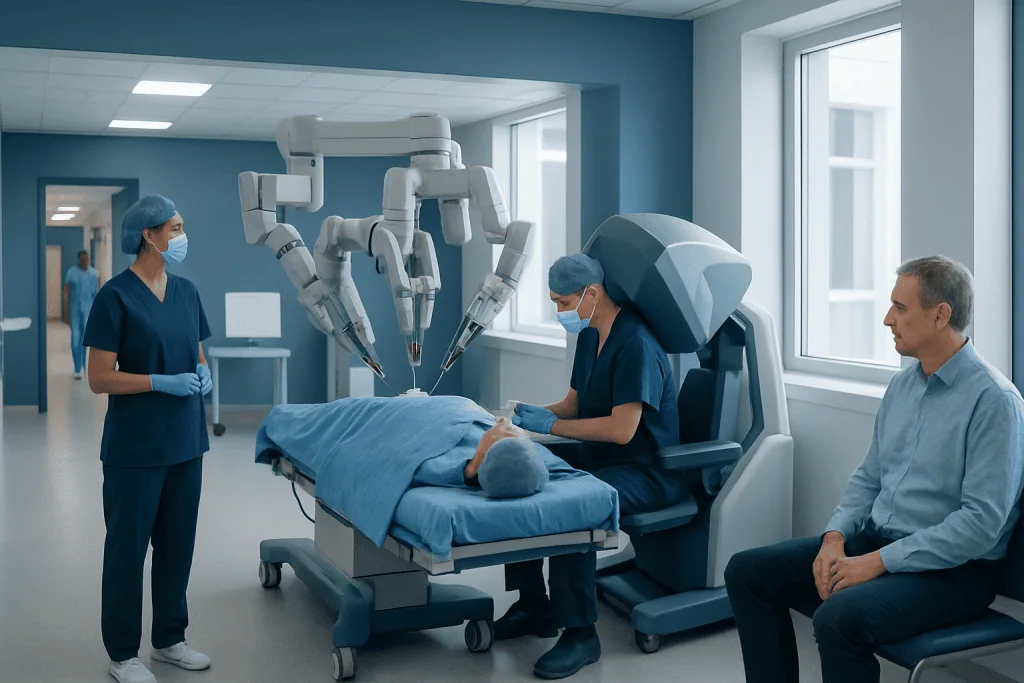
Robotic surgery is performed by a surgeon using robotic arms and a high-definition camera; the robot does not operate on its own. It is used for selected procedures in areas such as urology, gynecology, general surgery, thoracic surgery, and some cancer operations.
Key Takeaways
- Robotic surgery is performed by a surgeon using robotic arms and a high-definition camera; the robot does not operate on its own.
- It is used for selected procedures in areas such as urology, gynecology, general surgery, thoracic surgery, and some cancer operations.
- Candidates are chosen based on the type of surgery, medical history, body anatomy, and whether minimally invasive access is safe.
- Recovery is often quicker than with open surgery, but timelines vary by procedure, age, and overall health.
- Benefits can include precision, smaller incisions, and shorter hospital stay, while risks include bleeding, infection, anesthesia risks, and the possibility of conversion to open surgery.
Robotic surgery is a type of minimally invasive surgery in which a surgeon controls robotic instruments from a console to perform precise operations through small incisions. It may offer less pain, smaller scars, and a faster recovery for suitable patients, but candidacy depends on the condition being treated, overall health, and surgical goals.
Overview: what robotic surgery is and how it works
Robotic surgery is a form of minimally invasive surgery that allows a surgeon to perform an operation using small instruments attached to robotic arms. The surgeon sits at a nearby console and controls every movement in real time while viewing the surgical field through a magnified, high-definition 3D camera. This approach can support very precise movements, especially in small or hard-to-reach areas of the body.
Despite the name, robotic surgery is not performed independently by a machine. The robotic system does not make decisions, diagnose conditions, or act without the surgeon’s input. It is a sophisticated tool that translates the surgeon’s hand motions into fine instrument movements, often with improved range of motion and reduced hand tremor.
Robotic techniques are used in a wide range of specialties, including urology, gynecology, colorectal surgery, general surgery, thoracic surgery, and some oncologic procedures. In practice, this may include operations such as robotic surgery, selected prostate cancer surgery, and some forms of colon cancer surgery when the patient and procedure are appropriate.
Who may be a candidate for robotic surgery
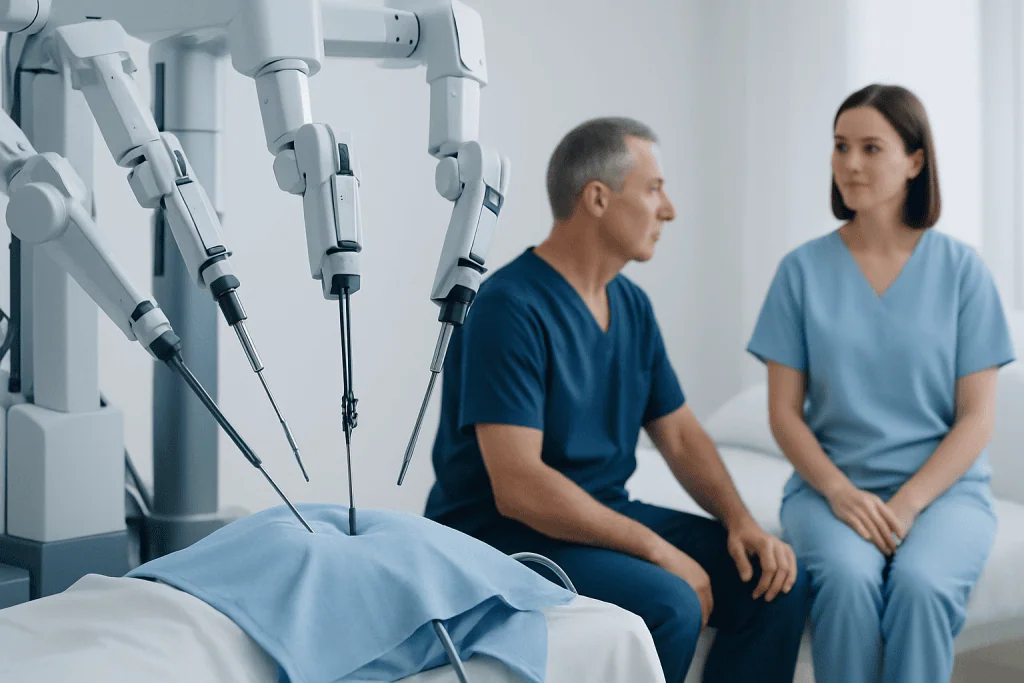
Not every patient or every operation is suited to robotic surgery. Candidacy depends first on the condition being treated and whether the planned procedure can be performed safely through a minimally invasive approach. Some operations benefit greatly from robotic access, while others may be better managed with standard laparoscopy, endoscopy, or open surgery.
Doctors also consider the patient’s general health. Heart and lung function, previous abdominal or pelvic surgeries, scar tissue, body size, bleeding risk, infections, and the ability to tolerate general anesthesia all matter. In some cases, a patient may be medically eligible for surgery but not for the robotic approach if access is limited or safety concerns are present.
Robotic surgery may be considered for some people with conditions such as prostate cancer or colon cancer, among many other diagnoses. The final decision is individualized and usually made after imaging, blood tests, and a detailed discussion of the expected benefits, alternatives, and possible need to switch to an open operation during surgery if necessary.
How the procedure is planned before surgery
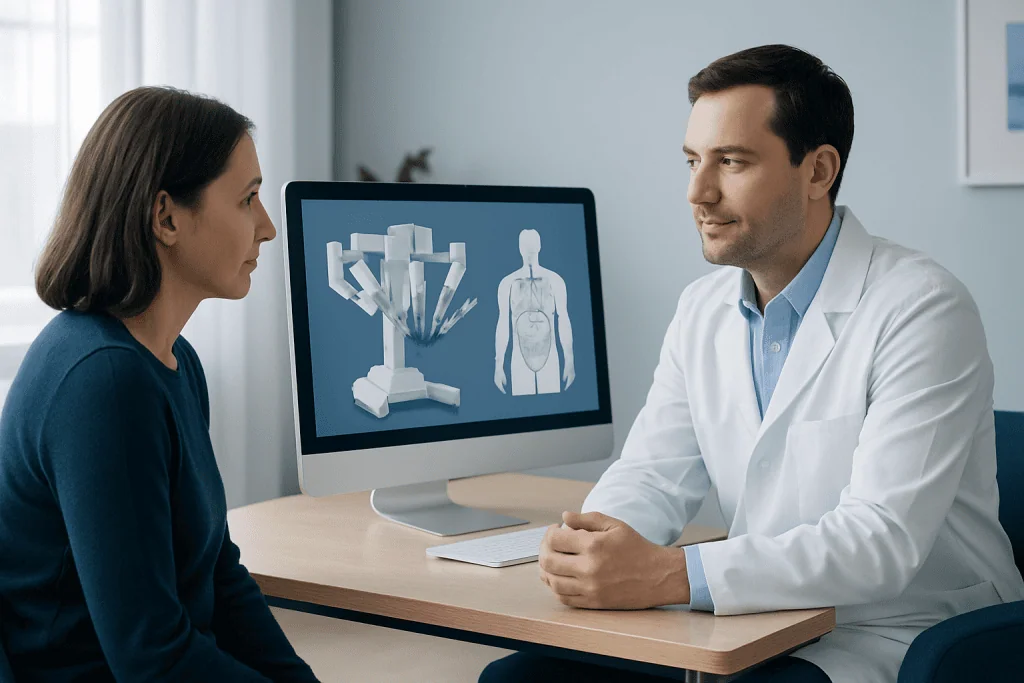
Preparation for robotic surgery usually begins with a surgical consultation, review of symptoms, imaging, and routine preoperative tests. Depending on the planned operation, this may include blood work, electrocardiography, chest imaging, ultrasound, CT, MRI, or endoscopic evaluation. The surgeon explains the goals of the procedure, likely recovery, and possible alternatives.
Patients are commonly advised about medication changes before surgery. Blood thinners, some diabetes medicines, and certain supplements may need to be adjusted under medical supervision. Fasting instructions are typically given for the night before surgery, and smoking cessation is strongly encouraged because it can improve healing and reduce anesthesia-related complications.
It is also important to plan for practical recovery needs in advance. Patients may be asked to arrange transportation home, prepare a list of current medications, and understand when they can return to work, driving, exercise, and lifting. For operations involving cancer care or multiple body systems, planning may involve a multidisciplinary team of surgeons, anesthesiologists, radiologists, and other specialists.
Step by step: what happens during robotic surgery
On the day of surgery, the patient is admitted, examined, and prepared for the operating room. Robotic surgery is usually performed under general anesthesia, so the patient is asleep and pain-free during the operation. Once anesthesia is given, the surgical team positions the patient carefully and prepares the skin in a sterile manner.
The surgeon makes several small incisions, depending on the procedure. Through these openings, ports are placed for the camera and instruments. The robotic system is then positioned, a process sometimes called docking. The surgeon controls the robotic arms from a console while assistants at the bedside help with instrument exchange, suction, and other tasks.
During the operation, the surgeon uses foot pedals and hand controls to guide the camera and instruments with high precision. The robotic system can help with delicate dissection, suturing, and work around nerves and blood vessels. When the procedure is complete, the instruments are removed, the incisions are closed, and the patient is moved to a recovery area for monitoring.
- Admission and anesthesia
- Small incisions and port placement
- Docking of the robotic system
- Surgeon-controlled operation at the console
- Removal of instruments and closure of incisions
- Recovery room observation
Benefits, limits, and possible risks
One reason robotic surgery is widely discussed is that it may offer several practical advantages in selected cases. Smaller incisions can mean less tissue disruption, reduced blood loss, smaller scars, and shorter hospital stays. Some patients also experience less postoperative pain and return to daily activities more quickly than they might after traditional open surgery.
Another potential advantage is surgical precision. A magnified 3D view and wristed instruments may help the surgeon work accurately in confined spaces. This can be useful in pelvic, urologic, gynecologic, and colorectal procedures, or in operations where preserving surrounding structures is important.
However, robotic surgery is not automatically better for every person or every condition. Outcomes depend heavily on the type of procedure, the stage or complexity of disease, and the experience of the surgical team. Risks are similar to those of other major operations and can include bleeding, infection, pain, blood clots, anesthesia complications, injury to nearby organs, and the need to convert to open surgery if visibility or safety becomes a concern.
Patients should also understand that recovery may still be significant even when incisions are small. Internal healing takes time, and restrictions on lifting, work, exercise, and travel may still apply. A clear discussion with the surgeon helps set realistic expectations.
Recovery timeline after robotic surgery
Recovery after robotic surgery varies by procedure, age, general health, and whether any complications occur. In many cases, patients begin walking on the same day or the day after surgery. Fluids are introduced first, followed by food as tolerated. Pain is usually managed with medication, and many patients leave the hospital earlier than they would after an open operation, though some surgeries still require a longer stay.
During the first 1 to 3 days, common experiences include tiredness, mild swelling, incision discomfort, sore throat from anesthesia, and temporary changes in bowel function. By the end of the first 1 to 2 weeks, many people are able to do light daily activities at home, but they may still need to avoid driving, strenuous exercise, and heavy lifting unless their surgeon advises otherwise.
Over the next 2 to 6 weeks, energy and mobility usually improve steadily. Return to desk work may be possible earlier for some patients, while physically demanding jobs often require more time. Full recovery can take several weeks or longer, especially after cancer surgery or complex procedures. Follow-up appointments are important to review healing, pathology results if relevant, and next steps in care.
Patients should follow their discharge instructions carefully, including wound care, bathing guidance, walking recommendations, bowel management, and medication use. If robotic surgery is part of broader treatment for a condition such as uterine cancer, recovery planning may also include oncology follow-up or additional therapy.
Self-care after surgery and when to seek medical care
At home, recovery is usually supported by gentle movement, hydration, adequate protein intake, and careful wound care. Walking several times a day can help circulation and bowel function, while rest remains important. Patients should avoid smoking and follow advice on lifting, driving, work, and sexual activity based on the procedure they had.
It is sensible to keep the incision sites clean and dry, take medicines exactly as prescribed, and attend all follow-up visits. People should not restart blood thinners, supplements, or intense exercise on their own without medical guidance. Emotional recovery also matters; feeling tired or needing extra support at home for a short time is common after surgery.
Medical review is needed promptly if there is fever, worsening redness or drainage at the incision, severe or increasing pain, shortness of breath, chest pain, persistent vomiting, leg swelling, or inability to pass urine or stool when expected. These symptoms do not always mean a serious complication, but they should not be ignored.
For patients seeking coordinated care, Acibadem International’s multidisciplinary specialists and JCI-accredited hospitals evaluate and treat suitable cases for international patients, including advanced minimally invasive procedures such as robotic surgery.
Frequently asked questions
Is robotic surgery the same as traditional laparoscopic surgery?
Both are minimally invasive and usually use small incisions, a camera, and long instruments. Robotic surgery differs because the surgeon controls robotic arms from a console, which can provide a magnified 3D view and more flexible instrument movement for selected procedures.
Does the robot perform the operation by itself?
No. The surgeon is in control throughout the operation and directs every movement of the robotic instruments. The robotic system is a surgical tool, not an independent decision-maker.
Who is not a good candidate for robotic surgery?
Some patients may not be suitable because of the type of disease, extensive scar tissue from prior surgery, severe obesity in certain settings, unstable medical conditions, or inability to tolerate general anesthesia. In other cases, an open or standard laparoscopic approach may simply be safer or more effective.
How long does it take to recover from robotic surgery?
Recovery depends on the operation and the individual patient. Many people resume light activity within days to 2 weeks, but full recovery may take several weeks or longer, especially after complex surgery.
Is robotic surgery less painful?
It can be less painful than open surgery for some patients because it usually involves smaller incisions and less tissue disruption. Even so, pain levels vary, and some discomfort, fatigue, and temporary limitations are normal during healing.
Can robotic surgery be used for cancer treatment?
Yes, it is used in selected cancer operations when it is appropriate for the tumor type, location, and stage. The goal is the same as with other surgical methods: safe and effective removal of disease while protecting nearby structures whenever possible.
References
- National Institutes of Health
- American College of Surgeons
- National Cancer Institute
- Mayo Clinic
- Society of American Gastrointestinal and Endoscopic Surgeons
This article is for general information only and is not a substitute for professional medical advice. Please consult a qualified doctor about your individual situation.
Explore treatments in Turkey — costs, top hospitals & a free quote
JCI-accredited · board-certified surgeons · reply within 24h

More from the Health Library



Related Specialists

Prof. Dr. Hakan Ağır
Aesthetic Plastic & Reconstructive Surgery
Dr. İhsan Güney
Anesthesiology
Dr. Eda Albayrak
Pediatrics
Asst. Prof. Dr. Zeynep Güral
Radiation Oncology