

Secondary Hypothyroidism: A Complete Medical Overview

Secondary hypothyroidism happens when the thyroid does not receive enough stimulation from the pituitary gland or hypothalamus. Symptoms may include fatigue, weight gain, cold intolerance, constipation, dry skin, and slowed thinking, but blood test patterns differ from primary hypothyroidism.
Key Takeaways
- Secondary hypothyroidism happens when the thyroid does not receive enough stimulation from the pituitary gland or hypothalamus.
- Symptoms may include fatigue, weight gain, cold intolerance, constipation, dry skin, and slowed thinking, but blood test patterns differ from primary hypothyroidism.
- Diagnosis usually relies on free T4 levels, thyroid-stimulating hormone interpretation, and evaluation for pituitary disease.
- Treatment typically involves levothyroxine, with dose monitoring based mainly on free T4 rather than TSH alone.
- Doctors may also look for other hormone deficiencies or pituitary causes such as tumors, surgery, radiation, or inflammation.
- Prompt medical review is important if symptoms are persistent, severe, or linked with headaches, vision changes, or multiple hormonal problems.
Secondary hypothyroidism is a form of underactive thyroid caused by reduced signaling from the pituitary gland or hypothalamus, rather than a problem within the thyroid itself. It can cause symptoms similar to primary hypothyroidism, but diagnosis and treatment require careful hormone testing and evaluation of the brain-pituitary system.
What secondary hypothyroidism is
Secondary hypothyroidism is a type of underactive thyroid in which the thyroid gland itself may be structurally normal, but it does not receive enough hormonal stimulation from the pituitary gland. The pituitary usually releases thyroid-stimulating hormone, or TSH, which tells the thyroid to make thyroid hormones. When this signaling is reduced, thyroid hormone levels fall.
This condition is also often grouped under the broader term central hypothyroidism, which includes problems arising from the pituitary gland and, less commonly, the hypothalamus. The hypothalamus helps control the pituitary by releasing thyrotropin-releasing hormone. If either part of this control system is not working properly, thyroid hormone production can become too low.
Secondary hypothyroidism is different from primary hypothyroidism, which is much more common and results from disease in the thyroid gland itself. In primary hypothyroidism, TSH is usually high because the pituitary is trying to stimulate a failing thyroid. In secondary hypothyroidism, TSH may be low, normal, or only slightly abnormal, so the diagnosis can be missed if testing focuses on TSH alone.
How it affects the body and common symptoms
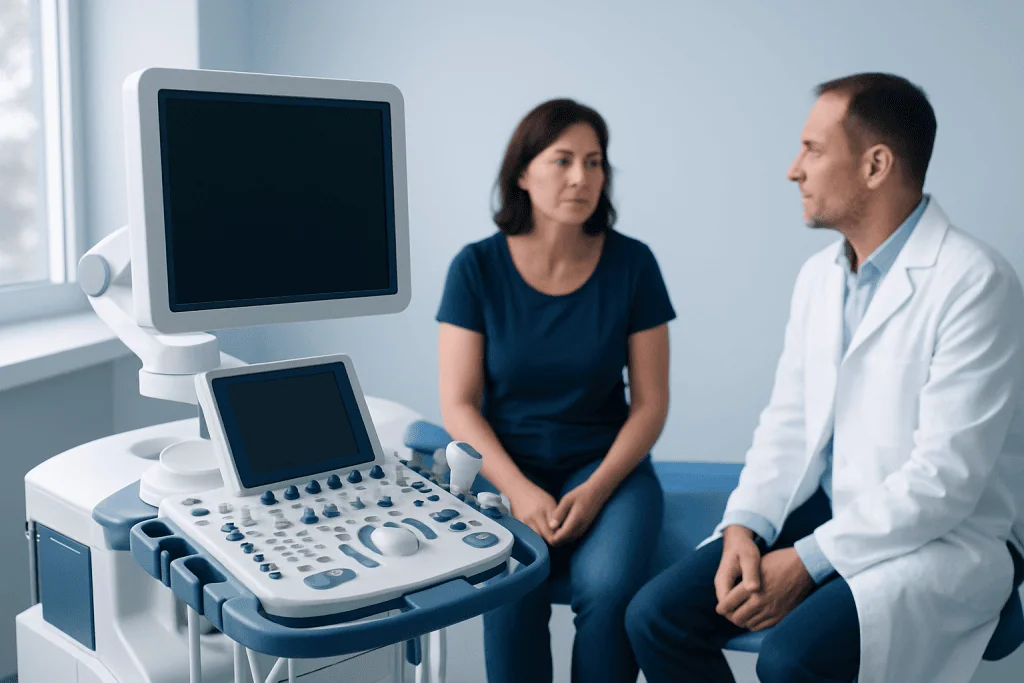
Thyroid hormones help regulate metabolism, energy use, body temperature, heart rate, digestion, and many aspects of brain and muscle function. When levels are too low, body processes slow down. This can happen gradually, so symptoms may develop over time and be mistaken for stress, aging, depression, or other health issues.
Many people with secondary hypothyroidism have symptoms similar to those seen in other forms of hypothyroidism. Common symptoms can include:
- Fatigue or low energy
- Feeling unusually cold
- Weight gain or difficulty losing weight
- Constipation
- Dry skin or hair changes
- Slowed thinking, poor concentration, or memory difficulties
- Low mood
- Muscle weakness or cramps
- Hoarseness
- Menstrual changes or fertility problems
Because the pituitary gland controls several hormones, symptoms may not be limited to thyroid hormone deficiency. Some people also have low sex hormones, adrenal hormone problems, low growth hormone, or changes in milk production. Headaches, visual symptoms, loss of libido, or irregular periods may suggest that a pituitary disorder is affecting more than one hormone system.
Causes and risk factors

Secondary hypothyroidism develops when the pituitary gland does not make enough TSH, or when the hypothalamus does not properly regulate pituitary function. Causes can include benign or malignant pituitary tumors, previous pituitary or brain surgery, radiation treatment to the head area, inflammation, infection, trauma, bleeding into the pituitary, or certain infiltrative diseases. Some cases are present from birth, while others are acquired later in life.
Medicines and severe illness can also influence pituitary-thyroid signaling, although doctors must distinguish these temporary changes from true secondary hypothyroidism. In some patients, the exact cause is only found after a broader endocrine evaluation and imaging studies. A known history of pituitary disease should raise suspicion if hypothyroid symptoms develop.
People may be at higher risk if they have a diagnosed pituitary mass, previous neurosurgery, prior cranial radiation, postpartum pituitary injury, or other pituitary hormone deficiencies. In practical terms, a person with symptoms of an underactive thyroid plus headaches, visual field changes, or unexplained hormonal abnormalities needs careful assessment for a central cause rather than assuming ordinary thyroid disease.
When a structural pituitary problem is suspected, doctors may evaluate for related conditions such as pituitary tumors, since management depends on the underlying cause as well as thyroid hormone replacement.
How diagnosis differs from ordinary thyroid disease
Diagnosis can be more complex than in primary hypothyroidism. In many routine thyroid screenings, TSH is the main test. However, in secondary hypothyroidism, TSH may not rise appropriately even when thyroid hormone levels are low. For this reason, doctors usually look closely at free T4 and sometimes free T3, together with the full clinical picture.
A typical pattern is a low free T4 with a low, normal, or inappropriately normal TSH. This pattern suggests the thyroid is underactive because it is not being properly stimulated. The doctor may then investigate the pituitary and hypothalamus, especially if there are symptoms pointing to broader hormone imbalance.
Further evaluation may include blood tests for cortisol, ACTH, prolactin, LH, FSH, sex hormones, insulin-like growth factor 1, and other endocrine markers. Imaging, particularly MRI of the pituitary region, is often used when central hypothyroidism is suspected. Visual field testing may also be needed if a pituitary mass is pressing on nearby structures.
Because adrenal insufficiency can occur alongside pituitary disease, clinicians often check adrenal function before starting thyroid hormone treatment. This is important because replacing thyroid hormone without addressing low cortisol can worsen symptoms and create a medical emergency in some patients.
Treatment options and long-term follow-up
The standard treatment for secondary hypothyroidism is thyroid hormone replacement, usually with levothyroxine. The goal is to restore thyroid hormone levels to an appropriate range and improve symptoms. Unlike primary hypothyroidism, dose adjustment is generally guided mainly by free T4 levels and the patient’s clinical response, rather than by TSH alone, because TSH may remain unreliable.
Treatment also involves identifying and managing the underlying cause. If a pituitary tumor or another brain-pituitary disorder is present, care may include endocrinology, neurosurgery, radiology, and ophthalmology input. Depending on the cause, management could involve observation, medication, surgery, or radiation. In selected cases, patients may need pituitary surgery as part of treatment for the source of the hormone problem.
If other pituitary hormones are low, those may also need replacement. For example, adrenal hormone deficiency must be addressed carefully and often before thyroid hormone is started. This is one reason specialist evaluation matters in central hypothyroidism, especially when symptoms are broad or complex.
Ongoing follow-up is important because hormone needs can change over time. Doctors usually monitor symptoms, free T4 levels, and related endocrine issues at regular intervals. If the cause involves the pituitary region, a patient may also need periodic imaging or review with specialists in endocrinology and metabolic diseases.
Daily management, self-care, and living well
Most people with secondary hypothyroidism can live well with appropriate treatment and follow-up. Taking thyroid medicine exactly as prescribed helps keep hormone levels stable. Patients are often advised to take levothyroxine consistently, and to ask their doctor or pharmacist about timing with food, supplements, or other medicines that may affect absorption.
Self-care does not replace medical treatment, but it can support overall wellbeing. Helpful measures include regular sleep, balanced nutrition, physical activity suited to energy levels, and review of any ongoing symptoms such as constipation, low mood, or weight changes. Because improvement may be gradual, tracking symptoms over several weeks can help guide follow-up discussions.
It is also useful to understand that symptoms alone are not always specific. Fatigue or weight change can have many causes, and some symptoms may persist even after thyroid levels improve. A doctor may look for anemia, sleep disorders, depression, medication side effects, or other endocrine conditions if progress is incomplete.
For people with known pituitary conditions, keeping regular appointments is especially important. Management may overlap with care for related endocrine disorders such as hypothyroidism more broadly, but secondary hypothyroidism needs its own monitoring approach because TSH is not the main treatment target.
When to seek medical care
Medical advice should be sought if symptoms of an underactive thyroid are persistent, worsening, or affecting daily life. This includes ongoing fatigue, unexplained weight gain, constipation, dry skin, menstrual changes, reduced exercise tolerance, or slowed thinking. A healthcare professional can decide whether standard thyroid testing is enough or whether more detailed endocrine evaluation is needed.
More urgent medical review is important if symptoms are accompanied by severe headaches, changes in vision, fainting, very low blood pressure, confusion, or signs of several hormone problems at once. These features can suggest a pituitary disorder that needs prompt assessment.
Anyone with a history of pituitary surgery, radiation, brain injury, or a known pituitary lesion should mention this during evaluation for thyroid symptoms. Near the end of the care pathway, some patients may benefit from multidisciplinary assessment; Acibadem International’s specialists in endocrinology, neurosurgery, and imaging at JCI-accredited hospitals diagnose and treat secondary hypothyroidism and related pituitary conditions for international patients.
Seeking help early can make diagnosis clearer and treatment safer. A qualified doctor can interpret hormone results in context and make sure important associated conditions, especially adrenal insufficiency, are not overlooked.
Frequently asked questions
What is the difference between secondary hypothyroidism and primary hypothyroidism?
Primary hypothyroidism begins in the thyroid gland itself, which cannot make enough hormone despite being stimulated. Secondary hypothyroidism happens when the pituitary gland does not send enough TSH to the thyroid, so the thyroid is underactive because of reduced signaling. This difference changes how doctors interpret blood tests and monitor treatment.
Can TSH be normal in secondary hypothyroidism?
Yes. In secondary hypothyroidism, TSH can be low, normal, or only mildly abnormal even when thyroid hormone levels are low. That is why doctors often rely more on free T4 and the overall clinical picture rather than TSH alone.
What causes secondary hypothyroidism?
Common causes include pituitary tumors, pituitary or brain surgery, radiation to the head, inflammation, injury, or disorders affecting the hypothalamus or pituitary gland. Some people also have other pituitary hormone deficiencies at the same time. The exact cause usually requires endocrine testing and sometimes MRI imaging.
Is secondary hypothyroidism treatable?
Yes, it is usually treatable. Most patients need thyroid hormone replacement, and many feel better once hormone levels are corrected. Treatment may also include care for the underlying pituitary or hypothalamic problem and replacement of other missing hormones if needed.
How is secondary hypothyroidism monitored over time?
Doctors usually monitor free T4 levels and symptoms rather than depending only on TSH. Follow-up may also include checking other pituitary hormones and repeating imaging if a pituitary condition is present. The schedule depends on the cause, the stability of hormone levels, and the person’s symptoms.
Can secondary hypothyroidism affect fertility or menstrual cycles?
Yes. Low thyroid hormone can contribute to menstrual irregularities and fertility problems, and pituitary disorders may also affect reproductive hormones directly. Proper diagnosis is important because treatment may involve more than thyroid hormone alone.
References
- American Thyroid Association
- National Institute of Diabetes and Digestive and Kidney Diseases
- European Thyroid Association
- Endocrine Society
- Merck Manual Professional Edition
This article is for general information only and is not a substitute for professional medical advice. Please consult a qualified doctor about your individual situation.
Hypothyroidism in Turkey — costs, top hospitals & a free quote
JCI-accredited · board-certified surgeons · reply within 24h
Add us as a Preferred Source to see more of our trusted health content across Google Search, AI Overviews and Discover.
Check your numbers in seconds
BMI, calories, due date, blood pressure and 30+ more clinical calculators — free, instant, doctor-reviewed ranges.

Check-up & Preventive Medicine
Comprehensive health screenings designed for early detection and prevention.
3 specialists in this unitMore from the Health Library



Related Specialists
Dr. Hasan Kendirli
Emergency Service
Fzt. Yaren Yıldız
Physical Medicine and Rehabilitation
Dt. Akif Aydın Şen
Oral & Dental Health
Dr. Şirin Parkan
Acibadem Life Clinical Service