Sjs Treatment: How It Works, Results and What to Expect
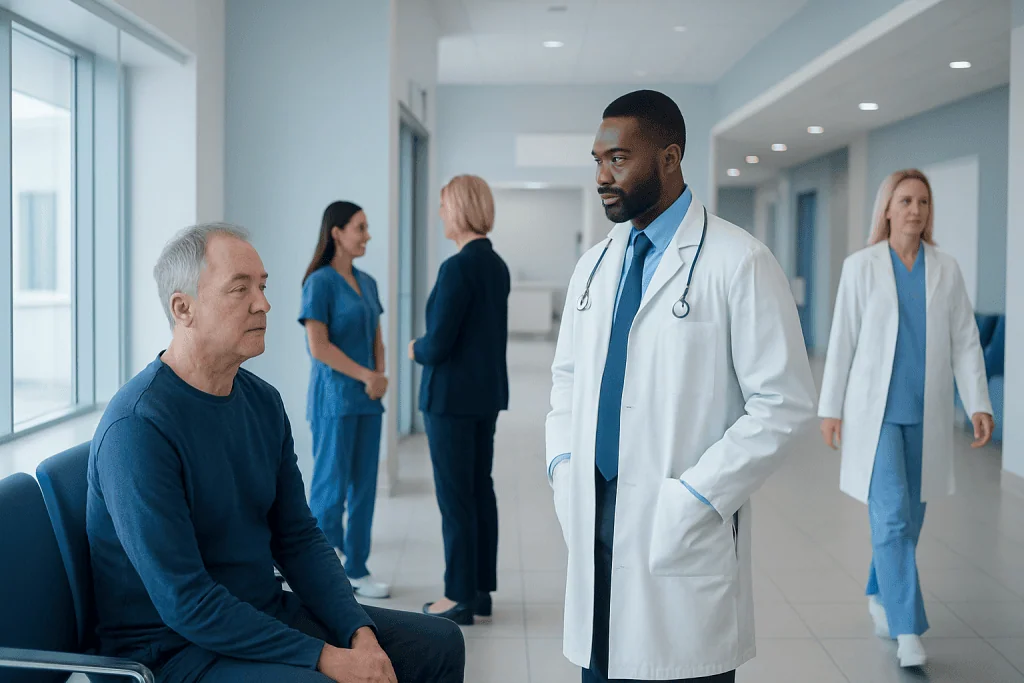
Stevens-Johnson syndrome is a medical emergency that needs assessment in hospital. The suspected triggering medicine should be stopped promptly under medical supervision and avoided in the future.
Key Takeaways
- Stevens-Johnson syndrome is a medical emergency that needs assessment in hospital.
- The suspected triggering medicine should be stopped promptly under medical supervision and avoided in the future.
- Treatment focuses on wound care, fluids, nutrition, pain relief, infection surveillance, and protection of the eyes and airways.
- SJS can worsen over hours to days, so new painful rash, blisters, or mucosal sores need immediate care.
- Recovery may take weeks or longer, and some people need follow-up for eye, skin, breathing, or emotional effects.
SJS treatment is urgent supportive hospital care for Stevens-Johnson syndrome, usually beginning with stopping the suspected medicine and carefully monitoring the skin, eyes, mouth, breathing, hydration, and internal organs. Recovery varies with the severity of skin and mucosal involvement, the underlying trigger, and whether complications develop.
SJS Treatment: How It Works
SJS treatment is emergency hospital-based care designed to remove the likely trigger, prevent complications, and support the body while the skin and mucous membranes heal. Stevens-Johnson syndrome (SJS) is an uncommon, serious reaction that most often follows a medication, though infections can sometimes trigger it. It is closely related to toxic epidermal necrolysis (TEN), a more extensive form of the same disease spectrum.
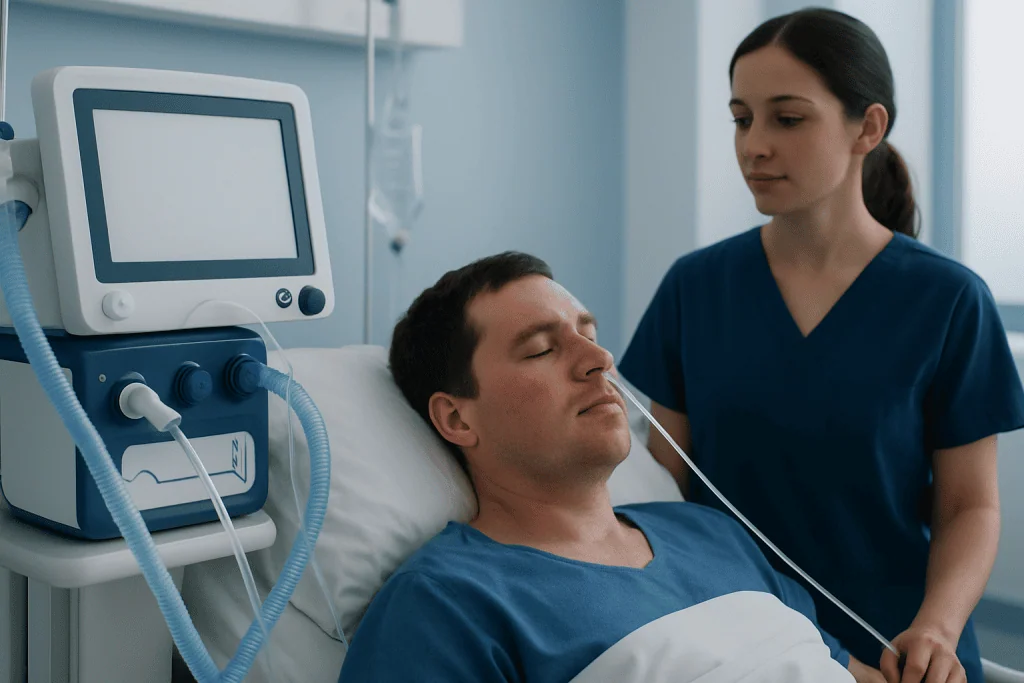
The first priority is to identify and stop any suspected causative medicine. Clinicians then assess the extent of skin involvement and check for problems affecting the eyes, mouth, throat, lungs, kidneys, and other organs. People with extensive involvement may need care in a specialist dermatology unit, intensive care unit, or burn center because the loss of skin barrier can affect fluids, temperature control, and infection risk.
There is no single universal sjs treatment protocol for every person. SJS treatment guidelines emphasize prompt withdrawal of the suspected trigger, skilled supportive care, and early input from dermatology, ophthalmology, critical care, gynecology or urology when mucosal areas are affected, and other specialists as needed. Decisions about medicines that may modify the immune response are individualized by the treating team.
What Does the Beginning of Steven Johnson Syndrome Feel Like?
The beginning of Stevens-Johnson syndrome can feel similar to a viral illness. A person may develop fever, tiredness, headache, body aches, sore throat, cough, or burning eyes before the visible rash begins. These symptoms can be easy to mistake for a common infection, especially early on.
A key warning sign is painful or tender skin rather than an ordinary itchy rash. Red, dusky, purple, or target-like spots may develop, often on the face and upper body before spreading. Blisters, peeling skin, and painful sores in the mouth, lips, eyes, nose, or genital area can follow.
Anyone who develops these symptoms after starting a new medicine should seek urgent medical evaluation. A person should not restart a suspected medication unless a qualified clinician has specifically determined that it is safe. Taking photographs of the rash and bringing a complete medication list, including non-prescription medicines and supplements, can help the medical team assess the situation.
SJS: How Do You Get It? Causes and Candidacy for Hospital Care
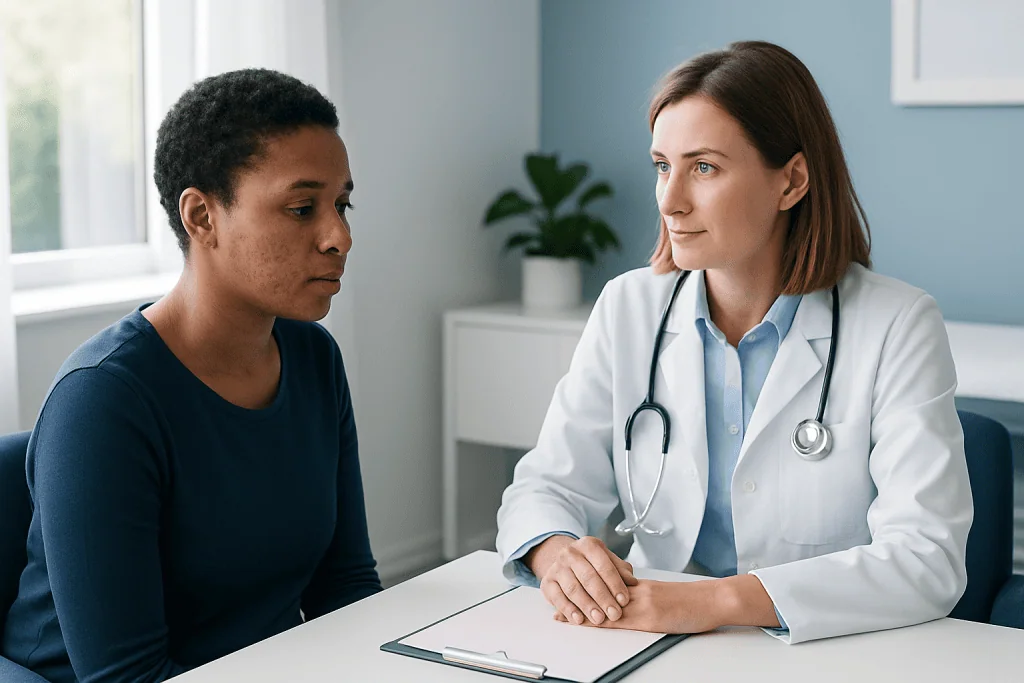
When people ask, “SJS, how do you get it?”, the answer is usually that it is an unpredictable immune-mediated reaction in a susceptible person. Medicines are the most frequent triggers. Examples can include certain antiseizure medicines, antibiotics, anti-inflammatory pain medicines, and medicines used to lower uric acid, although many other medicines have been associated with SJS. In some cases, an infection is identified instead, and sometimes no clear trigger is found.
Risk can be influenced by a person’s genetic background, immune status, prior history of SJS or TEN, and the particular medicine involved. A previous episode makes avoiding the responsible medicine—and sometimes related medicines—especially important. Genetic testing may be considered before certain medicines in people from populations known to have relevant genetic risk variants, but it does not predict every case.
Anyone with suspected SJS is a candidate for urgent hospital assessment, not home treatment. Admission is particularly important when there is fever, rapidly expanding rash, blistering, skin detachment, dehydration, severe pain, eye symptoms, mouth ulcers that limit drinking, genital sores, or difficulty breathing. Care is tailored to severity rather than following a one-size-fits-all sjs treatment algorithm.
Step by Step: What Happens During SJS Treatment
On arrival, clinicians stabilize urgent problems and review all medicines taken in the previous days to weeks. They examine the skin and mucosal surfaces, measure the affected body surface area, and obtain blood tests to assess hydration, kidney function, liver function, blood counts, and inflammation. A skin biopsy may be used when the diagnosis is uncertain or other blistering conditions need to be excluded.
Supportive treatment commonly includes intravenous or oral fluids guided by close monitoring, nutrition support when mouth sores make eating difficult, temperature management, and effective pain relief. Skin care uses gentle handling, non-adherent dressings, and careful wound management. Preventive antibiotics are not routinely used unless there is evidence of infection, because unnecessary antibiotics can complicate medication-related reactions.
Eye assessment should happen early, as inflammation and surface injury can lead to lasting problems without prompt treatment. Ophthalmology may recommend lubricating drops, topical treatments, or protective measures depending on the findings. Specialists also assess the airway, urinary and genital tract, and lungs when symptoms suggest involvement. Some centers may consider immune-directed therapies in selected cases, but the choice depends on timing, severity, medical history, and local specialist expertise.
After the acute phase, doctors provide written documentation of the suspected trigger and advice about medicines to avoid. Wearing medical alert identification and informing all future healthcare professionals about the reaction can reduce the risk of accidental re-exposure.
How Long Does It Take for SJS to Spread?
SJS can progress quickly. After the first flu-like symptoms or rash, blistering and skin detachment may develop or expand over several hours to a few days. The course differs between individuals, and it is not possible to predict the exact speed from the appearance of the earliest symptoms alone.
Stopping a suspected trigger promptly is important, but symptoms may continue to worsen briefly after the medicine is stopped because the immune reaction can persist. This is one reason that close hospital observation is needed. The care team monitors for changes in skin pain, new blisters, fluid balance, infection, breathing, and involvement of the eyes or other mucosal surfaces.
Questions such as “SJS how long does it spread?” should always be discussed with the treating clinicians, as the answer depends on disease severity and response to care. A rash that is painful, blistering, or accompanied by eye or mouth sores should never be watched at home in the hope that it will settle.
What Are the Stages of SJS?
SJS does not always follow clearly separated stages, but its course is often described in phases. The early phase may include fever, malaise, sore throat, cough, and irritated or painful eyes. This may be followed by a painful red or dusky rash, sometimes with flat target-like lesions.
During the active skin and mucosal phase, blisters, erosions, and areas of peeling may appear. The lips, mouth, eyes, nose, genital area, and urinary tract can be affected. Clinicians distinguish SJS from TEN partly by estimating how much of the body surface has detached: SJS involves less extensive detachment, while TEN is more widespread.
In the healing phase, new skin gradually grows, sores improve, and energy returns. However, skin color changes, nail changes, dry eyes, light sensitivity, mouth discomfort, scarring, or genital and urinary symptoms may persist in some people. Follow-up is therefore an important part of SJS treatment, even after the skin has healed.
How Long Does It Take to Recover from Stevens-Johnson Syndrome (SJS)?
Recovery from SJS commonly takes several weeks, but the timeline varies substantially. People with limited skin involvement and no major complications may begin to improve within days after the illness stops progressing, while skin and mouth healing can continue for weeks. More severe disease, extensive mucosal involvement, infection, eye injury, or organ complications can lengthen recovery.
During recovery, fatigue, reduced appetite, dry or sensitive skin, and emotional distress are common. The skin may remain fragile or change color temporarily. Gentle skin care, adequate fluids and nutrition, avoiding sun exposure on healing skin, and attending scheduled reviews can support recovery. Clinicians may recommend scar care or rehabilitation if mobility, swallowing, breathing, or vision has been affected.
Long-term follow-up may involve dermatology, ophthalmology, primary care, and other specialties. Acibadem International’s multidisciplinary specialists and JCI-accredited hospitals can assess and treat SJS and coordinate follow-up care for international patients. Ongoing care should focus on the individual’s symptoms, past trigger, and any lasting effects rather than a fixed recovery schedule.
Benefits, Risks, Prevention, and When to Seek Medical Care
The benefit of prompt SJS treatment is early recognition and management of potentially serious complications, including dehydration, infection, eye damage, and airway problems. Hospital care also helps clinicians identify the most likely trigger and create a safe medication plan for the future. Because SJS itself can be severe, risks primarily arise from the condition and its complications rather than from a single procedure.
Prevention centers on avoiding the suspected causative medicine and clearly recording the reaction in medical records. A person should share this information with doctors, dentists, pharmacists, and emergency teams. Family members should not assume they need to avoid the same medicine unless a clinician advises it, because medication decisions depend on individual circumstances and sometimes genetic factors.
When to seek medical care: Emergency care is needed immediately for a painful or rapidly spreading rash, blisters or skin peeling, fever with a rash, sores in the mouth or genital area, red or painful eyes, facial swelling, trouble swallowing, or breathing difficulty—especially after a new medicine. A person should call local emergency services if symptoms are severe or breathing is affected and should not drive themselves if they feel unwell.
Frequently asked questions
Can Stevens-Johnson syndrome be treated at home?
No. Suspected SJS needs urgent in-person medical assessment, usually in hospital, because it can progress rapidly and affect the eyes, airways, fluid balance, and internal organs. Home remedies, leftover antibiotics, or self-treatment can delay necessary care.
What is the first step in SJS treatment?
The first step is urgent medical evaluation and stopping the suspected trigger under clinical supervision. The medical team then assesses severity, monitors vital functions, and begins supportive skin, fluid, nutrition, and pain care.
Can SJS occur after a medicine has been taken for a while?
Yes. SJS often develops within the first weeks after starting a medicine, but the timing can vary. A clinician should review all recently used prescription medicines, over-the-counter products, supplements, and any recent infections.
Will SJS leave scars?
Many people heal without major skin scarring, although temporary color changes, dry skin, or nail changes can occur. Some people develop lasting effects, particularly involving the eyes, skin, mouth, or genital area, so follow-up care is important.
Can someone take the suspected medicine again after SJS?
Usually, the suspected causative medicine should not be taken again unless a specialist has made a clear determination that it was not responsible. Re-exposure can trigger a serious reaction, so the medicine allergy or severe reaction should be documented carefully.
Is SJS contagious?
SJS itself is not contagious. In some cases, an infection may contribute to triggering the immune reaction, but the skin condition cannot be passed directly from one person to another.
References
- World Health Organization
- American Academy of Dermatology Association
- National Organization for Rare Disorders
- British Association of Dermatologists
- Mayo Clinic
This article is for general information only and is not a substitute for professional medical advice. Please consult a qualified doctor about your individual situation.
Explore treatments in Turkey — costs, top hospitals & a free quote
JCI-accredited · board-certified surgeons · reply within 24h
Add us as a Preferred Source to see more of our trusted health content across Google Search, AI Overviews and Discover.