Sleep Aid Supplement: What the Clinical Research Actually Says

Not all sleep aid supplements are backed by the same level of clinical evidence. Melatonin is the most studied supplement, especially for circadian rhythm-related sleep problems.
Key Takeaways
- Not all sleep aid supplements are backed by the same level of clinical evidence.
- Melatonin is the most studied supplement, especially for circadian rhythm-related sleep problems.
- “Natural” does not always mean safe; supplements can cause side effects and interact with medicines.
- Persistent insomnia, loud snoring, breathing pauses, or daytime sleepiness should be medically evaluated.
- Sleep habits and treatment of underlying conditions are often more important than supplements alone.
A sleep aid supplement may help in specific situations, but clinical research does not support all products equally. Melatonin has the clearest evidence for some sleep timing problems, while many other supplements have limited, mixed, or low-quality data and can still cause side effects or interactions.
Overview: what a sleep aid supplement is and what research shows
A sleep aid supplement is a non-prescription product taken to improve sleep onset, sleep duration, or sleep quality. These products may contain melatonin, magnesium, valerian, chamomile, lavender, L-theanine, antihistamine-like ingredients sold over the counter in some regions, or blended formulas with multiple herbal and nutrient components. Clinical evidence differs widely between ingredients, so it is not accurate to treat all sleep supplements as equally effective.
The strongest supplement evidence generally supports melatonin for certain circadian rhythm-related sleep issues, such as jet lag or delayed sleep-wake timing, and for modest help with falling asleep in some adults. For many other ingredients, research is limited by small studies, short follow-up, inconsistent product quality, and differences in how outcomes are measured. This means some people may feel better, but the data often do not show a large or reliable benefit across populations.
A practical way to understand the evidence is this: a supplement may be reasonable in selected cases, but it should not replace an evaluation for persistent insomnia, sleep apnea, depression, anxiety, medication effects, pain, or other medical causes of poor sleep. When sleep problems last for weeks, affect daily functioning, or occur with snoring or breathing pauses, medical assessment matters more than trying multiple products.
Which sleep aid supplements have the best evidence
Melatonin is the best-studied sleep aid supplement. It is a hormone the body naturally produces in response to darkness, helping regulate the sleep-wake cycle. Clinical trials suggest it can be useful for jet lag, shift-work-related circadian disruption, and delayed sleep phase patterns, and it may modestly shorten the time it takes some people to fall asleep. However, it is not a universal treatment for chronic insomnia, and the benefit is usually moderate rather than dramatic.
Magnesium is commonly promoted for sleep, especially when deficiency is present or when muscle cramps contribute to discomfort at night. Research is still mixed. Some small studies suggest mild improvement in sleep quality in selected groups, but overall evidence is not strong enough to say magnesium is a reliable sleep treatment for most healthy adults.
Valerian, chamomile, lavender, and L-theanine are also frequently marketed for sleep. These may help some individuals feel more relaxed, but clinical studies often show inconsistent results. Multi-ingredient products are even harder to judge because it is often unclear which component is responsible for any benefit and whether the formula contains clinically meaningful amounts.
- More supportive evidence: melatonin for circadian rhythm-related problems and some sleep-onset difficulty
- Limited or mixed evidence: magnesium, valerian, chamomile, lavender, L-theanine
- Hard to assess: proprietary blends with many ingredients and limited independent testing
What a sleep aid supplement can and cannot do

A sleep aid supplement may help in a narrow set of situations: adjusting sleep timing after travel, easing mild difficulty falling asleep, or supporting sleep when a known circadian trigger is present. In these contexts, supplements may offer a modest benefit, especially when paired with good sleep habits such as a regular bedtime, reduced evening light exposure, and limiting caffeine late in the day.
What supplements usually cannot do is treat the root cause of chronic sleep difficulty. If sleep problems are driven by untreated anxiety, depression, chronic pain, reflux, menopause symptoms, medication side effects, alcohol use, or an underlying sleep disorder, a supplement is unlikely to provide lasting relief. People with heavy snoring, witnessed breathing pauses, morning headaches, or severe daytime fatigue may need testing for obstructive sleep apnea rather than more supplements.
Supplements also do not reliably improve every part of sleep. A product that helps with falling asleep may not improve staying asleep, early waking, or next-day alertness. This is one reason why a symptom-based approach is useful: trouble falling asleep, waking often, and non-restorative sleep can have different causes and may need different treatments, including sleep studies when indicated.
Side effects, interactions, and product-quality concerns
Even when sold without a prescription, a sleep aid supplement can cause unwanted effects. Common issues include daytime drowsiness, dizziness, vivid dreams, headache, stomach upset, and a “hungover” feeling the next morning. These effects may be more noticeable in older adults, people taking multiple medicines, and anyone who drives, operates machinery, or needs alertness early in the day.
Interactions are an important concern. Melatonin and herbal products may interact with sedatives, blood thinners, seizure medicines, antidepressants, blood pressure medicines, diabetes medicines, and alcohol. Combining several products that all cause sedation can increase next-day impairment and raise the risk of falls, especially in older adults.
Another issue is product consistency. Supplements are not all tested to the same standard as prescription medicines, and independent analyses have found that some products contain more or less of the labeled ingredient than expected. In blended products, some ingredients may be included mainly for marketing appeal rather than because there is good clinical evidence behind them. For this reason, it is wise to discuss supplement use with a qualified clinician, especially before surgery, during pregnancy, or when taking regular medicines.
Who should avoid or use extra caution with sleep supplements
Not everyone should use a sleep aid supplement without medical advice. Children, pregnant or breastfeeding women, older adults, and people with epilepsy, mood disorders, autoimmune disease, liver disease, or complex medication regimens should be especially cautious. The balance of benefits and risks may be different in these groups, and symptoms that look like simple insomnia may reflect a different medical issue.
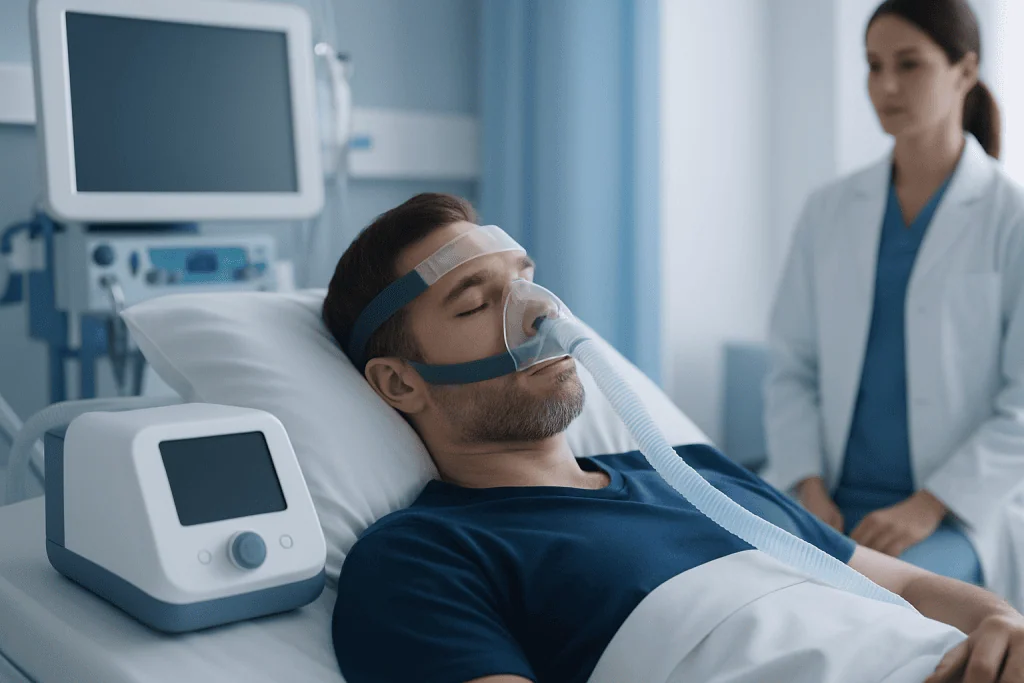
People with suspected sleep apnea should be evaluated rather than self-treating persistent fatigue with supplements. Sedating products may mask symptoms without addressing breathing disturbances during sleep. In some cases, the more effective next step is diagnosis and condition-specific therapy such as CPAP treatment rather than trying additional over-the-counter products.
Anyone with insomnia lasting more than a few weeks, frequent nighttime awakenings, severe snoring, episodes of choking at night, restless legs, unusual movements during sleep, or significant daytime sleepiness should seek professional assessment. A clinician may look for thyroid problems, mood disorders, medication effects, or neurological and respiratory sleep conditions before recommending treatment.
How clinicians evaluate sleep problems before recommending treatment
When sleep difficulties persist, evaluation usually begins with a detailed history rather than a supplement recommendation alone. A clinician will ask about bedtime routines, work schedules, caffeine and alcohol use, screen exposure, stress, medicines, naps, and symptoms such as snoring, breathing pauses, leg discomfort, pain, or heartburn. This helps separate temporary sleep disruption from chronic insomnia or another sleep disorder.
Sleep diaries and questionnaires may be used to identify patterns. Depending on the symptoms, testing may include blood work for contributing conditions or a formal sleep assessment. If a breathing-related disorder is suspected, a specialist may recommend polysomnography or another appropriate sleep study to guide treatment.
For many patients, the most evidence-based first-line treatment for chronic insomnia is behavioral rather than supplemental. Cognitive behavioral therapy for insomnia and sleep-habit interventions often provide more durable improvement than self-directed supplement use. If another condition is present, targeted treatment may help more than any sleep product sold over the counter.
Practical self-care and safer use if considering a supplement
If a person is thinking about trying a sleep aid supplement, it helps to define the problem first. Is the main issue falling asleep, waking during the night, travel-related schedule change, shift work, or feeling unrefreshed despite enough time in bed? Matching the approach to the symptom is more useful than choosing a product based on advertising or “natural” claims.
Basic sleep-supporting habits remain important whether or not a supplement is used. Helpful steps include keeping a regular sleep schedule, getting daylight exposure in the morning, reducing bright light in the evening, limiting caffeine late in the day, avoiding large meals and alcohol near bedtime, and keeping the bedroom quiet and dark. When these habits are neglected, supplements often provide disappointing results.
If a supplement is used, it should be discussed with a healthcare professional when there are chronic illnesses, regular medicines, pregnancy, older age, or ongoing symptoms. It is sensible to use one product at a time, monitor for side effects, and stop if there is no clear benefit. Near the end of a diagnostic journey, some patients also benefit from referral to sleep specialists; Acibadem International’s multidisciplinary teams in JCI-accredited hospitals evaluate and treat sleep disorders for international patients when further assessment is needed.
When to seek medical care
Medical care is appropriate when poor sleep is frequent, lasts more than a few weeks, or interferes with concentration, mood, work, school, or driving. It is also important when a person relies on alcohol, sedatives, or repeated supplement use just to sleep, because this can delay diagnosis of a treatable condition.
Urgent evaluation is especially important if there are breathing pauses during sleep, loud chronic snoring, choking or gasping at night, chest pain, fainting, seizures, unusual nighttime behaviors, or severe daytime sleepiness. These symptoms may point to a sleep disorder or another medical problem that needs direct treatment rather than self-care alone.
A clinician can help identify whether the problem is insomnia, circadian rhythm disruption, medication-related sleep disturbance, or a disorder such as sleep apnea. Once the cause is clearer, treatment may be more effective and safer than trial-and-error use of multiple supplements.
Frequently asked questions
What is the best-supported sleep aid supplement in clinical research?
Melatonin has the clearest clinical support among common sleep supplements. It appears most useful for jet lag, some circadian rhythm sleep problems, and mild difficulty falling asleep, but it is not a cure for all forms of insomnia.
Are natural sleep supplements safer than prescription sleep medicines?
Not necessarily. Natural products can still cause side effects, next-day drowsiness, and interactions with prescription medicines, alcohol, or other supplements. Safety depends on the ingredient, the person using it, and the quality of the product.
Can a sleep aid supplement treat chronic insomnia?
A supplement may help some people temporarily, but chronic insomnia often needs a fuller evaluation and behavioral treatment. If sleep problems continue for weeks or keep returning, it is best to discuss this with a qualified doctor.
Who should avoid taking a sleep aid supplement without medical advice?
Children, pregnant or breastfeeding women, older adults, and people with epilepsy, mood disorders, autoimmune disease, liver disease, or multiple medications should be cautious. These groups may face a higher risk of side effects, interactions, or missed diagnosis of another condition.
Can sleep supplements interact with other medicines?
Yes. Some sleep supplements may interact with sedatives, antidepressants, blood thinners, seizure medicines, blood pressure medicines, diabetes treatments, and alcohol. A pharmacist or physician can help review possible interactions before use.
When should someone see a doctor instead of trying another supplement?
A doctor should be consulted if sleep problems last more than a few weeks, cause daytime impairment, or happen with loud snoring, gasping, breathing pauses, or severe fatigue. These signs may suggest an underlying sleep disorder or another medical condition that needs proper treatment.
References
- National Center for Complementary and Integrative Health
- American Academy of Sleep Medicine
- National Institutes of Health Office of Dietary Supplements
- Centers for Disease Control and Prevention
- European Sleep Research Society
This article is for general information only and is not a substitute for professional medical advice. Please consult a qualified doctor about your individual situation.
Explore treatments in Turkey — costs, top hospitals & a free quote
JCI-accredited · board-certified surgeons · reply within 24h