Social Media Health News: How to Spot Misinformation Before You Trust It

Not all popular health posts are accurate, even if they seem convincing or widely shared. Reliable health information should identify its source, evidence, and limits clearly.
Key Takeaways
- Not all popular health posts are accurate, even if they seem convincing or widely shared.
- Reliable health information should identify its source, evidence, and limits clearly.
- Red flags include miracle cures, fear-based language, conspiracy claims, and advice that discourages medical care.
- Checking the original source, publication date, and expert consensus can reduce the risk of being misled.
- Medical decisions should be based on qualified professional advice, not social media alone.
Social media health news can spread useful updates quickly, but it can also amplify misleading or false medical claims. Learning a few practical checks can help people evaluate health content more confidently before acting on it or sharing it with others.
Overview: Why Social Media Health News Needs Careful Reading
Social media has changed how people discover health information. News about symptoms, treatments, wellness trends, vaccines, diets, and disease outbreaks can reach millions within minutes. This speed can be helpful when trusted organizations share clear public health guidance, but it also allows incomplete, exaggerated, or false claims to spread just as quickly.
Many posts are designed to attract attention rather than explain medical evidence accurately. Short videos, dramatic headlines, personal stories, and before-and-after images can make a claim feel believable even when the information is unproven. In health topics, this matters because misinformation can influence treatment choices, delay proper diagnosis, increase anxiety, or encourage unsafe self-care.
Most misleading content is not obviously false at first glance. It may mix a few true facts with speculation, outdated research, or claims taken out of context. That is why readers benefit from a simple evaluation process: pause, identify the source, check the evidence, compare with trusted organizations, and be cautious about advice that sounds absolute or emotionally manipulative.
Common Signs of Health Misinformation Online

Some warning signs appear again and again in misleading health content. Posts may promise quick fixes, claim that one food or supplement can cure many unrelated conditions, or suggest that a secret remedy is being hidden by doctors or health authorities. These claims often rely on emotion rather than balanced explanation.
Another red flag is certainty without nuance. Real medicine usually includes context: who a treatment may help, what the risks are, and where evidence is still limited. Posts that say a remedy works for everyone, has no side effects, or is “guaranteed” should be treated carefully. Health information that is trustworthy usually explains uncertainty instead of ignoring it.
Readers should be especially cautious if a post:
- uses phrases such as “miracle cure,” “detox,” or “what doctors won’t tell you”
- pushes urgency, such as “share before it gets deleted”
- relies only on testimonials instead of evidence
- discourages proven medical care or promotes stopping prescribed treatment
- confuses correlation with cause
- tries to sell a product while making medical claims
These signals do not always prove a claim is false, but they do mean it deserves extra checking before it is trusted or shared.
How to Check the Source Behind a Health Claim
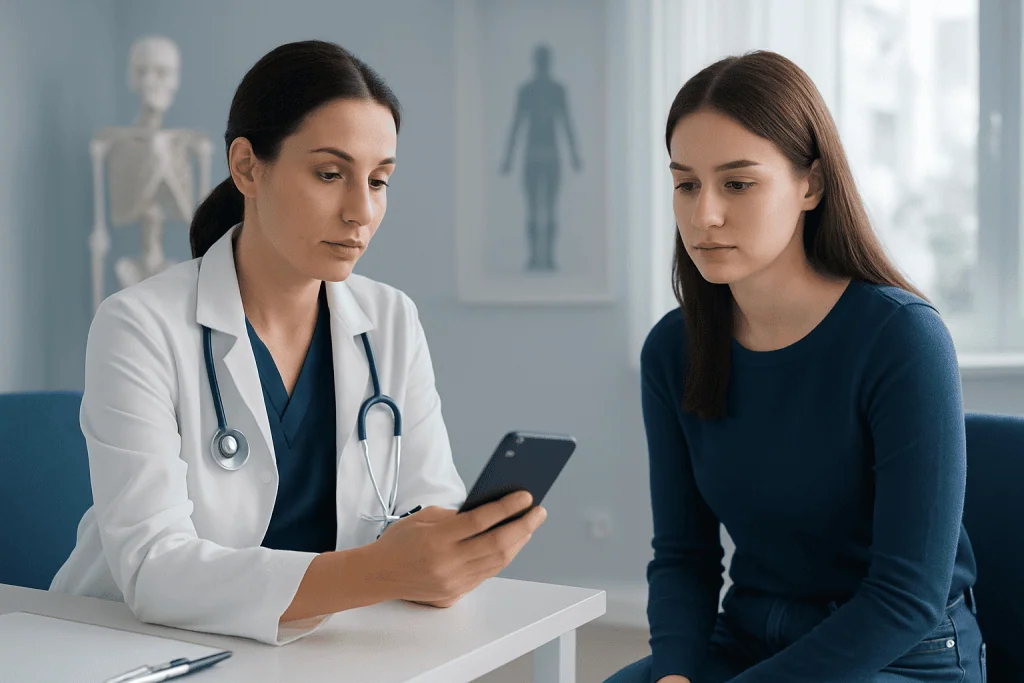
One of the most useful habits is to look beyond the post itself. A trustworthy health claim should lead back to an identifiable source, such as a public health agency, medical society, peer-reviewed journal, hospital, or qualified clinician speaking within their area of expertise. Anonymous graphics, cropped screenshots, and reposted clips are harder to verify and should be approached with caution.
It also helps to ask who is speaking and why. Is the person a licensed healthcare professional, researcher, or recognized institution? Are they discussing a topic they are trained in? A doctor may be credible in one field but not necessarily an expert in all medical areas. Financial interests matter too. If a post links directly to a product, supplement, course, or subscription, promotional motives may shape the message.
Reliable sources usually show their methods. They cite research, explain what is known and unknown, and update guidance when evidence changes. They also avoid overstating early findings. If a claim cannot be traced to a reputable original source, or if the source appears to be a personal opinion presented as settled science, it should not be treated as dependable medical advice.
Understanding Evidence: Personal Stories Are Not Proof
Personal stories can be powerful and meaningful, but they are not the same as scientific evidence. A person may feel better after trying a supplement, diet, or home remedy for many reasons, including placebo effect, natural recovery, changed habits, or receiving other treatments at the same time. A single experience does not show that a remedy is safe or effective for others.
Better evidence comes from well-designed studies that compare outcomes carefully. In health research, stronger evidence often includes systematic reviews, clinical guidelines, randomized controlled trials, and large observational studies interpreted by experts. Even then, findings must be read in context. Early studies may be small, done in animals, or too limited to support broad claims on social media.
It also helps to notice whether a post confuses laboratory findings with proven treatment. For example, saying that a substance affects cells in a lab is not the same as showing it treats disease in people. Health decisions are best guided by the total body of evidence, not a single dramatic headline or a viral testimony.
Practical Steps to Verify Social Media Health News
When a health post seems surprising, exciting, or frightening, a short pause can prevent unnecessary confusion. Before liking, saving, sharing, or acting on it, readers can ask a few simple questions: What exactly is being claimed? Who first said it? Is the information current? Can the claim be confirmed by more than one trusted source?
A practical approach is to search for the same topic on the websites of major public health organizations, academic medical centers, or professional medical associations. If a major claim appears only on social media and not on respected health sites, that is a reason to be skeptical. The publication date matters too, because recommendations can change as evidence develops, especially during outbreaks or around new treatments.
Helpful verification steps include:
- reading beyond the headline or video caption
- looking for the original study or official statement
- checking whether experts agree broadly, not just one voice online
- seeing whether the claim has been oversimplified from a more limited finding
- comparing advice with guidance from a doctor or pharmacist when relevant
If a post concerns a serious condition, medicine, or treatment change, social media should never be the only source used. Clinical questions deserve professional medical guidance tailored to the individual.
Topics That Deserve Extra Caution
Some health topics are especially vulnerable to misinformation because they are emotionally charged, complex, or linked to commercial products. These include cancer treatments, vaccines, chronic pain, mental health, fertility, weight loss, children’s illnesses, and dietary supplements. In these areas, misleading advice may sound reassuring while overlooking real risks or delaying care.
Supplement claims deserve particular caution. “Natural” does not always mean safe, and products marketed online may interact with prescription medicines or be inappropriate for certain medical conditions. The same is true for detox plans, extreme diets, or posts encouraging people to replace evidence-based care with unproven alternatives.
Visual content can be misleading as well. Edited videos, selective before-and-after images, and dramatic patient stories may create a strong impression without showing the full medical picture. Health information should be judged by evidence and expert review, not by emotional impact alone.
When social media discussions involve diagnoses such as breast cancer or procedures such as chemotherapy, it is especially important to rely on specialist advice and established treatment guidance rather than generalized online claims.
How Platforms and Users Can Reduce Harm
Social media platforms increasingly label some health content, reduce visibility of false posts, or direct users to official sources. These steps can help, but they are not perfect. Harmful claims may still circulate through private groups, reposted clips, or influencer content that avoids direct fact-checking triggers. Because of this, digital health literacy remains important for every user.
Families and communities also play a role. Many people share health posts with good intentions, hoping to help someone else. Responding calmly and respectfully is often more effective than confrontation. Asking where the information came from, whether it has been checked, and what trusted sources say can open a more constructive conversation.
For people seeking dependable evaluation of symptoms, test results, or treatment options, a clinical setting is the safest place to ask questions. Near the end of the care journey, some international patients may choose centers such as Acibadem International, where multidisciplinary specialists in JCI-accredited hospitals diagnose and treat a wide range of conditions and can help interpret medical information in context.
When to Seek Professional Medical Advice
Social media can raise awareness, but it should not replace medical evaluation. A person should speak with a qualified doctor if online information suggests starting, stopping, or changing a medicine; if symptoms are new, severe, or persistent; or if a post creates worry about a possible disease. This is especially important for children, older adults, pregnant people, and anyone with chronic illness or a weakened immune system.
Urgent symptoms need prompt medical attention rather than online research. Examples include chest pain, sudden shortness of breath, signs of stroke, severe allergic reactions, heavy bleeding, sudden confusion, seizures, or suicidal thoughts. In these situations, the safest response is to contact emergency services or seek immediate care according to local guidance.
Even when symptoms are not urgent, professional advice can help separate useful information from misleading claims. A doctor, pharmacist, or other licensed clinician can explain whether a social media claim applies to the individual’s health history, medicines, and risks. Thoughtful questions are encouraged, and reputable clinicians welcome discussion about information patients have seen online.
Frequently asked questions
Why is health misinformation so common on social media?
Health misinformation spreads easily because social media rewards content that is emotional, surprising, or simple to share. Medical topics are often complex, so oversimplified or dramatic claims may gain attention faster than careful, evidence-based explanations.
Can a post from a healthcare professional still be misleading?
Yes. A credential can be helpful, but it does not automatically make every post accurate or relevant. It is still important to check whether the person is speaking within their expertise and whether the claim matches trusted medical guidance.
Are personal success stories reliable health evidence?
Personal stories can be sincere, but they do not prove that a treatment works or is safe for others. Recovery may happen for many reasons, so medical decisions should rely on broader scientific evidence and professional advice.
What should someone do before sharing social media health news?
They should pause and verify the claim first. Reading the full source, checking the date, and comparing the information with recognized health organizations can reduce the chance of spreading misinformation.
Is it safe to try a natural remedy mentioned online?
Not always. Natural products can still cause side effects, interact with medicines, or be unsuitable for certain medical conditions. It is wise to speak with a doctor or pharmacist before trying a remedy promoted online.
How can someone tell if a study mentioned in a post is trustworthy?
It helps to look for the original study, where it was published, and whether the findings were confirmed by other research. Posts that mention only one study without context may overstate what the evidence really shows.
References
- World Health Organization
- U.S. Centers for Disease Control and Prevention
- National Institutes of Health
- MedlinePlus
- American Medical Association
This article is for general information only and is not a substitute for professional medical advice. Please consult a qualified doctor about your individual situation.
Explore treatments in Turkey — costs, top hospitals & a free quote
JCI-accredited · board-certified surgeons · reply within 24h