

Stomach Pain and Diarrhea After Eating: Common Causes, Related Conditions, and When to See a Doctor

A single episode may follow a viral illness, food poisoning, a rich meal, or temporary digestive upset. Repeated symptoms after particular foods can suggest lactose intolerance, other carbohydrate intolerance, food allergy, or a functional bowel disorder.
Key Takeaways
- A single episode may follow a viral illness, food poisoning, a rich meal, or temporary digestive upset.
- Repeated symptoms after particular foods can suggest lactose intolerance, other carbohydrate intolerance, food allergy, or a functional bowel disorder.
- IBS commonly causes abdominal discomfort and altered bowel habits, often without signs of intestinal damage.
- Dehydration, blood in stool, fever, severe pain, weight loss, or ongoing diarrhea require timely medical assessment.
- Keeping a symptom and food diary can help identify patterns and support an accurate diagnosis.
Stomach pain and diarrhea after eating are often caused by a short-term stomach infection, food-related sensitivity, or a bowel condition such as irritable bowel syndrome (IBS). Most episodes improve with fluids and simple meals, but recurring symptoms or warning signs should be assessed by a healthcare professional.
Overview: Why Symptoms Can Start After a Meal
Stomach pain and diarrhea after eating can happen when the digestive system reacts to food, infection, inflammation, altered gut movement, or difficulty absorbing certain nutrients. The timing may be immediate or may occur several hours after a meal. A one-time episode is common and is often short lived, especially after a stomach virus, food poisoning, alcohol, very fatty foods, or an unfamiliar meal.
When symptoms return regularly, occur after the same foods, or interfere with daily life, they may point to an underlying digestive condition. The pattern matters: pain that improves after passing stool can differ from upper abdominal pain after fatty meals, while diarrhea occurring soon after dairy products may suggest lactose intolerance. A clinician can use these details to decide whether testing is needed.
The term “stomach pain” is used broadly, but pain may come from the stomach, intestines, gallbladder, pancreas, urinary tract, or pelvic organs. For this reason, location, severity, associated symptoms, and duration are all important when considering the cause.
Common Patterns and Associated Symptoms
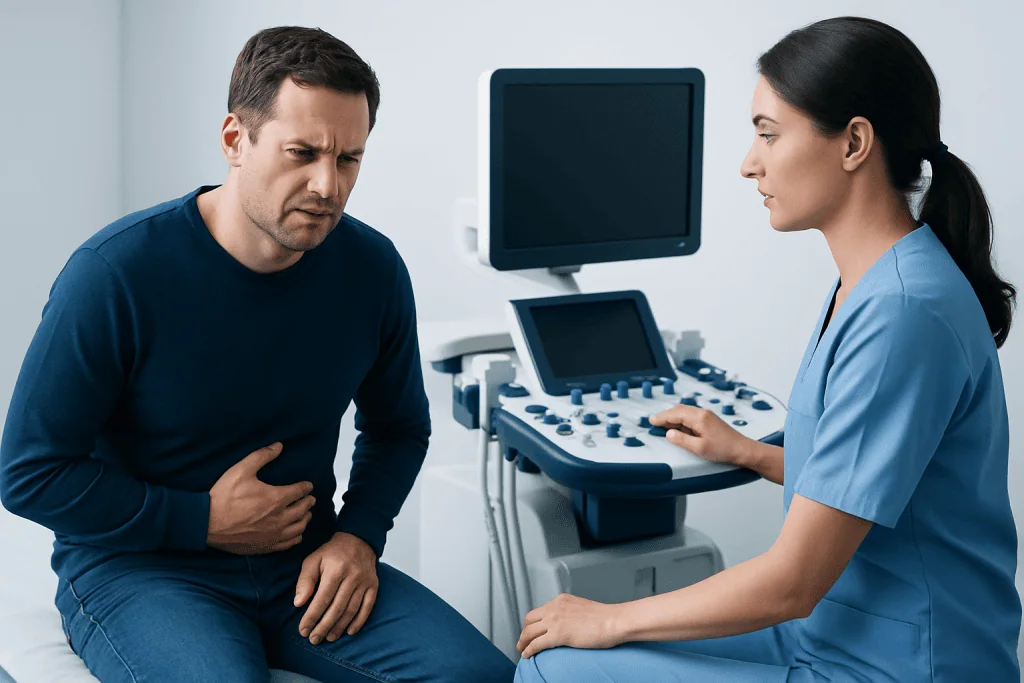
Diarrhea means loose, watery stools that occur more often than usual. Along with abdominal pain or cramping, a person may experience urgency, bloating, gas, nausea, rumbling sounds, or a feeling of incomplete emptying. These symptoms can arise because the intestine is moving contents too quickly or because it is unable to absorb enough water.
Symptoms that begin within minutes to a few hours of eating may occur with food intolerance, a strong gastrocolic reflex, anxiety-related bowel activity, or some foodborne toxins. Symptoms that develop later may be related to digestion and absorption, infection, or a bowel disorder. The exact timing alone does not establish a diagnosis, but it can provide useful clues.
It is helpful to note whether symptoms occur after specific foods, such as milk, wheat-containing foods, high-fat meals, spicy meals, sweeteners, caffeine, or alcohol. It is also important to notice symptoms outside mealtimes, including nighttime diarrhea, persistent fatigue, fever, or unintended weight loss, as these need more careful assessment.
- Cramping and urgency: may occur with infection, IBS, or food intolerance.
- Bloating and gas: can occur when certain carbohydrates are poorly absorbed.
- Nausea or vomiting: may accompany gastroenteritis or food poisoning.
- Greasy, pale, or floating stools: can indicate impaired fat digestion and should be discussed with a doctor.
Common Causes of Pain and Diarrhea After Eating

Gastroenteritis and foodborne illness are common causes of sudden diarrhea and cramping. Viruses, bacteria, and parasites can infect the digestive tract, while food contaminated with toxins can cause symptoms soon after eating. These episodes often improve over several days, although the duration varies depending on the cause.
Food intolerance occurs when the body has difficulty digesting a component of food. Lactose intolerance, for example, may cause bloating, cramps, gas, and diarrhea after consuming milk or other dairy products. Fructose and some fermentable carbohydrates can also trigger symptoms in sensitive people. Unlike an allergy, intolerance does not usually involve the immune system or cause symptoms such as hives, swelling, or breathing difficulty.
Irritable bowel syndrome is a common disorder of gut-brain interaction. It can cause recurrent abdominal pain associated with diarrhea, constipation, or both, often with bloating and symptoms that vary over time. Meals can trigger bowel contractions in people with IBS, but the condition does not cause intestinal ulcers or cancer. Learn more about irritable bowel syndrome and its evaluation.
Celiac disease is an immune-mediated reaction to gluten that can damage the small intestine. It may lead to diarrhea, abdominal discomfort, bloating, anemia, fatigue, or weight changes. Testing should be discussed before starting a gluten-free diet, because removing gluten beforehand can affect the accuracy of some tests.
Other possible causes include inflammatory bowel disease, bile acid diarrhea, medication side effects, pancreatic or gallbladder disorders, and, less commonly, digestive tract cancer. These conditions are less likely in a brief isolated episode but should be considered when symptoms are persistent, progressive, or accompanied by warning signs.
Risk Factors and Meal-Related Triggers
Recent contact with someone who has diarrhea, travel, eating undercooked food, drinking unsafe water, or poor food storage can increase the chance of a gastrointestinal infection. Certain medications, especially antibiotics, can also change the balance of bacteria in the gut and sometimes cause diarrhea. A clinician should review new medicines, supplements, and herbal products when symptoms begin.
Some people notice symptoms after meals that are especially large, greasy, spicy, high in sugar, or high in caffeine. These foods may speed intestinal movement or worsen reflux, indigestion, and bowel sensitivity. Alcohol can also irritate the digestive tract and contribute to loose stools in some individuals.
Stress does not mean symptoms are imagined. The brain and digestive tract communicate closely through the gut-brain axis, and stress, poor sleep, or anxiety can increase bowel sensitivity and change gut movement. This can be especially relevant in IBS, where symptoms may fluctuate with daily routines and emotional stressors.
Keeping a diary for one to two weeks can be useful. It may include foods and drinks consumed, meal size, symptom timing, stool appearance, medicines, menstrual timing where relevant, and stressful events. The diary should guide discussion with a clinician rather than lead to unnecessarily restrictive eating.
How Doctors Assess the Cause
A healthcare professional will usually begin by asking about the symptom pattern, recent illnesses or travel, food exposures, medical history, family history, and medicines. They may ask where the pain is located, whether it improves after a bowel movement, whether diarrhea wakes the person at night, and whether there is blood or mucus in the stool.
A physical examination may be followed by tests when symptoms are ongoing, severe, or concerning. Depending on the situation, these may include blood tests for anemia or inflammation, stool tests for infection or blood, and tests for celiac disease. Breath testing may sometimes be considered for lactose intolerance or other carbohydrate malabsorption.
Further evaluation may include imaging or endoscopy if there are alarm features, persistent unexplained symptoms, or concern for inflammation or another structural condition. Colonoscopy can allow a specialist to examine the large intestine and take small tissue samples when appropriate. Not everyone with diarrhea needs this procedure; the decision depends on age, symptoms, risk factors, and initial test results.
It is generally best not to self-diagnose a food allergy or make major long-term dietary changes without advice. A dietitian or doctor can help identify a safe, nutritionally complete approach if a food intolerance or bowel condition is suspected.
Treatment Options and Self-Care
Treatment depends on the underlying cause. For uncomplicated short-term diarrhea, the main priority is replacing fluids and electrolytes. Frequent small sips of water, oral rehydration solutions, broth, or other suitable fluids may help. People should eat as tolerated, choosing simple foods that do not worsen symptoms, and temporarily avoiding alcohol and foods that reliably trigger discomfort.
Medical treatment may include addressing an infection when indicated, adjusting a medicine that contributes to diarrhea, treating inflammation, or developing a structured dietary plan for intolerance or IBS. Antibiotics are not appropriate for every episode of diarrhea and should only be used when prescribed. Anti-diarrheal medicines may not be suitable when there is fever, bloody stool, or suspected invasive infection, so medical advice is important.
For IBS and some food sensitivities, a clinician may recommend dietary changes, stress-management approaches, fiber adjustments, or medicines tailored to the individual symptom pattern. A short, supervised dietary trial may be helpful, but eliminating multiple foods without support can create nutritional gaps and make it harder to identify the true trigger.
Regular meals, adequate sleep, handwashing, safe food preparation, and cautious reintroduction of foods after an acute illness can support digestive recovery. Persistent symptoms should not simply be managed at home without a clear diagnosis.
When to Seek Medical Care
Urgent medical care is needed for severe or worsening abdominal pain, a rigid or very tender abdomen, fainting, confusion, difficulty staying hydrated, black stools, or visible blood in the stool. Urgent assessment is also important for vomiting that prevents fluid intake, high fever, or symptoms of a serious allergic reaction, such as swelling of the lips or throat, wheezing, or trouble breathing.
A doctor should assess diarrhea lasting more than a few days without improvement, repeated episodes after meals, symptoms that wake a person from sleep, or abdominal pain that keeps returning. Unexplained weight loss, persistent fatigue, anemia, fever, new symptoms later in life, or a family history of inflammatory bowel disease, celiac disease, or colorectal cancer also warrant evaluation.
Children, older adults, pregnant people, and individuals with weakened immune systems may become dehydrated more quickly or have a higher risk of complications from infection. They should seek advice early if diarrhea is frequent, prolonged, or associated with poor fluid intake.
Acibadem International’s multidisciplinary specialists and JCI-accredited hospitals evaluate and treat digestive symptoms for international patients, using testing and care plans based on individual clinical needs.
Preparing for a Medical Appointment
Bringing a clear symptom history can make an appointment more productive. A person can record when pain occurs, how long it lasts, how often diarrhea happens, the appearance of stool, and whether symptoms follow certain meals. It is also useful to list recent travel, antibiotic use, new supplements, and any family history of digestive disease.
Before the visit, avoid starting a highly restrictive diet unless a clinician has advised it, particularly if celiac disease is a possibility. Continuing to eat gluten before celiac blood testing may be necessary for accurate results. However, someone with a known severe food allergy should continue avoiding the confirmed allergen and follow their established emergency plan.
Questions to ask may include whether testing is needed, whether a medicine could be contributing, how to prevent dehydration, and whether referral to a gastroenterologist or dietitian would be helpful. A diagnosis is not always made at the first visit, but a careful step-by-step assessment can identify the most likely cause and guide appropriate care.
Frequently asked questions
Why do I get stomach pain and diarrhea right after eating?
The bowel naturally becomes more active after meals, and this response can be stronger during an infection, with IBS, or after trigger foods. Food intolerance, rich meals, caffeine, and anxiety can also contribute. Repeated symptoms should be discussed with a healthcare professional.
Can lactose intolerance cause diarrhea after eating?
Yes. In people who do not digest lactose well, dairy products can lead to cramps, bloating, gas, and diarrhea. Symptoms often depend on the amount consumed and may begin within hours of eating dairy.
Is stomach pain and diarrhea after eating always food poisoning?
No. Food poisoning is one possible cause, particularly when symptoms begin suddenly and may include nausea, vomiting, or fever. However, food intolerance, IBS, celiac disease, medicines, and other digestive conditions can cause similar symptoms.
What should a person eat when they have diarrhea after a meal?
Fluids are usually the first priority, especially water or oral rehydration solutions if stools are frequent. Small, plain meals can be eaten as tolerated, while alcohol, very fatty foods, and foods that clearly worsen symptoms may be avoided temporarily. If symptoms persist, professional advice is recommended.
When is diarrhea after eating a sign of something serious?
Blood or black stool, severe pain, fever, dehydration, unintended weight loss, nighttime symptoms, or diarrhea that does not improve need medical assessment. These features do not always mean a serious condition, but they should not be ignored.
Can stress cause diarrhea after eating?
Stress can influence how quickly the gut moves and how strongly it senses normal digestive activity. It may worsen symptoms in conditions such as IBS, but recurring diarrhea should still be assessed to rule out other causes.
References
- National Institute of Diabetes and Digestive and Kidney Diseases
- American College of Gastroenterology
- Centers for Disease Control and Prevention
- National Health Service
- World Gastroenterology Organisation
This article is for general information only and is not a substitute for professional medical advice. Please consult a qualified doctor about your individual situation.
Persistent digestive symptoms? Get evaluated in Turkey
JCI-accredited · board-certified surgeons · reply within 24h

More from the Health Library



Related Specialists

Assoc. Prof. Dr. Onur Tunali
Orthopedic Surgery & Traumatology
Dt. Ülkü Noyan
Oral & Dental Health
Dr. Seçkin Bayar
Clinical Laboratory
Assoc. Prof. Dr. Ertuğrul Emre Güntürk
Cardiology