Stroke: FAST Warning Signs, Emergency Treatment, and Rehabilitation
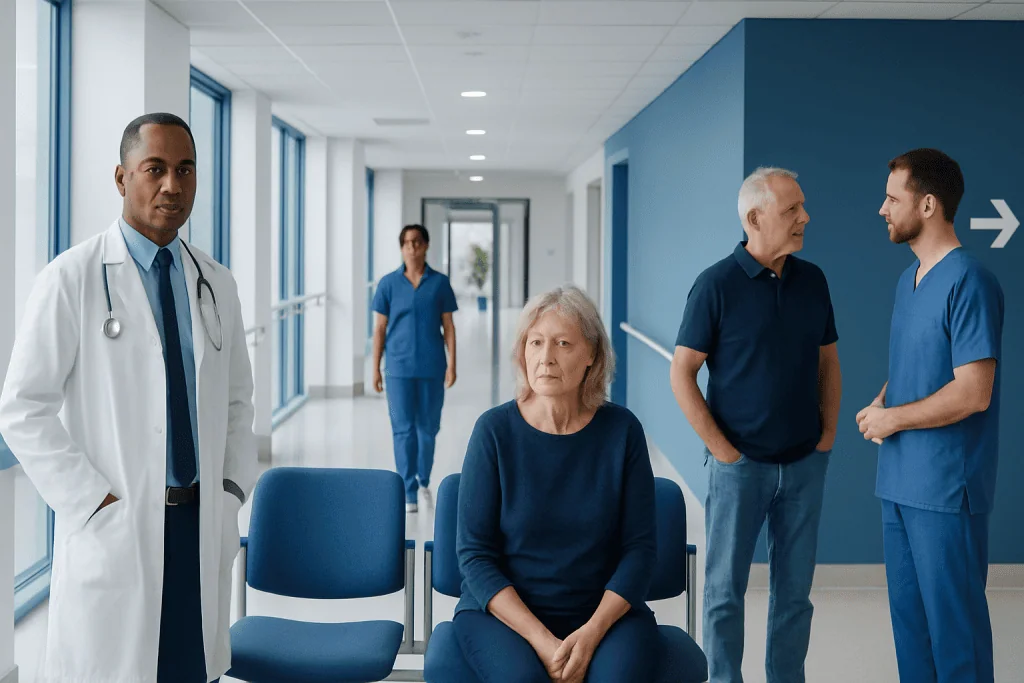
Use FAST: Face drooping, Arm weakness, Speech difficulty, Time to call emergency services. Most strokes are ischemic, caused by a blocked blood vessel, while hemorrhagic strokes are caused by bleeding in or around the brain.
Key Takeaways
- Use FAST: Face drooping, Arm weakness, Speech difficulty, Time to call emergency services.
- Most strokes are ischemic, caused by a blocked blood vessel, while hemorrhagic strokes are caused by bleeding in or around the brain.
- Emergency treatment depends on the type of stroke and may include clot-dissolving medicine, clot removal, blood pressure control, surgery, or intensive monitoring.
- Rehabilitation often begins in hospital and may include physiotherapy, speech therapy, occupational therapy, nutrition support, and psychological care.
- Managing blood pressure, diabetes, cholesterol, smoking, heart rhythm problems, weight, and physical activity can reduce the risk of another stroke.
Stroke is a medical emergency in which fast recognition and urgent treatment can protect brain function and improve recovery. Knowing the FAST warning signs, calling emergency services immediately, and starting rehabilitation early are central parts of stroke care.
Overview
A stroke happens when blood flow to part of the brain is interrupted or when bleeding occurs in or around the brain. Because brain cells need a constant supply of oxygen and nutrients, symptoms can appear suddenly. Stroke care focuses on restoring blood flow when possible, controlling bleeding or swelling when present, preventing complications, and supporting the person’s recovery through rehabilitation.
There are two main types of stroke. An ischemic stroke is caused by a blockage in an artery supplying the brain, often from a blood clot. A hemorrhagic stroke is caused by a blood vessel that leaks or ruptures, leading to bleeding within the brain tissue or in the spaces around the brain. A transient ischemic attack, often called a TIA or “mini-stroke,” causes temporary stroke-like symptoms and should be treated as an urgent warning sign.
Stroke can affect movement, speech, vision, swallowing, memory, mood, balance, and everyday independence. Recovery varies widely depending on the area of the brain affected, how quickly treatment begins, the person’s general health, and the quality of rehabilitation and follow-up care.
FAST Warning Signs and Other Symptoms
The FAST test is a simple way to recognize the most common stroke warning signs. F stands for Face: one side of the face may droop or feel numb, and the smile may look uneven. A stands for Arms: one arm may become weak, numb, or drift downward when both arms are raised. S stands for Speech: speech may be slurred, confused, or difficult to understand. T stands for Time: if any of these signs appear, emergency services should be called immediately.
Other symptoms can also occur suddenly. These may include weakness or numbness in a leg, especially on one side of the body; trouble seeing in one or both eyes; difficulty walking; dizziness; loss of balance or coordination; confusion; trouble understanding speech; or a severe headache with no known cause. In some people, symptoms are subtle, fluctuate, or improve quickly, but urgent assessment is still needed.
It is important not to wait to see whether symptoms pass. Emergency teams and stroke units can begin assessment and treatment quickly, and some treatments are time-sensitive. The exact time symptoms began, or the last time the person was known to be well, is very important information for doctors.
Causes and Risk Factors
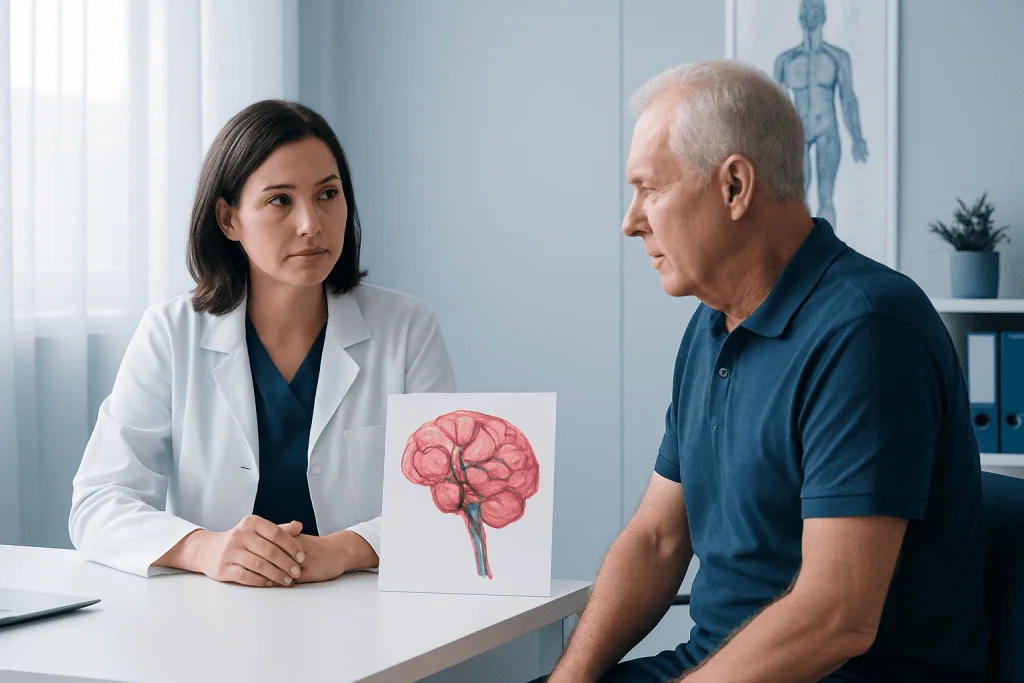
Ischemic strokes may occur when a clot forms in an artery narrowed by atherosclerosis, which is the buildup of fatty deposits in blood vessels. A clot may also travel from another part of the body, commonly the heart, to the brain. Atrial fibrillation, an irregular heart rhythm, is an important cause of clot-related stroke because it can allow clots to form in the heart and move to the brain.
Hemorrhagic strokes can be related to long-standing high blood pressure, weakened blood vessel walls, aneurysms, certain blood vessel malformations, blood-thinning medicines, or bleeding disorders. Some risk factors cannot be changed, such as age, family history, and previous stroke or TIA. However, many important risk factors can be managed with medical care and lifestyle changes.
Common modifiable risk factors include high blood pressure, diabetes, high cholesterol, smoking, excess alcohol use, physical inactivity, unhealthy diet, obesity, sleep apnea, and some heart or blood vessel conditions. A person who has already had a stroke or TIA has a higher risk of another event, so prevention becomes a key part of long-term care.
Emergency Diagnosis
In the emergency setting, doctors first assess the person’s symptoms, vital signs, blood sugar, medication history, and the time symptoms started. Blood sugar is checked because very low or very high levels can sometimes mimic or worsen neurological symptoms. The medical team also looks for conditions that may affect treatment decisions, such as recent surgery, bleeding risk, or use of blood-thinning medicines.
Brain imaging is essential because ischemic and hemorrhagic strokes require different treatments. A computed tomography scan, often called a CT scan, is commonly used first because it can quickly show bleeding and other urgent findings. Magnetic resonance imaging, or MRI, may provide more detailed information in selected cases. CT or MR angiography may be used to examine blood vessels and identify a large artery blockage or other vascular problem.
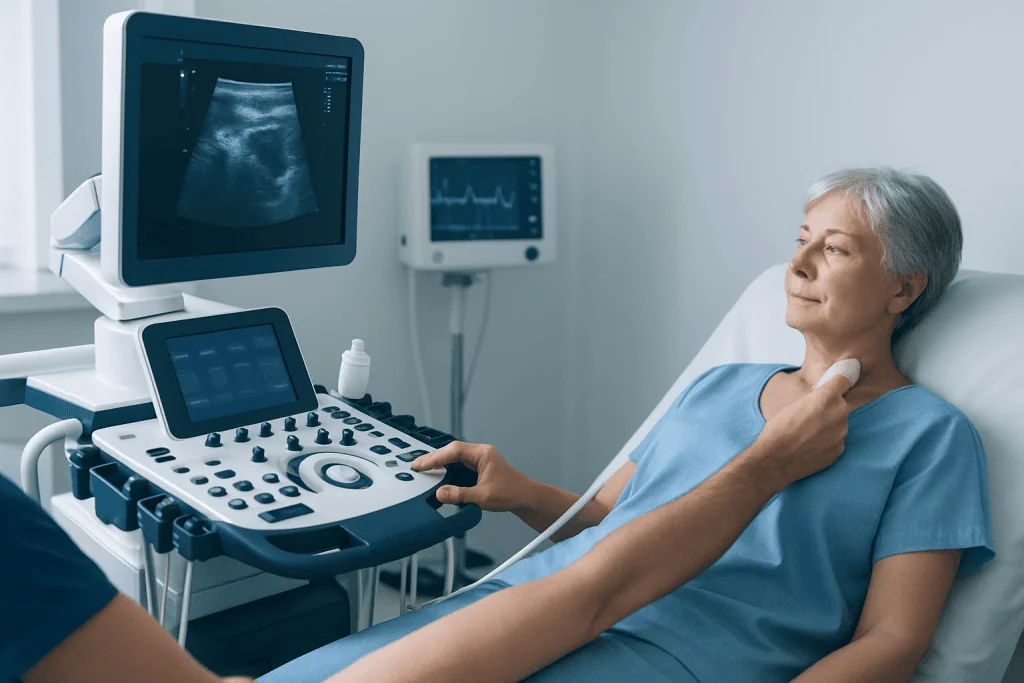
Additional tests may include blood tests, an electrocardiogram to look for heart rhythm abnormalities, heart ultrasound, carotid artery ultrasound, and monitoring in a stroke unit or intensive care setting. These tests help doctors choose immediate treatment and identify the cause, which is important for preventing another stroke.
Emergency Treatment Options
Treatment depends on the type of stroke, the timing of symptoms, the location of the problem, and the person’s overall condition. For selected people with ischemic stroke, clot-dissolving medicine may be given to help restore blood flow. This treatment has strict eligibility criteria and must be used within a defined time window after symptom onset. Doctors carefully weigh the potential benefit against the risk of bleeding.
Some ischemic strokes are caused by a large artery blockage. In appropriate patients, a procedure called mechanical thrombectomy may be performed to remove the clot through a catheter inserted into a blood vessel, usually through the groin or wrist. This treatment is carried out by specialized teams and may be considered based on imaging findings, timing, and clinical condition.
Hemorrhagic stroke treatment focuses on controlling bleeding, reducing pressure on the brain, managing blood pressure, reversing blood-thinning effects when appropriate, and treating the cause of bleeding. Some patients may need neurosurgical or endovascular procedures, such as repairing an aneurysm or removing a blood collection. Supportive care may include oxygen, fluids, careful monitoring, seizure treatment if needed, and prevention of complications such as pneumonia, blood clots in the legs, or swallowing-related problems.
Stroke Rehabilitation and Recovery
Rehabilitation usually begins as soon as the person is medically stable. The goal is to help the brain and body regain function, learn new strategies, and support safe daily living. Recovery often involves a multidisciplinary team that may include neurologists, rehabilitation physicians, nurses, physiotherapists, occupational therapists, speech and language therapists, dietitians, psychologists, social workers, and the person’s family or caregivers.
Physiotherapy may focus on strength, balance, walking, coordination, posture, and safe transfers from bed to chair. Occupational therapy helps with everyday activities such as dressing, bathing, cooking, writing, and returning to work or hobbies when possible. Speech and language therapy may address speaking, understanding language, reading, writing, voice, and swallowing. If swallowing is affected, a careful nutrition and safety plan can reduce the risk of choking or aspiration.
Stroke can also affect memory, attention, mood, behavior, and confidence. Emotional changes, anxiety, depression, fatigue, and frustration are common and deserve attention, not blame. Rehabilitation plans are individualized and updated over time as goals change. Progress may be gradual, and meaningful improvement can continue for months or longer with consistent therapy, home practice, medical follow-up, and support.
Prevention and Self-Care After Stroke
Preventing another stroke is a major part of recovery. Doctors may recommend medicines to control blood pressure, reduce cholesterol, manage diabetes, prevent clots, or treat heart rhythm problems. The exact medicines depend on the type and cause of stroke, so people should not start, stop, or change medications without medical advice.
Healthy daily habits can strongly support prevention and recovery. These may include eating a balanced diet rich in vegetables, fruits, whole grains, legumes, lean proteins, and healthy fats; limiting excess salt and highly processed foods; avoiding smoking; limiting alcohol; being physically active as recommended by the care team; maintaining a healthy weight; and managing sleep problems. People with swallowing difficulty should follow the texture and fluid recommendations given by their therapists.
Home safety is also important. Removing trip hazards, improving lighting, using recommended walking aids, installing grab bars, and planning safe bathroom routines can reduce falls. Caregivers may benefit from training in transfers, communication strategies, medication routines, and recognizing warning signs. Follow-up visits help monitor progress, adjust therapy, and manage risk factors over time.
When to See a Doctor
Any sudden stroke symptom should be treated as an emergency, even if it improves within minutes. Call emergency services immediately for facial drooping, arm or leg weakness, speech difficulty, sudden confusion, sudden vision loss, severe dizziness with balance problems, or a sudden severe headache. Driving the person to hospital is usually not recommended if emergency medical services are available, because trained teams can begin assessment and alert the stroke center in advance.
After discharge, medical review is needed if there are new or worsening symptoms, falls, swallowing problems, chest pain, shortness of breath, medication side effects, signs of depression, or difficulty managing daily care at home. Regular follow-up with neurology, rehabilitation, primary care, cardiology, or other specialists may be part of the plan.
For international patients, Acibadem International’s multidisciplinary specialists and JCI-accredited hospitals provide diagnosis, emergency stroke care, and rehabilitation planning for stroke and related neurological conditions. Patients should seek urgent local emergency care first whenever stroke symptoms begin, because time-sensitive treatment should not be delayed for travel.
Frequently asked questions
What does FAST mean in stroke?
FAST stands for Face, Arms, Speech, and Time. It reminds people to look for facial drooping, arm weakness, and speech difficulty, then call emergency services immediately. It is a quick screening tool, not a complete list of all stroke symptoms.
Can stroke symptoms go away on their own?
Yes, symptoms may improve or disappear, especially during a transient ischemic attack, or TIA. However, this can be a warning sign of a future stroke and needs urgent medical assessment. A person should not wait at home to see whether symptoms return.
What is the difference between ischemic and hemorrhagic stroke?
An ischemic stroke is caused by a blocked blood vessel that reduces blood flow to part of the brain. A hemorrhagic stroke is caused by bleeding in or around the brain. Because the treatments are different, brain imaging is needed before doctors decide on the safest emergency treatment.
How soon should rehabilitation start after a stroke?
Rehabilitation often begins in hospital once the person is medically stable. Early assessment helps prevent complications and sets realistic goals for movement, communication, swallowing, and daily activities. The timing and intensity of therapy depend on the person’s condition and doctor’s recommendations.
Is full recovery possible after a stroke?
Some people recover very well, while others have lasting difficulties that require ongoing support. Recovery depends on the type and severity of stroke, the area of the brain affected, the speed of treatment, general health, and rehabilitation. Even when recovery is incomplete, therapy and adaptive strategies can improve independence and quality of life.
How can another stroke be prevented?
Prevention usually includes controlling blood pressure, cholesterol, diabetes, heart rhythm problems, and other medical risks. Lifestyle steps such as not smoking, eating a heart-healthy diet, staying active within medical guidance, limiting alcohol, and taking prescribed medicines correctly are also important. Follow-up care helps tailor prevention to the cause of the stroke.
References
- World Health Organization
- American Heart Association and American Stroke Association
- European Stroke Organisation
- National Institute for Health and Care Excellence
- Centers for Disease Control and Prevention
This article is for general information only and is not a substitute for professional medical advice. Please consult a qualified doctor about your individual situation.
Explore treatments in Turkey — costs, top hospitals & a free quote
JCI-accredited · board-certified surgeons · reply within 24h
Check your numbers in seconds
BMI, calories, due date, blood pressure and 30+ more clinical calculators — free, instant, doctor-reviewed ranges.