The Lakes Treatment Center: How It Works, Results and What to Expect

Residential treatment provides a structured, substance-free setting with clinical and peer support. Detoxification is not the same as rehabilitation; detox manages withdrawal, while rehab addresses recovery skills and underlying needs.
Key Takeaways
- Residential treatment provides a structured, substance-free setting with clinical and peer support.
- Detoxification is not the same as rehabilitation; detox manages withdrawal, while rehab addresses recovery skills and underlying needs.
- Length of stay varies according to substance use, withdrawal risk, mental health, progress and practical circumstances.
- Phone access, visiting rules and daily schedules differ between residential programs and should be clarified before admission.
- Urgent medical assessment is important for severe withdrawal symptoms, overdose concerns, suicidal thoughts or immediate safety risks.
The Lakes Treatment Center generally refers to a residential-style setting for people seeking structured treatment for substance use and related mental health needs. While each program has its own rules and services, effective care commonly includes medical assessment, withdrawal support when needed, individual and group therapy, family involvement, and an aftercare plan.
Overview: How The Lakes Treatment Center Works
The Lakes Treatment Center is commonly searched as a residential addiction-treatment option. In general, residential programs help people step away from substances, triggers and daily pressures while receiving structured support for substance use disorder. The exact services, staffing, duration, rules and admission criteria depend on the individual center, so prospective patients should confirm these details directly with the program.
High-quality treatment begins with a comprehensive assessment. This explores the substances used, patterns of use, physical health, withdrawal history, medicines, mental health symptoms, trauma exposure, family and social circumstances, and immediate safety needs. The assessment helps the clinical team decide whether medically supervised withdrawal, residential rehabilitation, outpatient treatment or a combination of services is most appropriate.
Residential care is not simply a period of abstinence. Its central aim is to help a person build practical recovery skills, understand patterns that contribute to substance use, address co-occurring mental health conditions, and prepare for ongoing support after discharge. For people needing medical support with withdrawal or ongoing recovery planning, addiction treatment should be tailored to the individual rather than based on a fixed pathway.
Candidacy and Admission Assessment
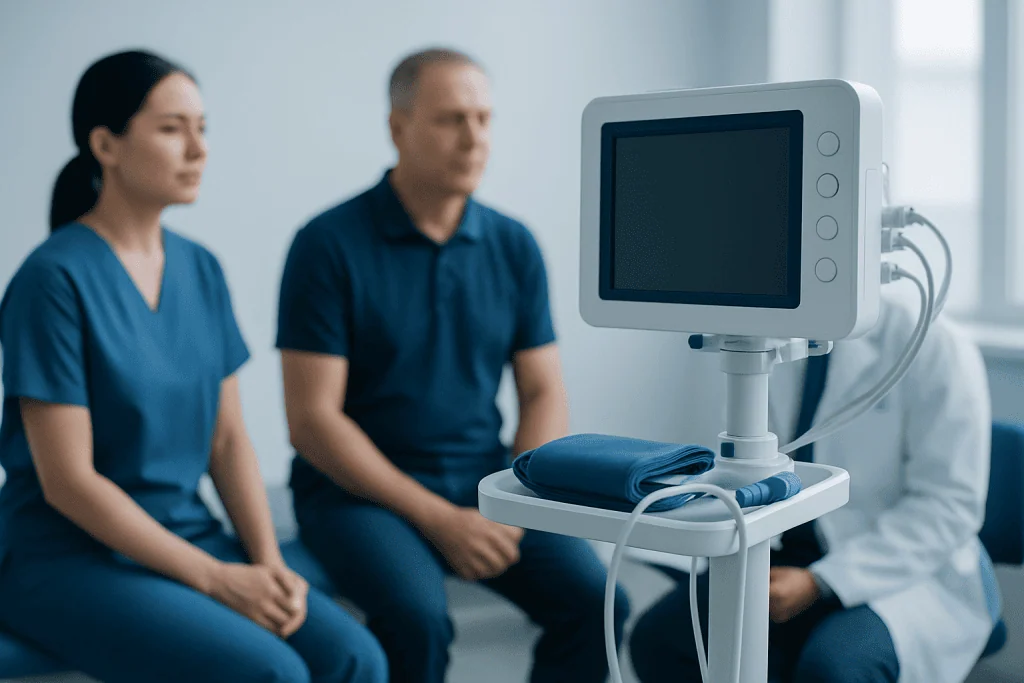
Residential treatment may be considered when substance use is causing significant health, relationship, work, legal or safety difficulties; when previous outpatient efforts have not provided enough support; or when a person needs distance from an environment strongly connected with substance use. It can also be helpful when co-occurring anxiety, depression, trauma-related symptoms or another mental health concern makes recovery more complex.
Not everyone requires residential care. Some people can be safely and effectively treated through outpatient counselling, intensive outpatient programs, medication treatment, community support or primary-care follow-up. Conversely, a person with severe withdrawal risk, serious medical illness, psychosis, acute intoxication or an immediate risk of self-harm may need urgent hospital-based assessment before entering a standard residential program.
Admission assessments usually include a medical history, mental health screening, substance-use history and review of current medicines. Staff may ask about prior seizures, delirium, overdose, pregnancy, chronic health conditions and suicidal thoughts because these factors affect the safest level of care. Honest answers help the team make a safer plan and are not a reason for judgment.
The Residential Treatment Process Step by Step

1. Intake and stabilization: On arrival, patients usually complete paperwork, a health and safety review, screening for urgent concerns and orientation to the facility. Personal belongings may be reviewed to maintain safety. The team explains daily routines, medication procedures, visiting arrangements, communication policies and what support is available.
2. Withdrawal management when needed: Some substances can cause uncomfortable or dangerous withdrawal. Clinicians monitor symptoms and may use evidence-based medicines and supportive care where appropriate. Detoxification helps a person become medically stable, but it does not by itself treat the behavioral, emotional and social aspects of addiction.
3. Therapeutic rehabilitation: Once stable enough to participate, patients commonly attend individual therapy, group sessions, educational workshops and recovery planning. Approaches may include cognitive behavioral therapy, motivational interviewing, relapse-prevention work and treatment for co-occurring mental health conditions. Family sessions may be offered when appropriate and with the patient’s consent.
4. Discharge and continuing care: Before leaving, the patient and team create a practical plan for housing, medicines, follow-up appointments, peer support, coping strategies and responses to relapse risk. Continuing care is an important part of recovery because adjustment to home, work and relationships can bring new challenges.
How Long Is a Typical Treatment Episode at a Residential Program?
A residential treatment episode can range from several weeks to several months, depending on the person’s clinical needs and the program’s model. Some people first spend a short period in medically supervised withdrawal management and then continue into rehabilitation, while others enter rehabilitation after completing detox elsewhere. There is no single duration that is right for everyone.
Length of stay is usually guided by withdrawal severity, medical and mental health needs, response to therapy, home environment, relapse risk and available follow-up support. A longer stay is not automatically better, and a shorter stay is not necessarily inadequate; the key issue is whether the plan matches the person’s needs and is linked to continuing care.
Before admission, it is reasonable to ask how treatment duration is reviewed, what factors influence discharge, and what support is arranged afterward. A clear plan should include follow-up clinical care and practical strategies for returning to daily life, rather than ending support abruptly.
Do You Get Your Phone in Residential Treatment Centers?
Phone policies vary widely across residential treatment centers. Some programs limit or pause phone access during the first days of treatment to support assessment, stabilization and engagement. Others allow scheduled calls, supervised access, or personal phones during specific hours. Rules may differ further for laptops, social media, visitors and video calls.
These boundaries are generally intended to protect privacy, reduce contact with people or situations linked to substance use, and help patients focus on treatment. However, communication with children, employers, legal representatives or supportive family members may be important. Programs often have processes for addressing these needs safely.
Patients should ask about communication policies before admission, including emergency contact arrangements, visiting hours, device storage, access to work or school obligations, and how family participation is handled. Knowing the policy in advance can reduce uncertainty and help families prepare.
Benefits, Risks and the Hardest Part of Rehab
Potential benefits of residential rehabilitation include a structured routine, separation from immediate triggers, regular contact with clinicians and peers, time to focus on health, and coordinated treatment for substance use and mental health needs. It can provide a supportive starting point for recovery, particularly when a person’s everyday environment is unstable or unsafe.
The hardest part of rehab differs from person to person. For some, it is coping with withdrawal symptoms, cravings or difficult emotions without using substances. For others, it is speaking honestly in therapy, repairing trust, accepting help, or returning to daily responsibilities after treatment. These challenges are common and can be addressed gradually with support.
Residential care also has limitations and possible stresses. Being away from family, work and familiar routines can feel difficult, and treatment may bring painful feelings or memories into focus. Relapse can occur after discharge, but it should be understood as a signal to reassess support and treatment needs rather than as a personal failure. People with depression or other co-occurring conditions may need integrated mental health care throughout recovery.
What Are Three Signs You Need to Detox?
Three signs that a person may need medically supervised detoxification are: withdrawal symptoms when they cut down or stop, such as shaking, sweating, nausea, anxiety or insomnia; needing the substance to feel normal or avoid withdrawal; and a history of severe withdrawal, including seizures, confusion, hallucinations or delirium. These signs should prompt prompt clinical assessment rather than an attempt to stop alone.
Other warning signs include escalating use, mixing substances, repeated overdose, serious medical problems, pregnancy, or significant mental health symptoms. Alcohol, benzodiazepines and some other sedative medicines can cause life-threatening withdrawal in some circumstances. Opioid withdrawal is often not life-threatening by itself but can be intensely distressing and may still require medical support, especially when other health concerns are present.
Detox should be planned with a qualified clinician whenever possible. Emergency services are needed for seizures, severe confusion, hallucinations, breathing difficulty, chest pain, loss of consciousness, suspected overdose, or thoughts of self-harm. After withdrawal management, ongoing treatment is important to reduce the risk of return to use and overdose.
When to Seek Medical Care
Urgent medical care is appropriate for suspected overdose, slowed or difficult breathing, bluish lips or skin, unconsciousness, seizures, severe agitation, hallucinations, confusion, chest pain, or severe dehydration. A person who has taken alcohol or drugs and cannot be awakened should be treated as an emergency. Local emergency services should be contacted immediately.
Prompt professional help is also important when someone is unable to reduce substance use despite harmful consequences, is experiencing withdrawal, has suicidal thoughts, or feels unsafe at home. A primary-care clinician, addiction medicine specialist, psychiatrist or emergency department can assess immediate risks and discuss the appropriate level of care.
For international patients, Acibadem International’s multidisciplinary specialists and JCI-accredited hospitals can assess substance-related health concerns and coordinate appropriate medical and mental health care. The most suitable treatment plan depends on a careful, confidential clinical evaluation and should include follow-up support after any intensive treatment episode.
Frequently asked questions
What is The Lakes Treatment Center?
The Lakes Treatment Center is a name commonly associated with residential treatment for substance use and related mental health needs. Specific services, rules and treatment models vary by location and program, so patients should contact the center directly for current admission information.
Is detox the same as rehab?
No. Detoxification focuses on managing withdrawal and helping a person become medically stable. Rehabilitation addresses the broader recovery process, including cravings, coping skills, mental health, relationships and relapse-prevention planning.
How long is a typical treatment episode at a residential program?
Residential treatment can last from weeks to months, depending on individual clinical needs and the program structure. The most appropriate length depends on withdrawal risk, co-occurring conditions, progress in treatment and the strength of the aftercare plan.
What are three signs you need to detox?
Common signs include withdrawal symptoms after reducing use, using a substance to prevent withdrawal, and a history of severe withdrawal such as seizures, hallucinations or confusion. A clinician should assess withdrawal risk, especially for alcohol and sedative medicines.
What is the hardest part of rehab?
The hardest part varies, but many people find it challenging to manage cravings and difficult emotions without substances. Being honest in therapy, rebuilding relationships and adapting to life after treatment can also require time and support.
Do you get your phone in residential treatment centers?
It depends on the center’s policies. Many programs limit personal phone use at first or allow access only at scheduled times, while others have different arrangements for family, work or emergencies. It is helpful to ask about phone and visitor rules before admission.
References
- World Health Organization
- National Institute on Drug Abuse
- Substance Abuse and Mental Health Services Administration
- American Society of Addiction Medicine
- National Institute on Alcohol Abuse and Alcoholism
This article is for general information only and is not a substitute for professional medical advice. Please consult a qualified doctor about your individual situation.
Explore treatments in Turkey — costs, top hospitals & a free quote
JCI-accredited · board-certified surgeons · reply within 24h