Gifts for Chemo Patients: How It Works, Results and What to Expect

The most meaningful gifts often provide practical help, comfort, flexibility, or connection rather than focusing on the illness. Chemotherapy can affect energy, appetite, immunity, skin sensitivity and sensory preferences, so personal needs may change from cycle to cycle.
Key Takeaways
- The most meaningful gifts often provide practical help, comfort, flexibility, or connection rather than focusing on the illness.
- Chemotherapy can affect energy, appetite, immunity, skin sensitivity and sensory preferences, so personal needs may change from cycle to cycle.
- Avoid giving supplements, herbal products, food, flowers or strongly scented items without checking with the patient or oncology team.
- The "7 day rule" is not a universal chemotherapy rule; it commonly refers to the period when blood counts may begin to fall after treatment, but timing differs by regimen.
- A gift after chemotherapy may recognize an important milestone while respecting that recovery and follow-up care can continue.
- Fever or signs of infection during chemotherapy need prompt medical advice, particularly when white blood cell counts may be low.
Gifts for chemo patients are most helpful when they reduce everyday burdens, support comfort, or provide caring companionship without adding pressure. Because chemotherapy experiences vary widely, a thoughtful check-in with the person or a close caregiver can help ensure a gift is welcome and safe.
Overview: choosing gifts for chemo patients
Gifts for chemo patients are best chosen for the person, not simply for the diagnosis. A useful present may make treatment days more comfortable, reduce practical tasks at home, or remind someone that support is available. The right choice depends on the individual’s treatment type, symptoms, routines, interests and preferences.
Chemotherapy uses medicines to destroy cancer cells or slow their growth. It may be used alone or alongside surgery, radiation therapy, immunotherapy, targeted treatment or hormone therapy. Side effects vary substantially, even among people receiving treatment for the same cancer, and can change during a course of care.
For this reason, the most considerate approach is often to ask a simple question: “Would practical support, comfort, distraction, or company be most useful right now?” If direct questions feel difficult, a family member or trusted caregiver may be able to advise. This approach can be especially helpful when selecting gifts for chemo patients breast cancer, as treatment plans and day-to-day needs can differ considerably.
How chemotherapy affects everyday needs
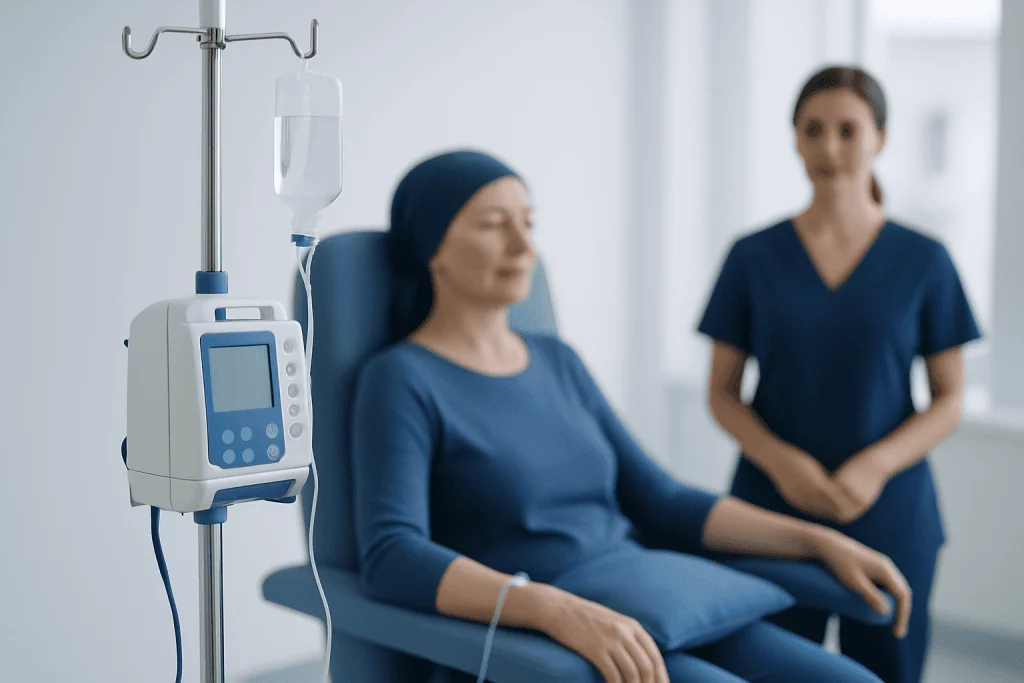
Chemotherapy is planned by an oncology team according to the cancer type, stage, treatment goal and a person’s overall health. Treatment may be given by infusion, injection, tablets or another route, usually in repeating cycles. A cycle includes treatment and a rest period that gives healthy tissues time to recover.
Possible effects include fatigue, nausea, appetite or taste changes, constipation or diarrhea, mouth soreness, sleep disruption, skin sensitivity, hair loss, low mood and difficulty concentrating. Not everyone has these effects, and many can be prevented or managed with supportive care. A person may feel relatively well on some days and need more rest on others.
Blood counts can also decrease during certain treatments, which can increase the risk of infection, bruising or anemia. A cancer care team monitors this with blood tests when appropriate. Understanding these changing needs can guide gift choices: flexibility and ease are usually more valuable than a gift that requires energy, travel or a fixed schedule.
What is a nice gift to give someone going through chemo?

A nice gift for someone going through chemotherapy is one that feels personal, gentle and useful. A soft blanket, comfortable socks, a reusable water bottle, a journal, an audiobook subscription, puzzle books, a tablet stand, a supportive cushion or a small care package for infusion appointments may be appreciated. Some people value a handwritten card more than an item.
Practical gifts can be particularly meaningful. Offering grocery delivery, prepared meals that suit the person’s preferences, transportation to an appointment, pet care, childcare, household cleaning, or help with administrative tasks can relieve pressure when energy is limited. Whenever possible, make the offer specific, such as arranging one meal delivery or taking a child to an activity.
Comfort items should take account of possible sensitivities. Fragrance-free moisturizers or lip balm may be appropriate for some people, but it is sensible to ask before choosing skin products. Strong perfumes, scented candles and essential oils can worsen nausea or headaches for some patients. Gifts should never imply that a person needs to look or feel positive all the time.
A thoughtful option is to provide choice, such as a flexible gift card for groceries, books, entertainment, transport or a preferred local service. This lets the recipient decide what is most helpful at the time. For people receiving cancer care, chemotherapy treatment plans and supportive needs should always be discussed with their clinical team.
What do chemo patients need most?
What chemo patients need most is individualized support: reliable help, respectful communication, and access to their oncology team when symptoms arise. Many people value someone who listens without trying to solve every problem. A brief message that does not require an immediate reply can help a person feel connected without creating another obligation.
On difficult days, practical assistance may matter more than a traditional present. Help with meals, laundry, errands, medication pickup, transport, child care, or coordinating visitors can preserve energy. It is best to ask permission before organizing support, since privacy and control are important during treatment.
Some gifts are best avoided unless the patient has confirmed they are wanted. These include vitamins, herbal remedies, detox products, unverified complementary treatments and special diets. These may interact with cancer medicines or cause side effects. Fresh flowers, plants, unwashed produce or homemade foods may also be unsuitable for some people with low white blood cell counts, depending on their care team’s advice.
For a person undergoing treatment for breast cancer, support may also be needed around surgery, reconstruction decisions, radiation therapy, work, family responsibilities or emotional adjustment. The same principle applies across cancer types: a useful gift respects the person’s medical guidance, wishes and changing capacity.
What is the 7 day rule in chemotherapy?
The “7 day rule in chemotherapy” is not a standard rule that applies to every patient or regimen. People sometimes use the phrase to describe the period after treatment when blood cell levels, particularly infection-fighting white blood cells called neutrophils, may begin to decline. For many chemotherapy regimens, the lowest blood counts, called the nadir, can occur around 7 to 14 days after treatment, but the exact timing varies.
The oncology team can explain an individual’s expected low-count period and whether special precautions are needed. They may advise careful hand hygiene, avoiding close contact with people who are unwell, following food-safety guidance, and checking before receiving vaccines or taking new medicines. These precautions should be individualized rather than based on a general online timeline.
Friends and family can support patients during this time by avoiding visits when they have cold, flu, stomach or other infection symptoms. They can also offer contact by phone or video, leave practical supplies at the door, or help with errands. This type of considerate support can be more helpful than an elaborate gift.
A temperature of 38°C (100.4°F) or higher may be an urgent concern during chemotherapy, particularly if low neutrophil counts are possible. The patient should follow the emergency instructions provided by their oncology team and seek medical advice promptly rather than waiting for symptoms to improve.
What is a good gift for someone finishing chemo?
A good gift for someone finishing chemotherapy acknowledges a meaningful milestone while leaving room for mixed feelings. Completing treatment can bring relief and pride, but some people continue to experience fatigue, emotional strain, lingering side effects or anxiety about follow-up care. A gift should celebrate the person without suggesting that recovery must happen immediately.
Appropriate ideas include a favorite meal delivered at a convenient time, a low-key outing planned only if the person feels ready, a personal photo book, a letter recognizing their resilience, a comfortable item for rest, or a flexible gift card. A practical home-support gift can still be valuable after the final infusion, since energy and blood counts may take time to recover.
It is helpful to ask what kind of recognition feels right. Some people may welcome a small celebration, while others prefer privacy or a quiet day. Ongoing contact after treatment is often meaningful; support should not disappear once chemotherapy ends.
Follow-up care remains important after chemotherapy. Depending on the cancer and treatment plan, it may include monitoring, rehabilitation, surgery, radiation, hormone therapy, targeted therapy or supportive care. Care teams can help patients understand the next steps and manage persistent side effects.
When to seek medical care
A person receiving chemotherapy should contact their oncology team promptly for symptoms the team has identified as urgent. These often include fever of 38°C (100.4°F) or higher, chills, new shortness of breath, chest pain, confusion, severe weakness, uncontrolled vomiting or diarrhea, signs of dehydration, unusual bleeding, a new rash, or pain and redness around an infusion site or central line.
Fever during chemotherapy should be treated seriously because infection can become more severe when white blood cell counts are low. Patients should not take medicines to lower a fever before seeking guidance unless their oncology team has specifically instructed them to do so, as this can mask an important symptom.
New or worsening symptoms do not always mean a serious complication, but they deserve timely assessment. The patient should use the contact numbers and after-hours instructions provided by their cancer center. In an emergency, local emergency services should be contacted.
Acibadem International’s multidisciplinary specialists and JCI-accredited hospitals diagnose and treat cancer for international patients, coordinating chemotherapy and supportive care according to each person’s clinical needs.
Frequently asked questions
Can I bring food as a gift for someone receiving chemotherapy?
Food can be welcome, but it is best to ask first because appetite, taste, nausea and food-safety guidance may change during treatment. Choose options that are easy to store and prepare, and avoid assuming that a particular diet is appropriate. If the person has low white blood cell counts, their oncology team may recommend additional food-safety precautions.
Are flowers safe gifts for chemo patients?
Flowers may be enjoyable for some people, but they are not suitable for everyone. If a patient has severe immune suppression, their care team may recommend avoiding flowers, plants, soil or standing water because of possible exposure to germs or mold. Asking the patient or caregiver first is the safest approach.
Should gifts include vitamins or herbal supplements?
Vitamins, herbal supplements and other complementary products should not be given without the patient’s oncology team knowing about them. Some products can interact with chemotherapy or other medicines, affect bleeding risk, or cause unwanted side effects. A practical or comfort-focused gift is usually a safer choice.
What should I say to a friend having chemotherapy?
Simple, honest words are often best, such as saying that you are thinking of them and are available to help. Avoid pressuring them to stay positive or asking for frequent updates. Offering one specific form of help, while accepting their answer, can feel supportive and respectful.
Can chemo patients receive visitors?
Many people can receive visitors if they feel well enough, but visitors should not come if they have symptoms of an infection or recent exposure to a contagious illness. The patient may also need rest, have appointments, or prefer short visits. It is considerate to ask before visiting and to respect any guidance from the oncology team.
When will someone feel normal after chemotherapy ends?
Recovery after chemotherapy is individual and depends on the medicines used, treatment duration, other treatments and overall health. Some side effects improve within weeks, while fatigue, nerve symptoms, emotional adjustment or changes in blood counts can take longer. Follow-up visits help the care team monitor recovery and address ongoing concerns.
References
- American Cancer Society
- National Cancer Institute
- American Society of Clinical Oncology
- Centers for Disease Control and Prevention
- World Health Organization
This article is for general information only and is not a substitute for professional medical advice. Please consult a qualified doctor about your individual situation.
GIFT in Turkey — costs, top hospitals & a free quote
JCI-accredited · board-certified surgeons · reply within 24h

More from the Health Library


Related Specialists

Assoc. Prof. Dr. Serhat Doğan
General Surgery
Prof. Dr. Mustafa Çorum
Manual Therapy
Dr. Ateş Önal
Anesthesiology
Prof. Dr. Yusufhan Süoğlu
Otorhinolaryngology