How Long Does a Heart Transplant Last: Procedure, Recovery and Results

A heart transplant is a treatment for selected people with end-stage heart failure or certain severe heart diseases. Long-term outcomes vary with donor-organ health, rejection, infection, kidney function, lifestyle and consistent medical follow-up.
Key Takeaways
- A heart transplant is a treatment for selected people with end-stage heart failure or certain severe heart diseases.
- Long-term outcomes vary with donor-organ health, rejection, infection, kidney function, lifestyle and consistent medical follow-up.
- The first weeks to months after surgery are especially important because risks of rejection, infection and surgical complications are highest.
- Anti-rejection medicines are lifelong and should never be stopped or changed without the transplant team's advice.
- Rehabilitation, monitoring and rapid reporting of new symptoms support recovery and long-term heart health.
A heart transplant can provide many years of life for people with advanced heart failure when other treatments are no longer effective. Many transplanted hearts function for more than 10 years, while some recipients live 20 to 30 years or longer with careful follow-up, anti-rejection medicines and healthy daily habits.
How long does a heart transplant last?
How long a heart transplant lasts varies from person to person. Many transplanted hearts continue to work for more than a decade, and some recipients live 20 to 30 years or longer after surgery. A transplant is not considered a cure, but it can offer longer survival and improved day-to-day function for carefully selected people with severe heart failure.
Long-term results depend on several factors, including the recipient’s overall health, the condition of the donor heart, how well rejection is prevented and treated, infections, kidney function, blood-vessel changes in the transplanted heart and adherence to follow-up care. Regular appointments, laboratory tests, imaging and medication management are central to protecting the new heart over time.
Transplant teams discuss prognosis individually because population averages cannot predict one person’s outcome. People considering surgery can ask their team about expected recovery, monitoring plans and the factors most relevant to their own heart disease and health status.
How a heart transplant works and who may be a candidate
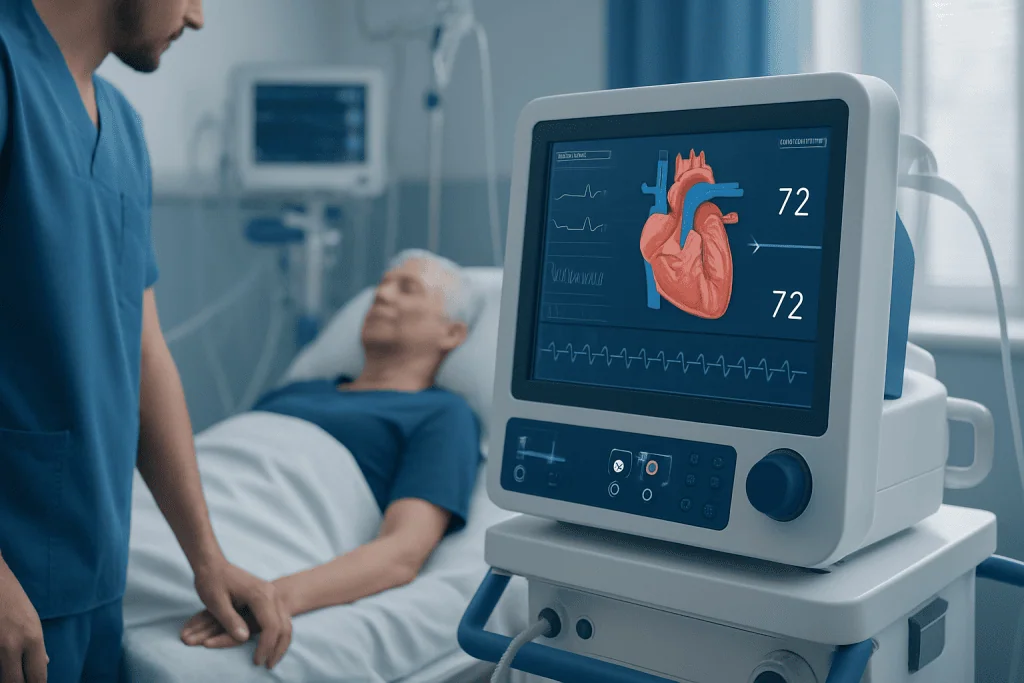
A heart transplant replaces a failing heart with a healthy donor heart. It is usually considered when advanced heart failure causes severe symptoms or repeated hospital admissions despite appropriate medicines, devices and other treatments. It may also be considered for selected people with serious cardiomyopathy, complex congenital heart disease or other conditions that cannot be managed effectively in another way.
Evaluation is detailed because transplantation involves major surgery and lifelong immune-suppressing treatment. The team assesses heart function, lung and kidney health, circulation, infection risk, cancer history, mental well-being, nutrition, social support and ability to take medicines and attend follow-up appointments. Waiting-list eligibility and donor-organ allocation follow established medical and ethical criteria.
Not everyone with severe heart disease is suitable immediately. Active uncontrolled infection, certain untreated cancers, serious irreversible disease in other organs or difficulty safely following the treatment plan may affect candidacy. In some cases, other options, including advanced heart-failure therapies, heart devices or heart transplant treatment, may be discussed by a multidisciplinary team.
The heart transplant procedure: step by step

Once a compatible donor heart becomes available, the recipient is admitted promptly to hospital. Compatibility involves blood type, body size, urgency and other clinical considerations. Before surgery, the team repeats key tests and confirms that transplantation remains appropriate.
During the operation, performed under general anaesthesia, surgeons open the chest through the breastbone and connect the patient to a heart-lung machine. The diseased heart is removed, while parts of the upper chambers may remain in place. The donor heart is then attached to the major blood vessels and allowed to begin beating, with medications or electrical support if needed.
After surgery, the patient is transferred to intensive care for close observation. Temporary tubes, drains, intravenous medicines and breathing support are common in the early stage. The exact length and complexity of surgery and hospital stay differ according to the person’s condition, previous operations and early recovery.
Recovery timeline and long-term follow-up
The earliest recovery period takes place in intensive care and then on the transplant ward. The clinical team monitors heart rhythm, blood pressure, breathing, fluid balance, wound healing and signs of infection or rejection. Patients begin gentle movement, breathing exercises and rehabilitation as their condition permits.
During the first several weeks and months, appointments are frequent. Tests may include blood work, echocardiography, electrocardiograms and heart biopsies or other assessments to look for rejection. A biopsy involves taking a very small tissue sample from the heart through a vein; it helps identify rejection that may not cause clear symptoms.
Recovery at home is gradual. Many people need several months before returning to more usual routines, although the timing varies widely. Cardiac rehabilitation, nutritious eating, sleep, emotional support and a staged return to activity can help. The transplanted heart does not have normal nerve connections at first, so the heart rate response to exercise may differ; the rehabilitation team can provide safe, individualized guidance.
Lifelong immunosuppressive medicines reduce the chance of rejection. Because they also increase susceptibility to infections and may affect the kidneys, blood pressure, blood sugar, bones or skin, long-term monitoring remains essential. Medicines should be taken exactly as prescribed and not stopped, skipped or supplemented with over-the-counter products without checking with the transplant team.
Benefits, risks and what affects long-term results
For eligible people with advanced heart failure, transplantation can relieve severe symptoms, improve the ability to be active and extend life. Some people are able to resume work, family responsibilities, travel and enjoyable activities after recovery. However, adjustment can take time, and physical as well as emotional rehabilitation is an important part of care.
The main risks include surgical complications, bleeding, blood clots, infection, rejection and side effects from immune-suppressing medicines. Over the years, some recipients develop cardiac allograft vasculopathy, a form of narrowing in the blood vessels of the transplanted heart. This condition may have few warning symptoms because the transplanted heart may not produce typical chest pain.
Rejection can occur early or later after transplant. It may be detected on routine tests before a person feels unwell, which is one reason scheduled follow-up is so important. Treatment can often be adjusted when rejection is found, but prompt assessment is needed.
Protecting long-term health includes avoiding tobacco, following advice on alcohol, maintaining a healthy weight, being physically active within medical guidance and keeping vaccinations up to date. Food safety, sun protection and regular screening for skin and other cancers are also commonly recommended because immune-suppressing medicines can change these risks.
What is the most critical time after a heart transplant?
The first days, weeks and months after a heart transplant are generally the most critical period. During this time, the body is adapting to major surgery, immune-suppressing medicines are being carefully adjusted and the risk of acute rejection, infection, bleeding, rhythm disturbances and other complications is highest.
Close monitoring in hospital and frequent outpatient visits help the transplant team identify problems early. Even after the first year, however, follow-up remains lifelong because rejection, infections, medication effects and blood-vessel disease can develop later. Ongoing care should be viewed as a long-term partnership between the recipient and the transplant team.
Can you live 30 years after a heart transplant?
Yes. Some people have lived 30 years or longer after a heart transplant, although this is not possible to predict for an individual. Outcomes have improved over time because of advances in surgery, donor matching, anti-rejection medicines, infection prevention and long-term monitoring.
Living many years with a transplanted heart requires consistent treatment and surveillance. Taking medicines reliably, attending scheduled testing, managing blood pressure and cholesterol, avoiding smoking and seeking care early for concerning symptoms can all support the best possible long-term outcome.
What is the hardest organ transplant to recover from?
There is no single organ transplant that is universally the hardest to recover from. Recovery depends on the person’s health before surgery, the complexity of the operation, whether complications occur, the need for rehabilitation and the practical demands of lifelong treatment.
Heart transplantation can be physically and emotionally demanding because recipients often have severe illness before surgery and need close monitoring afterwards. Lung, liver, intestine and combined-organ transplants may also involve complex recoveries for different reasons. Rather than comparing procedures, transplant teams focus on preparing each person for the specific recovery needs of their transplant.
What can you never do after a heart transplant?
After a heart transplant, a person should never stop or alter anti-rejection medicines without direct advice from the transplant team. They should also avoid smoking and recreational drugs, and should not ignore fever, new shortness of breath, sudden fatigue, fainting, swelling, palpitations or other symptoms that could signal infection, rejection or another complication.
Some activities and exposures may need lifelong precautions rather than absolute avoidance. For example, people may need food-safety measures, individualized guidance about travel and exercise, protection from excessive sun exposure, and medical advice before vaccines, supplements or new medicines. Contact sports or activities with a high risk of chest injury may not be appropriate for some recipients.
Restrictions can change as healing progresses. The safest approach is to ask the transplant team before making major changes in activity, diet, travel plans or medications, including herbal and non-prescription products.
When to seek medical care
A transplant recipient should contact the transplant team urgently for fever, chills, persistent cough, vomiting or diarrhoea, new shortness of breath, chest discomfort, rapid weight gain, leg swelling, reduced exercise tolerance, unusual tiredness, dizziness, fainting or a fast or irregular heartbeat. Changes around the surgical wound, such as increasing redness, drainage or pain, should also be reviewed promptly.
Emergency medical care is needed for severe difficulty breathing, fainting, signs of stroke, severe chest pain or any rapidly worsening symptoms. If possible, the person or accompanying family member should tell emergency clinicians that the patient has had a heart transplant and is taking immune-suppressing medicines.
For international patients, Acibadem International’s multidisciplinary specialists and JCI-accredited hospitals provide assessment and treatment for complex heart conditions, including transplant-related care. Ongoing care should always be coordinated with the patient’s dedicated transplant team.
Frequently asked questions
How long does a heart transplant last on average?
A transplanted heart may function for many years, commonly more than a decade. Some people live for several decades after transplant, but individual outcomes depend on health before surgery, rejection, infection, medication effects and ongoing follow-up.
Can a transplanted heart be rejected years later?
Yes. Rejection is most common early after transplant, but it can occur later as well. Regular monitoring is important because rejection may be detected by tests before noticeable symptoms develop.
Do heart transplant recipients take medicine for life?
Yes. Immune-suppressing medicines are needed lifelong to reduce the risk that the immune system will attack the donor heart. The medication plan may change over time, but it should only be adjusted by the transplant team.
How long is recovery after a heart transplant?
Hospital recovery often takes several weeks, followed by months of gradual healing, rehabilitation and frequent follow-up. The timeline differs depending on the person's health before surgery and whether complications occur.
Can a person exercise after a heart transplant?
Most people are encouraged to become physically active again through a supervised, gradual plan. Cardiac rehabilitation helps recipients rebuild strength and learn safe exercise levels after surgery.
What symptoms may suggest a problem after a heart transplant?
Fever, shortness of breath, unusual fatigue, swelling, rapid weight gain, palpitations, dizziness or a marked reduction in exercise tolerance should be reported promptly. These symptoms can have many causes, but early review is important after transplantation.
References
- International Society for Heart and Lung Transplantation
- National Heart, Lung, and Blood Institute
- American Heart Association
- NHS Blood and Transplant
- Mayo Clinic
This article is for general information only and is not a substitute for professional medical advice. Please consult a qualified doctor about your individual situation.
Heart care in Turkey — expert evaluation and treatment
JCI-accredited · board-certified surgeons · reply within 24h
Check your numbers in seconds
BMI, calories, due date, blood pressure and 30+ more clinical calculators — free, instant, doctor-reviewed ranges.