GIFT
GIFT, or gamete intrafallopian transfer, is an assisted reproduction method where eggs and sperm are placed together in the fallopian tube to support natural fertilization.

Quick answer
GIFT (gamete intrafallopian transfer) is an assisted reproduction technique in which eggs collected from the ovaries and laboratory-prepared sperm are placed together directly into a fallopian tube, usually by laparoscopy under anaesthesia. Fertilisation then happens inside the body rather than in the laboratory. It requires at least one open, functional fallopian tube and sperm quality adequate for natural fertilisation.
What Is GIFT (Gamete Intrafallopian Transfer)?
GIFT, or gamete intrafallopian transfer, is an assisted reproduction technique that places eggs retrieved from the ovaries together with laboratory-prepared sperm directly into a fallopian tube, so that fertilisation can happen inside the body rather than in a laboratory dish. It is intended for carefully selected patients who have at least one open, functional fallopian tube and sperm quality compatible with natural fertilisation. Some international patients weigh up GIFT when planning fertility treatment in Turkey, usually alongside a parallel discussion of IVF and other options, because the choice between these techniques depends on diagnosis rather than preference alone.
The name describes the procedure precisely. A gamete is a reproductive cell: the egg from the woman and the sperm from the man or sperm source. Intrafallopian transfer means that these cells are placed into the fallopian tube, the natural site where fertilisation usually occurs after ovulation. GIFT was developed in the earlier era of assisted reproduction as a way of helping eggs and sperm meet where nature intends them to meet, while still using the medical tools of ovarian stimulation, monitoring and egg retrieval.
In a GIFT cycle, the ovaries are stimulated with fertility medications so that more than one mature egg may develop. The eggs are collected using an ultrasound-guided retrieval procedure. A semen sample is processed in the laboratory to select motile, healthy-appearing sperm. The eggs and prepared sperm are then loaded into a fine catheter and placed together into one or both fallopian tubes, most commonly through a laparoscopic procedure performed under anaesthesia. If fertilisation occurs, the resulting embryo travels naturally along the tube towards the uterus, where implantation may take place.
It is worth being direct about where GIFT sits today. Most fertility centres perform it far less often than IVF, because IVF allows the embryology team to confirm that fertilisation happened, observe embryo development and select which embryo to transfer. GIFT offers none of that visibility. For a small group of patients, however, that trade-off is acceptable or even preferred, and GIFT remains a legitimate subject for discussion with a reproductive medicine specialist.
Infertility treatment is never only a medical decision. It is a deeply personal process that can involve hope, uncertainty, financial planning, cultural or religious values, and the emotional weight of time. Many people exploring assisted reproduction have already lived through months or years of disappointment, repeated testing or previous treatment attempts. Others are only beginning to understand why pregnancy has not happened as expected. Whichever describes you, the most useful starting point is a clear-eyed understanding of what each technique does, what it cannot do, and which one your test results actually point towards.
For international patients considering fertility care abroad, the most important question is not simply whether a treatment is available in Turkey or anywhere else. It is whether that treatment is appropriate for your medical situation, your values, your time frame and your safety. Because GIFT requires precise patient selection, ovarian stimulation, egg retrieval, sperm preparation and a minor surgical procedure, it should be planned by an experienced fertility team with access to modern reproductive diagnostics and close monitoring.
Is GIFT the same as IVF?
No. The defining difference is where fertilisation occurs. In IVF, eggs and sperm are combined in the laboratory, fertilisation is confirmed under the microscope, and a developing embryo is later transferred into the uterus. In GIFT, the eggs and sperm are transferred into the fallopian tube before fertilisation, so the medical team cannot directly confirm whether fertilisation has taken place. The two treatments share several stages, ovarian stimulation, monitoring and egg retrieval are broadly similar, but they diverge at the decisive moment. IVF gives the team information; GIFT keeps the earliest steps of conception inside the body and out of view.
Why is GIFT performed less often than IVF?
GIFT has become uncommon because IVF answers questions that GIFT leaves open. When a GIFT cycle does not lead to pregnancy, the team cannot say whether the eggs fertilised, whether an embryo formed, or where the process stalled. IVF, by contrast, shows fertilisation and embryo development directly, which helps guide the next attempt. GIFT also requires laparoscopy, a surgical procedure under anaesthesia, whereas a standard IVF embryo transfer is usually a simpler outpatient step. For most diagnoses, IVF therefore offers more information for a comparable or lower physical burden, which is why it dominates modern fertility pathways.
Why do some patients still ask about GIFT?
The most common reason is a personal, ethical or religious preference for fertilisation to occur inside the body rather than in a laboratory. For some patients and couples, that distinction matters deeply, and GIFT is one of the few assisted techniques that respects it while still using ovarian stimulation and medical timing to improve the chance that egg and sperm meet. Other patients encounter the term while researching alternatives after unsuccessful simpler treatments. In both cases, the honest position is the same: GIFT can only be considered when the fallopian tubes and sperm parameters make in-body fertilisation realistic.
Who May Be a Candidate for GIFT?
Patients usually come to consider GIFT after a fertility evaluation shows that natural conception is unlikely or has not occurred despite regular unprotected intercourse. Infertility is commonly defined as not achieving pregnancy after 12 months of trying, or after 6 months if the woman is 35 or older. Earlier evaluation may be recommended when there are known gynaecological conditions, irregular cycles, previous pelvic infections, endometriosis, prior surgery or male fertility concerns.
People exploring GIFT often arrive with a similar set of questions: can fertilisation happen inside my body; do my tubes need to be healthy; how is this different from IVF; how long would I need to stay abroad? These are the right questions, because GIFT combines elements of ovarian stimulation and egg retrieval with a surgical transfer into the fallopian tube. It is more involved than intrauterine insemination and less commonly used than IVF, so the case for it has to be built on your specific findings.
The signs that lead to fertility testing in the first place vary widely. They may include irregular or absent periods, very painful menstruation, known endometriosis, a history of pelvic inflammatory disease, a previous ectopic pregnancy, repeated pregnancy loss, or no symptoms at all. Male partners may have abnormal semen analysis results, prior testicular surgery, hormonal concerns, or lifestyle and medical factors affecting sperm production. In many couples, infertility remains unexplained even after thorough standard testing.
Does GIFT require open fallopian tubes?
Yes: this is the non-negotiable requirement. GIFT depends on at least one open and functional fallopian tube, because the tube is where fertilisation must occur and the route along which any resulting embryo must travel to the uterus. If both tubes are blocked, severely damaged or surgically removed, GIFT cannot work, and no amount of preference or planning changes that. It is also important to understand that an open tube is not automatically a healthy one: scarring, prior infection or hydrosalpinx can leave a tube technically patent on imaging but poorly able to support fertilisation and transport. This is one reason tubal assessment before GIFT has to be careful rather than cursory.
What tests are needed before GIFT?
For the female partner, the pre-treatment work-up usually includes hormone tests to evaluate ovarian reserve and ovulation, transvaginal ultrasound to assess the uterus and ovaries, and imaging to confirm that at least one fallopian tube is open. Common tubal assessment methods include hysterosalpingography, ultrasound-based tubal testing or, in selected cases, laparoscopy. The uterine cavity is also evaluated to identify polyps, fibroids, adhesions or congenital differences that could reduce the chance of implantation, since some of these can be treated before an assisted reproduction cycle begins.
For the male partner, semen analysis is essential. The laboratory assesses semen volume, sperm concentration, motility and morphology. If results are abnormal, repeat testing and further evaluation may be recommended. Because GIFT relies on sperm fertilising the egg inside the fallopian tube without direct laboratory assistance, sperm function must be adequate for that task. When sperm quality is significantly reduced, treatments that allow more direct help with fertilisation, such as IVF with intracytoplasmic sperm injection, are usually the better-founded choice.
Putting this together, the typical GIFT candidate has ovulatory function that can respond to stimulation, at least one healthy fallopian tube, a normal or treatable uterine cavity, and sperm parameters compatible with natural fertilisation. Some candidates choose GIFT for value-based reasons connected to where fertilisation takes place. Others ask about it after unsuccessful attempts with less invasive treatments. In every case, a fertility specialist should explain whether GIFT is medically reasonable for you, or whether another approach offers a clearer path, and should be able to justify that recommendation from your results.
Conditions and Indications GIFT May Address
GIFT may be considered for selected infertility situations in which fertilisation inside the reproductive tract is possible and the fallopian tubes are functional. It is not a universal fertility treatment, and in many situations IVF or another approach is more suitable. Its role is best understood within a personalised fertility plan rather than as a stand-alone choice.
One possible indication is unexplained infertility, where ovulation, semen analysis, tubal testing and uterine evaluation reveal no clear cause, yet pregnancy has not occurred. Some patients with unexplained infertility begin with ovulation induction or intrauterine insemination; others move to assisted reproduction sooner, depending on age, the duration of infertility and prior treatment history. Where the tubes and sperm are suitable, GIFT is one of the techniques that can enter that discussion.
GIFT may also be discussed for mild male factor infertility, when sperm quality is slightly reduced but still considered sufficient for fertilisation inside the body. If sperm count, motility or morphology is significantly impaired, however, IVF with advanced laboratory fertilisation techniques is generally more appropriate, because GIFT gives the sperm no laboratory assistance at the moment of fertilisation.
Some patients with cervical factor infertility, where sperm passage through the cervix appears impaired, could theoretically benefit from placement of gametes beyond the cervix. In modern practice, intrauterine insemination or IVF is more commonly used for this problem, but the underlying principle is the same across all of these treatments: therapy is chosen according to where the barrier to conception appears to be.
GIFT may be considered in selected patients with early-stage or treated endometriosis, provided that ovarian reserve, pelvic anatomy and tubal function are favourable. More advanced endometriosis can cause adhesions, tubal damage, ovarian cysts or inflammatory changes that affect fertility, and usually calls for a different strategy.
Finally, some patients ask about GIFT because they wish to avoid laboratory embryo culture altogether. Here the indication is partly medical and partly value-based, and both parts deserve respect. A responsible fertility team will set out plainly what GIFT can and cannot offer, including the fact that fertilisation cannot be observed and that IVF would provide more information during treatment, and then let you weigh that against what matters to you.
GIFT is not appropriate when both fallopian tubes are blocked, absent, severely scarred or non-functional. It is also not typically recommended for severe male factor infertility, for very low ovarian reserve where egg numbers are expected to be extremely limited, for untreated uterine abnormalities that would reduce implantation, or where medical conditions make pregnancy unsafe without further evaluation and preparation.
How GIFT Is Performed, Step by Step
GIFT is a coordinated treatment cycle rather than a single appointment. It involves preparation, ovarian stimulation, monitoring, egg retrieval, sperm preparation, transfer into the fallopian tube and follow-up, usually planned over several weeks. The exact schedule depends on your menstrual cycle, test results, medication protocol and, for international patients, travel arrangements. In outline, the sequence runs as follows:
- Step 1: Detailed consultation, review of records and confirmation that GIFT is medically appropriate.
- Step 2: Ovarian stimulation with fertility medications, adjusted according to response.
- Step 3: Monitoring with transvaginal ultrasound and blood hormone tests.
- Step 4: Trigger medication when follicles reach appropriate maturity, followed by precisely timed egg retrieval.
- Step 5: Semen collection and laboratory preparation of motile sperm on the same day.
- Step 6: Laparoscopic transfer of eggs and prepared sperm into the fallopian tube.
- Step 7: Recovery, luteal support and a blood pregnancy test at the recommended time.
Initial consultation and treatment planning
The first step is a detailed consultation with a reproductive medicine specialist. The physician reviews medical history, previous fertility tests, prior pregnancies or losses, surgeries, menstrual patterns, medications, genetic risks and any earlier fertility treatments. For international patients, much of this early information can be reviewed before travel, medical reports, ultrasound findings, hormone tests, semen analyses and imaging studies all inform the plan before you leave home.
At this stage, the team determines whether GIFT is genuinely appropriate: whether at least one fallopian tube is open and likely functional, whether ovarian stimulation is reasonable, and whether sperm quality is adequate for in-body fertilisation. If important information is missing, additional testing may be recommended before a final plan is made. The physician also discusses alternatives: IVF, intrauterine insemination, fertility surgery, donor options where applicable, or fertility preservation, so that GIFT is chosen against a full picture rather than in isolation.
Ovarian stimulation and monitoring
During a GIFT cycle, fertility medications are used to encourage the ovaries to develop multiple follicles. Each follicle may contain an egg, although not every follicle yields a mature one. The aim is to increase the chance that one or more eggs will be available for fertilisation while avoiding an excessive ovarian response, which carries its own risks.
Monitoring is central to both safety and timing. You attend transvaginal ultrasound examinations so the physician can measure follicle growth, and blood tests to assess hormone levels. Medication doses may be adjusted according to how your ovaries respond. Modern ultrasound imaging shows follicle number and size, ovarian appearance and endometrial development; laboratory hormone testing supports decisions about medication timing and reduces avoidable risk. This is not a phase to compress or skip: the quality of monitoring shapes everything that follows.
When the follicles reach appropriate maturity, a trigger medication is given to complete the final maturation of the eggs. Timing from this point is precise: egg retrieval is scheduled for a specific interval after the trigger so that the eggs can be collected before ovulation releases them.
Egg retrieval and sperm preparation
Egg retrieval is usually performed under ultrasound guidance. A thin needle is passed through the vaginal wall into the ovarian follicles to gently aspirate the follicular fluid, which the embryology laboratory examines to identify eggs. The procedure is carried out with anaesthesia or sedation for comfort, and most patients can return to their accommodation later the same day after a period of observation.
On the same day, a semen sample is collected, or a previously arranged sample may be used when appropriate. The laboratory processes the sample to concentrate motile sperm and remove seminal fluid and debris. This preparation step matters: because the sperm will receive no further laboratory help once placed in the tube, the sample transferred alongside the eggs should be as well selected as possible.
Transfer into the fallopian tube
The defining step of GIFT is the placement of eggs and sperm together into the fallopian tube. This is most commonly performed by laparoscopy, a minimally invasive surgical technique. Small incisions are made in the abdomen, and a slender camera allows the surgeon to view the pelvic organs directly. The eggs and prepared sperm are drawn into a fine catheter and delivered into the fallopian tube under visual guidance.
Laparoscopy has a secondary value here: it lets the physician confirm pelvic anatomy, identify the healthiest tube, and sometimes observe findings such as adhesions or endometriosis that imaging had not fully revealed. The surgical approach, and any additional steps that might become relevant during the procedure, are discussed with you in advance whenever possible.
The transfer itself is relatively brief, but the full appointment takes considerably longer because of anaesthesia, preparation, operating theatre time and recovery observation. Expect the day of retrieval and transfer to be tightly scheduled and medically supervised from start to finish.
Technology used during GIFT
GIFT relies on several kinds of medical technology working in concert. High-resolution ultrasound supports ovarian monitoring and egg retrieval. Hormone testing guides medication timing. The andrology laboratory prepares sperm using established selection techniques. Laparoscopic surgical equipment allows access to the fallopian tube through small incisions with magnified visualisation, and anaesthesia monitoring supports comfort and safety throughout the procedures.
Although GIFT does not involve embryo culture in the way IVF does, it still requires an experienced reproductive laboratory and meticulous coordination. The quality of monitoring, timing, egg handling, sperm preparation and surgical transfer all bear directly on the treatment, which is why GIFT belongs in centres that run full assisted reproduction programmes, not as an isolated procedure.
After the procedure and pregnancy testing
After GIFT, you are monitored while recovering from anaesthesia. Mild abdominal discomfort, bloating, shoulder-tip discomfort from the laparoscopy gas, or light spotting can occur. Most patients are advised to rest on the day of the procedure and to avoid strenuous activity for a short period afterwards. The care team provides individualised instructions covering medications, activity, travel and warning symptoms to watch for.
Hormonal support may be prescribed by the treating physician during the luteal phase to support the uterine lining. A blood pregnancy test is usually scheduled approximately two weeks after the procedure. Testing earlier can produce confusing results, particularly while trigger medications are still influencing hormone levels. If pregnancy occurs, early ultrasound follow-up is important to confirm its location and development, attention to the possibility of ectopic pregnancy applies to any fertility treatment involving the fallopian tubes.
How long does a GIFT cycle take?
A full GIFT cycle typically unfolds over several weeks, from the start of ovarian stimulation through monitoring, the retrieval-and-transfer day, and the wait until the blood pregnancy test roughly two weeks later. The retrieval and tubal transfer themselves are usually completed within a single, carefully organised day. The exact calendar depends on your menstrual cycle, the stimulation protocol chosen, how your ovaries respond and, for patients travelling from abroad, how the monitoring phase is arranged between your home country and the treating centre. No two schedules are identical, and a realistic timeline should come from your own treatment plan rather than from averages.
GIFT, ZIFT and IVF: What Is the Difference?
GIFT, ZIFT and IVF are related techniques that differ in where fertilisation happens and what is transferred. In GIFT, unfertilised eggs and prepared sperm are placed into the fallopian tube, and fertilisation, if it occurs, happens inside the body. In ZIFT (zygote intrafallopian transfer), fertilisation takes place in the laboratory as in IVF, and the fertilised egg, or zygote, is then transferred into the fallopian tube rather than the uterus. In IVF, fertilisation and early embryo development both occur in the laboratory, and an embryo is transferred into the uterus.
These distinctions matter for two practical reasons. First, information: ZIFT and IVF confirm fertilisation before anything is transferred, while GIFT cannot. Second, procedure burden: both GIFT and ZIFT require a tubal transfer, usually laparoscopic, whereas IVF’s uterine embryo transfer is generally a simpler step without surgery. Like GIFT, ZIFT is now uncommon in most centres, having been largely superseded by IVF. Understanding all three helps you ask sharper questions in your consultation, including why a particular technique is being recommended for your situation and not the others.
Why Acting Early Matters
Time is a significant factor in fertility care. Female fertility is closely related to age, egg number and egg quality. While many people conceive later in life, the probability of pregnancy generally decreases with advancing maternal age, and the risks of miscarriage and chromosomal abnormalities increase. Delaying evaluation can therefore quietly narrow the range of effective options available to you.
Acting early does not mean rushing into assisted reproduction. It means obtaining a clear diagnosis and understanding your realistic choices while they are still open. Some patients benefit from simpler treatments. Others are better served by being told, honestly and early, not to spend months on approaches unlikely to work for their situation. Early evaluation is especially important for women over 35, and for anyone with known endometriosis, irregular ovulation, previous pelvic infection, a prior ectopic pregnancy, a history of cancer treatment or an abnormal semen analysis.
Delay can also allow underlying conditions to progress. Endometriosis, fibroids, hydrosalpinx, hormonal disorders and metabolic conditions can each affect both fertility and the health of a future pregnancy. Identifying them before treatment improves planning and reduces avoidable complications. On the male side, early assessment may uncover hormonal, genetic, urological or lifestyle factors that deserve attention in their own right.
For patients considering GIFT specifically, early testing carries extra weight, because the entire treatment stands or falls on fallopian tube function. If tubal disease is present, GIFT is off the table, and your time is better directed towards alternatives from the outset. A timely, thorough evaluation clarifies whether GIFT aligns with both the medical evidence and your personal priorities, before you have invested months in the wrong direction.
Benefits of GIFT
The potential benefits of GIFT depend entirely on careful patient selection, and they should always be weighed against other fertility treatments before a decision is made. For the right candidate, they include the following.
| Benefit | What It Means for You |
|---|---|
| Fertilisation occurs inside the body | For patients with personal, ethical or religious preferences about where fertilisation takes place, GIFT may feel more aligned with their values than laboratory fertilisation. |
| Uses the natural fallopian tube environment | Eggs and sperm are placed where fertilisation normally occurs, allowing the earliest steps of conception to happen within the reproductive tract. |
| May be an option for selected unexplained infertility | When standard testing does not identify a clear cause and the tubes and sperm are suitable, GIFT may be discussed as part of an assisted reproduction plan. |
| Combines medical monitoring with natural fertilisation | Ovarian stimulation and precise timing increase the opportunity for eggs and sperm to meet, while fertilisation itself is not performed in the laboratory. |
| Provides direct pelvic visualisation | Because transfer is usually laparoscopic, the physician can view pelvic anatomy and may identify findings that were not fully apparent on imaging. |
Risks and Limitations of GIFT
An honest account of GIFT has to include what it cannot tell you. Because fertilisation and early embryo development happen out of sight, the team cannot know whether the eggs fertilised, whether an embryo formed, or at what point an unsuccessful cycle failed. That absence of information makes it harder to refine the plan for a subsequent attempt, and it is the single strongest argument in favour of IVF for many patients.
GIFT also carries the general considerations of any stimulated assisted reproduction cycle. Ovarian stimulation must be monitored closely to reduce the risk of an excessive response, including ovarian hyperstimulation syndrome. Egg retrieval and laparoscopy are established procedures, but each involves anaesthesia and the small procedural risks that accompany any surgical intervention, which your team will explain in your own context before you consent.
Because eggs and sperm are placed into the fallopian tube, appropriate follow-up after a positive pregnancy test matters: early ultrasound is used to confirm that a pregnancy is developing in the uterus. And because more than one egg may be transferred, the possibility of a multiple pregnancy is part of the pre-treatment discussion, with the number of eggs transferred decided deliberately rather than by default.
Finally, GIFT’s suitability limits are themselves a form of risk if ignored. Proceeding with GIFT despite compromised tubes, significantly reduced sperm quality or an untreated uterine problem does not merely lower the chance of success: it spends time, money and emotional reserves on a mismatch. A good result begins with choosing the treatment that fits the diagnosis, not with choosing a procedure by name.
Recovery Timeline After GIFT
Recovery varies with medication response, anaesthesia, the findings at laparoscopy and your general health, but many patients follow a broadly similar pattern after treatment.
| Time Period | What Patients Can Expect |
|---|---|
| Day 1 | Most patients rest after anaesthesia and laparoscopy. Mild cramping, bloating, spotting or shoulder discomfort may occur. A companion is usually needed for travel back to the hotel or home. |
| First Week | Light daily activities can often resume within a few days, depending on the physician’s advice. Strenuous exercise, heavy lifting and intercourse may be restricted for a short period. |
| Two Weeks | Hormonal support prescribed by the treating physician may continue. A blood pregnancy test is performed at the recommended time; early home testing can be misleading and is best avoided if so advised. |
| First Month | If pregnancy is confirmed, follow-up blood tests and ultrasound may be arranged to assess early development and confirm that the pregnancy is in the uterus. |
| Longer Term | If the cycle is not successful, the team reviews the ovarian response, egg numbers, sperm parameters and procedure details, and discusses next options, which may include a different approach such as IVF. |
Factors That Influence Outcomes
Success with GIFT is shaped by many of the same factors that govern fertility in general. The most important is often the woman’s age, because egg quality and chromosomal normality decline over time. Ovarian reserve also matters, since it affects how many eggs may be available after stimulation. A larger number of mature eggs can widen the opportunity for fertilisation, but that goal must always be balanced against safety and the risk of ovarian hyperstimulation.
Fallopian tube health is central in a way that is unique to GIFT. The tube must not only be open; it must be able to support fertilisation and then transport an early embryo towards the uterus. Scarring, adhesions, hydrosalpinx, prior infection or a previous ectopic pregnancy may reduce the chance of success or increase risk. Imaging can confirm that a tube is patent, but it cannot fully predict how well that tube functions: a limitation worth understanding before you commit.
Sperm quality is the other pillar. Because fertilisation occurs inside the tube without direct laboratory injection, the sperm must be capable of reaching and fertilising the egg unaided. Mild abnormalities may still be compatible with GIFT, but more significant male factor infertility usually points firmly towards other treatments.
The uterus and endometrium must also be ready for implantation. Fibroids that distort the uterine cavity, endometrial polyps, adhesions, chronic inflammation or congenital uterine differences can each reduce the chance of pregnancy, and some of these conditions can be treated before assisted reproduction begins, another argument for a complete evaluation rather than a hurried one.
Execution matters too. The stimulation protocol and the timing of the trigger, retrieval and transfer must be coordinated precisely; even small timing errors can affect egg maturity and availability. This is why frequent monitoring and experienced clinical judgement are not optional extras but core components of the treatment.
General health plays a meaningful role across the whole process. Thyroid disease, uncontrolled diabetes, significant obesity or underweight, smoking, certain medications, autoimmune conditions and untreated infections can all affect fertility and pregnancy. Preconception care, vaccination review, medication review with the treating doctor, and lifestyle counselling may be recommended before a cycle starts.
And it bears repeating: GIFT’s structural limitation is that fertilisation and early embryo development cannot be observed. IVF provides more laboratory information at each decision point, which is why it is more commonly recommended within modern fertility pathways. The strongest predictor of a sensible outcome is not the technique’s name but the fit between the technique and your diagnosis.
Coming to Turkey for GIFT Treatment as an International Patient
If you are considering travelling to Turkey for GIFT or another assisted reproduction treatment, planning begins well before any flight. The useful first phase happens on paper: existing test results, imaging reports, semen analyses, operative notes and details of previous treatments can be reviewed remotely, so that the treating team can assess whether GIFT is even the right question for your case before you commit to travel. If key information is missing, most often up-to-date tubal assessment or recent hormone testing, that gap can be identified early, sometimes with testing arranged in your home country.
A typical care pathway for a treatment cycle abroad covers the specialist consultation, the diagnostic work-up or its review, the ovarian stimulation and monitoring phase, the retrieval-and-transfer day with anaesthesia and recovery observation, and a clear follow-up plan for the two-week wait and beyond. Because stimulation requires repeated ultrasound and blood monitoring over a number of days, international patients should plan for a meaningful stay around the treatment window rather than a brief visit; the exact structure of that stay depends on your protocol and is agreed with the treating team in advance.
Two practicalities deserve particular attention. First, travel timing after laparoscopy: flying is usually possible after a short recovery period, but the decision should follow your physician’s individual advice rather than a general rule. Second, follow-up continuity: the blood pregnancy test roughly two weeks after transfer, and any early pregnancy ultrasound, can often be coordinated between the treating centre and clinicians at home, so that leaving Turkey does not mean leaving the plan. Ask how results, prescriptions written by the treating doctor and next-step decisions will be communicated once you are back: a well-run programme will have a concrete answer.
Why International Patients Choose Acibadem for Fertility Care
Patients travelling abroad for fertility treatment usually need more than a medical appointment. They need clarity, coordination, privacy and confidence that their care will be planned responsibly before they leave home. At Acibadem, international fertility patients are supported by medical teams and international patient services that understand the practical and emotional complexity of cross-border care.
Care is led by experienced physicians in reproductive medicine, gynaecology, embryology and related specialties. When a case is complex, input may be sought from additional specialists such as urology, endocrinology, genetics, maternal-foetal medicine, anaesthesiology or minimally invasive gynaecological surgery. This multidisciplinary approach matters most when infertility is associated with endometriosis, fibroids, recurrent pregnancy loss, male factor infertility, genetic concerns or medical conditions that could affect pregnancy safety.
For GIFT specifically, the evaluation has to be precise. The team must determine whether the fallopian tubes are appropriate, whether ovarian stimulation is advisable, whether sperm parameters are compatible with in-body fertilisation, and whether an alternative treatment would provide more useful information or a better medical fit. Patients receive individualised counselling rather than a one-size-fits-all pathway, and diagnostic work may include detailed ultrasound assessment, hormone testing, semen analysis, tubal evaluation, uterine cavity assessment and preconception review. Where surgical evaluation or treatment is needed, minimally invasive techniques are used where appropriate. Technology in fertility care is valuable not because it replaces clinical judgement, but because it helps physicians make safer, more accurate decisions.
International patient services coordinate appointments, medical record review, language support, hospital navigation and scheduling. Support is available in more than 20 languages, which makes communication easier for patients and partners at a time when details matter. Transparency in decision-making is treated as part of the care itself: because GIFT is less commonly performed than IVF, a proper consultation includes a clear explanation of why it is or is not recommended in your case, along with the expected steps, possible risks, alternatives, medication burden, recovery and travel timing. While no fertility centre can promise a pregnancy, a thoughtful, well-communicated care process helps patients understand their options and move forward with realistic expectations.
Moving Forward With an Informed Fertility Plan
GIFT is a specialised assisted reproduction method that places eggs and sperm together in the fallopian tube so that fertilisation can occur inside the body. For selected patients with healthy fallopian tubes, suitable sperm parameters and a strong preference for in-body fertilisation, it may earn a place in the fertility discussion. For many others, IVF or another treatment is the sounder choice, because it provides more information about fertilisation and embryo development at each step.
Whichever direction your evaluation points, the process works best when it is grounded in complete information. Prior test results, imaging reports, semen analyses, operative notes and details of previous treatments all sharpen a specialist’s recommendation, and a second opinion in reproductive medicine can be a legitimate part of understanding whether GIFT fits your diagnosis, your values and your plans. Fertility care is most effective when it is individualised: the goal is never simply to perform a procedure, but to identify the safest and most medically appropriate path towards pregnancy for your particular circumstances.
Preparation
- Preparation includes fertility evaluation, hormone testing, ultrasound monitoring, and ovarian stimulation to develop multiple eggs. A semen sample is collected and prepared on the day of the procedure. Because GIFT usually involves laparoscopy, fasting and anesthesia assessment may be required before the transfer.
Aftercare
- After the procedure, patients usually rest briefly and can return home the same day. Mild pelvic discomfort, bloating, or spotting may occur for a few days. Strenuous activity should be avoided as advised, and a pregnancy test is typically scheduled about two weeks later.
Frequently Asked Questions
What affects the cost of GIFT treatment?
The final cost depends on whether GIFT is suitable and available, the required tests, stimulation medication, monitoring visits, egg retrieval, sperm preparation, anaesthesia, hospital services, and any additional fertility techniques that may be recommended. Travel and accommodation can also affect the total budget.
How can I get a personalised quote for GIFT in Turkey?
You can request a free consultation with the international patient team. A fertility specialist will review your medical history, previous test results, and treatment goals before confirming whether GIFT or another option is appropriate and preparing a personalised estimate.
Is GIFT always cheaper than IVF?
Not necessarily. GIFT may require similar preparation to IVF, including ovarian stimulation, monitoring, egg retrieval, and laboratory support. Because it is less commonly performed, availability and procedural requirements can influence the cost. A specialist assessment is needed to compare options accurately.
What is usually included in a fertility treatment package?
Package inclusions vary by provider. They may include specialist consultations, cycle monitoring, procedure-related hospital services, care coordination, and follow-up planning. Medications, additional tests, laboratory add-ons, and travel-related expenses may be billed separately, so it is important to review the written quote.
Will I need to travel more than once for GIFT?
Travel planning depends on your cycle timing, test results, monitoring needs, and the treatment plan chosen by the specialist. Some preliminary evaluations may be completed before travel, while procedure timing must be coordinated carefully with ovulation and medication response.
Medically reviewed by the Acıbadem International Medical Board August 31, 2026
See our medical review board →
Update history
- PublishedJune 8, 2026
- Medical review approvedAugust 31, 2026
- Last content updateAugust 31, 2026
Trusted care for international patients
From the Acibadem Blog

GIFT (Gamete Intrafallopian Transfer) Step by Step: Eggs, Sperm and the Laparoscopic Placement
GIFT, or gamete intrafallopian transfer, is an assisted reproduction technique in which eggs are collected after ovarian stimulation, mixed with prepared sperm, and placed…

GIFT vs IVF: Why Fertilization Location Matters and How Fertility Teams Choose Between Them
GIFT (gamete intrafallopian transfer) places eggs and sperm together into a fallopian tube so fertilization happens inside the body, while IVF fertilizes eggs in…
Doctors Performing This Treatment
Vitro Fertilization and Reproductive Medicine Center
Prof. Mehmet Cıncık, MD
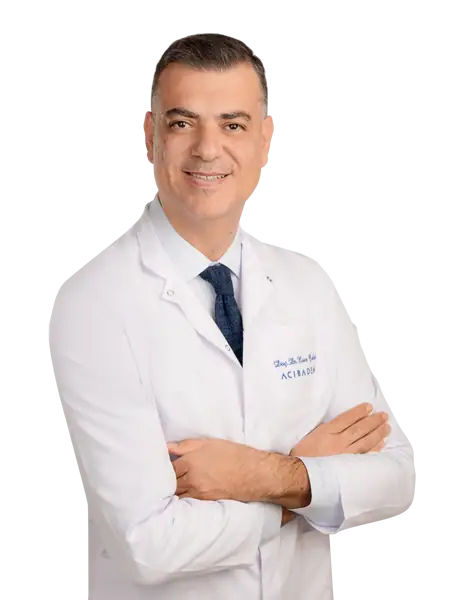
Vitro Fertilization and Reproductive Medicine Center
Assoc. Prof. Eser Çolak, MD
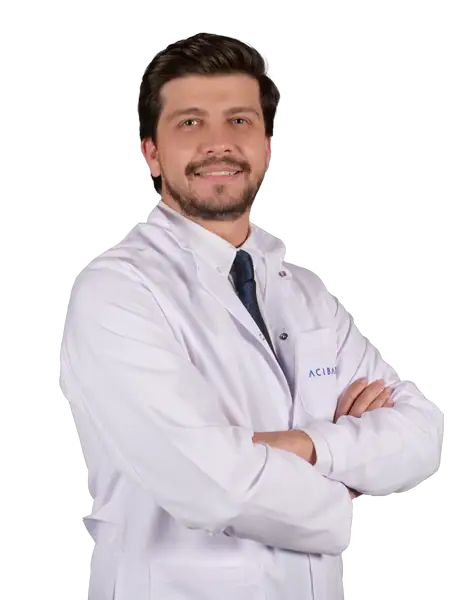
Vitro Fertilization and Reproductive Medicine Center
Assoc. Prof. Burak Elmas, MD
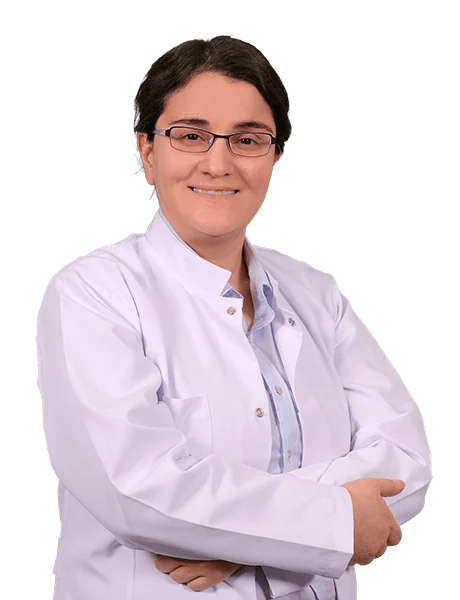
Vitro Fertilization and Reproductive Medicine Center