Therapy for Cancer Patients: How It Works, Results and What to Expect
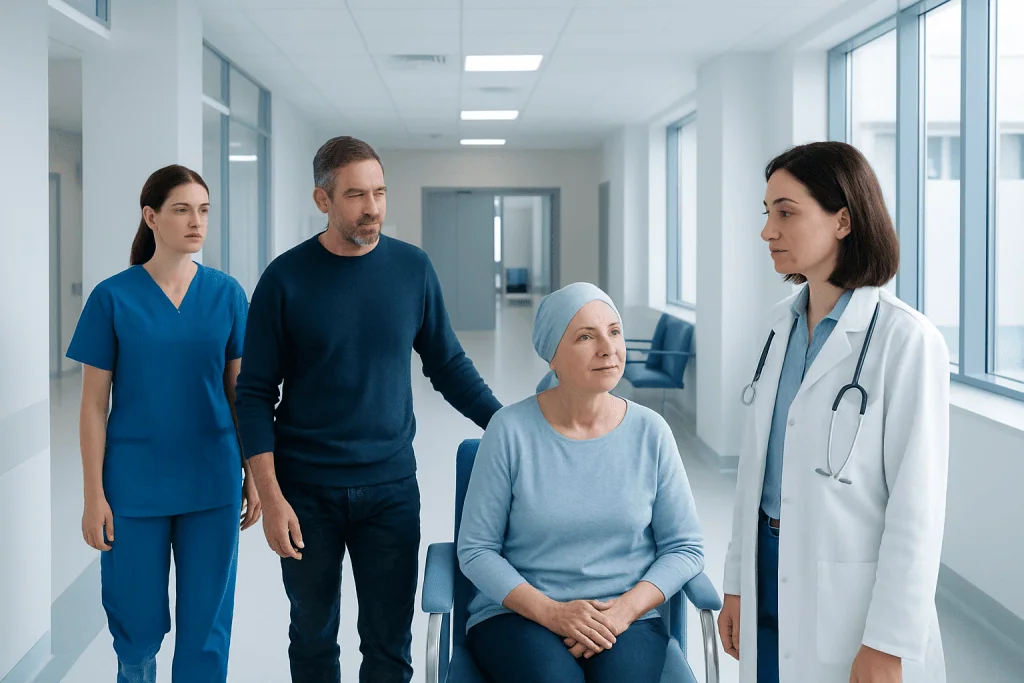
Cancer therapy can include surgery, radiation therapy, systemic medicines and supportive or palliative care. The best treatment plan depends on the cancer’s type, stage, biology, location and the person’s health and goals.
Key Takeaways
- Cancer therapy can include surgery, radiation therapy, systemic medicines and supportive or palliative care.
- The best treatment plan depends on the cancer’s type, stage, biology, location and the person’s health and goals.
- Treatment may be given alone or in combination, before or after another therapy, or over longer periods to control cancer.
- Response and outlook vary widely; stage alone cannot predict an individual person’s results or life expectancy.
- Supportive care for symptoms, nutrition, emotions and daily functioning is an important part of cancer treatment at every stage.
Therapy for cancer patients is individualized care that may aim to cure cancer, control its growth, reduce symptoms, or support quality of life. A cancer care team uses the cancer type, stage, tumor features, overall health and personal priorities to recommend a treatment plan and adjust it over time.
Overview: how therapy for cancer patients works
Therapy for cancer patients uses one or more approaches to remove cancer, destroy cancer cells, slow their growth, prevent recurrence, or ease cancer-related symptoms. The main options are surgery, radiation therapy, systemic treatments such as chemotherapy, immunotherapy, targeted therapy and hormone therapy, and supportive or palliative care. The treatment plan is tailored rather than one-size-fits-all.
Some people receive treatment with a curative goal, especially when cancer is localized or can be fully treated. For others, therapy may control cancer for a long time, reduce symptoms, or maintain comfort and independence. Palliative care can be introduced alongside active cancer treatment and is not limited to end-of-life care.
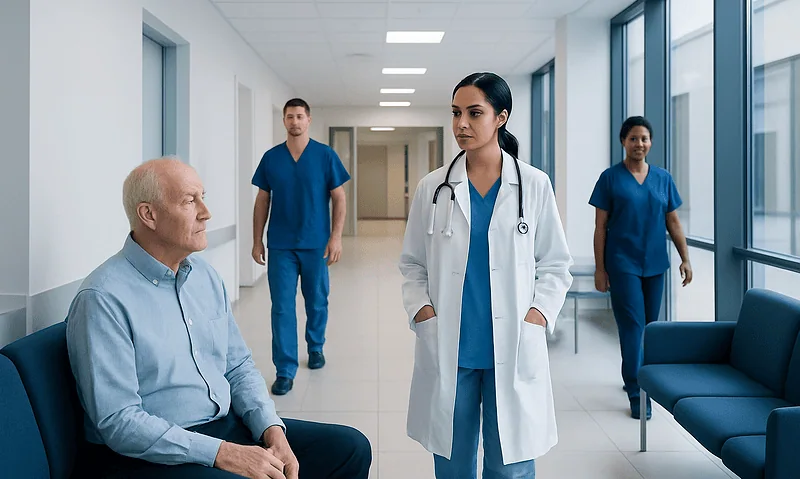
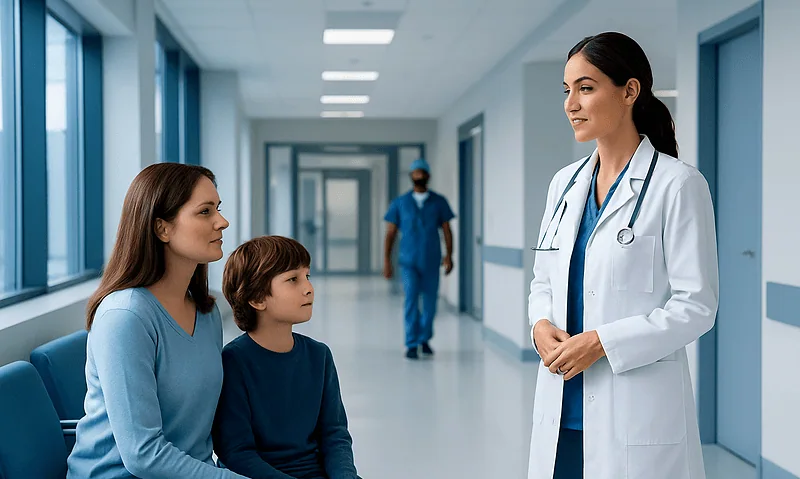
Cancer care commonly involves medical oncologists, surgeons, radiation oncologists, radiologists, pathologists, nurses, pharmacists, dietitians, rehabilitation professionals and mental health specialists. Team discussions help match therapy to the person’s diagnosis and preferences, while regular reviews assess whether the plan remains appropriate.
Choosing a treatment plan and candidacy
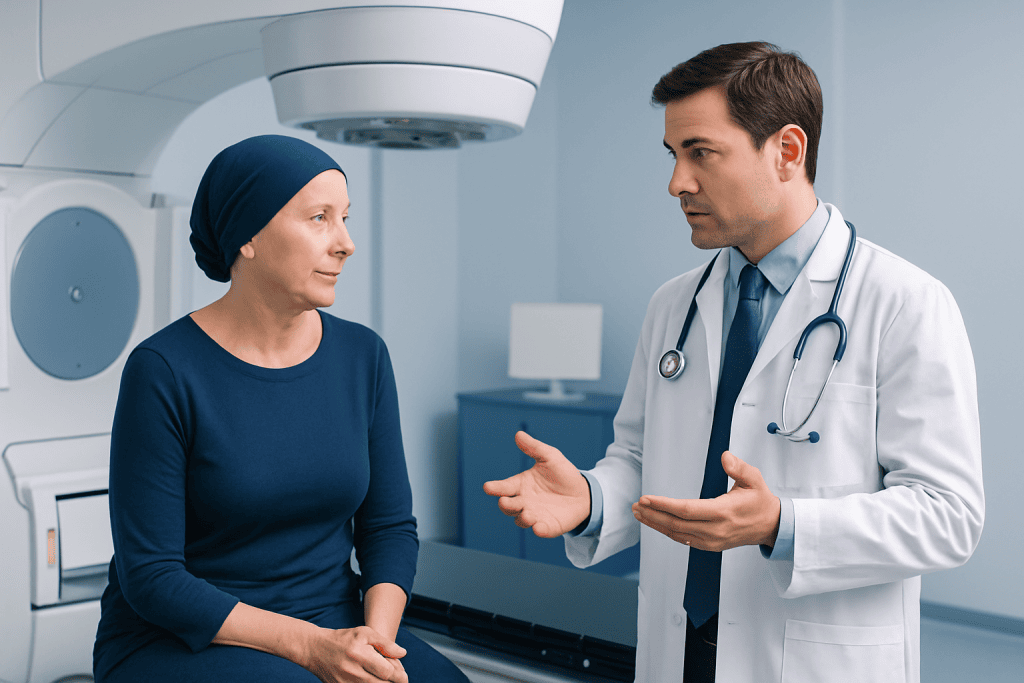
Before recommending therapy, clinicians confirm the diagnosis and determine the cancer stage. Staging describes the size and location of the cancer, whether lymph nodes are involved and whether it has spread to distant parts of the body. Biopsy findings may also identify tumor grade and biomarkers, including gene changes or hormone receptors, that can influence treatment choices.
Candidacy for a particular therapy depends on more than cancer stage. The team considers the cancer’s site and biology, previous treatments, other medical conditions, organ function, symptoms, fertility wishes, ability to attend treatment, and the individual’s values. Age by itself does not determine whether someone can receive treatment.
Some therapies are used before an operation to shrink a tumor, known as neoadjuvant treatment. Others are given after surgery or radiation to lower the chance of recurrence, known as adjuvant treatment. In selected situations, a clinical trial may offer access to carefully monitored emerging treatment approaches.
- Surgery may remove a tumor and nearby affected tissue.
- Radiation therapy uses focused energy to damage cancer cells in a defined area.
- Systemic therapy travels through the bloodstream and can reach cancer cells in many parts of the body.
- Supportive care addresses pain, fatigue, nausea, emotional wellbeing and practical needs.
The cancer therapy process: step by step
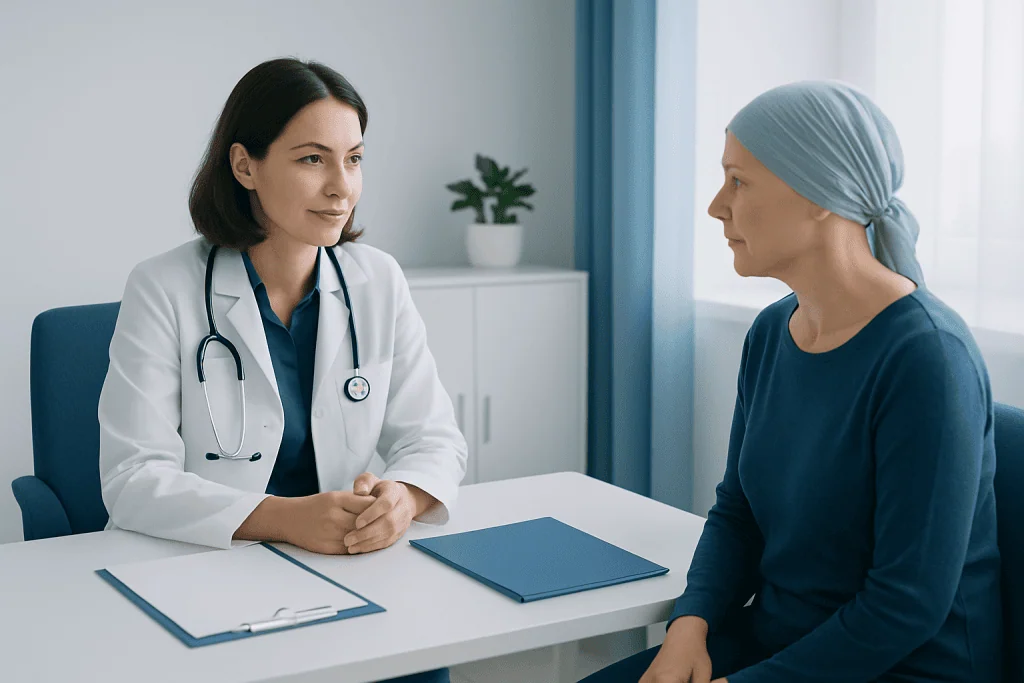
The process usually begins with consultation, examination and review of scans, pathology and laboratory tests. Additional imaging, repeat biopsy, genetic or molecular testing, heart or lung assessment, and fertility counseling may be recommended depending on the cancer and proposed therapy. Patients should be encouraged to ask what the treatment goal is, what alternatives exist and how success will be monitored.
Once a plan is agreed, the team prepares treatment safely. This may involve pre-operative assessment for surgery, simulation and planning scans for radiation, or blood tests and medication review before systemic therapy. Some treatments require a venous access device, while others are taken by mouth or administered under the skin. The schedule varies substantially by treatment type.
During therapy, appointments may include symptom checks, physical examinations, blood tests and imaging at appropriate intervals. These assessments help the team manage side effects and decide whether to continue, pause, reduce, switch or complete treatment. A change in plan does not necessarily mean treatment has failed; it may reflect new test results, side effects or a different balance of benefits and burdens.
After active treatment, follow-up appointments focus on recovery, surveillance for recurrence when relevant, late effects, preventive care and emotional adjustment. The follow-up schedule is individualized. People should keep an updated record of their diagnosis, treatments, medications and important test results.
Benefits, risks and recovery timeline
The potential benefit of cancer treatment depends on its purpose. Treatment may eliminate detectable cancer, reduce the likelihood of recurrence, shrink tumors, delay progression or improve symptoms such as pain, bleeding, breathing difficulty or blockage. Doctors should explain the expected benefit in the context of the individual diagnosis, because benefits cannot be predicted from a treatment name alone.
All therapies can have side effects, although not everyone experiences the same effects. Surgery may involve pain, infection, bleeding, blood clots or changes in function. Radiation can cause tiredness and skin or organ effects in the treated area. Systemic therapies can cause fatigue, nausea, infection risk, nerve symptoms, skin changes, bowel changes or immune-related inflammation, depending on the medicine. Many effects can be prevented, reduced or treated when reported early.
Recovery timelines differ widely. After an outpatient infusion, a person may feel tired for a few days, while recovery after major surgery can take weeks to months. Radiation effects often build gradually during treatment and may continue briefly afterward. Some targeted or hormone therapies are taken for months or years and may require ongoing monitoring rather than a single recovery period.
Rest, regular gentle activity when medically appropriate, adequate fluids, balanced nutrition and clear communication with the care team can support recovery. The team may arrange pain management, physiotherapy, occupational therapy, nutrition advice, fertility support, psychosocial care or rehabilitation. It is important not to start supplements or complementary therapies without discussing them, as some can affect cancer medicines or procedures.
Life after treatment and living with cancer
Can life go back to normal after cancer? Many people return to work, relationships, exercise and valued routines after cancer treatment, but their “normal” may look different for a time. Physical recovery, emotional adjustment, financial concerns and fear of recurrence are common. Some people have lasting effects such as fatigue, changes in appearance, pain, numbness, bowel or bladder changes, or hormonal symptoms that need ongoing support.
Recovery is often gradual rather than a single endpoint. Follow-up care can address late effects and help people safely resume activity, travel, work and sexual intimacy. Rehabilitation, counseling, peer support, social work and survivorship programs may be useful. A person should discuss persistent symptoms rather than assuming they must simply live with them.
Healthy routines can support overall wellbeing after treatment. These include avoiding tobacco, limiting alcohol where appropriate, maintaining regular physical activity within personal limits, eating a varied diet and attending recommended follow-up visits and screening. These steps do not guarantee that cancer will not return, but they can support general health and recovery.
Outlook in stage 2 and advanced cancer
What is the life expectancy for someone with stage 2 cancer? There is no single life-expectancy figure for stage 2 cancer. Stage 2 means different things in different cancer types, and outlook is affected by tumor biology, grade, exact lymph node involvement, treatment response, other health conditions and access to appropriate care. Many stage 2 cancers are treated with curative intent, but the treating team is best placed to explain an individual outlook using the specific diagnosis and current test results.
Can metastatic cancer go into remission? Yes. Metastatic cancer can sometimes respond so well to treatment that scans show no detectable cancer or a major reduction in disease, which may be described as complete or partial remission. The duration of remission varies, and metastatic cancer often requires ongoing monitoring or treatment. In a smaller number of situations, long-term control is possible; clinicians avoid assuming that remission means every person is cured.
How long can someone with advanced cancer live? Advanced cancer has a highly variable course. Some cancers progress quickly, while others can be controlled for years with modern therapies, and even people with the same diagnosis may have very different outcomes. The most helpful estimate comes from the oncology team after considering cancer type, extent of spread, tumor markers, treatment options, response to treatment and the person’s overall condition.
People facing uncertainty may ask their doctor about the aim of treatment, likely benefits, possible side effects, how response will be assessed and what support is available. Honest conversations help patients and families make decisions that reflect their priorities, whether those include longevity, symptom relief, independence, time at home or participation in meaningful activities.
When to seek medical care
Anyone with a new or persistent symptom that is concerning should arrange a medical assessment, particularly unexplained weight loss, a new lump, unusual bleeding, persistent pain, a lasting cough, changes in bowel or bladder habits, trouble swallowing or marked fatigue. These symptoms are common and often have causes other than cancer, but timely evaluation is important.
During cancer treatment, patients should contact their oncology team promptly for fever or chills, shortness of breath, chest pain, severe or worsening pain, confusion, uncontrolled vomiting or diarrhea, dehydration, sudden swelling, heavy bleeding, a new rash with blistering, or an inability to eat or drink. The care team will explain which symptoms need same-day advice and which require emergency care.
Acibadem International’s multidisciplinary specialists and JCI-accredited hospitals provide diagnostic assessment, treatment planning and supportive care for international patients. A second opinion may also be useful when a diagnosis is complex, treatment choices are unclear, or a person wants to review available options before starting therapy.
Frequently asked questions
What types of therapy are used for cancer patients?
Cancer therapy may include surgery, radiation therapy, chemotherapy, immunotherapy, targeted therapy, hormone therapy, stem cell transplant in selected blood cancers, and supportive or palliative care. Many people receive a combination of treatments. The choice depends on the specific cancer and the goal of care.
How do doctors know whether cancer treatment is working?
Doctors use a combination of symptom review, physical examination, blood tests, tumor markers when appropriate and imaging scans. The timing of assessments depends on the cancer type and treatment. A single test result may not tell the full story, so trends over time are often important.
Is palliative care the same as giving up on cancer treatment?
No. Palliative care focuses on relief of symptoms, stress and treatment side effects, and it can be provided at the same time as treatment intended to control or cure cancer. It may help with pain, fatigue, nausea, emotional support and practical planning.
Can a person work during cancer treatment?
Some people can work during treatment, either full-time or with adjustments, while others need time away from work. This depends on treatment effects, the nature of the job, travel needs and personal energy levels. The oncology team and an employer’s occupational health service may help plan reasonable accommodations.
Should cancer patients take vitamins or herbal remedies during therapy?
Vitamins and herbal products are not automatically safe during cancer treatment. Some can interact with chemotherapy, targeted drugs, hormone therapy, anesthesia or radiation. Patients should show their full list of supplements and over-the-counter products to their oncology pharmacist or doctor before using them.
When should a cancer patient call the treatment team urgently?
Urgent contact is appropriate for fever, chills, breathing difficulty, chest pain, heavy bleeding, severe pain, confusion, uncontrolled vomiting or diarrhea, or inability to drink fluids. These symptoms can sometimes signal infection, dehydration, blood clots or treatment complications. Patients should follow the emergency instructions provided by their own cancer center.
References
- National Cancer Institute
- American Society of Clinical Oncology
- World Health Organization
- European Society for Medical Oncology
- Centers for Disease Control and Prevention
This article is for general information only and is not a substitute for professional medical advice. Please consult a qualified doctor about your individual situation.
Oncology care in Turkey — second opinion and treatment plan
JCI-accredited · board-certified surgeons · reply within 24h
Add us as a Preferred Source to see more of our trusted health content across Google Search, AI Overviews and Discover.