Traveling Home After IVF Treatment: Flying, Medicines, and Test Timing

Flying after IVF is commonly permitted, but timing should be individualized after egg retrieval or embryo transfer. Patients should carry IVF medicines in hand luggage, with prescriptions and a clinic letter when possible.
Key Takeaways
- Flying after IVF is commonly permitted, but timing should be individualized after egg retrieval or embryo transfer.
- Patients should carry IVF medicines in hand luggage, with prescriptions and a clinic letter when possible.
- A blood pregnancy test is usually scheduled on a specific date after embryo transfer; testing too early can give misleading results.
- Mild bloating, cramping, and fatigue can occur after IVF, but increasing pain, heavy bleeding, fever, breathing difficulty, or severe swelling needs medical advice.
- Long-distance travel is easier and safer with hydration, gentle movement, and a written plan for follow-up care at home.
Most patients can travel home safely after IVF treatment when their clinic confirms they are clinically stable and their medication plan is clear. The key points are flight timing, safe storage of medicines, awareness of symptoms, and doing the pregnancy test on the correct date.
Overview
Traveling home after IVF treatment is a common part of fertility care for international patients. Many people complete ovarian stimulation, egg retrieval, embryo transfer, or frozen embryo transfer away from home and then return to their usual environment for the waiting period and follow-up. With thoughtful planning, this can usually be done safely and comfortably.
The best travel plan depends on which step of treatment has just taken place. A patient who has had egg retrieval may need time to recover from sedation, bloating, or ovarian enlargement. A patient who has had embryo transfer may feel physically well but still needs a clear medication schedule and a confirmed date for pregnancy testing. The treating fertility team is the best source of individualized advice because it knows the cycle details, response to stimulation, and any medical risk factors.
Patients are often concerned that flying, walking through an airport, or sitting during a journey could affect implantation. Available medical guidance generally supports normal, gentle activity after embryo transfer unless the doctor has advised otherwise. Travel itself is not considered a proven cause of IVF failure, but stress, missed medicines, dehydration, and lack of follow-up can make the experience more difficult. The goal is to travel in a calm, organized way and to know when to seek help.
When Is It Usually Safe to Fly After IVF?
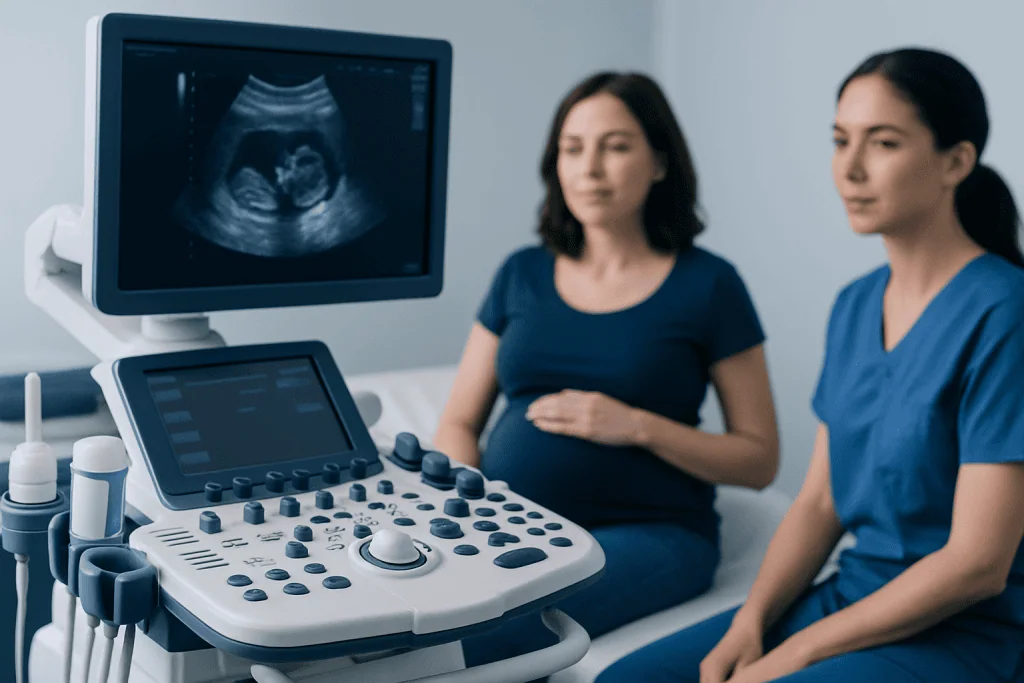
Flight timing should be confirmed by the fertility clinic before tickets are finalized. After egg retrieval, many clinics prefer the patient to remain nearby for at least a short observation period, especially if there was a strong ovarian response, significant discomfort, or concern about ovarian hyperstimulation syndrome. Patients who received sedation or anesthesia should not travel alone immediately afterward and should follow the clinic’s instructions about rest, eating, drinking, and activity.
After embryo transfer, flying home the same day or the next day may be acceptable for many patients if they feel well and the medical team agrees. The embryo is placed inside the uterus, and routine movement does not cause it to fall out. Some patients still prefer to wait a day for comfort, especially after a long transfer day or if travel involves multiple flights, heavy luggage, or long ground transportation.
For long-haul flights, the clinic may consider additional factors such as age, body weight, smoking history, prior blood clots, thrombophilia, pregnancy complications, or use of estrogen medicines. These factors can influence the risk of travel-related blood clots. Most patients do not need special treatment, but those with risk factors should receive personalized guidance about compression stockings, movement during the flight, or other preventive steps.
Medicines and Injections During Travel

Medication continuity is one of the most important parts of traveling home after IVF treatment. Luteal phase support, such as progesterone, and sometimes estrogen or other medicines, is often continued after embryo transfer until the pregnancy test and sometimes longer if pregnancy is confirmed. Missing doses or changing timing without medical advice should be avoided.
All IVF medicines should be packed in hand luggage rather than checked baggage. This protects them from loss, extreme temperatures, and delays. Patients should carry the original packaging, prescriptions, and a short clinic letter explaining that the medicines, needles, syringes, or applicators are for fertility treatment. This can make airport security checks smoother, particularly for injectable medications.
Some fertility medicines require refrigeration or temperature control. Patients should ask the clinic or pharmacist how long each medicine can safely remain at room temperature and whether a travel cooler is needed. Ice packs should be used carefully so medicines do not freeze unless freezing is specifically allowed. Time zone changes should also be discussed before departure, especially when injections or vaginal progesterone are scheduled at fixed intervals.
- Keep a written medicine schedule in local time and home time.
- Pack extra supplies in case of travel delays.
- Take enough sanitary pads or panty liners if vaginal medicines are used.
- Do not stop progesterone or estrogen unless the IVF clinic advises it.
Comfort, Movement, and Self-care During the Journey
Most patients can walk, climb stairs, shower, and travel normally after embryo transfer, unless they have been given specific restrictions. Gentle movement during the journey can improve comfort and circulation. Heavy lifting is best avoided, especially soon after egg retrieval when the ovaries may still be enlarged and tender. Patients may wish to use wheeled luggage and ask for help with overhead bags.
On longer flights or car journeys, hydration and regular movement are helpful. Patients can drink water, limit excessive caffeine, and stand or walk briefly when it is safe to do so. Simple ankle circles and calf movements while seated can support circulation. Comfortable clothing may help if bloating or breast tenderness is present after hormone treatment.
Food choices do not need to be complicated. A balanced meal, light snacks, and avoidance of alcohol are reasonable. If nausea, constipation, or bloating occurs, the patient should follow the clinic’s advice and avoid starting new medicines or supplements without approval. Paracetamol or acetaminophen is often considered compatible with fertility treatment, but any pain relief should be confirmed with the treating doctor, particularly after egg retrieval.
Symptoms That Can Be Normal and Symptoms to Report
Mild symptoms are common during and after IVF. These can include pelvic heaviness, bloating, breast tenderness, tiredness, mood changes, mild cramping, or light spotting. Progesterone and estrogen can also cause symptoms that feel similar to early pregnancy, which is one reason the waiting period can be emotionally challenging. These symptoms do not reliably predict whether the cycle has worked.
After egg retrieval, the ovaries can remain enlarged for a short time, and some discomfort is expected. However, symptoms should gradually improve rather than steadily worsen. A patient should contact the IVF clinic or seek local medical care if there is severe or increasing abdominal pain, persistent vomiting, heavy bleeding, fainting, fever, shortness of breath, chest pain, severe leg swelling, or very rapid weight gain with marked bloating. These symptoms may need assessment to rule out complications such as infection, bleeding, ovarian torsion, blood clot, or ovarian hyperstimulation syndrome.
After embryo transfer, light spotting may occur and does not necessarily mean treatment has failed. Heavy bleeding, significant pain, or fever should be reported. If the patient is already home, it is helpful to have both the IVF clinic’s emergency contact details and a local doctor or hospital identified in advance.
Pregnancy Test Timing After Embryo Transfer
The pregnancy test date should be set by the IVF clinic and written clearly in the discharge plan. Testing too early can be misleading. A urine test may be negative even when implantation is beginning, or it may be falsely positive if a recent trigger injection containing hCG is still in the body. For this reason, many clinics prefer a blood beta-hCG test on a specific day after embryo transfer.
The exact test day depends on whether the embryo was transferred at cleavage stage or blastocyst stage and on the clinic’s protocol. Patients should avoid changing the date on their own, even if they feel symptoms or have spotting. If the first beta-hCG result is positive, the clinic may request a repeat test after a short interval to assess the rise. Ultrasound confirmation is usually planned later, once it is medically possible to see the pregnancy location and development.
International patients should arrange where the blood test will be done before leaving the treatment country. The laboratory should be able to provide quantitative beta-hCG results in the units requested by the IVF clinic. Results should be sent to the fertility team promptly, along with information about current medicines and any symptoms. Until the clinic reviews the result, medications should usually be continued as instructed.
Planning Follow-up Care at Home
A smooth return home begins before departure. Patients should leave the IVF clinic with a written summary of the cycle, embryo transfer details if applicable, medication instructions, test date, warning symptoms, and contact information. If pregnancy is confirmed, the plan should explain when to repeat blood tests, when to schedule the first ultrasound, and when care can be transferred to an obstetrician or local fertility specialist.
Patients should also confirm how prescriptions can be refilled at home. Some medicines may have different brand names or formulations in different countries. The clinic can often provide the generic name and route of use, such as vaginal, oral, subcutaneous, or intramuscular, to reduce confusion. If injections must continue, the patient should know how to store them and how to dispose of sharps safely after traveling.
Emotional follow-up is also important. The days after embryo transfer can feel long, and travel may add fatigue. Patients may benefit from limiting repeated home testing, choosing one trusted contact for updates, and planning quiet routines after arrival. Acibadem International’s multidisciplinary specialists and JCI-accredited hospitals can support diagnosis and treatment planning for international fertility patients, including clear discharge instructions and coordination with follow-up care at home.
When to See a Doctor Before or After Flying
A patient should speak with the fertility team before flying if there is severe bloating, significant abdominal pain, shortness of breath, dizziness, heavy bleeding, fever, vomiting, or reduced urination. Medical advice is also important if the patient has a history of blood clots, severe ovarian hyperstimulation syndrome, recent surgery, complex medical conditions, or is traveling a very long distance soon after egg retrieval.
After returning home, a local doctor or emergency service should be contacted if concerning symptoms develop and the IVF clinic cannot be reached quickly. The patient should explain the recent IVF treatment, the date of egg retrieval or embryo transfer, current medicines, and any known pregnancy test result. This information helps clinicians choose safe investigations and treatments.
For routine questions, the IVF clinic remains the central point of contact until the pregnancy test and early follow-up are complete. Patients should not stop medicines, start blood thinners, take new herbal supplements, or change activity restrictions without professional guidance. A clear plan helps protect both physical health and peace of mind during the return home.
Frequently asked questions
Can flying after embryo transfer reduce the chance of pregnancy?
Routine flying after embryo transfer is not known to reduce implantation or IVF success. The embryo is placed inside the uterus, and normal movement or cabin pressure does not make it fall out. Patients should still follow their clinic's timing advice and avoid missed medicines, dehydration, and excessive physical strain.
How soon can a patient fly after egg retrieval?
Some patients can travel soon after egg retrieval, but the timing should be approved by the IVF clinic. Extra caution is needed if there is significant bloating, pain, a high ovarian response, sedation effects, or concern about ovarian hyperstimulation syndrome. A short stay near the clinic may be recommended for observation in selected cases.
Should IVF medicines go in checked luggage or hand luggage?
IVF medicines should be carried in hand luggage whenever possible. This prevents problems if checked bags are delayed or exposed to unsuitable temperatures. Original packaging, prescriptions, and a clinic letter can help with airport security, especially when syringes or needles are required.
When should the pregnancy test be done after IVF?
The pregnancy test should be done on the date recommended by the IVF clinic, usually with a blood beta-hCG test. Testing too early can give a false negative or, after some trigger injections, a false positive. Patients should continue medicines as instructed until the clinic reviews the result.
Is bed rest needed after embryo transfer or after flying home?
Strict bed rest is not routinely recommended after embryo transfer for most patients. Gentle daily activity is usually acceptable unless the doctor gives different instructions. Resting after a long journey can improve comfort, but prolonged immobility is generally not necessary.
What symptoms after IVF travel need urgent medical advice?
Patients should seek medical advice for severe or worsening abdominal pain, heavy bleeding, fever, persistent vomiting, fainting, chest pain, shortness of breath, severe leg swelling, or marked bloating with rapid weight gain. These symptoms do not mean that something is definitely wrong, but they should be assessed promptly. The local doctor should be told about the recent IVF treatment and current medicines.
References
- European Society of Human Reproduction and Embryology
- American Society for Reproductive Medicine
- Royal College of Obstetricians and Gynaecologists
- International Air Transport Association
- National Institute for Health and Care Excellence
This article is for general information only and is not a substitute for professional medical advice. Please consult a qualified doctor about your individual situation.
IVF Treatment in Turkey — costs, top hospitals & a free quote
JCI-accredited · board-certified surgeons · reply within 24h