Type 2 diabetes remission Symptoms: Early Signs You Should Not Ignore

Type 2 diabetes remission means blood glucose is below the diabetes range without glucose-lowering medication for a sustained period, as assessed by a clinician. Improving symptoms may be encouraging, but they do not prove remission because high blood glucose can cause few or no symptoms.
Key Takeaways
- Type 2 diabetes remission means blood glucose is below the diabetes range without glucose-lowering medication for a sustained period, as assessed by a clinician.
- Improving symptoms may be encouraging, but they do not prove remission because high blood glucose can cause few or no symptoms.
- Weight loss, nutrition changes, physical activity, medication management, and selected metabolic procedures can support substantial improvement in type 2 diabetes.
- Diabetes medicines should never be reduced or stopped without guidance from a qualified healthcare professional.
- Regular HbA1c testing and screening for eye, kidney, nerve, and cardiovascular health remain important after remission.
- New thirst, frequent urination, unexplained weight loss, vomiting, confusion, or marked fatigue require timely medical assessment.
Type 2 diabetes remission symptoms can include less thirst, less frequent urination, improved energy, and clearer vision as blood glucose levels improve. However, remission cannot be diagnosed from symptoms alone; it requires appropriate blood tests and continued medical follow-up.
Overview: what do type 2 diabetes remission symptoms mean?
Type 2 diabetes remission symptoms may include reduced thirst, less frequent urination, improved energy, and less blurred vision as blood glucose levels return closer to a healthy range. These changes can be positive, but they are not enough to confirm remission. Only a healthcare professional can assess remission using blood glucose results, usually including an HbA1c test, alongside a review of medications and overall health.
In clinical practice, remission is generally used when HbA1c has remained below the diabetes threshold for at least three months without glucose-lowering medicines. It does not mean that diabetes has been permanently cured. Blood glucose can rise again over time, particularly with weight regain, illness, stress, reduced activity, or changes in treatment, so long-term monitoring is still essential.
Some people develop type 2 diabetes gradually and have no obvious symptoms, even when glucose levels are elevated. For this reason, feeling well should not replace planned testing. Remission is best understood as an important improvement in blood glucose control that still benefits from ongoing prevention and follow-up.
Early signs that blood glucose may be improving
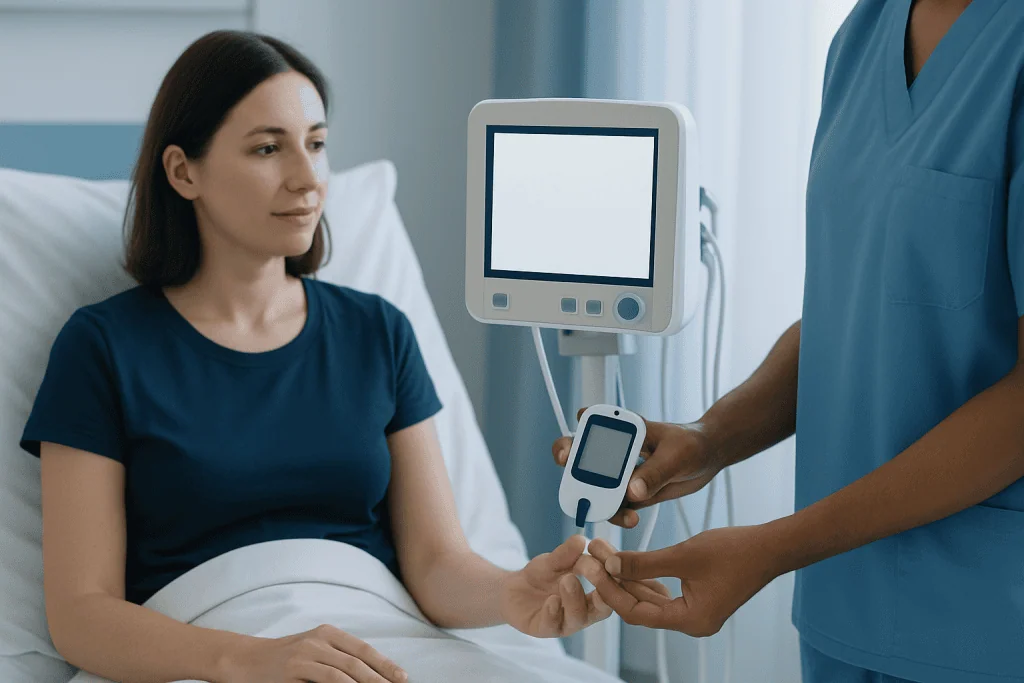
When high blood glucose improves, symptoms caused by excess glucose in the blood may become less noticeable. A person may find that they are no longer constantly thirsty, need to urinate less often, or wake less frequently at night to use the bathroom. Vision that was temporarily blurry during periods of high glucose may also become clearer, although any sudden or persistent visual change should be assessed promptly.
Other possible signs include steadier energy, reduced dry mouth, fewer recurrent skin or yeast infections, and improved concentration. Some people notice that wounds heal more normally as glucose control improves. These changes vary widely and may occur gradually rather than all at once.
- Less excessive thirst or dry mouth
- Less frequent urination, including overnight
- Improved energy and reduced tiredness
- Less blurred vision related to high glucose
- Fewer episodes of recurrent infection
- More stable home glucose readings, if monitoring has been recommended
Symptoms can also improve for reasons unrelated to remission, such as temporary dietary changes or medication effects. Conversely, a person may have excellent glucose readings but still experience tiredness, which has many possible causes. Blood tests and professional review provide the clearest answer.
Why symptoms alone cannot diagnose remission

Type 2 diabetes can be present without noticeable symptoms. This is why it is possible for a person to feel well while glucose levels remain above target. It is also possible to experience symptoms such as fatigue or frequent urination for causes other than diabetes, including sleep problems, infections, certain medicines, or urinary conditions.
Healthcare teams commonly use HbA1c, a blood test reflecting average glucose over roughly the previous two to three months, to evaluate longer-term control. Fasting glucose or other testing may also be helpful in some circumstances. The timing of tests should be individualized, especially after medication changes, significant weight loss, pregnancy, illness, or a procedure.
It is important not to stop insulin or other diabetes medicines simply because symptoms improve or home readings appear lower. Medication needs may change during weight loss or dietary adjustments, and treatment may need to be safely reduced to avoid low blood glucose. This should be planned with the prescribing clinician.
How remission may be achieved: lifestyle, medicines and metabolic procedures
Type 2 diabetes remission is most likely when underlying insulin resistance and excess liver and pancreatic fat are substantially reduced. For some people, clinically meaningful weight loss through individualized nutrition, physical activity, sleep support, and behavioral strategies can improve glucose regulation considerably. The best plan is one that is nutritionally adequate, realistic, and sustainable.
Modern diabetes medicines can improve blood glucose and support weight management for appropriate patients. Although these medicines may be highly effective, remission is generally not defined while glucose-lowering medication is still being used. A clinician can explain the difference between well-controlled diabetes on treatment and remission without treatment.
For selected people with obesity and type 2 diabetes, metabolic or bariatric surgery may offer significant and durable improvement in blood glucose control. The broader assessment, outcomes, and options are explained in type 2 diabetes remission treatment. Surgery is not a universal solution, and it requires informed decision-making, lifelong nutrition support, and structured follow-up.
Metabolic surgery works mainly by reducing stomach capacity and, depending on the procedure, changing the route food takes through the digestive system. These changes can affect appetite, food intake, gut hormones, weight, and insulin sensitivity. Common operations may include sleeve gastrectomy or gastric bypass, chosen according to a person’s health profile and clinical goals.
Who may be considered for metabolic surgery?
Metabolic surgery may be considered for adults with type 2 diabetes and obesity when non-surgical approaches have not achieved adequate metabolic improvement, or when a specialist team believes surgery could offer important health benefits. Eligibility is individualized and considers body mass index, diabetes duration, current treatment, glucose control, other health conditions, previous abdominal surgery, nutritional status, and readiness for lifelong follow-up.
People with more recent type 2 diabetes, preserved insulin production, and substantial weight-related insulin resistance may be more likely to achieve remission after surgery. However, outcomes differ between individuals. A longer duration of diabetes or previous insulin treatment does not automatically exclude someone, but it may affect the likelihood and durability of remission.
A multidisciplinary evaluation usually includes a bariatric surgeon, endocrinologist or diabetes specialist, dietitian, and, when needed, mental health and anesthesia professionals. The aim is to ensure the procedure is suitable, to identify risks, and to prepare the person for dietary changes and long-term medical monitoring.
What the procedure and recovery usually involve
Before surgery, the team reviews medical history, medicines, blood tests, nutritional needs, and anesthesia fitness. People are usually asked to follow a preoperative eating plan and may need adjustments to diabetes medicines to reduce the risk of low or high glucose. The exact preparation depends on the planned procedure and the person’s health.
During surgery, the patient receives general anesthesia. Procedures are commonly performed using minimally invasive techniques through small abdominal incisions, although the approach can vary. Afterward, hospital staff monitor pain, hydration, mobility, blood glucose, and any early complications. The dietary plan progresses in stages, usually from fluids to soft foods and then regular texture foods as advised by the surgical and dietetic teams.
Many people return to light daily activities within a few weeks, but recovery timelines differ by procedure, work demands, and individual health. Blood glucose can improve soon after surgery, sometimes before major weight loss occurs, so medicines often require close adjustment. Follow-up includes nutrition reviews, vitamin and mineral supplementation when indicated, blood tests, and ongoing assessment of diabetes-related health.
Potential benefits include meaningful weight loss, better glucose control, reduced need for diabetes medicines, and improvement in some obesity-related conditions. Risks can include bleeding, infection, blood clots, leaks at surgical connections, dehydration, nutritional deficiencies, gallstones, reflux, bowel symptoms, and the possibility that diabetes later returns. A specialist team can explain benefits and risks in relation to the individual patient.
Prevention, self-care and long-term monitoring
Whether or not remission is achieved, long-term habits can help protect glucose control. A balanced eating pattern that emphasizes vegetables, fiber-rich foods, minimally processed choices, and appropriate portions can be adapted to personal culture, preferences, medical needs, and any post-surgical dietary requirements. Extremely restrictive diets should be supervised, particularly for people taking glucose-lowering medicines.
Regular physical activity supports insulin sensitivity, cardiovascular health, mood, sleep, and weight maintenance. A combination of aerobic movement and strength-building activity is often helpful, but a clinician should advise on safe activity levels for people with heart disease, neuropathy, joint problems, or other conditions.
Even after confirmed remission, regular HbA1c checks and screening for diabetes-related complications remain important. Eye examinations, kidney testing, foot checks, blood pressure management, cholesterol assessment, smoking cessation support, and vaccinations may all be part of continuing care. Previous exposure to high blood glucose can continue to influence health risk.
Acibadem International’s multidisciplinary specialists and JCI-accredited hospitals provide assessment and treatment planning for international patients considering diabetes and metabolic care.
When to seek medical care
Anyone with possible type 2 diabetes symptoms should arrange a medical review, especially if they have persistent thirst, frequent urination, unexplained weight change, repeated infections, fatigue, or blurred vision. Testing is particularly important for people with a family history of diabetes, a history of gestational diabetes, obesity, high blood pressure, fatty liver disease, or cardiovascular disease.
People already diagnosed with type 2 diabetes should contact their healthcare team if home glucose readings are repeatedly higher or lower than agreed targets, if symptoms return after an apparent improvement, or if they are considering major dietary changes, fasting, medication changes, or bariatric surgery. Early advice can help avoid complications and ensure that treatment is adjusted safely.
Urgent medical assessment is needed for severe vomiting, inability to keep fluids down, confusion, fainting, severe weakness, chest pain, shortness of breath, or signs of very high or very low blood glucose. These symptoms have several possible causes and should not be managed by self-treatment alone.
Frequently asked questions
What are the first type 2 diabetes remission symptoms?
Possible early signs include less thirst, less frequent urination, improved energy, and fewer episodes of blurred vision related to high blood glucose. These changes may suggest better glucose control, but they cannot confirm remission. A clinician will use blood tests, medication history, and follow-up over time to assess remission.
Can type 2 diabetes go into remission without surgery?
Yes. Some people achieve remission after substantial, sustained weight loss through a medically supported nutrition and lifestyle program. Others may improve greatly with medication and lifestyle care, although remission is generally defined only when diabetes-range blood glucose is absent without glucose-lowering medication.
How is type 2 diabetes remission confirmed?
Remission is usually confirmed with an HbA1c result below the diabetes threshold for at least three months without glucose-lowering medication. A healthcare professional may also use fasting glucose or other tests when appropriate. Testing plans should be individualized.
Should diabetes medication be stopped when symptoms improve?
No. Medicines should not be stopped or reduced without medical advice, even if thirst, urination, or home glucose readings improve. Treatment changes may be needed during weight loss or after surgery, but they should be made safely to avoid low or high blood glucose.
Can diabetes return after remission?
Yes. Type 2 diabetes can return after remission, particularly if weight is regained or insulin resistance increases again over time. Regular monitoring, healthy habits, and follow-up care help identify changes early and support lasting metabolic health.
Does metabolic surgery cure type 2 diabetes?
Metabolic surgery can lead to remission or major improvement in type 2 diabetes for some eligible people, but it is not a guaranteed cure. Results depend on factors such as diabetes duration, insulin production, weight change, procedure type, and long-term follow-up. Lifelong nutritional and medical care remains necessary.
References
- American Diabetes Association
- Diabetes UK
- International Diabetes Federation
- National Institute of Diabetes and Digestive and Kidney Diseases
- World Health Organization
This article is for general information only and is not a substitute for professional medical advice. Please consult a qualified doctor about your individual situation.
Type 2 Diabetes in Turkey — costs, top hospitals & a free quote
JCI-accredited · board-certified surgeons · reply within 24h