Understanding Splenic Flexure Syndrome: A Complete Patient Guide

Splenic flexure syndrome happens when gas collects at the splenic flexure, a bend in the colon near the upper left abdomen. Common symptoms include bloating, pressure, belching, and pain under the left ribs that may worsen after eating.
Key Takeaways
- Splenic flexure syndrome happens when gas collects at the splenic flexure, a bend in the colon near the upper left abdomen.
- Common symptoms include bloating, pressure, belching, and pain under the left ribs that may worsen after eating.
- Diagnosis usually involves ruling out other causes such as irritable bowel syndrome, constipation, inflammatory bowel disease, or heart-related problems.
- Treatment focuses on relieving gas and bowel distension through diet changes, constipation management, and individualized medical advice.
- Urgent care is needed for severe pain, fever, vomiting, blood in the stool, chest pain, or unexplained weight loss.
Splenic flexure syndrome is a digestive condition in which gas becomes trapped near the bend of the colon under the left rib cage, leading to bloating, fullness, and sometimes sharp or cramping pain. It is often uncomfortable rather than dangerous, but similar symptoms can overlap with other digestive or chest-related conditions, so a proper medical assessment is important when symptoms are new, severe, or persistent.
What splenic flexure syndrome means
Splenic flexure syndrome refers to a pattern of digestive symptoms caused by gas becoming trapped at the splenic flexure, which is the bend of the large intestine near the upper left side of the abdomen, close to the spleen. This trapped gas can stretch the bowel and create pressure, fullness, or pain. Many people describe the discomfort as being under the left rib cage, in the upper abdomen, or sometimes even radiating toward the chest or shoulder.
Although the name sounds highly specialized, the condition is usually related to bowel gas, motility, and sensitivity rather than a problem with the spleen itself. It is often considered part of the broader spectrum of functional gastrointestinal disorders, meaning symptoms are real and troublesome even when there is no structural blockage or dangerous disease found on testing.
Because the location of the discomfort is close to the stomach, pancreas, spleen, diaphragm, and even the heart, splenic flexure syndrome can be confusing. A doctor may need to distinguish it from conditions such as irritable bowel syndrome, constipation, acid-related disorders, gallbladder disease, or non-digestive causes of pain. That is why persistent or unusual symptoms should not be self-diagnosed without evaluation.
Typical symptoms and how they may feel
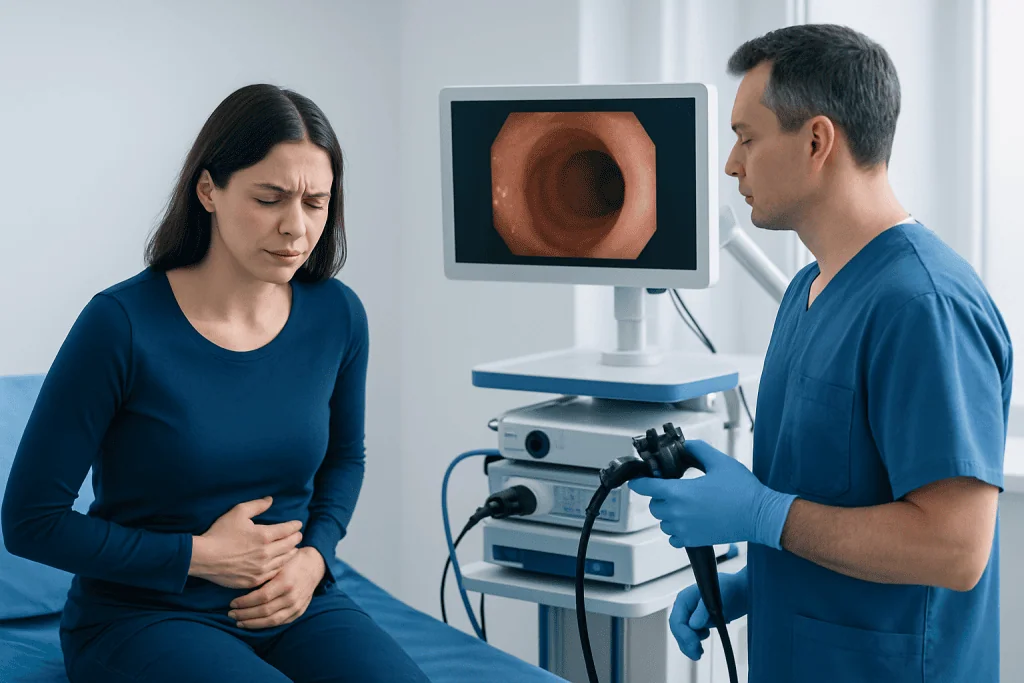
The main symptoms of splenic flexure syndrome are bloating and pressure in the upper abdomen, especially on the left side. Some people feel a sharp, stabbing, cramping, or aching pain under the ribs. Others notice that the discomfort builds after meals, improves after passing gas or having a bowel movement, or comes and goes throughout the day.
Gas-related symptoms can also include visible abdominal distension, frequent belching, a sense of fullness after eating only a small amount, and gurgling or rumbling in the abdomen. If constipation is present, stools may be infrequent, hard, or difficult to pass, which can worsen gas trapping and abdominal pressure.
Symptoms vary from person to person, and not everyone has pain. Common complaints may include:
- Bloating or swelling of the abdomen
- Pressure or discomfort under the left rib cage
- Cramping that eases after passing gas
- Belching or excessive intestinal gas
- Feeling overly full after meals
- Constipation or irregular bowel habits
Because upper left abdominal discomfort can sometimes mimic chest symptoms, some people worry about the heart. While gas-related pain can be benign, chest pain, shortness of breath, sweating, faintness, or pain spreading to the arm or jaw should always be treated as urgent until a clinician says otherwise.
Why it happens: triggers and risk factors

The splenic flexure is a natural bend in the colon where gas can collect more easily. In some people, bowel movement patterns, swallowed air, slower transit, or increased sensitivity of the gut make this area more prone to pressure and discomfort. The problem is not simply the amount of gas produced; it can also involve how the bowel moves and how strongly the body senses normal stretching of the intestine.
Common triggers include large meals, eating too quickly, carbonated drinks, constipation, and foods that are more likely to ferment in the colon. Beans, onions, certain fruits, some dairy products, artificial sweeteners, and highly processed foods may contribute in susceptible individuals. For others, symptoms are linked to stress, since the brain-gut connection can influence bowel motility and pain sensitivity.
Splenic flexure syndrome can overlap with other digestive conditions. It may be seen in people with constipation or those who have features of functional bowel disorders. Sometimes it is considered within the same broader pattern as IBS, particularly when bloating, abdominal pain, and changes in bowel habits occur together. However, not every person with trapped gas has IBS, and not all upper abdominal bloating is caused by the splenic flexure.
Less often, similar symptoms can be worsened by prior abdominal surgery, reduced physical activity, dietary imbalance, or an underlying bowel problem that needs diagnosis. This is why a medical review is important if symptoms are persistent, progressive, or associated with warning signs.
How doctors diagnose splenic flexure syndrome
There is no single test that proves splenic flexure syndrome. Diagnosis is usually based on the pattern of symptoms, a physical examination, and the exclusion of other causes. A doctor will ask where the discomfort is felt, what foods or habits trigger it, how often bowel movements occur, and whether symptoms improve after passing gas or stool.
The purpose of testing is often to rule out more serious or treatable conditions rather than to “find” trapped gas itself. Depending on the person’s age, medical history, and symptoms, a clinician may consider blood tests, stool tests, abdominal imaging, or endoscopic evaluation. If there are concerns about structural bowel disease, a doctor may recommend colonoscopy to examine the large intestine more closely.
Diagnosis also involves considering other explanations for upper abdominal or left-sided pain. These may include acid reflux, peptic ulcer disease, gallbladder problems, pancreatitis, inflammatory bowel disease, diverticular disease, or even non-digestive causes such as cardiac or lung conditions. In some cases, imaging such as MRI or other scans may be used when symptoms suggest an alternative diagnosis rather than a simple gas-related problem.
People should not assume all recurrent bloating is harmless. The diagnosis becomes more reliable when a qualified clinician reviews the whole picture, especially if symptoms are new after age 50, disturb sleep, or occur with weight loss, anemia, fever, or rectal bleeding.
Treatment and symptom relief options
Treatment for splenic flexure syndrome usually focuses on reducing gas buildup, improving bowel movement patterns, and identifying personal triggers. For many people, relief starts with practical changes such as eating more slowly, avoiding overeating, limiting carbonated drinks, and keeping a symptom diary to see whether certain foods consistently cause bloating or pain.
If constipation is contributing, treatment may include increased fluid intake, gradual fiber adjustment, regular physical activity, and medical guidance about bowel-regulating therapies. It is important not to increase fiber too quickly, since this can temporarily worsen gas in some individuals. A doctor may recommend medications that target constipation, intestinal spasm, or gas-related discomfort depending on the symptom pattern.
When symptoms overlap with broader bowel conditions, care may be tailored similarly to IBS management. In selected cases, clinicians may suggest evaluation by gastroenterology specialists for persistent bloating, unexplained pain, or bowel habit changes that do not improve with initial measures. The best treatment plan depends on whether the main driver is gas production, bowel transit, gut sensitivity, or another digestive disorder.
Self-treatment should remain cautious. Frequent severe pain, prolonged constipation, repeated vomiting, or inability to pass stool or gas can signal a different problem and should prompt medical attention rather than repeated use of over-the-counter remedies alone.
Daily habits that may help prevent flare-ups
Many people benefit from simple day-to-day adjustments that reduce intestinal gas and support regular bowel function. A consistent meal pattern can help, especially when meals are smaller and eaten slowly. Chewing thoroughly and avoiding talking while swallowing large bites may reduce air intake, which can contribute to abdominal pressure.
Movement also matters. Gentle walking after meals may help bowel motility and gas transit. Regular exercise, adequate hydration, and a toilet routine that does not ignore the urge to pass stool can reduce constipation-related gas trapping. Some people find it useful to identify whether high-fat meals, very spicy foods, lactose, or certain fermentable carbohydrates trigger symptoms.
Helpful self-care steps may include:
- Eating smaller, more frequent meals
- Limiting fizzy drinks and chewing gum
- Reviewing possible trigger foods with a clinician or dietitian
- Staying physically active most days of the week
- Managing constipation early rather than waiting for symptoms to build
- Using stress-reduction techniques if symptoms worsen during anxious periods
Diet changes should be individualized. Removing too many foods without guidance can make eating unnecessarily restrictive. If symptoms are ongoing, structured advice from a clinician or digestive specialist can help identify practical steps while still maintaining balanced nutrition.
When to seek medical care
Splenic flexure syndrome is often manageable, but certain symptoms need prompt medical evaluation. Severe or sudden abdominal pain, a hard swollen abdomen, repeated vomiting, or inability to pass stool or gas may suggest an obstruction or another urgent condition. Blood in the stool, black stools, fever, fainting, or unexplained weight loss also require medical assessment.
Chest pain should never be assumed to be gas. If pain is accompanied by shortness of breath, sweating, dizziness, pain in the arm or jaw, or a feeling of pressure in the chest, urgent care is important. Similarly, if bloating is new and persistent, or if symptoms wake a person from sleep, a doctor should review the case carefully.
Even when symptoms are not urgent, medical advice is helpful if discomfort keeps returning, interferes with eating, or affects quality of life. Evaluation can rule out conditions that may need different treatment, such as inflammation, structural bowel disease, or significant constipation. Near the end of the care pathway, some international patients may choose assessment at centers such as Acibadem International, where multidisciplinary specialists in JCI-accredited hospitals evaluate and treat digestive conditions.
Frequently asked questions
Is splenic flexure syndrome dangerous?
Splenic flexure syndrome is usually not dangerous by itself and is commonly related to trapped gas and bowel distension. However, similar symptoms can occur with other digestive, chest, or cardiac conditions, so severe, new, or persistent symptoms should be assessed by a doctor.
Where is splenic flexure syndrome pain felt?
Pain is typically felt in the upper left abdomen, often under the rib cage. Some people also notice pressure in the chest, shoulder, or upper belly because the trapped gas sits high in the colon.
Can constipation cause splenic flexure syndrome symptoms?
Yes. Constipation can slow the movement of stool and gas through the colon, making gas more likely to collect at the splenic flexure. Treating constipation often helps reduce pressure, bloating, and discomfort.
How is splenic flexure syndrome different from IBS?
Splenic flexure syndrome describes symptoms linked to gas trapping near a specific bend of the colon. IBS is a broader functional bowel disorder that can include abdominal pain, bloating, diarrhea, constipation, or mixed bowel habits; some people with splenic flexure symptoms also meet criteria for IBS.
What foods can make splenic flexure syndrome worse?
Foods that increase gas or fermentation may worsen symptoms in some people, including beans, onions, some fruits, dairy products, sugar alcohols, and carbonated drinks. Triggers vary, so a food and symptom diary can be more useful than assuming the same foods affect everyone.
Will splenic flexure syndrome show up on a scan?
Imaging may sometimes show gas in the colon, but there is no single scan that definitively diagnoses the condition. Doctors usually make the diagnosis based on symptoms and by excluding other causes when needed.
References
- National Institute of Diabetes and Digestive and Kidney Diseases
- American College of Gastroenterology
- Mayo Clinic
- Cleveland Clinic
- National Health Service
This article is for general information only and is not a substitute for professional medical advice. Please consult a qualified doctor about your individual situation.
Persistent digestive symptoms? Get evaluated in Turkey
JCI-accredited · board-certified surgeons · reply within 24h